What Makes Cuevas Bermejas So Special?
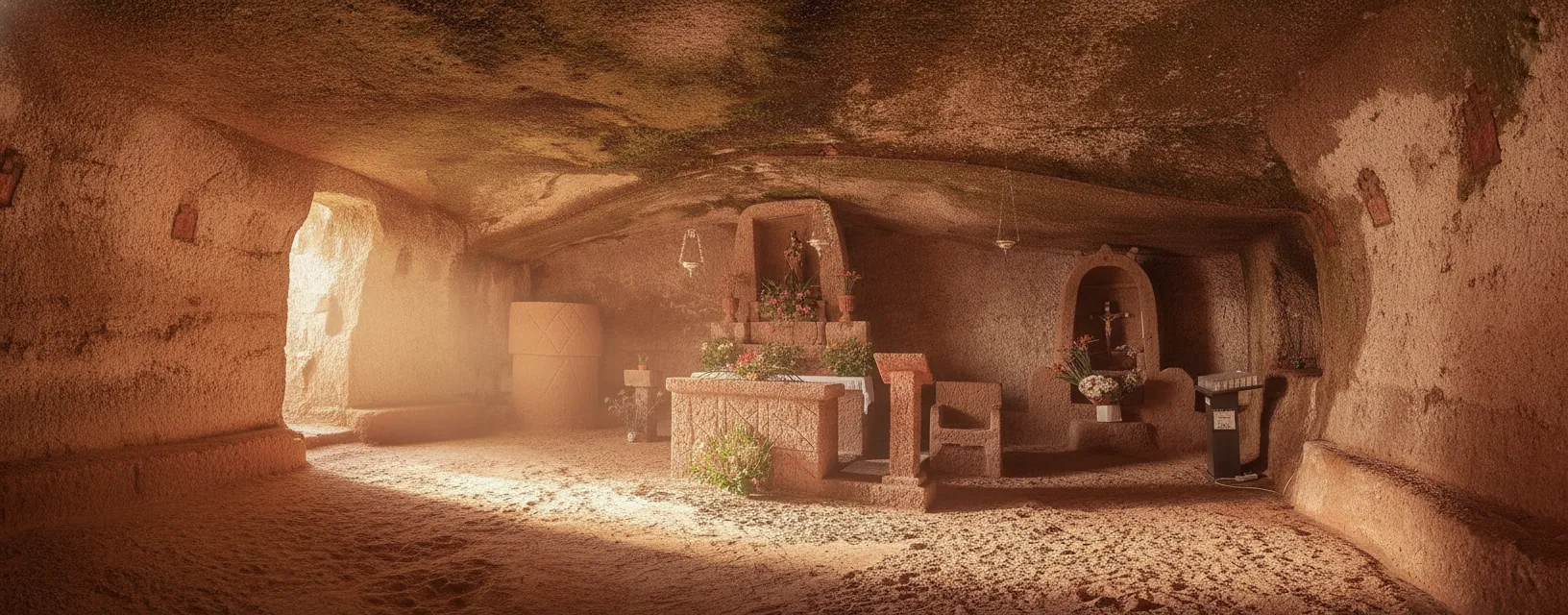
Cuevas Bermejas is more than just a destination; it's an experience that awakens the explorer within. What truly sets it apart is its unique blend of natural wonder, profound history, and living culture. Unlike many ancient sites preserved solely for tourism, Cuevas Bermejas remains a partially inhabited troglodyte village. Here, you'll find homes, storage spaces, and even small chapels meticulously carved into the porous volcanic rock, some still occupied by locals who continue the age-old tradition of cave dwelling.
The landscape itself is a character in this story. The Barranco de las Cuevas Bermejas (Ravine of the Red Caves) is a geological marvel, with its walls showcasing a vibrant palette of reds, oranges, and ochres, sculpted by millennia of wind and water. This rugged, almost Martian terrain forms a dramatic backdrop to the soft, organic lines of the cave dwellings, creating a visual harmony that is both striking and serene. It's a place where human architecture doesn't just coexist with nature but is born directly from it, blurring the lines between the built environment and the wild. Visiting Cuevas Bermejas offers an unparalleled opportunity to witness a sustainable, low-impact lifestyle that has endured for generations, a poignant counterpoint to our modern world.
A Journey Through Time: The History of the Red Caves
The story of Cuevas Bermejas stretches back far beyond the arrival of European conquerors, rooted deeply in the history of Gran Canaria's indigenous inhabitants: the Guanche people. These skilled and resourceful islanders, facing a challenging environment, mastered the art of living in harmony with their surroundings. The porous volcanic rock of the ravines provided natural shelter, offering insulation from both the summer heat and the winter chill, as well as protection from invaders.
Centuries ago, the Guanches began carving out these 'red caves', transforming natural shelters into sophisticated dwellings. They weren't just simple holes in the rock; these were homes designed for comfort and practicality, complete with multiple rooms, ventilation systems, and storage areas for food and water. The strategic location within the barranco also offered a degree of defense, making the settlements difficult to access and easily defensible.
When the Castilian conquest of Gran Canaria concluded in the late 15th century, many Guanches were displaced, but the tradition of cave dwelling persisted. Over the centuries, new inhabitants, often farmers and shepherds, adopted and adapted these existing structures, continuing the troglodyte way of life. Cuevas Bermejas stands as a powerful testament to this unbroken chain of human adaptation and cultural continuity. It’s a living museum, where every carved doorway and weathered rock face whispers tales of the island's ancient past, offering a palpable connection to the ingenuity of those who first called this dramatic landscape home.
Exploring the Troglodyte World: What You'll Discover
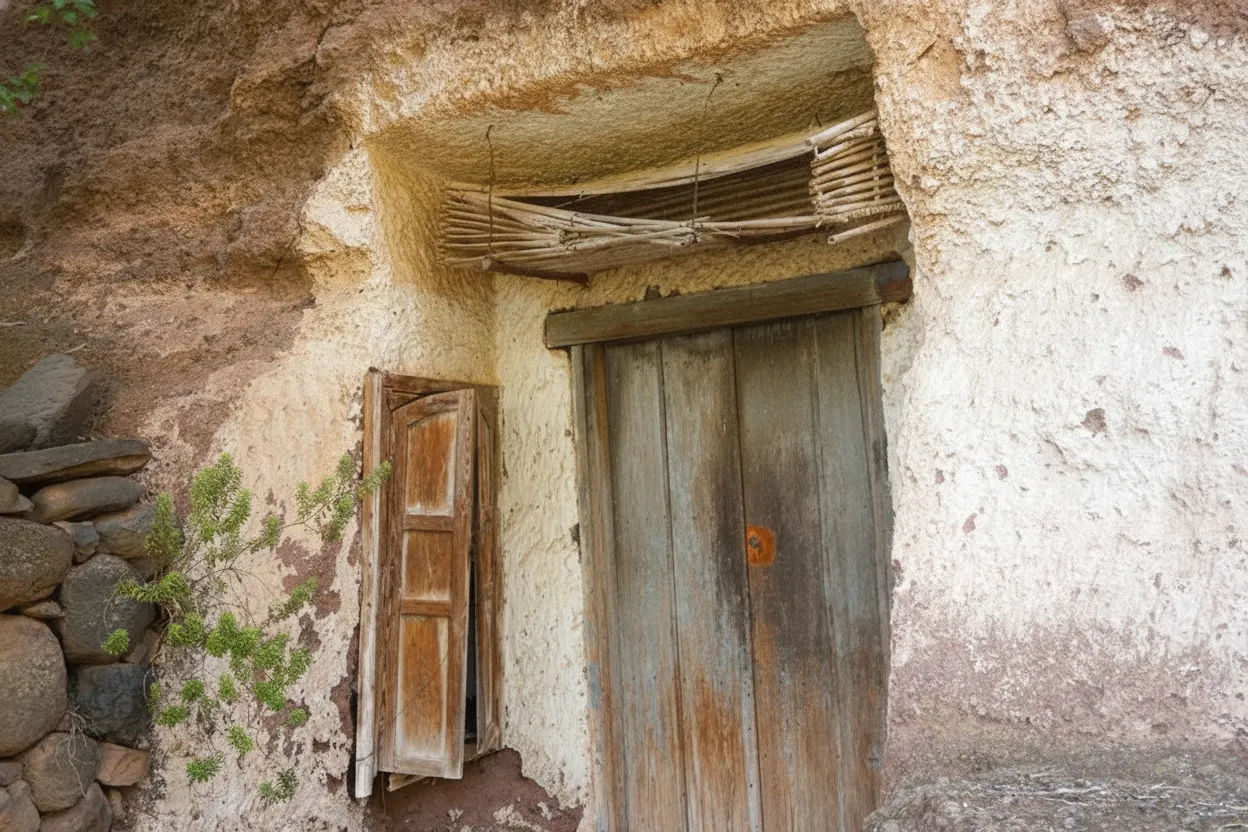
Stepping into Cuevas Bermejas is like entering another dimension. As you venture deeper into the barranco, the modern world fades, replaced by the silent majesty of the red cliffs and the subtle signs of ancient and ongoing human habitation. The path, often winding and uneven, leads you past a fascinating array of cave dwellings. Some are clearly abandoned, their dark entrances like vacant eyes, offering a poignant sense of what once was. Others, however, show clear signs of life: a potted plant outside a carved doorway, a wisp of smoke from a chimney, or the distant sound of voices.
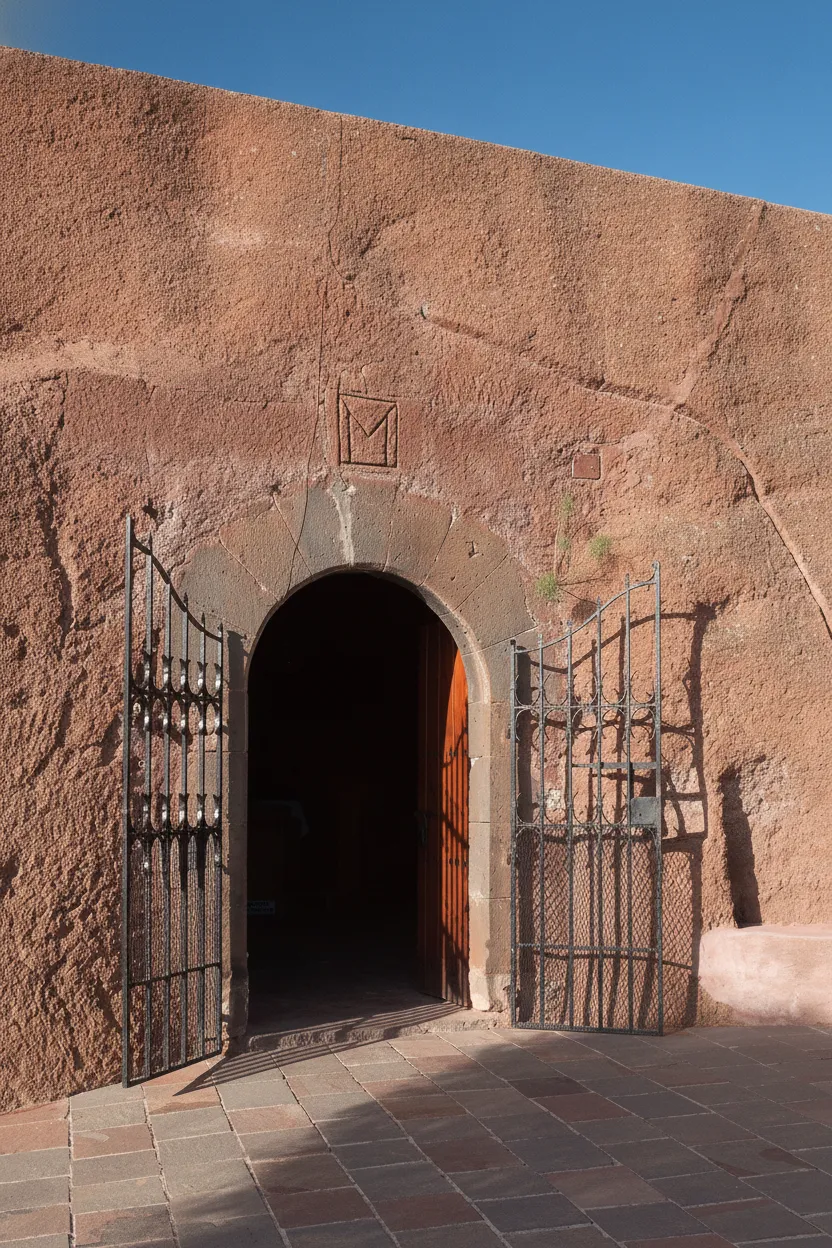
You'll see not just homes, but also what appear to be ancient storage rooms, stable areas for livestock, and even small, humble chapels carved directly into the rock – a testament to the community's spiritual life. Each cave is unique, reflecting the individual needs and craftsmanship of its inhabitants, both past and present. The beauty lies in their seamless integration with the landscape; from a distance, the village practically disappears into the rock face, a masterclass in natural camouflage.
Beyond the dwellings themselves, the journey through the Barranco de las Cuevas Bermejas is an experience in itself. The air is often cooler and stiller here, filled with the scent of wild herbs and the subtle sounds of nature. The sheer scale of the ravine, with its towering red walls, creates a sense of awe and wonder. It's a photographer's dream, with ever-changing light playing across the textured rock faces, highlighting their incredible geological formations. You might even spot some of the endemic flora and fauna that thrive in this unique ecosystem.
Remember, this is not a theme park but a living community. While exploration is encouraged, always do so with the utmost respect for the privacy of the residents. Observe quietly, appreciate from a distance, and let the profound silence and history of the place wash over you. It's an opportunity to witness a way of life that defies easy categorization, a blend of resilience, tradition, and profound connection to the earth.
Practical Tips for Your Unforgettable Visit
Visiting Cuevas Bermejas is an adventure, and a little preparation will ensure you have the best experience possible. This isn't a place you stumble upon; it requires intent and a spirit of exploration.
Getting There
As a truly hidden gem, Cuevas Bermejas isn't served by public transport. The best way to reach the trailhead is by rental car. From the main towns of Gran Canaria, you'll head towards the interior of the island, following winding mountain roads. The final stretch will involve navigating smaller, sometimes unpaved roads leading into the barranco. Parking can be limited near the start of the hiking trail, so be prepared for a short walk before you even begin the main trek. A good GPS and a map are essential, as mobile signal can be intermittent in the more remote areas.
Best Time to Visit
Gran Canaria boasts a fantastic climate year-round, but for hiking and exploring Cuevas Bermejas, spring (April-May) and autumn (September-October) are ideal. The temperatures are pleasant, and the chances of rain are lower than in winter. Summer can be very hot in the barranco, making the hike more strenuous. During these shoulder seasons, the light for photography is also often spectacular.
What to Bring
- Sturdy Footwear: The paths are uneven, rocky, and can be slippery. Good hiking boots are a must.
- Water: Bring plenty! There are no shops or facilities once you enter the ravine.
- Sun Protection: Hat, sunglasses, and high-SPF sunscreen are vital, even on cloudy days.
- Snacks: A few energy bars or fruit can be helpful for the hike.
- Camera: You'll want to capture the incredible scenery, but be mindful and respectful of residents.
- Respectful Attire: While there's no strict dress code, comfortable, modest clothing is always appropriate when visiting local communities.
- Navigation: A downloaded offline map or a physical map in case of no signal.
Respectful Tourism
This is paramount. Cuevas Bermejas is a living community, not an open-air museum.
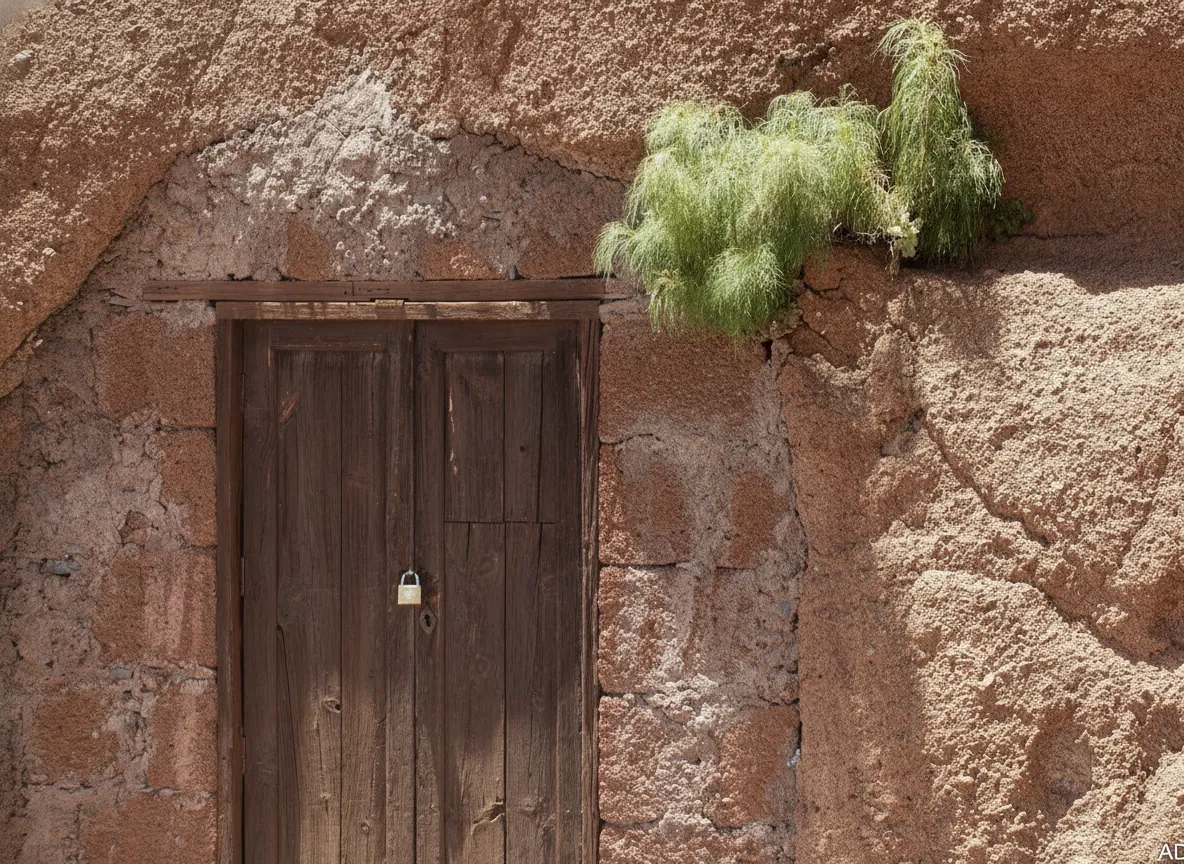
- Privacy: Do not enter private dwellings or peer into windows.
- Noise: Keep voices down to avoid disturbing residents.
- Photography: Always ask permission before photographing people. For dwellings, be discreet and respectful.
- Leave No Trace: Pack out everything you pack in. Do not litter.
- Stay on Marked Paths: This protects both the fragile environment and your safety.
A visit to Cuevas Bermejas is an unforgettable journey into the heart of Gran Canaria's ancient soul. It's a reminder of human adaptability, the enduring power of nature, and the quiet beauty of a life lived in harmony with the earth. If you're seeking a truly unique, off-the-beaten-path experience that will leave you with a profound sense of wonder, then the red caves are calling your name.
Essential Travel Information
- Location Cuevas Bermejas, Spain
- Best Time Spring (April-May) and Autumn (September-October) for pleasant hiking weather, avoiding summer heat.
- Getting There Best by rental car, followed by a moderate hike into the Barranco de las Cuevas Bermejas. Parking is limited near the trailhead; a good GPS and offline maps are recommended.
- Airport Gran Canaria Airport (LPA)
- Budget Budget/Mid-range (approx. €50-€100 per day, excluding car rental costs, as the main 'attraction' is free entry to the natural site)
- Language Spanish
Find Places to Stay Near Cuevas Bermejas
Compare hotels, hostels, and unique stays in Spain.
Search AccommodationTours & Experiences Near Cuevas Bermejas
Book guided tours, day trips, and unique experiences.
Browse Tours