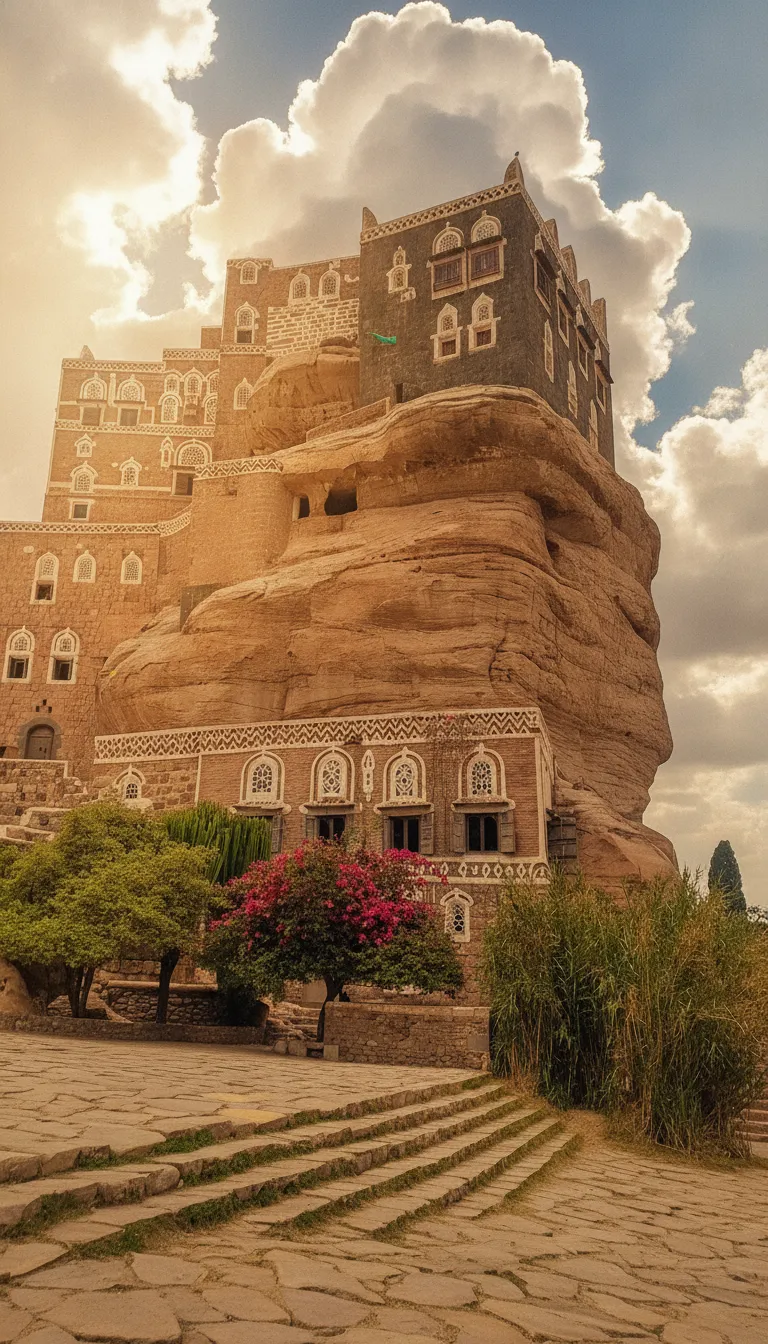
Imagine a majestic palace that seems to defy gravity, organically sprouting from a colossal rock pinnacle in the middle of a desert wadi. This isn't a scene from a fantasy novel or a CGI masterpiece; it's Dar al-Hajar, Yemen's legendary Rock Palace, a place so extraordinary it challenges our very understanding of architecture and natural harmony. Tucked away in the breathtaking Wadi Dhar, just a short drive from Sana'a, this isn't just a building; it's a living, breathing testament to human ingenuity, cultural resilience, and the sheer, unadulterated beauty of a land often misunderstood. If you've ever dreamt of discovering a truly unique wonder, a place that feels plucked from another era and seamlessly woven into the earth itself, then prepare to be captivated by the story of Dar al-Hajar.
For the intrepid traveler with a thirst for genuine discovery, Dar al-Hajar stands as a beacon of Yemen's profound historical and architectural legacy. It's a place that whispers tales of ancient civilizations and poetic craftsmanship, inviting you to step into a world where stone and spirit unite in an awe-inspiring embrace. While current circumstances present challenges for travel to Yemen, understanding and appreciating such wonders keeps their spirit alive, igniting hope for future explorations. Let's delve into what makes this Rock Palace an unparalleled marvel.
The Palace That Grew from the Earth: What Makes Dar al-Hajar So Special?
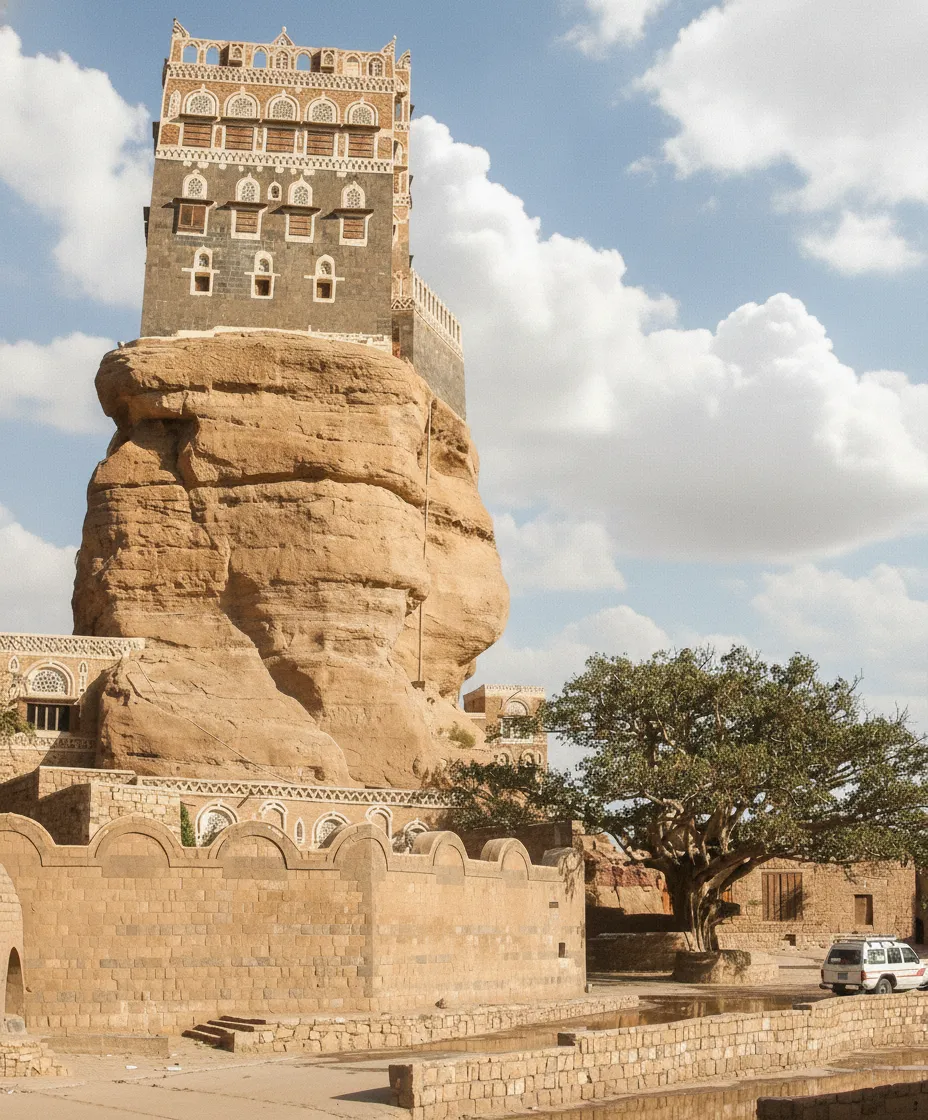
What truly sets Dar al-Hajar apart from any other architectural wonder is its almost symbiotic relationship with the colossal rock it inhabits. It doesn't just sit on the rock; it appears to be an extension of it, as if the very stone decided to blossom into a multi-storied palace. The architects and builders of Dar al-Hajar didn't merely construct a building; they sculpted a masterpiece that respects, enhances, and ultimately celebrates the raw power of its natural foundation.
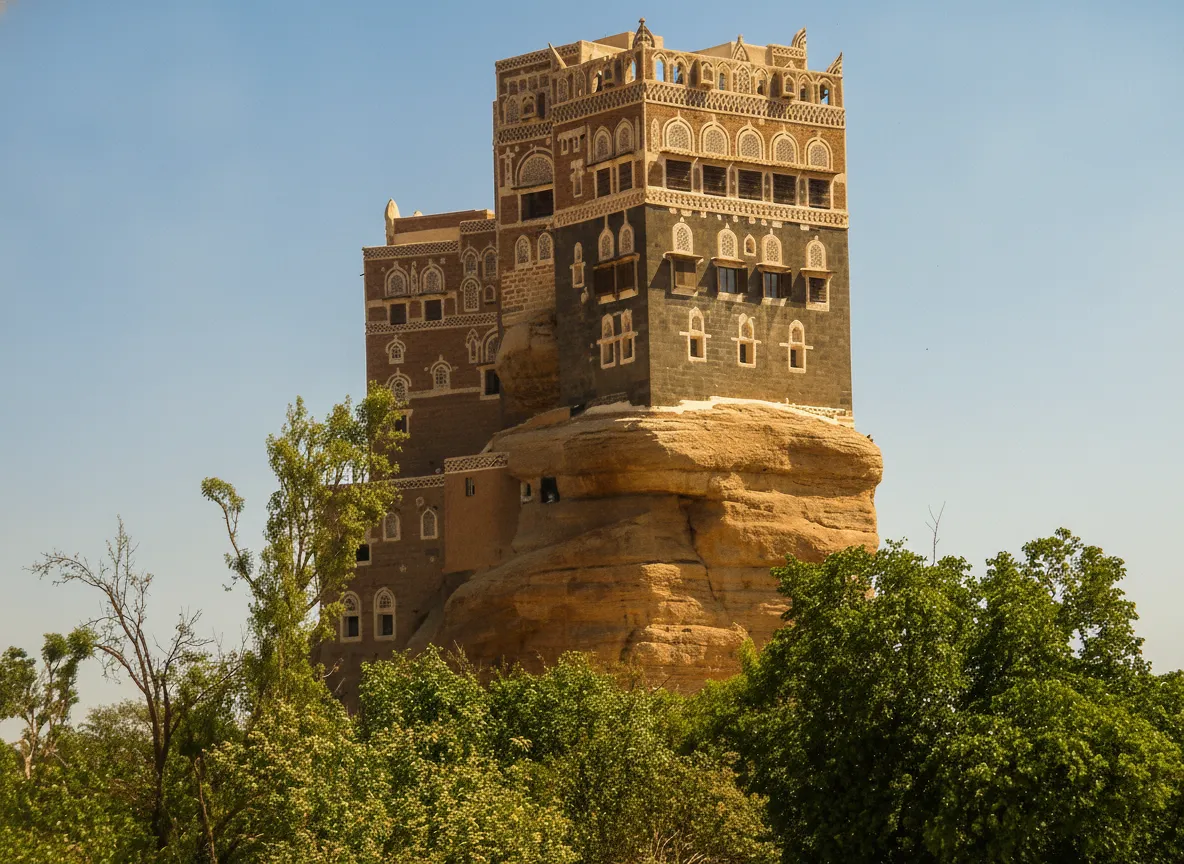
This magnificent 'Rock Palace' is a dazzling fusion of ingenious human design and geological grandeur. Its multiple stories are not merely stacked but seamlessly integrated into the natural contours of the pinnacle, creating a structure that is both elegant and otherworldly. From a distance, it looks like a fantastical fortress, an organic monolith carved by giants. Up close, you appreciate the intricate details, the precision of its construction, and the sheer audacity of its vision. It's a true emblem of Yemen's unique architectural heritage, showcasing the traditional building techniques and aesthetic sensibilities that have defined the region for centuries. The palace stands as a testament to a time when structures were built not just to house, but to inspire, to connect with the landscape, and to endure through the ages.
The distinctive Yemeni architectural style, characterized by its ornate windows, intricate geometric patterns, and the use of 'qadad' (a waterproof lime plaster), finds its zenith here. Every arch, every window, every painted detail tells a story of a rich cultural tapestry, making Dar al-Hajar not just a palace, but a living museum of Yemeni artistry. It’s a place that makes you pause, wonder, and perhaps even question what’s truly possible when human creativity aligns perfectly with nature’s grandeur.
A Glimpse into Royal Retreats: History and Background
The story of Dar al-Hajar as we see it today begins in the early 20th century. While the site itself has a much older history, with evidence suggesting ancient Himyarite structures once stood on the same strategic rock, the current magnificent palace was constructed in the 1930s. It was commissioned by Imam Yahya Muhammad Hamid ed-Din, the then ruler of Yemen, as his summer retreat. Imagine escaping the heat of Sana'a to this breezy, elevated sanctuary, a testament to his power, prestige, and appreciation for beauty.
Imam Yahya was a pivotal figure in Yemen's modern history, and his choice of this dramatic location for his personal retreat speaks volumes. The palace was designed to offer both security and serenity, a place where he could govern and relax amidst the stunning natural beauty of Wadi Dhar. The construction itself was a marvel of engineering for its time, employing local craftsmen who utilized traditional materials and techniques passed down through generations. They understood how to build in harmony with the challenging terrain, ensuring the palace would withstand the elements and stand as a symbol of Yemeni ingenuity.
The Rock Palace isn't just a royal residence; it's a symbol of Yemeni identity. Its image has graced postcards, currency, and travel guides, becoming an unofficial emblem of the nation's unique cultural landscape. Its existence reminds us of Yemen's rich past as a land of powerful kingdoms, sophisticated architecture, and a deep connection to its dramatic desert environment. To walk its halls is to step into the footsteps of history, feeling the echoes of a bygone era when imams and rulers sought solace and inspiration in places of unparalleled natural beauty.
Exploring the Inner Sanctum: What You'll See There
Approaching Dar al-Hajar is an experience in itself. As you draw closer, the sheer scale and intricate details of the palace emerge from the landscape. The exterior, with its multi-layered structure and distinctive white-painted edges contrasting with the natural rock, is a photographer's dream. But it's inside where the true magic of Yemeni craftsmanship unfolds.
The palace boasts several stories, each serving a different purpose, from reception halls to living quarters, kitchens, and storage rooms. As you ascend through its various levels, you'll discover a fascinating labyrinth of rooms and staircases, all thoughtfully designed to maximize comfort and utility within the constraints of the rock. The interior design is a masterclass in traditional Yemeni aesthetics. Look out for the stunning 'shamasiya' or fan-shaped windows, often adorned with vibrant stained glass, which cast kaleidoscopic light patterns across the rooms. These aren't just decorative; they're ingeniously designed to allow light and air to circulate while providing privacy and protection from the elements.
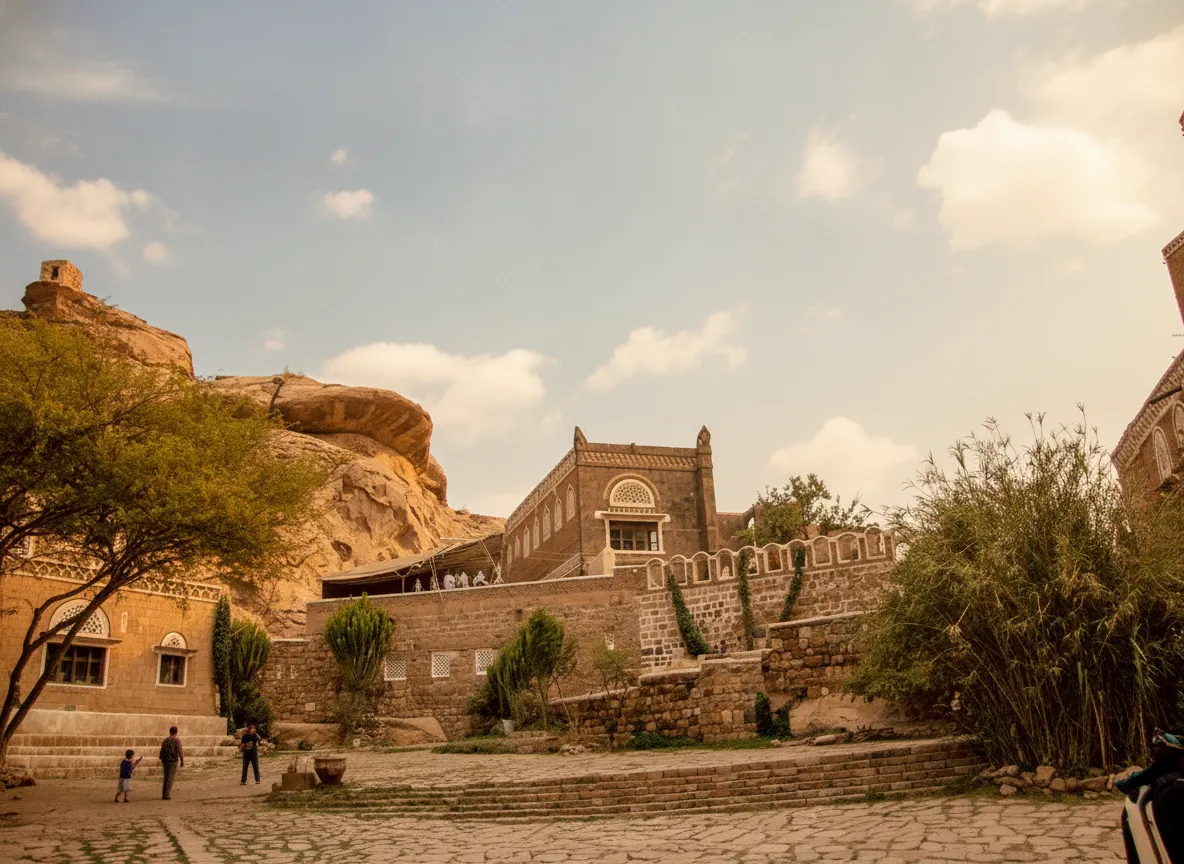
You'll also be captivated by the intricate 'qadad' plasterwork, a traditional waterproofing and decorative technique that gives the walls a smooth, polished finish. This ancient art form is not only beautiful but also incredibly durable, testifying to the skill of the Yemeni builders. From the upper terraces, the panoramic views of Wadi Dhar are simply breathtaking – a patchwork of fertile agricultural lands, ancient ruins, and dramatic desert mountains stretching into the distance. It’s a vista that truly captures the soul of Yemen.
Don't miss the ingenious water well, carved deep into the rock, providing a sustainable water source for the palace. This feature alone speaks volumes about the self-sufficiency and resourcefulness embedded in Yemeni architecture. Every nook and cranny of Dar al-Hajar tells a story, inviting you to imagine life within its unique walls, a life of quiet contemplation, royal duties, and profound connection to the land.
Planning Your Journey: Practical Visit Tips
While Dar al-Hajar remains an iconic destination, it's crucial to address the current travel situation. Due to ongoing conflict and instability, most national governments advise against all travel to Yemen. However, for those looking ahead to a time when peace and stability return, or for those considering highly specialized, authorized tours (which are extremely rare and carry significant risks even in better times), here are some practical tips to keep in mind:
Safety First: Always consult your country's latest travel advisories before planning any trip to Yemen. If conditions permit future travel, it would likely require extensive planning through specialized, security-vetted tour operators who have established local contacts and a proven track record. Independent travel is highly unadvisable.
Location: Dar al-Hajar is located in Wadi Dhar, approximately 15 kilometers northwest of Sana'a. In safer times, it's typically reached by taxi or as part of a guided tour from the capital.
Best Time to Visit: The cooler months, from October to April, are ideal for visiting Yemen. Temperatures are more moderate, making exploration much more comfortable. Summers can be intensely hot.
What to Bring: Comfortable walking shoes are a must, as you'll be navigating stairs and potentially uneven terrain. Sun protection (hat, sunscreen) and plenty of water are essential, especially during the day. A good camera is indispensable for capturing the palace's unique beauty.
Respect Local Customs: Yemen is a deeply conservative country. Dress modestly, covering shoulders and knees. Women should consider wearing a headscarf out of respect for local traditions. Always ask permission before photographing people.
Local Guides: When travel becomes feasible, hiring a knowledgeable local guide is highly recommended. They can provide invaluable historical insights, help navigate cultural nuances, and ensure a smoother, safer experience.
Dar al-Hajar is more than just a palace; it's a dream etched in stone, a testament to a civilization's enduring spirit. As we eagerly await the day when its doors can once again welcome visitors from around the globe, its image continues to inspire wonder, reminding us of the hidden treasures that await discovery in every corner of our incredible world.
Essential Travel Information
- Location Dar al-Hajar (The Rock Palace), Yemen
- Best Time October to April (cooler months)
- Getting There Typically by taxi or guided tour from Sana'a (when safe to travel)
- Airport Sana'a International Airport (SAH)
- Budget Mid-range/Luxury (due to specialized travel requirements when feasible)
- Language Arabic
Find Places to Stay Near Dar al-Hajar (The Rock Palace)
Compare hotels, hostels, and unique stays in Yemen.
Search AccommodationTours & Experiences Near Dar al-Hajar (The Rock Palace)
Book guided tours, day trips, and unique experiences.
Browse Tours