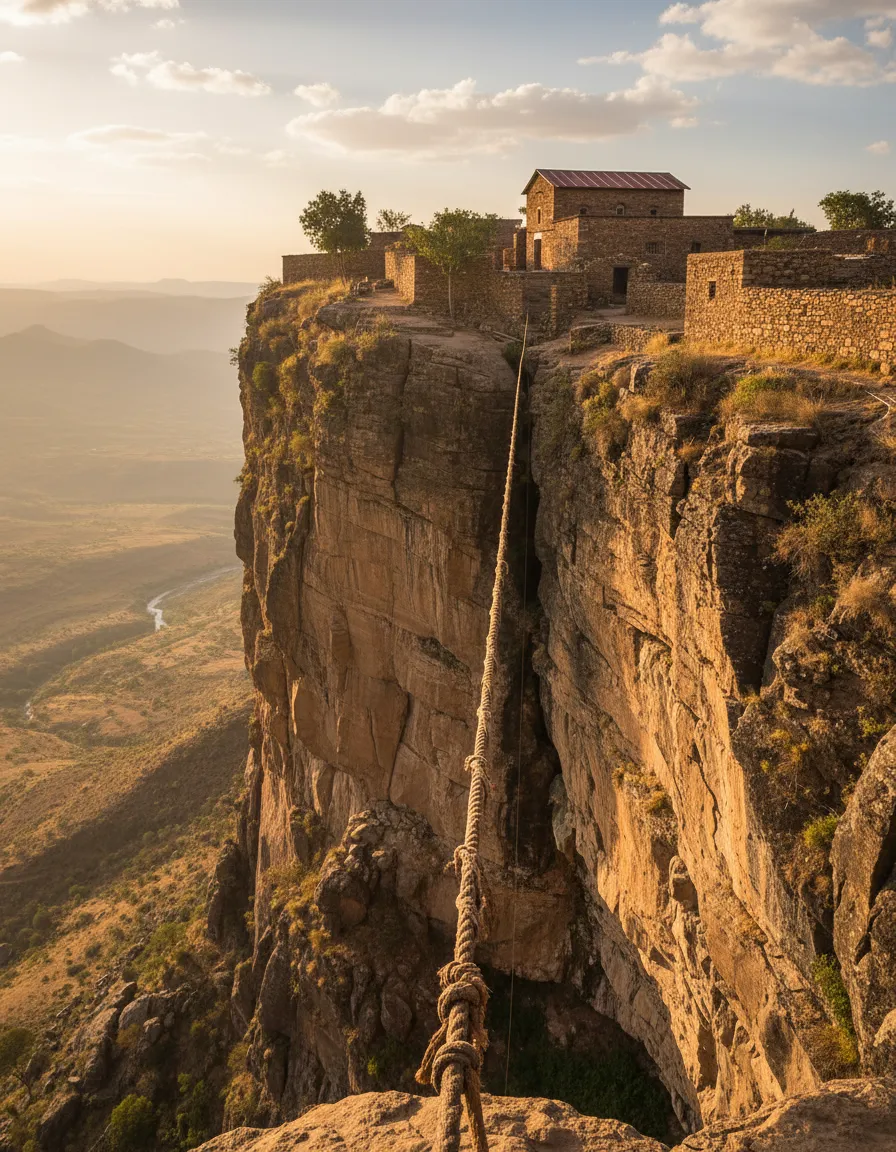
Imagine standing at the base of an imposing mesa, gazing up at a tiny, almost imperceptible opening in the rock face far above. This isn't a scene from an Indiana Jones movie; this is the gateway to one of Ethiopia's oldest and most revered monasteries. Debre Damo is more than just a destination; it's an immersive experience that begins long before you even set foot inside its ancient walls. The journey itself is a ritual, a profound act of commitment that separates the curious traveler from the truly devoted pilgrim.
Debre Damo: Where History Hangs by a Rope
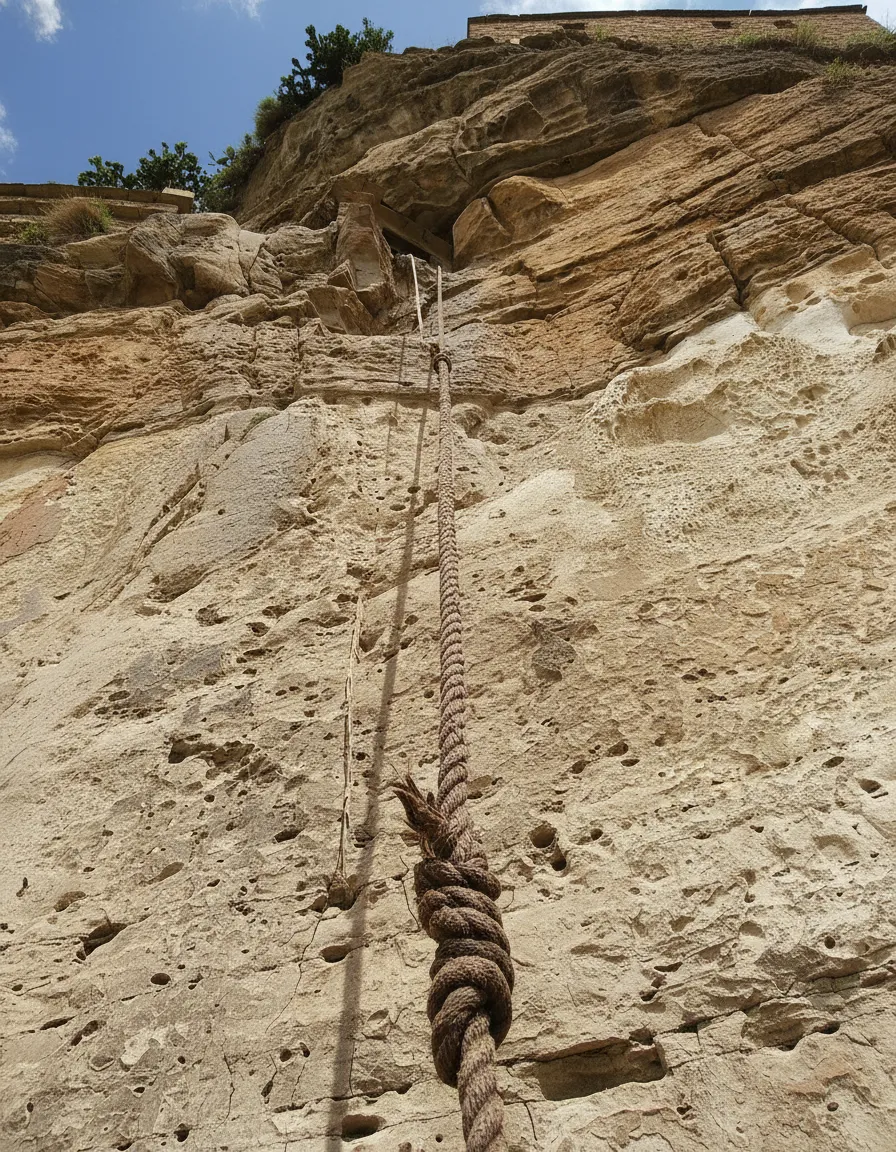
The defining feature of Debre Damo, without a doubt, is its extraordinary access. To reach the monastery, visitors must undertake a thrilling and somewhat daunting climb up a vertical rock face. This isn't a modern Via Ferrata; it's a raw, unfiltered ascent using a thick leather rope – a tradition that has remained unchanged for over a millennium. Local monks, with practiced ease, lower the rope to you, and with a mix of trepidation and excitement, you begin to pull yourself up, hand over hand, foot by foot. It's a test of strength, yes, but more so, a test of will and faith.
Legend has it that this very rope, or at least its predecessor, was blessed by the monastery's founder, Abune Aregawi, one of the Nine Saints who brought Christianity to Ethiopia in the 6th century. This belief imbues the climb with a sacred significance, transforming a physical challenge into a spiritual rite of passage. As you ascend, the world below shrinks, and a profound sense of detachment begins to settle in. The isolation of Debre Damo, preserved by this very inaccessibility, is what has shielded its treasures and traditions from the ravages of time and conflict, making it a living museum of Ethiopian Orthodox Christianity.
The "men-only" policy isn't a modern restriction but a deep-rooted tradition, believed to protect the sanctity of the monastery and its monastic life. While it means not everyone can experience the ascent firsthand, it adds to the mystique and exclusivity of Debre Damo, making the stories brought back by those who make the climb even more captivating. It's a pilgrimage that demands respect for its ancient customs, and in return, offers an unparalleled glimpse into a sacred past.
A Journey Through Time: The Ancient Roots of Debre Damo
Once you've made the exhilarating climb and catch your breath, you step into a world that feels suspended in time. Debre Damo's history stretches back to the 6th century, making it one of the oldest continually inhabited monasteries in the world. Its founder, Abune Aregawi, was one of the legendary Nine Saints who played a pivotal role in the evangelization of Ethiopia. These Syrian monks established numerous monasteries across the country, laying the foundations for the unique Ethiopian Orthodox Tewahedo Church.
The monastery's remote and fortified location was not accidental. It served as a refuge and a beacon of Christian faith during periods of political turmoil and external invasions. While many other ancient sites suffered destruction, Debre Damo remained largely untouched, thanks to its natural defenses. This isolation allowed its vibrant monastic community to flourish, preserving ancient rituals, scholarly traditions, and a wealth of artistic and literary treasures that would otherwise have been lost to history.
Walking through the compound, you can almost hear the whispers of centuries past. The structures, built in the distinctive Axumite style, showcase intricate wooden beams, carved stone, and a sense of enduring craftsmanship. It's a testament to the ingenuity and devotion of the monks who have dedicated their lives to this sacred space for over 1500 years. Debre Damo isn't just a collection of old buildings; it's a living, breathing testament to a faith that has shaped a nation.
Unveiling Sacred Treasures: What Awaits at the Summit
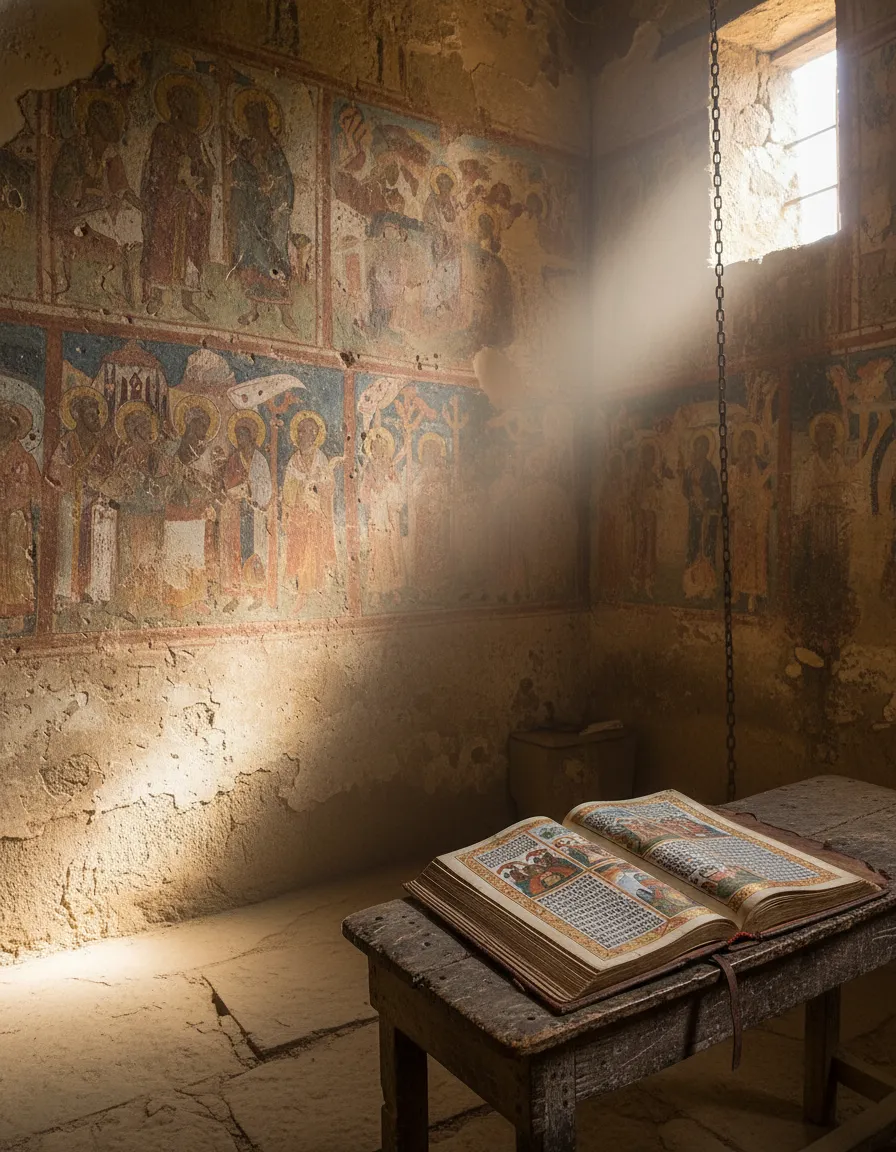
The main church, dedicated to Abune Aregawi, is the spiritual heart of Debre Damo. Step inside, and you'll be enveloped by an atmosphere of profound reverence. The interior is a marvel of ancient architecture and art. The intricately carved wooden ceiling and beams, some dating back to the 6th century, are a testament to the skill of early Ethiopian artisans. The low light illuminates vibrant frescoes adorning the walls, depicting scenes from the Bible, the lives of saints, and the history of the Ethiopian Church.
These frescoes, remarkably preserved despite their age, offer a rare glimpse into the artistic and religious sensibilities of a bygone era. Their vivid colors and detailed narratives tell stories that have inspired generations of monks and pilgrims. You’ll find depictions of Abune Aregawi himself, the Virgin Mary, and various apostles, all rendered in a unique Ethiopian style that blends Byzantine influences with local artistic traditions.
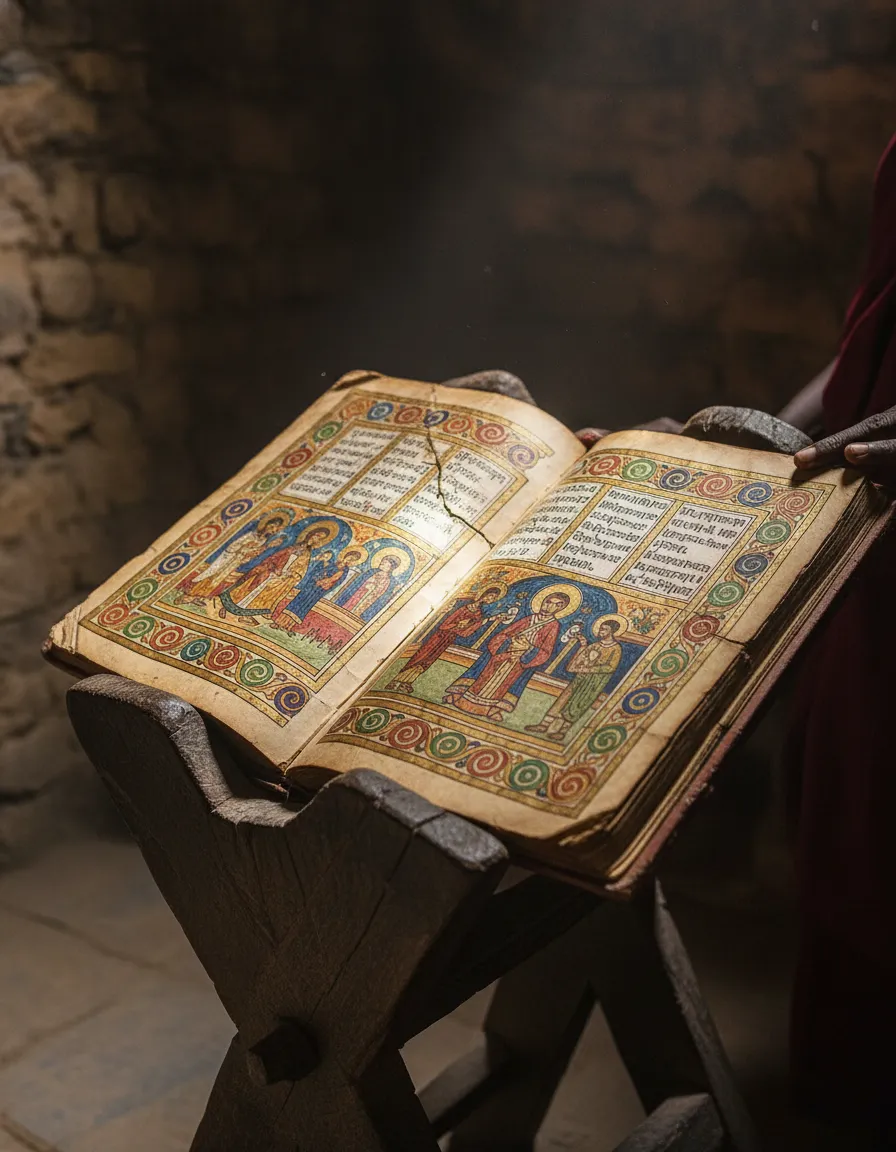
Beyond the visual splendor, Debre Damo is also a repository of priceless illuminated manuscripts. These ancient texts, meticulously hand-copied and illustrated by generations of monks, are among the most significant historical and religious documents in Ethiopia. While access to these sacred books is often restricted, the sheer knowledge that such treasures exist, carefully guarded within these ancient walls, is awe-inspiring. They represent a continuous lineage of scholarship and devotion that has kept the flame of learning alive for centuries.
From the monastery's elevated position, the panoramic views of the surrounding Tigray landscape are simply breathtaking. The rugged mountains, vast plains, and distant villages stretch out beneath you, offering a profound sense of peace and perspective. It's a reminder of the raw beauty of Ethiopia and the incredible places that lie hidden within its majestic terrain. After the strenuous climb, taking in these views is a well-deserved reward, allowing you to reflect on the extraordinary journey you’ve undertaken.
Your Ascent to Enlightenment: Practical Tips for Visiting Debre Damo
Visiting Debre Damo is an adventure that requires preparation and respect for local customs. Here’s what you need to know to make your pilgrimage as smooth and enriching as possible:
- The Climb: As mentioned, only men are permitted to make the ascent. A reasonable level of physical fitness is required, as you'll be pulling yourself up a 15-meter rope. Monks will assist you with a safety rope, but the primary effort comes from you.
- Getting There: Debre Damo is located in the Tigray Region, roughly 60-70 kilometers northeast of Axum. The best way to reach the base of the mountain is by hiring a 4x4 vehicle and a local driver/guide, typically from Axum or Adigrat. The road can be rough, adding to the sense of adventure.
- Guides: It’s highly recommended to hire a local guide. They can navigate the roads, assist with the climb, facilitate communication with the monks, and provide invaluable historical and cultural context.
- What to Wear: Dress modestly, covering shoulders and knees, out of respect for the sacred site. Sturdy, comfortable shoes are essential for the approach and the climb.
- What to Bring: Carry plenty of water, especially if visiting during warmer months. A small backpack for essentials is useful. While photography is generally allowed in certain areas, always ask for permission, especially inside the church.
- Best Time to Visit: The dry season (October to May) is ideal, as the roads are more accessible and the weather is more favorable for the climb. Avoid the heavy rainy season (June to September).
- Respectful Conduct: Maintain a quiet and respectful demeanor within the monastery. It is a living religious site, not just a tourist attraction. Small offerings to the monastery are customary and appreciated.
- Accommodation: There are no overnight facilities at Debre Damo. Most visitors stay in nearby towns like Axum or Adigrat, which offer a range of guesthouses and hotels.
A journey to Debre Damo is more than just a trip; it's an unforgettable odyssey into the heart of Ethiopia's spiritual and historical legacy. It's a place where ancient faith meets rugged adventure, leaving an indelible mark on all who are brave enough to make the climb. If you're seeking a travel experience that transcends the ordinary, a pilgrimage that challenges your body and enriches your soul, then Debre Damo awaits your ascent.
Essential Travel Information
- Location Debre Damo Monastery, Ethiopia
- Best Time October to May (dry season)
- Getting There Hire a 4x4 vehicle and local guide from Axum or Adigrat to reach the base of the mountain.
- Airport Axum Airport (AXU)
- Budget Mid-range (approx. $80-$150 USD per day, including transport and guide)
- Language Amharic, Tigrinya
Find Places to Stay Near Debre Damo Monastery
Compare hotels, hostels, and unique stays in Ethiopia.
Search AccommodationTours & Experiences Near Debre Damo Monastery
Book guided tours, day trips, and unique experiences.
Browse Tours