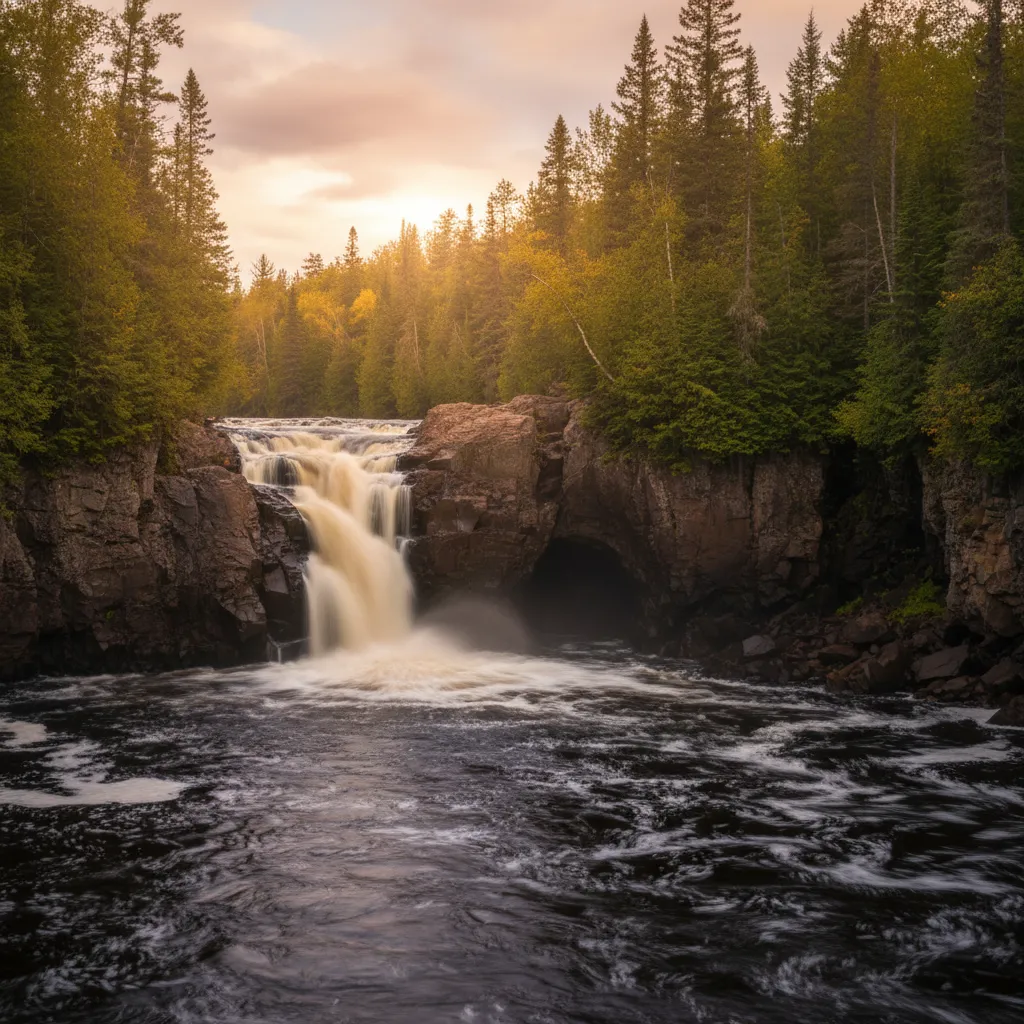
Imagine standing at the edge of a powerful river, watching it surge towards a dramatic waterfall. The water splits, one half gracefully plunging over the cliff face as expected, a magnificent cascade of spray and thunder. But then, your eyes follow the other half, and your jaw drops. It doesn't just disappear; it vanishes. Swallowed whole by a mysterious, gaping pothole in the rock, never to be seen again. No splash, no discernible reemergence, just an endless, perplexing void. Welcome, my friends, to the enigma that is Devil's Kettle, a place so baffling it defies geology and captivates every soul lucky enough to witness its impossible secret.
The Unending Mystery of the Vanishing River
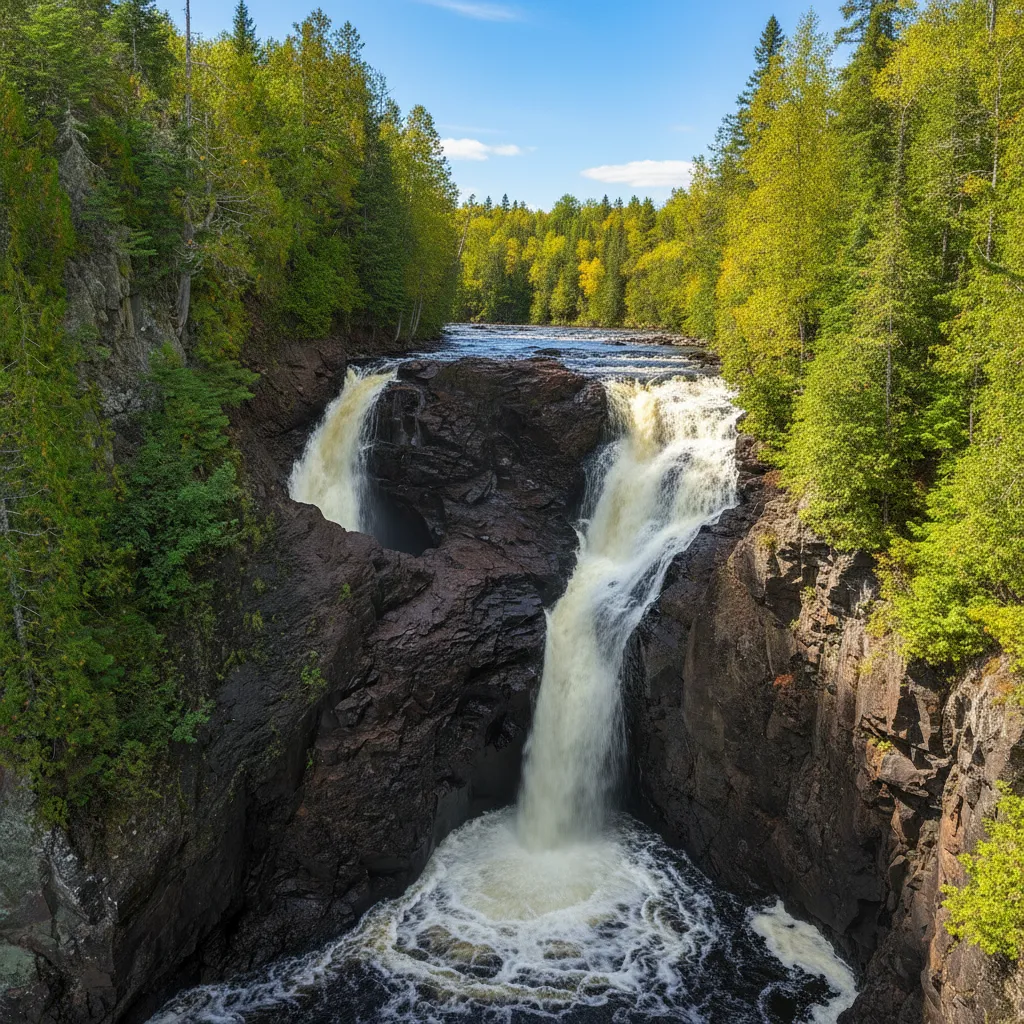
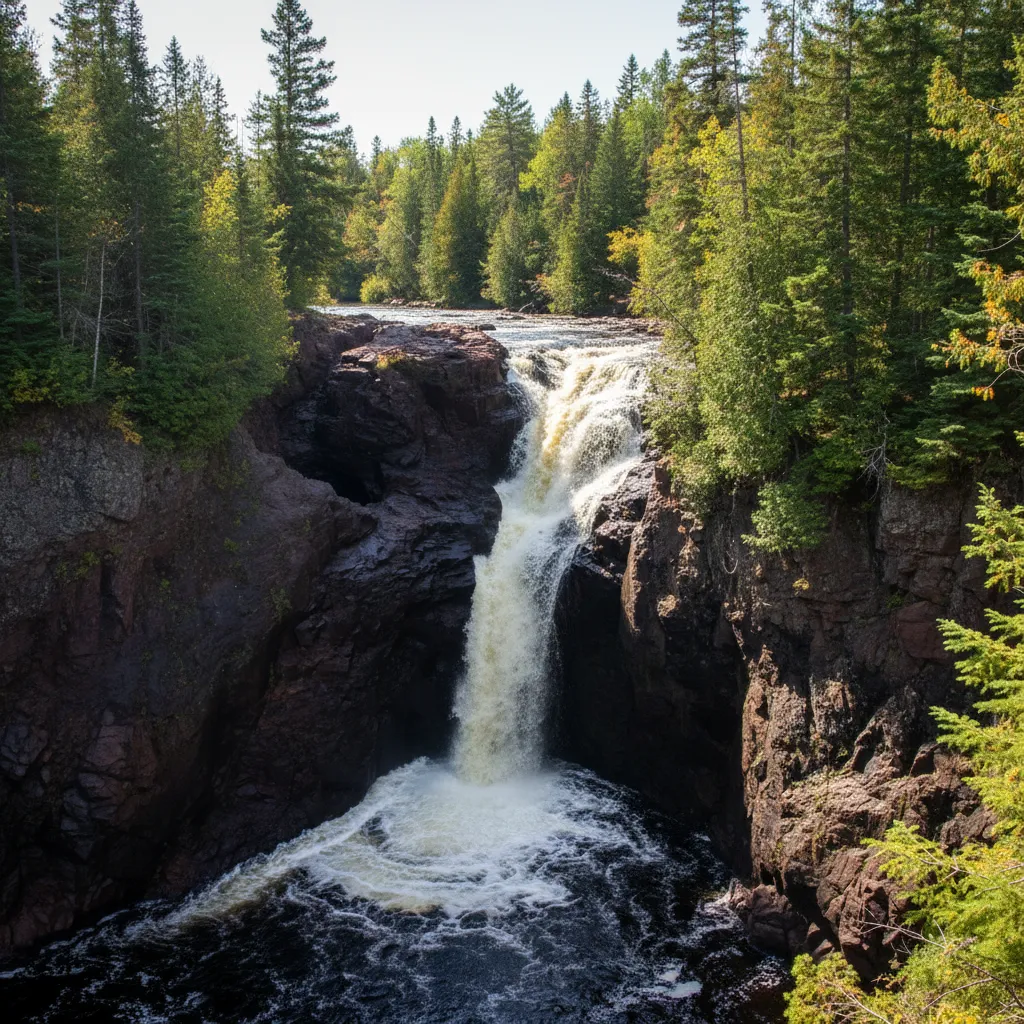
Deep within the rugged beauty of Minnesota’s North Shore, tucked away in Judge C.R. Magney State Park, lies one of the world's most enduring hydrological puzzles. The Brule River, a vibrant ribbon of water flowing towards the vast expanse of Lake Superior, encounters a dramatic basalt formation. Here, just before a spectacular 50-foot waterfall, the river performs its perplexing trick. It forks. One channel, as rivers are wont to do, tumbles dramatically over the cliff, continuing its journey as part of the majestic cascade. The other, however, takes a detour into an enormous, cavernous pothole, an abyss known as the Devil's Kettle.
And that’s where the story gets truly bizarre. The water that rushes into the Devil's Kettle simply… disappears. For decades, geologists, hydrologists, and curious adventurers have tried to unravel this riddle. Scientists have poured bright dyes into the pothole, hoping to spot a tell-tale colorful plume downstream or even offshore in Lake Superior. Locals have tossed ping-pong balls, logs, and even GPS-equipped tracking devices into its maw. Yet, despite every ingenious attempt, no one has ever definitively found where the water reemerges. It’s as if the Earth itself has a secret passage, a hidden plumbing system that swallows half a river without a trace, making Devil's Kettle a truly unique and utterly baffling natural wonder.
A Glimpse into its History and Geological Formation
The story of Devil's Kettle isn't one of ancient civilizations or forgotten empires, but rather a tale etched in the very rock of our planet. The dramatic landscape of Minnesota's North Shore, including the formations at Judge C.R. Magney State Park, is a testament to immense geological forces. Millions of years ago, this region was a hotbed of volcanic activity, with massive basalt lava flows shaping the land. As these molten rocks cooled and cracked, they laid the foundation for the dramatic cliffs and riverbeds we see today.
Over eons, the relentless power of water and glacial ice carved out the distinctive features of the Brule River valley. The potholes themselves are formed by a process called "pothole drilling" or "evorsion," where swirling water laden with abrasive sediments (like pebbles and sand) grinds out circular depressions in the bedrock. What makes Devil's Kettle unique isn't just the pothole, but its precise location and the baffling disappearance of the water. Geologists theorize that the water must be flowing into a complex underground cave system or lava tube within the basalt, eventually rejoining the main river or Lake Superior beneath the surface. However, the exact route and exit point remain stubbornly hidden, adding to the allure that has drawn visitors for generations. The park itself was established in 1957, inviting the public to explore its rugged beauty and, of course, ponder its most famous mystery.
What You'll See and Experience on the Trail
Visiting Devil's Kettle is more than just seeing a geological anomaly; it’s an immersive experience that builds anticipation with every step. The adventure begins with a scenic hike within Judge C.R. Magney State Park. The trail itself is a journey through pristine Northwoods wilderness, offering glimpses of towering pines, lush undergrowth, and the soothing sounds of the Brule River flowing alongside. It’s a moderate hike, roughly two miles round trip, involving some stairs – over 200 of them, in fact – that lead you down into the river gorge. But trust me, every single step is worth it.
As you descend, the roar of the waterfall grows louder, building a sense of excitement. Finally, you reach the viewing platform, and the spectacle unfolds before you. To your left, the magnificent Brule River plunges over the cliff, a torrent of white water crashing into the pool below. It's a powerful and beautiful sight. Then, your gaze shifts to the right, and there it is: the Devil's Kettle. You'll see the river splitting, half of it veering sharply into that gaping, dark maw. There's no splash, no visible churn of water reemerging. Just a steady, silent flow into the unknown. It’s a truly mesmerizing and slightly eerie sight, leaving you with an undeniable sense of wonder and a million questions. The air itself feels charged with the mystery.
Unraveling the Theories (and Why They Fall Short)
The enduring mystery of Devil's Kettle isn't for lack of effort. Geologists have proposed several theories, each attempting to explain the seemingly impossible. The most widely accepted hypothesis suggests that the water enters a massive underground cave system, possibly a lava tube formed during ancient volcanic activity. These tubes can extend for miles, and it’s plausible that the water flows through one, eventually merging with the Brule River further downstream, or even directly into Lake Superior, beneath the surface. Another theory posits a large siphon system, where the water is pulled through a series of interconnected cracks and fissures.
However, the frustrating part is the absolute lack of a definitive exit point. The fact that no dye, no ping-pong ball, no log has ever been definitively recovered makes Devil's Kettle unique. Usually, with such geological features, there's an observable reemergence, even if it's some distance away. Here, the water simply seems to vanish into oblivion. The underlying basalt rock is incredibly hard, making it difficult for water to erode new pathways quickly, yet it’s riddled with ancient cracks and fault lines. It's this combination of powerful flow, hard rock, and deep, unyielding secrecy that elevates Devil's Kettle from a mere geological curiosity to a true natural wonder, a place where the Earth holds its secrets close.
Planning Your Expedition: Practical Tips for Visiting Devil's Kettle
Ready to witness this natural wonder for yourself? Here's what you need to know to plan your unforgettable trip to Devil's Kettle:
- Location: Devil's Kettle is located within Judge C.R. Magney State Park, approximately 14 miles northeast of Grand Marais, Minnesota, along the scenic Highway 61 (the North Shore Scenic Drive).
- Best Time to Visit: The park is open year-round, but each season offers a different experience. Spring (late April to May) sees the highest water flow, making the falls particularly powerful. Summer (June to August) offers pleasant hiking weather. Fall (September to October) is breathtaking, with vibrant foliage transforming the landscape into a riot of color. Winter offers a serene, snow-covered experience, but trails can be icy.
- What to Bring: Wear sturdy hiking shoes with good grip, as the trail can be uneven and the stairs are numerous. Bring plenty of water, especially on warmer days. A camera is a must to capture the beauty and mystery. Dress in layers, as weather on the North Shore can change quickly.
- Accessibility: The hike to Devil's Kettle is considered moderate. It involves a significant number of stairs (over 200) to descend into the gorge and then ascend back out. While not overly strenuous for most, it may be challenging for individuals with mobility issues.
- Park Pass: A Minnesota State Park vehicle permit is required for entry. You can purchase one at the park office or self-pay station.
- Safety First: The river and rocks can be slippery. Stay on marked trails and viewing platforms. Do not attempt to climb on the rocks near the falls or the kettle, as the currents are incredibly powerful and dangerous. Appreciate the mystery from a safe distance.
- Nearby Attractions: Make a trip out of it! The North Shore of Lake Superior offers endless beauty. Explore the charming artist town of Grand Marais, hike other state parks like Cascade River or Temperance River, or simply enjoy the stunning views of Lake Superior.
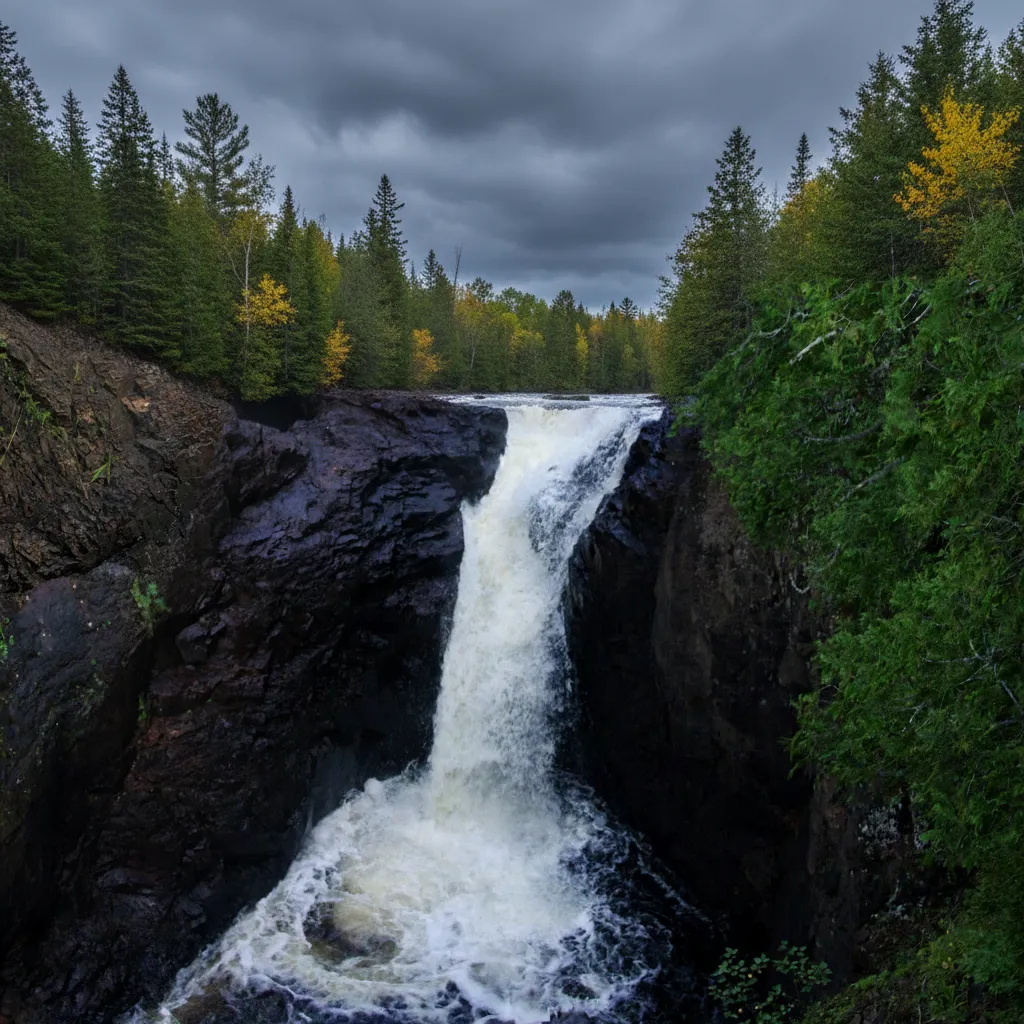
Devil's Kettle stands as a testament to the Earth's enduring capacity for mystery. It's a place where the rules of nature seem to bend, where a powerful river simply vanishes, inviting us to ponder the unseen forces at play beneath our feet. Visiting this hidden gem isn't just about seeing a waterfall; it's about experiencing a geological enigma, a captivating puzzle that continues to baffle and inspire. So, pack your bags, lace up your hiking boots, and prepare to be utterly captivated by the vanishing waters of Devil's Kettle. Who knows, perhaps you'll be the one to finally crack its age-old secret.
Essential Travel Information
- Location Devil's Kettle, United States
- Best Time Spring (high water flow) and Fall (vibrant foliage)
- Getting There Located in Judge C.R. Magney State Park, 14 miles northeast of Grand Marais, MN, along Highway 61.
- Airport Duluth International Airport (DLH)
- Budget Mid-range (approx. $100-200/day including lodging, food, park fees)
- Language English
Find Places to Stay Near Devil's Kettle
Compare hotels, hostels, and unique stays in United States.
Search AccommodationTours & Experiences Near Devil's Kettle
Book guided tours, day trips, and unique experiences.
Browse Tours