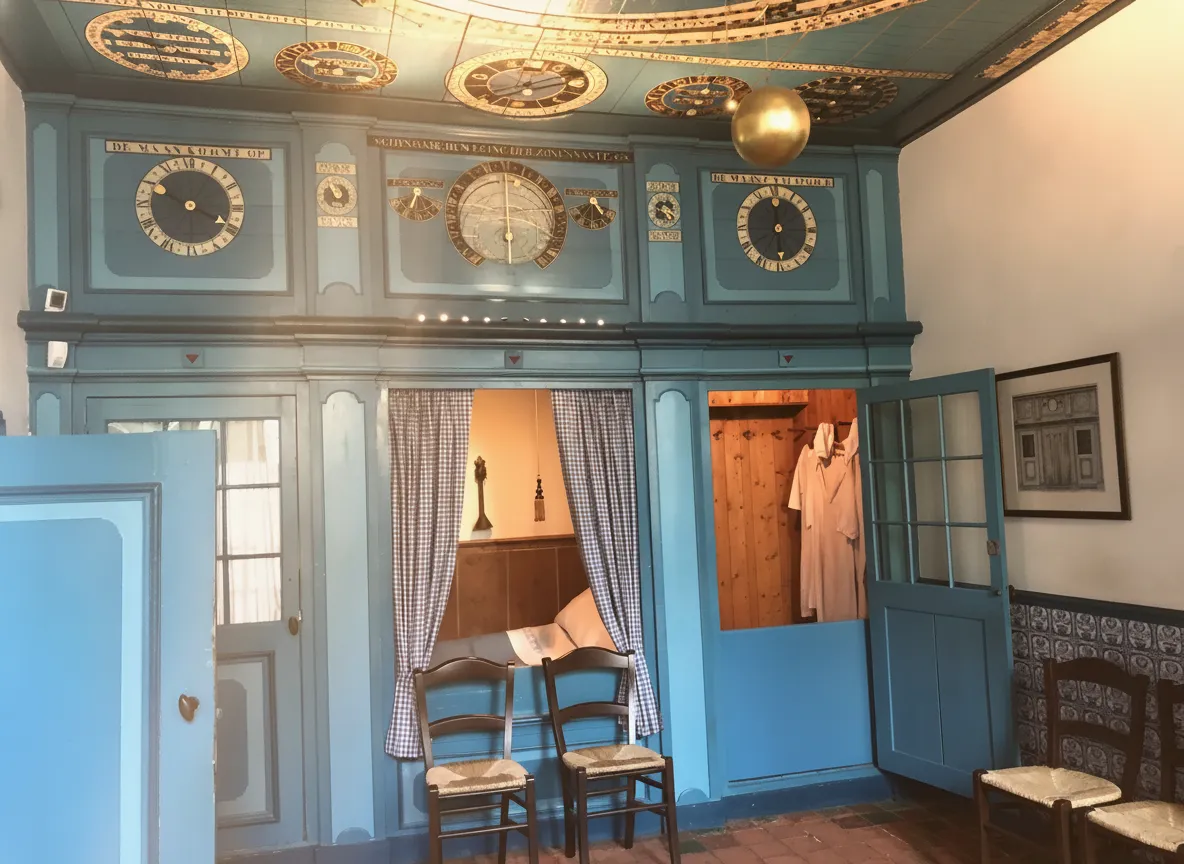
Imagine stumbling upon a secret. Not a hidden treasure chest, but an entire universe, meticulously crafted and keeping perfect time, tucked away inside an unassuming 18th-century living room. This isn't the stuff of fantasy, but the breathtaking reality awaiting you in the quaint Dutch town of Franeker, Friesland. Here, within the walls of a humble canal house, lies one of the most astonishing feats of pre-industrial engineering: the Eise Eisinga Planetarium. It's a place where the cosmos meets domesticity, where the genius of a self-taught wool carder brought the solar system to life on his own ceiling, and where time, both earthly and celestial, continues its silent, intricate dance to this very day.
A Cosmos in the Living Room: What Makes it Special
The Eise Eisinga Planetarium isn't just a museum piece; it's a living, breathing testament to human ingenuity. Constructed between 1774 and 1781 by the brilliant amateur astronomer Eise Eisinga, this jaw-dropping orrery is the world's oldest continually working planetarium. What makes it truly extraordinary is its location – not in a grand observatory or a royal palace, but in the former living room of a modest citizen. Imagine a time before industrial machinery, before widespread scientific instruments, when a man, driven by curiosity and a desire to educate, built an accurate, clockwork model of the solar system using only rudimentary tools and an astonishing depth of understanding.
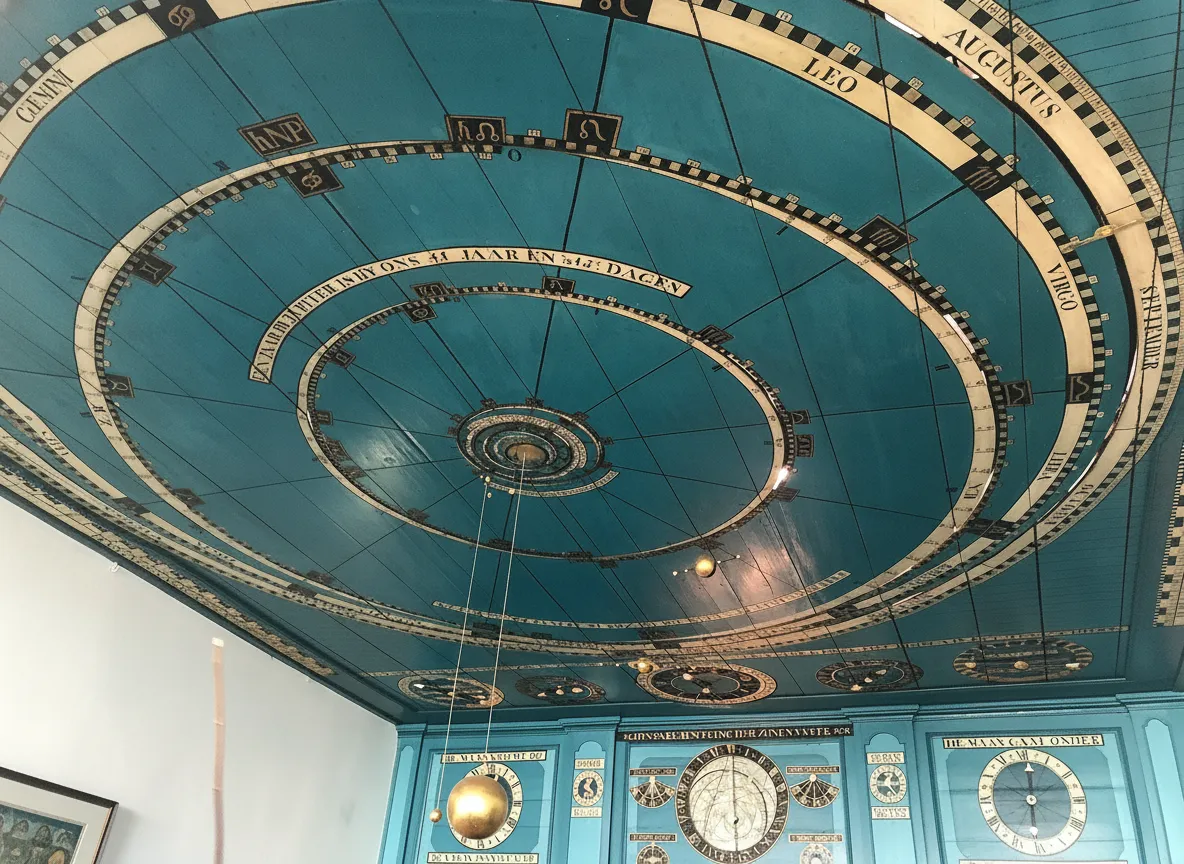
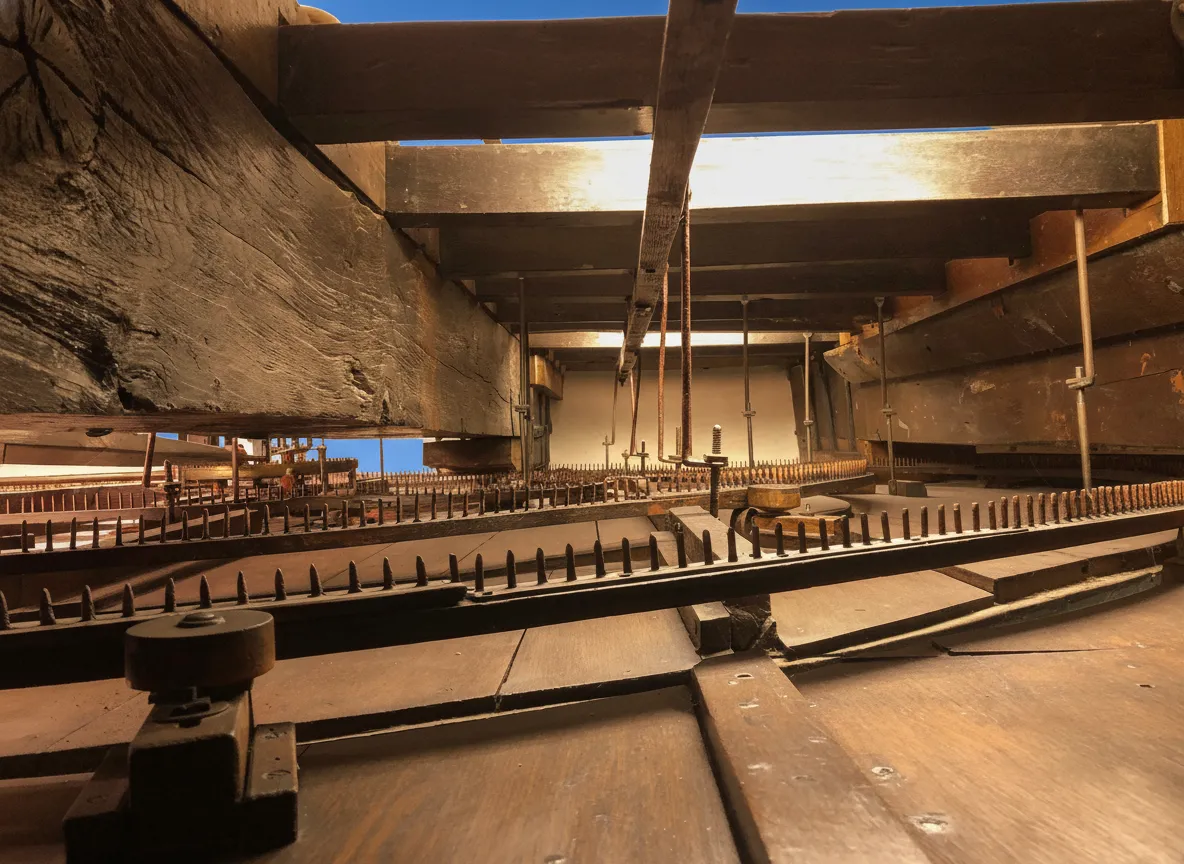
This isn't merely a static display; it's a dynamic, intricate machine that faithfully depicts the positions and movements of the planets, down to the last planetary rotation. Powered by a complex system of weights and pendulums, its wooden gears and metal rods silently track the celestial ballet above, a dance that has continued uninterrupted for nearly 250 years. It’s a mind-boggling achievement that predates much of modern horology and astronomy, showcasing an unparalleled blend of craftsmanship, mathematical precision, and an insatiable intellectual drive. To stand beneath this magnificent creation is to feel a profound connection to the past, to the dawn of scientific curiosity, and to the boundless potential of the human mind.
Eise Eisinga's Vision: A Story of Ingenuity and Curiosity
The story behind the planetarium is as compelling as the creation itself. Eise Eisinga was born in 1744, the son of a wool carder in Dronrijp, Friesland. Despite his humble origins and lack of formal higher education, Eisinga possessed an extraordinary intellect and a deep passion for mathematics and astronomy. He was a self-taught genius, absorbing knowledge from books and dedicating himself to understanding the mechanics of the universe.
His motivation for building the planetarium was sparked by a widespread panic in 1774. A pamphlet predicted that a conjunction of Jupiter, Mars, Venus, and the Moon would cause these celestial bodies to collide, potentially ripping the Earth from its orbit. Eisinga, armed with his astronomical knowledge, knew this was unfounded fear-mongering. To prove that the universe operated on predictable, harmonious laws, and to educate his fellow citizens about the true movements of the planets, he embarked on his ambitious project. For seven years, he meticulously constructed his orrery in his living room, transforming his home into a personal observatory.
Every gear, every pendulum, every planetary sphere was crafted by Eisinga's own hands. He calculated the orbits, designed the complex clockwork mechanisms, and integrated them seamlessly into the ceiling of his modest house. The result was not just a scientific instrument but a work of art, a functional model of the cosmos that served as both an educational tool and a source of immense wonder. His dedication, perseverance, and sheer brilliance in bringing this vision to life from scratch, in an era without modern technology, truly sets him apart as one of history's unsung scientific heroes.
Stepping into the Celestial Machine: What You'll See and Experience
A visit to the Eise Eisinga Planetarium is an immersive journey into both astronomical wonder and 18th-century Dutch life. As you step through the unassuming entrance of the canal house, you are transported back in time. The main attraction, of course, is Eisinga's living room. Your gaze will immediately be drawn upwards to the ceiling, where the breathtaking orrery unfolds above you. The planets, represented by spheres of varying sizes, slowly traverse their orbits, driven by the unseen clockwork above. You’ll see the Earth rotating, the Moon orbiting the Earth, and all the known planets of Eisinga's time (up to Saturn) moving in perfect synchronicity.
Guides often provide fascinating explanations, detailing the mechanics, Eisinga's calculations, and the historical context. You might even get a glimpse into the attic above, where the intricate system of wooden gears, weights, and pendulums that power the entire mechanism is visible. It's a marvel of engineering, a tangle of ropes and pulleys that quietly drives the celestial dance below. Beyond the main room, the museum extends into other parts of the house, offering insights into Eisinga's life, his other inventions, and the scientific understanding of his era. You'll find historical instruments, documents, and interactive displays that further illuminate the genius of the man and the period. It's a truly humbling experience to witness such a grand scientific achievement born from such a humble setting.
Planning Your Journey to the Stars: Practical Visit Tips
Visiting the Eise Eisinga Planetarium is more than just a museum trip; it's an adventure into a unique corner of history and science. Here's how to make the most of your visit:
Location: The planetarium is located in the charming town of Franeker, in the province of Friesland, Netherlands. Franeker itself is a picturesque town with lovely canals, historic buildings, and a relaxed atmosphere, perfect for a leisurely stroll.
Getting There: Franeker is easily accessible by train from Leeuwarden, the capital of Friesland, which in turn has direct connections to major Dutch cities like Amsterdam. If you're driving, it's about a 1.5 to 2-hour drive from Amsterdam. The journey through the Frisian countryside is beautiful in itself.
Best Time to Visit: The Netherlands is lovely from late spring to early autumn (May to September), when the weather is mild and the days are long. Visiting during the week can help avoid larger crowds. Franeker is also less touristy than some other Dutch towns, offering a more authentic experience.
Tickets and Information: Always check the official Eise Eisinga Planetarium website for current opening hours, ticket prices, and any special exhibitions or events. It's often advisable to book tickets online in advance, especially during peak season, to ensure your entry.
What Else to Do: While in Franeker, explore its historic center, visit the Martenastins (a medieval fortified house), and enjoy a traditional Frisian meal at one of the local restaurants. Friesland offers plenty of other attractions, from the Wadden Sea UNESCO World Heritage site to charming villages and lakes, making it a great region to explore for a few days.
Accessibility: The historic nature of the building means some areas might have limited accessibility for those with mobility issues. It's best to check with the museum directly if you have specific concerns.
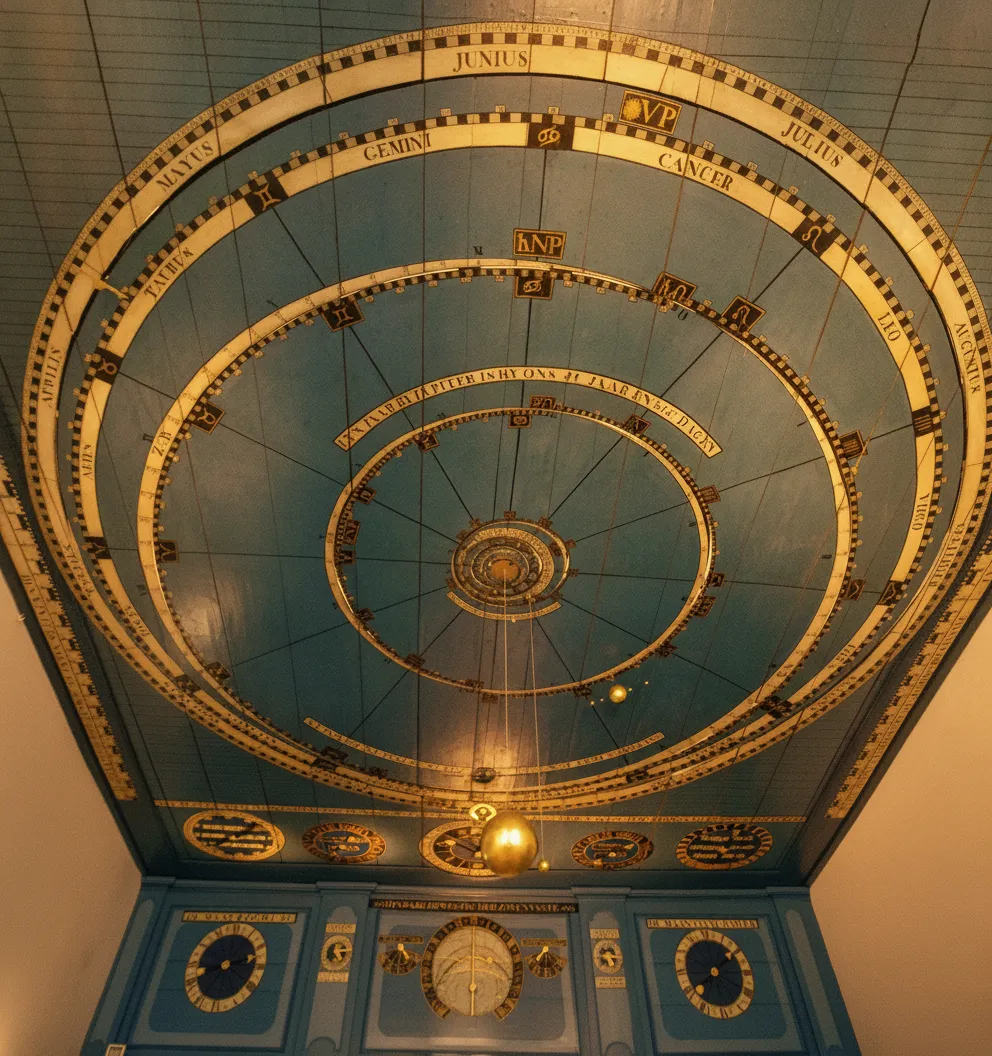
The Eise Eisinga Planetarium is more than just an old clockwork model; it's a profound reminder of human curiosity, the power of self-education, and the timeless allure of the cosmos. It’s a hidden gem that deserves to be on every discerning traveler's list, a place where you can touch history, witness scientific genius, and feel the quiet wonder of a universe meticulously contained within a single, extraordinary room. Don't just read about it; go and experience this living piece of history for yourself. You won't regret stepping into Eisinga's celestial masterpiece.
Essential Travel Information
- Location Eise Eisinga Planetarium, Netherlands
- Best Time Late spring to early autumn (May to September)
- Getting There Accessible by train to Franeker (via Leeuwarden) or by car from major Dutch cities.
- Airport Amsterdam Airport Schiphol (AMS)
- Budget Mid-range (approx. €80-150/day including accommodation, food, and museum entry)
- Language Dutch, English widely spoken
Find Places to Stay Near Eise Eisinga Planetarium
Compare hotels, hostels, and unique stays in Netherlands.
Search AccommodationTours & Experiences Near Eise Eisinga Planetarium
Book guided tours, day trips, and unique experiences.
Browse Tours