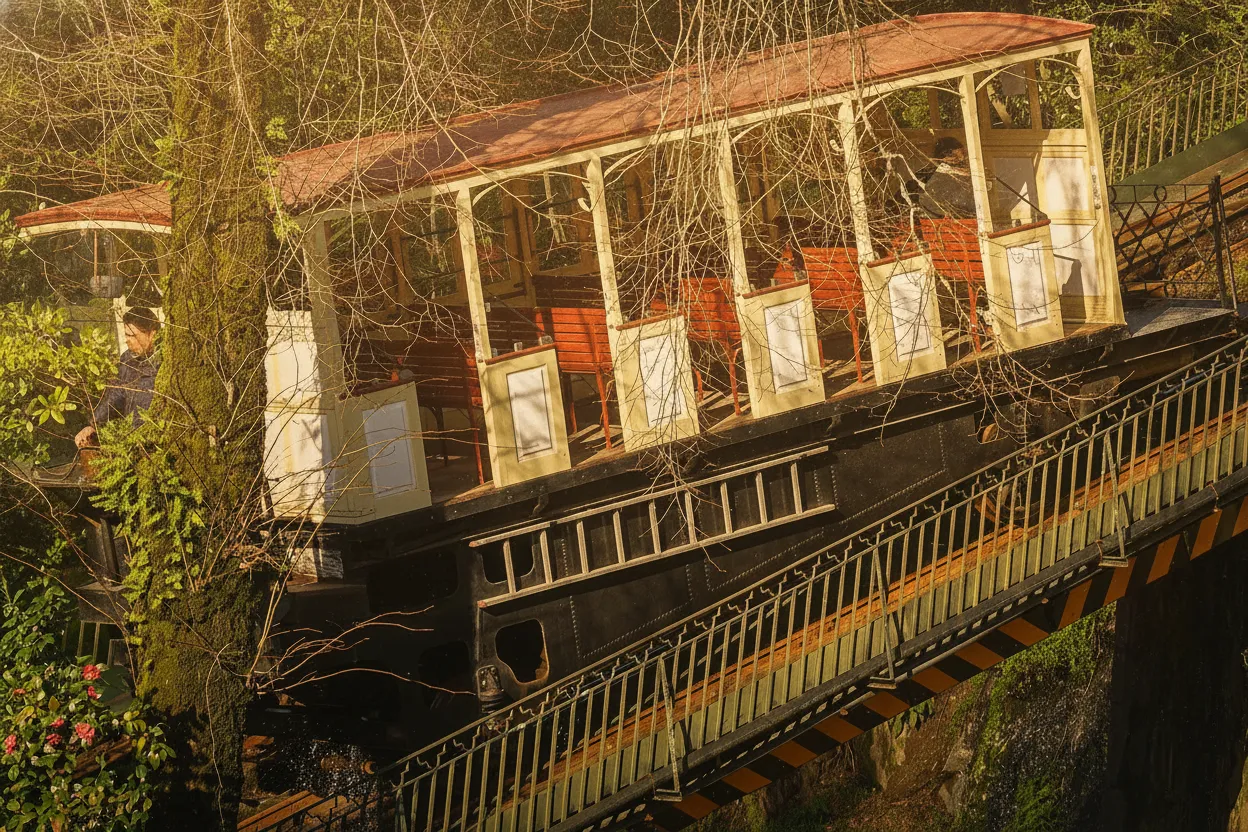
Imagine ascending a lush Portuguese hillside in a silently gliding antique elevator, powered entirely by water. No electricity, no noisy engines, just the ingenious physics of gravity and counterweight, a system that’s been running flawlessly for over 140 years. This isn't a scene from a steampunk novel; it's the very real, utterly captivating experience of riding the Elevador do Bom Jesus do Monte in Braga, Portugal. Often overshadowed by flashier attractions, this hidden gem offers a journey steeped in history, sustainable engineering, and breathtaking views, making it a must-visit for any discerning traveler.
Nestled amidst the verdant landscapes of northern Portugal, the Elevador do Bom Jesus do Monte isn't just a mode of transport; it's a living, breathing testament to human ingenuity. As you step into one of its charming wooden cabins, you're not just going up a hill; you're stepping back in time, embarking on an ascent that feels both grand and intimately personal. It's the kind of discovery that makes travel so rewarding – finding an unexpected marvel that whispers tales of a bygone era, yet continues to serve with quiet dignity today.
What Makes This Engineering Marvel So Special?
At its heart, the Elevador do Bom Jesus do Monte is a marvel of sustainable engineering, a concept that feels incredibly modern yet was perfected here in 1882. This isn't just *any* old funicular; it's the oldest funicular in the world powered by a water counterweight system, and it's been in continuous daily use ever since. Think about that for a moment: over a century and a half of daily operation, without relying on electricity, in an era when most of the world was still dreaming of such innovations.
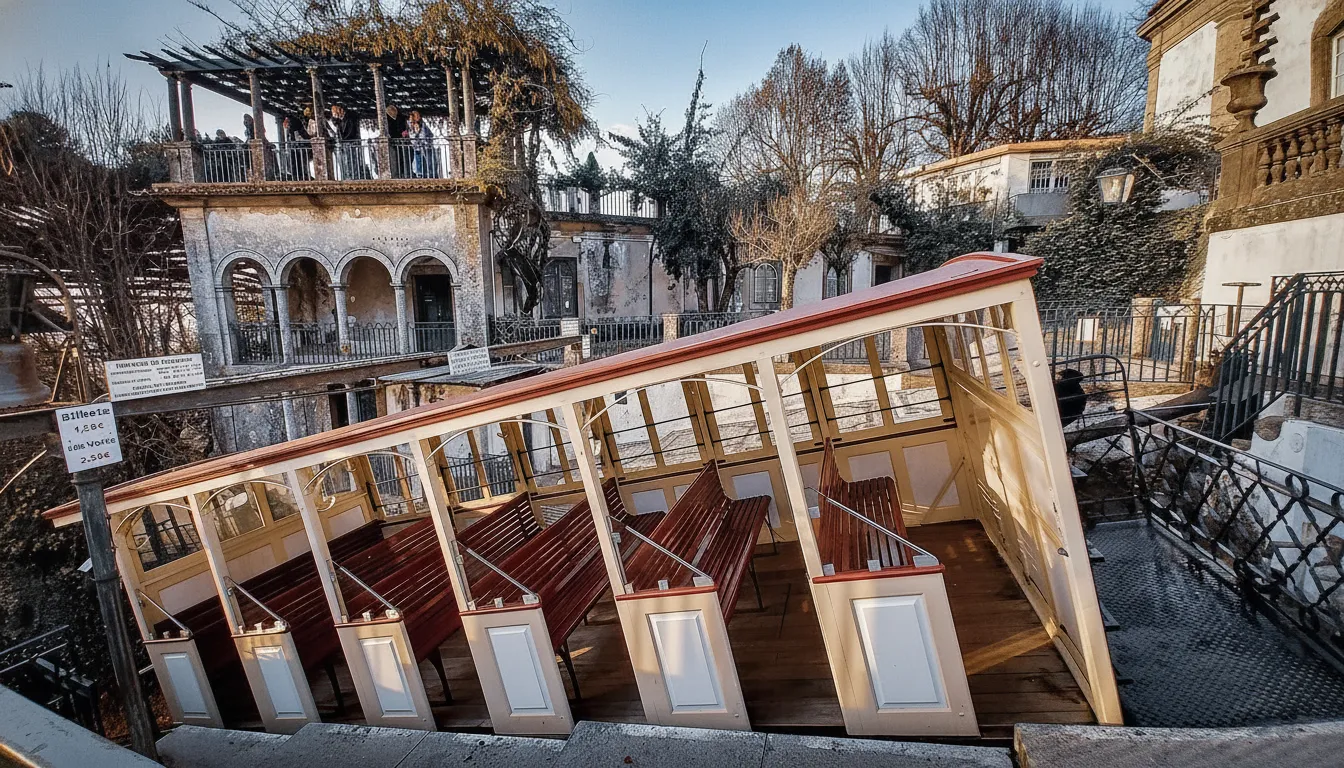
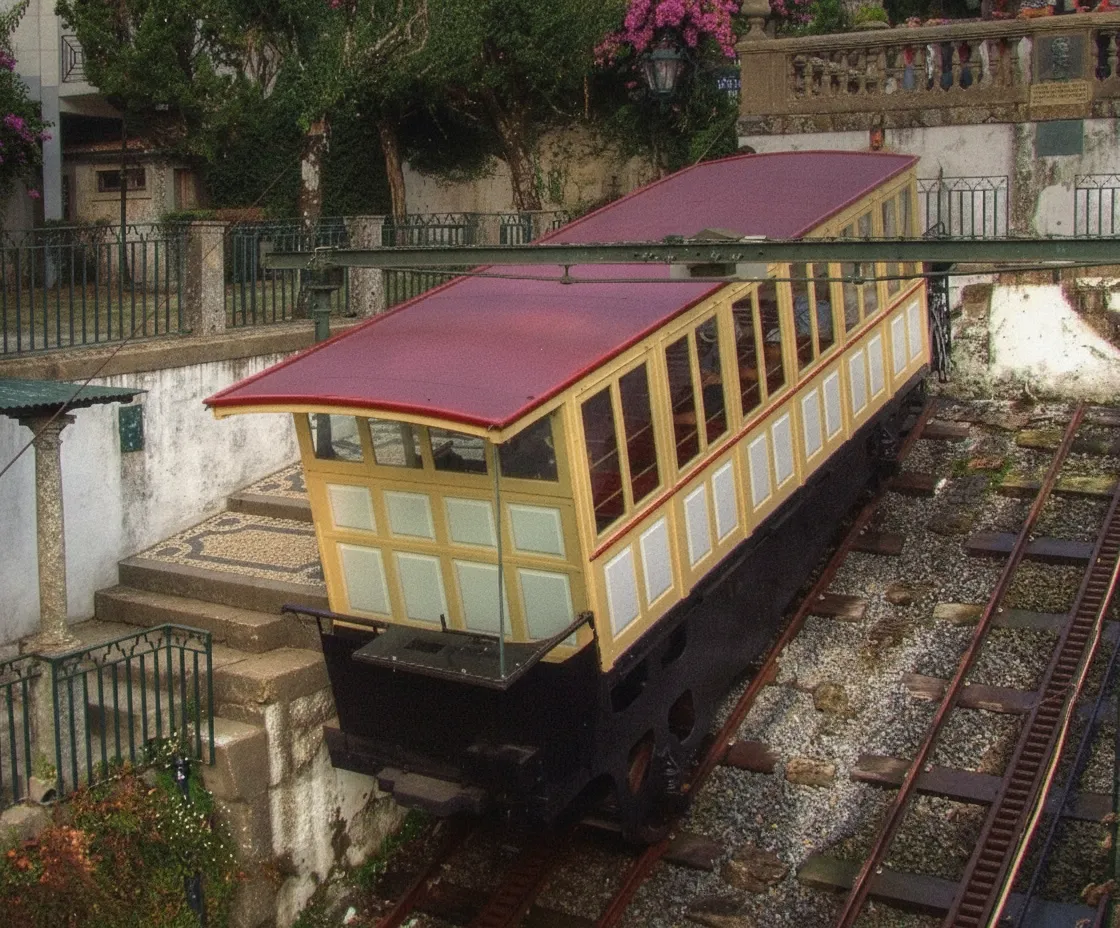
The magic lies in its elegant simplicity. Two cars are permanently attached by a steel cable that runs around a pulley at the top of the incline. When a car reaches the top, its water ballast tank is emptied. Meanwhile, the car at the bottom, ready to ascend, has its tank filled with water from a natural spring. This added weight provides the necessary force to pull the lighter descending car up the steep incline. When the ascending car reaches the top, its water is released, and the cycle begins anew. It’s a perpetual motion machine in miniature, a perfect ballet of gravity and hydraulics, consuming no external energy beyond the natural flow of water.
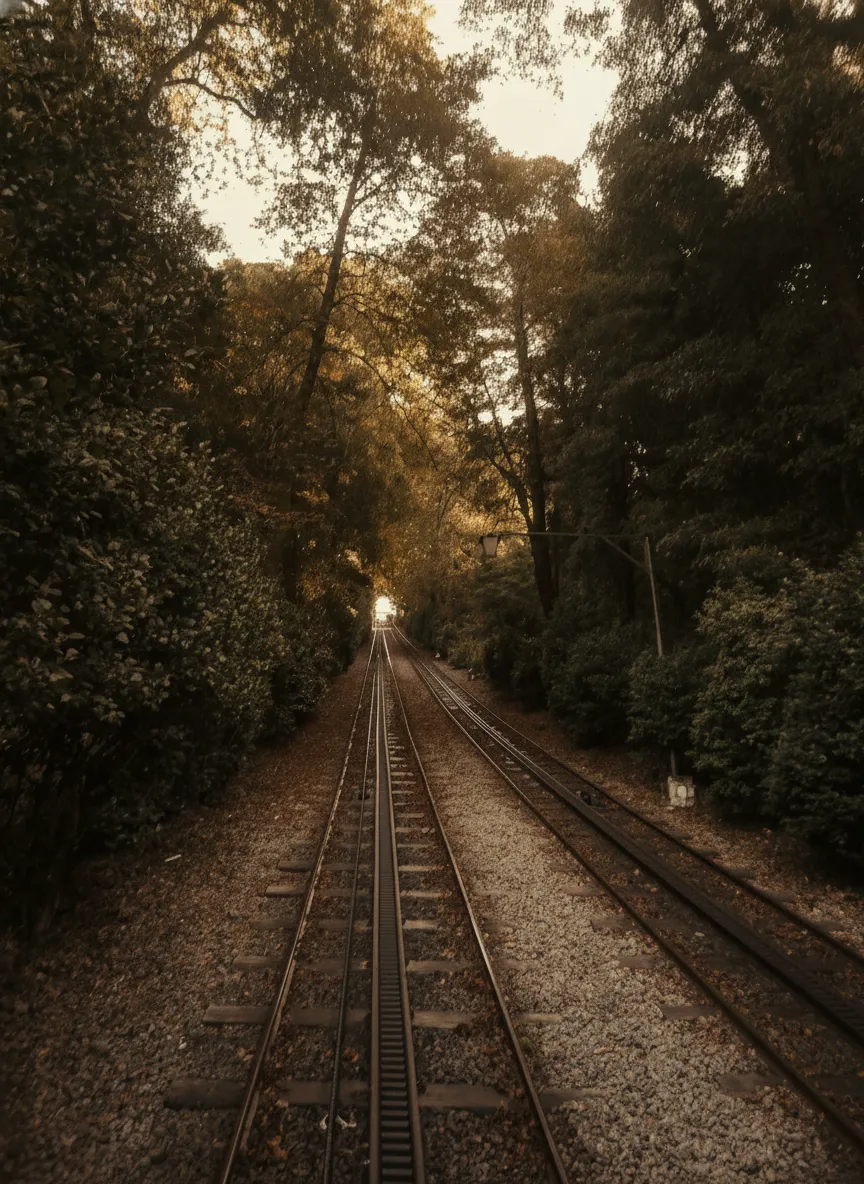
The experience itself is serene. As the car begins its slow, steady ascent, there's a gentle hum, a subtle creak of wood, and the sensation of gliding rather than being pulled. The views open up almost immediately, revealing the lush canopy of trees and glimpses of Braga below. It’s a stark contrast to the noisy, often jarring experience of modern transport, offering a moment of quiet reflection and appreciation for the sheer cleverness of its design.
A Journey Through Time: History of the Elevador
The story of the Elevador begins with the Bom Jesus do Monte Sanctuary itself. For centuries, pilgrims undertook the arduous climb up the steep hillside to reach the sanctuary, a journey of devotion that involved navigating a magnificent, but exhausting, Baroque staircase with hundreds of steps. As the sanctuary grew in popularity, there was a clear need for an easier, more accessible way to reach the top, especially for the elderly and infirm.
Enter Raoul Mesnier du Ponsard, a Portuguese engineer of French descent, who designed the funicular. Inspired by similar systems in Switzerland (like those pioneered by Niklaus Riggenbach), Mesnier du Ponsard adapted the water counterweight mechanism for the unique conditions of Bom Jesus. Construction began in 1880, and the Elevador was officially inaugurated on March 25, 1882. It was an instant success, transforming the pilgrimage experience and opening up the sanctuary to a wider audience.
The choice of water power was not just ingenious; it was also practical. At the time, electricity was not widely available or reliable for such an application, especially in a relatively remote hillside location. The abundance of natural spring water on the mountain provided a readily available, free, and sustainable power source. The Elevador quickly became a symbol of modern engineering, a blend of traditional craftsmanship and forward-thinking design that continues to impress today.
Beyond the Ride: What Awaits at Bom Jesus do Monte
While the funicular ride itself is an attraction, it's merely the prelude to the grandeur that awaits at the summit. The Bom Jesus do Monte Sanctuary is a UNESCO World Heritage site, renowned for its iconic Baroque staircase, known as the Via Sacra (Sacred Way). This zigzagging masterpiece is adorned with chapels, fountains, and allegorical statues representing the Stations of the Cross, the Five Senses, and the Virtues. Even if you ascend by funicular, don't miss the opportunity to walk *down* a portion of this magnificent staircase – it offers a completely different perspective and a chance to admire the intricate details up close.
At the very top, the Neoclassical Basilica of Bom Jesus welcomes visitors with its imposing facade and serene interior. Surrounding the church are beautifully manicured gardens, grottos, and viewpoints that offer panoramic vistas of Braga city and the sprawling Minho region. On a clear day, the views stretch for miles, a patchwork of green fields, terracotta rooftops, and distant mountains. It’s a perfect spot for quiet contemplation, a leisurely stroll, or simply soaking in the beauty of northern Portugal.
You'll find charming cafes and restaurants where you can enjoy a coffee or a traditional Portuguese meal, often with those incredible views as your backdrop. There's a peaceful, almost ethereal atmosphere here, a blend of spiritual reverence and natural beauty that makes it truly unforgettable. Whether you're a history buff, an engineering enthusiast, a nature lover, or simply seeking a tranquil escape, Bom Jesus do Monte offers something for everyone.
Planning Your Ascent: Practical Tips for Visitors
Ready to experience this unique journey for yourself? Here are some practical tips to help you plan your visit to the Elevador do Bom Jesus do Monte:
Location: The Elevador is located just outside the city center of Braga, in northern Portugal. Braga itself is a vibrant city, often called the "Rome of Portugal" due to its numerous churches and religious heritage, making it a fantastic base for exploration.
Getting There: From Braga city center, the easiest way to reach the funicular's lower station is by local bus (line 2, "Bom Jesus" direction). Taxis and ride-sharing services are also readily available and offer a quick ride up the hill. If you have a car, there's parking available near both the lower and upper stations, though parking at the top can be more challenging during peak times.
Operating Hours & Tickets: The Elevador operates daily, typically from morning until late afternoon/early evening, with frequent departures. It's a very affordable ride, making it accessible to all budgets. You can usually purchase tickets directly at the stations. Check the official website or local tourism office for the most up-to-date operating hours and prices, as these can vary seasonally.
Best Time to Visit: Spring (April-May) and early autumn (September-October) offer the most pleasant weather for exploring the sanctuary and gardens, with comfortable temperatures and fewer crowds than the peak summer months. However, the Elevador operates year-round, and even a misty winter day can lend a mysterious charm to the experience.
What to Wear: Comfortable walking shoes are a must, especially if you plan to explore the gardens or walk down (or even up!) portions of the famous staircase. Layers are always a good idea, as the weather can change, and it can be cooler at the higher elevation.
Combine with Other Attractions: Braga has much more to offer! Consider combining your visit to Bom Jesus do Monte with other local highlights like the Braga Cathedral (Sé de Braga), the Santa Barbara Garden, or the fascinating Roman ruins of Bracara Augusta. The city is easily walkable, and its historic center is full of charming streets, shops, and cafes.
The Elevador do Bom Jesus do Monte is more than just a ride; it’s an experience that encapsulates the spirit of Portuguese ingenuity and timeless charm. It’s a gentle ascent into history, a quiet testament to sustainable design, and a gateway to one of Portugal’s most beautiful sanctuaries. So, when planning your next adventure, consider adding this unique, water-powered wonder to your itinerary. You’ll leave not just with stunning photos, but with a deeper appreciation for the marvels that lie off the beaten path.
Essential Travel Information
- Location Elevador do Bom Jesus do Monte, Portugal
- Best Time April-May (Spring) or September-October (Autumn) for pleasant weather and fewer crowds.
- Getting There From Braga city center, take local bus line 2 ('Bom Jesus' direction) directly to the lower station, or use a taxi/ride-sharing service.
- Airport Porto Airport (OPO)
- Budget Budget/Mid-range with approximate daily cost of €50-€100 (excluding accommodation)
- Language Portuguese
Find Places to Stay Near Elevador do Bom Jesus do Monte
Compare hotels, hostels, and unique stays in Portugal.
Search AccommodationTours & Experiences Near Elevador do Bom Jesus do Monte
Book guided tours, day trips, and unique experiences.
Browse Tours