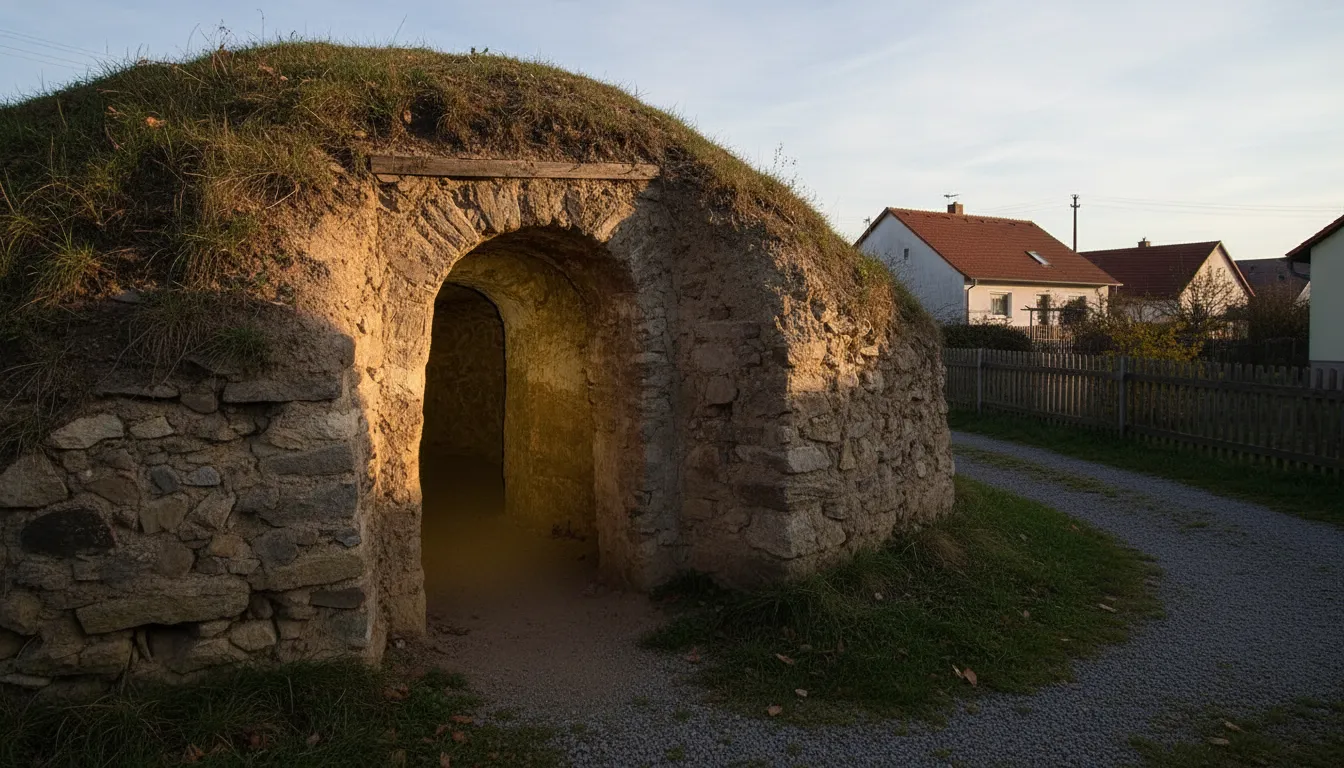
Imagine this: beneath countless unassuming villages, nestled in the heart of Central Europe, lies a vast, mysterious network of hand-carved tunnels. These aren't Roman catacombs or elaborate castle dungeons. No, these are something far stranger, built by unknown hands for an unknown purpose, defying all easy explanation. They are called 'Erdställe,' or earth stables, and to step into one is to step into an archaeological enigma that has baffled experts for centuries. Today, I want to tell you about one such incredible place, hidden beneath the tranquil village church of St. Martin in Mintraching, Bavaria, a truly unique journey into Europe's forgotten past.
What Makes Erdstall Mintraching So Special?
The Erdstall unter der Kirche St. Martin in Mintraching isn't just another historical site; it's a profound, almost visceral experience that plunges you into one of Europe's most enduring archaeological puzzles. What makes this particular Erdstall so captivating is its pristine, untouched nature and its direct connection to the fabric of the village above. Unlike ruins that stand exposed to the elements, this subterranean labyrinth has been preserved in its original, raw state, offering an unparalleled glimpse into the High Middle Ages.
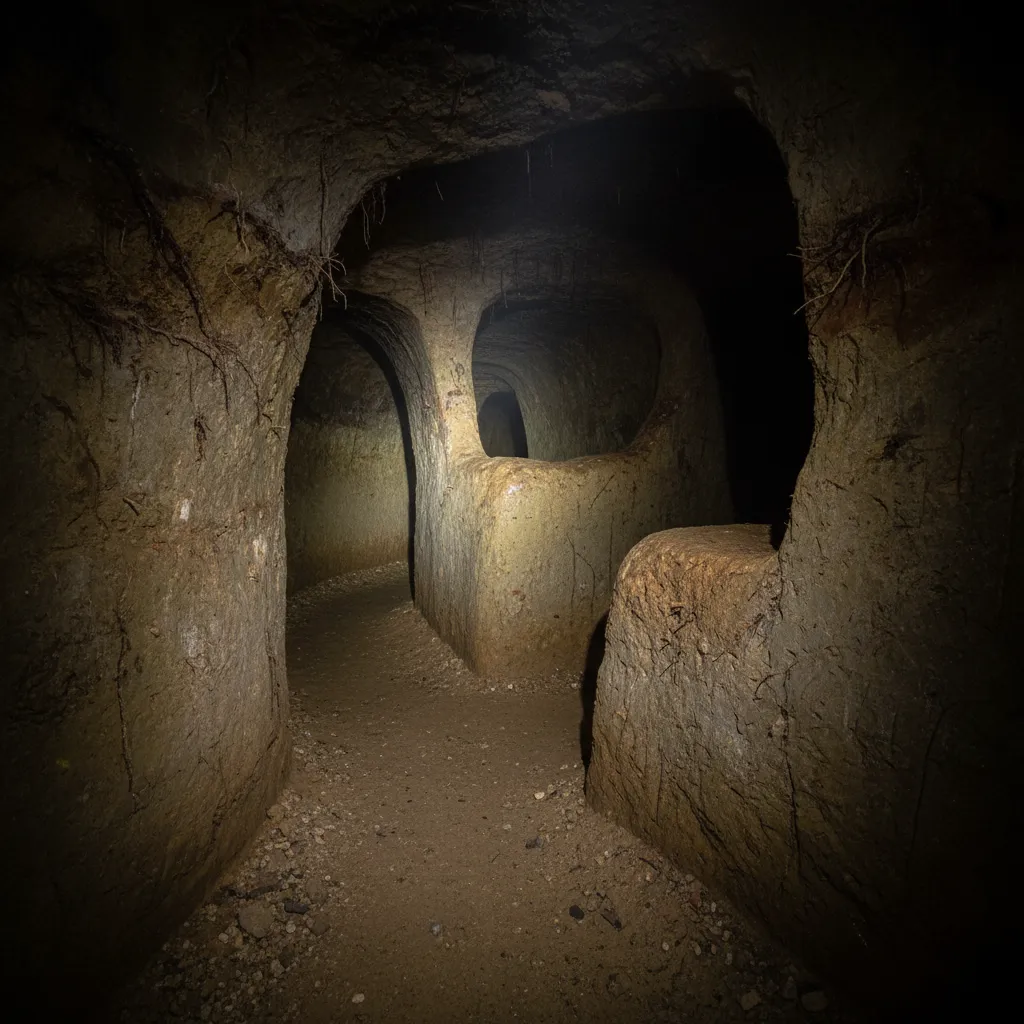
These aren't grand, spacious caverns. Quite the opposite. Erdställe are characterized by their extreme claustrophobia. Picture this: you're stooping, sometimes crawling, through passages so narrow you can barely turn around. The air is cool, still, and carries the faint scent of damp earth and ancient stone. The walls, hand-carved from the living rock, bear the marks of tools wielded by people long gone, their intentions lost to time. It's an intimate, almost primal encounter with history, a stark contrast to the sprawling museums and well-trodden castles we often visit.
The Mintraching Erdstall, like others, is a labyrinthine maze. It twists and turns, sometimes opening into small, beehive-like chambers, then narrowing again into passages known as "Schlupfe" – literally "slips" or "creeps" – that demand you squeeze through on hands and knees. It's a physical journey, yes, but also a profound mental one, forcing you to confront the unknown and ponder the lives of those who spent time in these dark, silent spaces. This isn't just a destination; it's an archaeological adventure.
A Journey into the Unknown: The History of Erdställe
The story of Erdställe is shrouded in mystery. Dating primarily to the High Middle Ages, roughly between the 10th and 13th centuries, these underground systems are found scattered across Bavaria, Austria, and parts of the Czech Republic and France. Their sheer number – thousands are believed to exist, with new ones still being discovered – testifies to a widespread, yet deeply enigmatic, cultural practice.
Archaeologists and historians have grappled with their purpose for centuries, proposing various theories, each with its own compelling arguments and lingering questions:
-
Refuge or Escape Tunnels: One popular theory suggests they were places of temporary refuge during times of war, raids, or natural disaster. The narrow passages and hidden entrances would have made them difficult for invaders to navigate or even find. However, their lack of ventilation and sanitation, combined with the extreme difficulty of entry for many, makes long-term habitation unlikely.
-
Storage Facilities: Could they have been used to store valuable goods, food, or even specific agricultural products that required a cool, stable environment? While possible for some, the intricate, often convoluted layouts and the sheer difficulty of moving goods through the narrow Schlupfe seem to argue against this as their primary function.
-
Ritualistic or Cultic Sites: This is perhaps the most intriguing and unsettling theory. The labyrinthine nature, the small chambers, and the complete darkness could point to a spiritual, ceremonial, or initiatory purpose. Were they places for pagan rituals, rites of passage, or even early Christian practices? The connection to churches, as in Mintraching, sometimes supports this idea, but concrete evidence remains elusive.
-
Early Mining or Quarrying: Some have suggested they were early attempts at mining or quarrying particular types of stone or minerals. However, the geological context often doesn't support this, and the consistent, non-productive layout of many Erdställe points away from a purely extractive purpose.
The truth is, no single theory fully explains all the characteristics of Erdställe. It's entirely possible that their purpose evolved over time, or even varied from one village to another. The Erdstall at Mintraching, preserved beneath the sacred ground of St. Martin's Church, offers a particularly strong case for the ritualistic theory, or at least a deep spiritual connection, given its location. It's this very ambiguity, this enduring mystery, that makes visiting an Erdstall such a profoundly thought-provoking experience.
Stepping Back in Time: What to Expect on Your Visit
Visiting the Erdstall unter der Kirche St. Martin in Mintraching is not your typical tourist excursion. It's an intimate, guided exploration into a world few ever get to see. Given the sensitive nature of the site and its extreme conditions, access is highly restricted and always by pre-arranged tour.
Your journey will begin above ground, usually with a local expert or guide who will provide an introduction to the history and theories surrounding Erdställe. This context is crucial, as it prepares you for the unique environment you are about to enter. Then, you'll descend. The entrance is often unassuming, perhaps a small opening near the church, belying the complex network beneath.
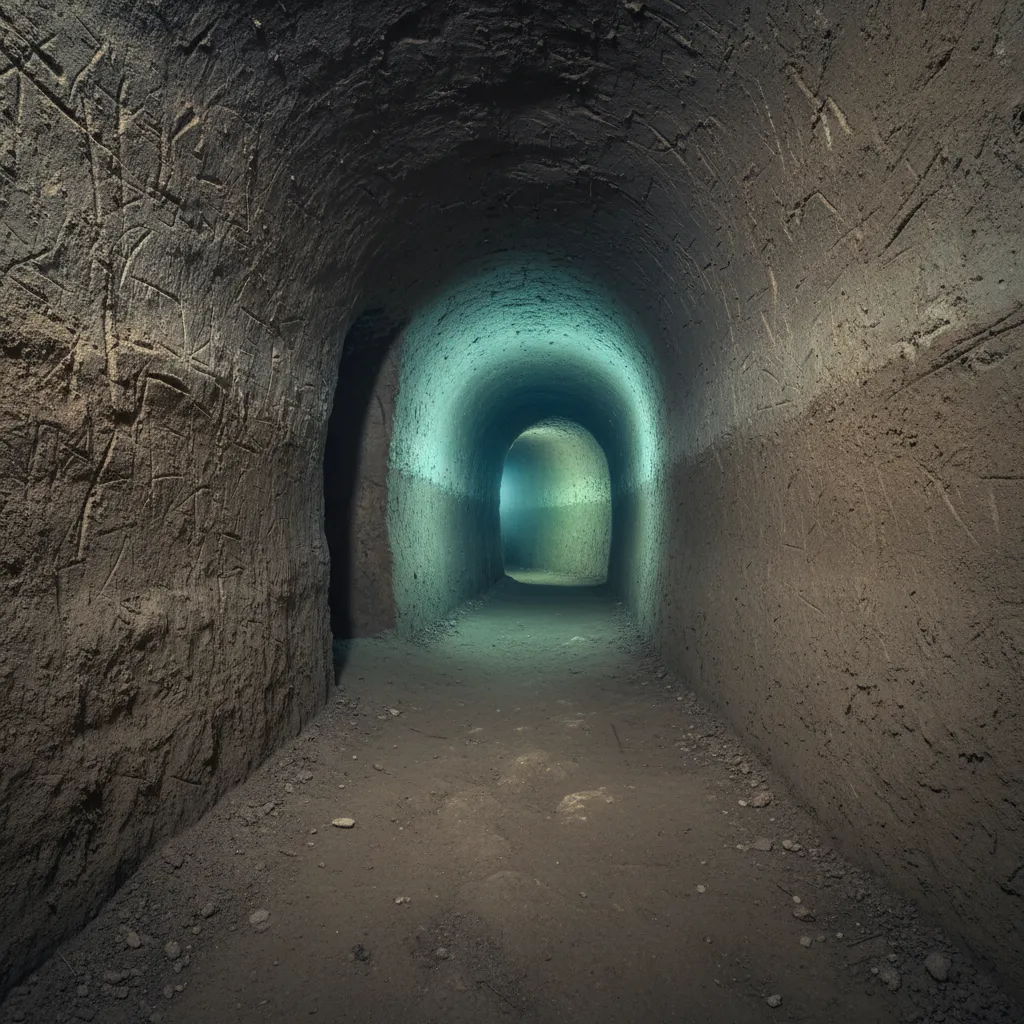
Once inside, expect to be enveloped by darkness and silence, broken only by your guide's voice and the sounds of your own breath. The air will be cool and damp, and the only light will come from the handheld lamps or headlamps provided. You will navigate a series of winding passages, some wide enough to walk upright, others requiring you to stoop low, and the infamous "Schlupfe" that necessitate crawling. It’s an exercise in humility and a test of nerve.
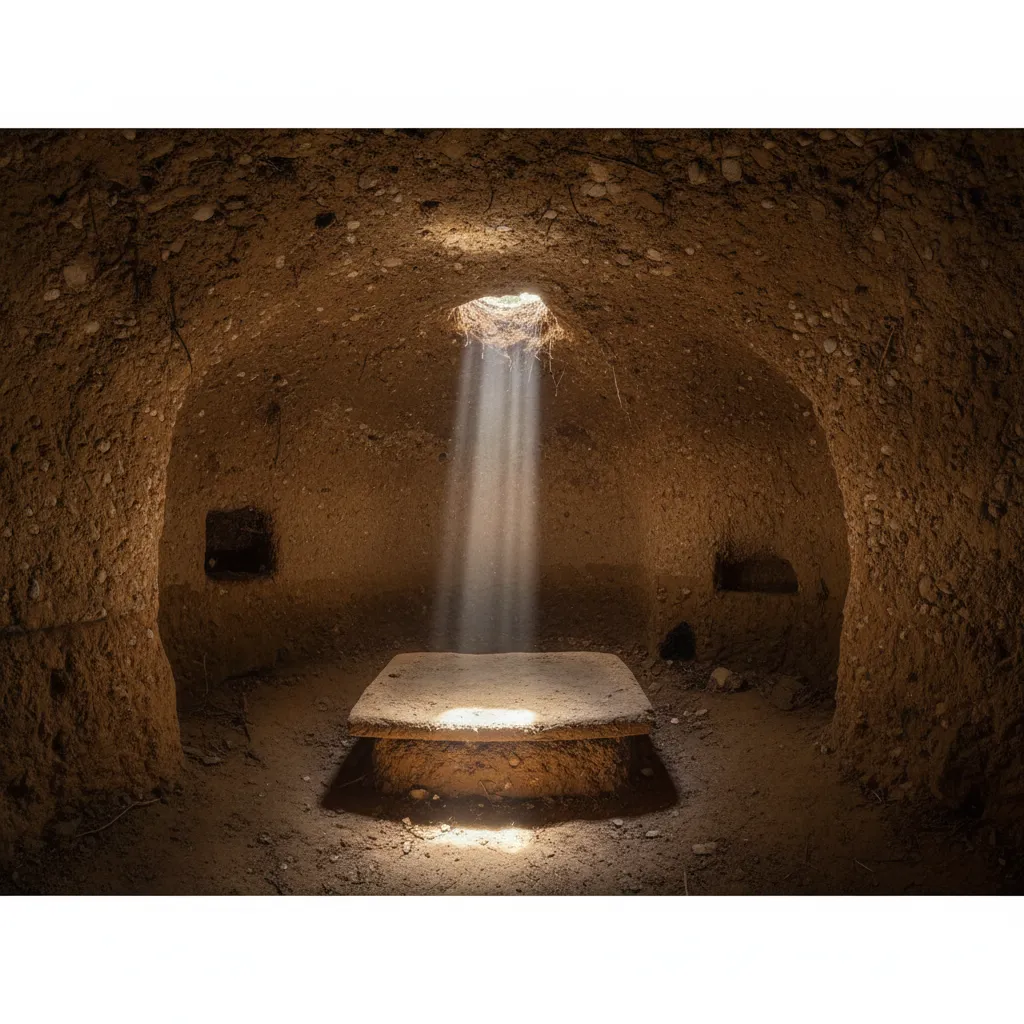
As you move through the Erdstall, pay attention to the details: the tool marks on the walls, the subtle changes in rock formation, the small, seemingly purposeless niches carved into the stone. Each element adds to the larger puzzle. The small chambers you encounter might have been gathering points, storage areas, or perhaps even altars for ancient rituals. Your guide will likely share local legends and theories specific to the Mintraching Erdstall, enriching the experience further.
The feeling of being so far removed from the modern world, beneath the very foundations of a medieval church, is truly unforgettable. It’s a moment of profound connection to a past that refuses to yield all its secrets, leaving you with a sense of wonder and perhaps a touch of awe.
Planning Your Expedition: Practical Tips for Visiting Mintraching's Erdstall
A visit to the Erdstall in Mintraching requires careful planning, but the effort is immensely rewarding. Here’s what you need to know:
-
Accessibility and Booking: Access is highly restricted and only possible through guided tours. These tours are typically organized by the local community or historical associations. It is absolutely essential to book well in advance. Information can often be found on the Mintraching municipal website or by contacting local tourism offices in the Regensburg area. Tours are not frequent, so plan your trip around available dates.
-
Physical Requirements: This is not a visit for everyone. You must be physically able to stoop, crawl, and navigate very narrow, uneven passages in complete darkness. Individuals with claustrophobia, mobility issues, or heart conditions should seriously reconsider. There are no handrails or modern conveniences inside.
-
What to Wear: Dress in comfortable, sturdy clothing that you don't mind getting a bit dirty. Long pants and a long-sleeved shirt are advisable. Wear robust, closed-toe shoes with good grip. The temperature underground is consistently cool, so a light jacket or sweater is recommended, even in summer.
-
Equipment: Headlamps or handheld torches are usually provided by the guides, but it doesn't hurt to bring a small, reliable flashlight of your own. You'll want your hands free as much as possible.
-
Respect the Site: This is a delicate archaeological site. Follow your guide's instructions carefully, do not touch the walls unnecessarily, and leave no trace behind. Photography might be restricted or allowed only under specific conditions to preserve the atmosphere and protect the site.
-
Getting There: Mintraching is a small municipality located southeast of Regensburg in Bavaria. The easiest way to reach it is by car. Public transport options might be limited, so check local bus schedules if you're not driving.
Visiting Erdstall unter der Kirche St. Martin is more than just seeing a historical site; it's an immersion into a profound, unsolved mystery. It's a chance to touch the very fabric of medieval life, to ponder the beliefs and fears of people who lived a thousand years ago, and to experience a truly hidden gem that few travelers ever discover. If you're an intrepid explorer with a thirst for genuine historical puzzles, Mintraching's Erdstall awaits – ready to challenge your assumptions and ignite your imagination with its silent, subterranean secrets.
Essential Travel Information
- Location Erdstall unter der Kirche St. Martin, Mintraching, Germany
- Best Time Late Spring to Early Autumn (May - October) for pleasant surface weather, but underground temperature is constant.
- Getting There Mintraching is located southeast of Regensburg, Bavaria. Best accessed by car (approx. 15-20 min drive from Regensburg). Limited public transport options; check local bus schedules.
- Airport Munich Airport (MUC)
- Budget Budget/Mid-range (approx. €50-€100 per day including modest accommodation, food, and tour cost)
- Language German
Find Places to Stay Near Erdstall unter der Kirche St. Martin, Mintraching
Compare hotels, hostels, and unique stays in Germany.
Search AccommodationTours & Experiences Near Erdstall unter der Kirche St. Martin, Mintraching
Book guided tours, day trips, and unique experiences.
Browse Tours