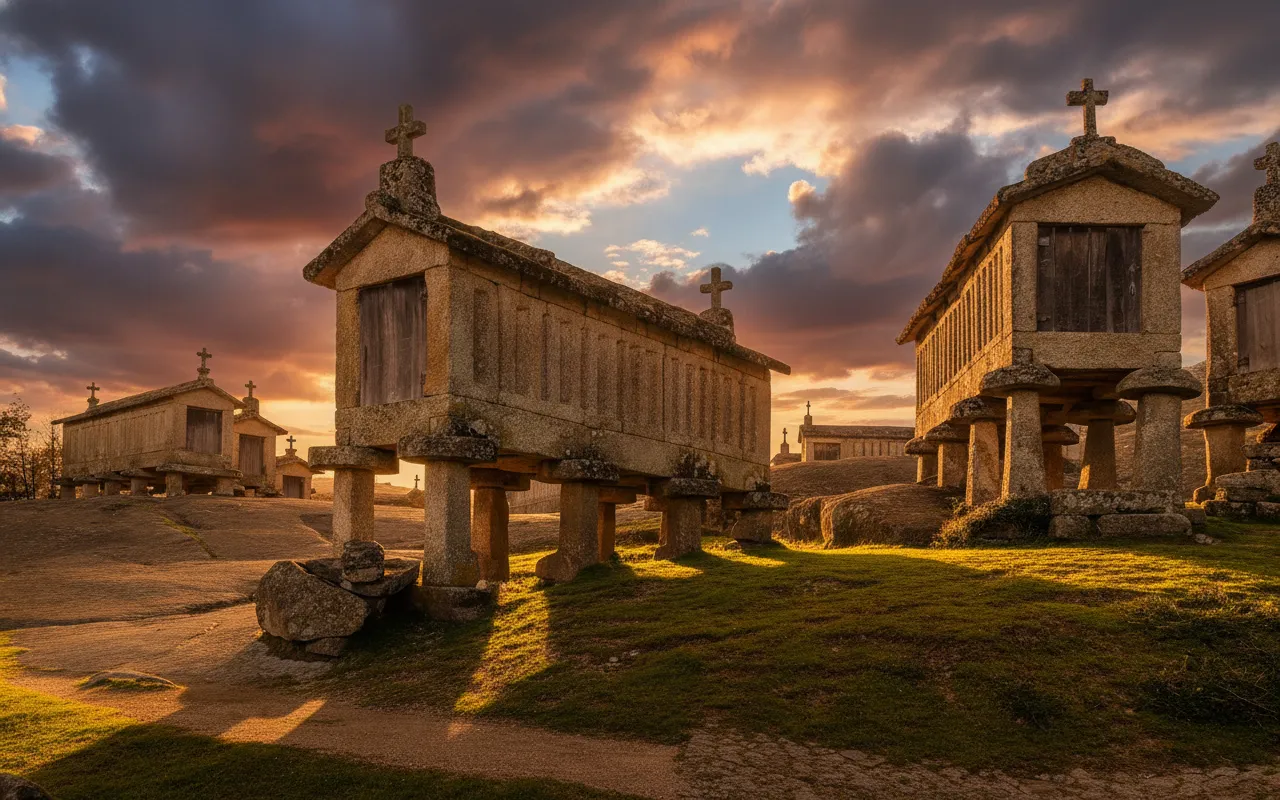
What Makes Espigueiros de Soajo an Unforgettable Sight?
At first glance, approaching the village of Soajo, you might not immediately grasp the full magic. But then, as you round a bend or climb a slight incline, a truly surreal architectural landscape unfolds before your eyes. Clustered together in a breathtaking, almost ceremonial fashion, the Espigueiros de Soajo are an astonishing collection of 24 ancient communal granaries. These aren't just old buildings; they are unique stone structures, each a testament to human ingenuity and communal spirit, forming a silent, stoic army standing sentinel over generations of harvests.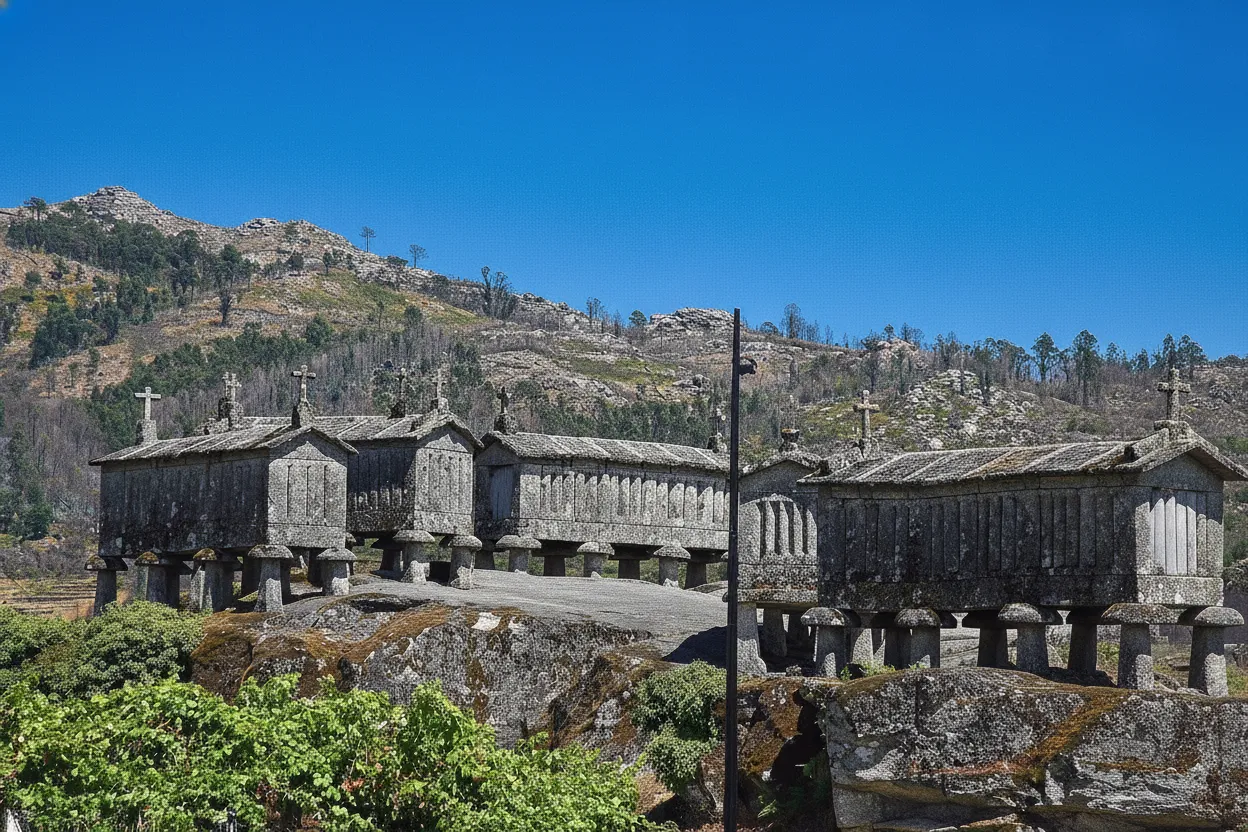 Some of these remarkable granaries date back to the 18th century, with the oldest known inscription from 1782. Fashioned from the rugged granite of the region, they are ingeniously designed to protect corn – the staple crop – from the twin threats of rodents and moisture. Each espigueiro is raised on sturdy stone stilts, creating a crucial air gap that keeps the corn dry and deters pests. The walls are perforated with narrow slits for ventilation, and atop each one, you'll find a distinctive cross-shaped finial, believed to offer spiritual protection to the precious harvest within. Walking among them, you can almost hear the whispers of ancient farmers, their lives inextricably linked to these enduring structures. It's more than just a historical site; it's a vital, living part of this isolated Portuguese village's identity, a powerful connection to a way of life that has largely vanished elsewhere.
A Glimpse into the Past: History and Heritage Etched in Stone
The story of the Espigueiros de Soajo is deeply rooted in the agricultural history of Portugal's remote northern regions. For centuries, communities in places like Soajo relied heavily on subsistence farming, with corn being a cornerstone of their diet and economy. The rugged terrain and often harsh weather conditions necessitated robust and communal solutions for food storage. Individual families might have small plots, but the collective effort and shared resource of the granaries fostered a strong sense of community and mutual reliance. These espigueiros weren't just functional; they were a symbol of prosperity and survival. Their construction, often a communal endeavor, speaks volumes about the cooperative spirit that defined these mountain villages. Each stone block, painstakingly cut and fitted, represents countless hours of labor and a deep understanding of local materials and environmental challenges. The granite, abundant in the Peneda-Gerês region, provided the perfect durable material, ensuring these structures could withstand centuries of elements.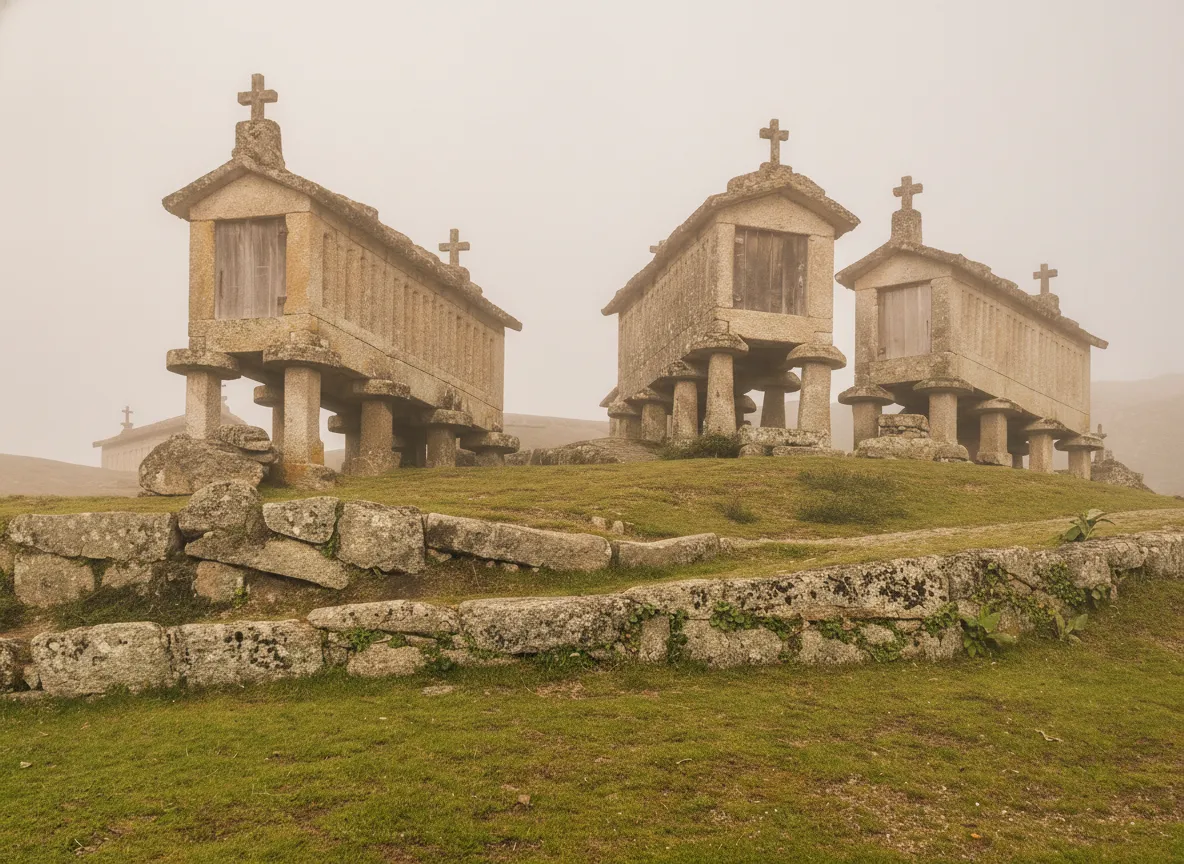 While modern farming practices have changed, and many families no longer rely solely on their espigueiros for storage, these structures remain incredibly significant. They are not merely relics; they are cherished monuments to a bygone era, carefully preserved by the community. They stand as a powerful reminder of the resilience, resourcefulness, and collective spirit of the people who have called Soajo home for generations. Visiting them offers a rare window into a way of life that prioritized community, self-sufficiency, and a profound respect for the land. It’s an immersive history lesson, tangible and awe-inspiring, that you simply won't find in textbooks.
Exploring Soajo: What You'll See and Experience Beyond the Granaries
While the espigueiros are undoubtedly the star attraction, the village of Soajo itself is a destination worth savoring. Stepping into Soajo feels like stepping back in time. The narrow, winding cobbled streets are lined with traditional granite houses, many adorned with vibrant flowers, their stone walls whispering stories of centuries past. The pace of life here is slow and deliberate, a refreshing antidote to the hustle and bustle of modern cities. Begin your exploration at the iconic espigueiros field, located just a short walk from the village center. Take your time wandering among these ancient sentinels, admiring the intricate details of their construction. Notice the variations in size and age, the subtle differences in their cross finials, and the sheer scale of the collective effort they represent. The panoramic views from the espigueiros field, stretching across the verdant valleys and dramatic mountains of the Peneda-Gerês National Park, are simply breathtaking.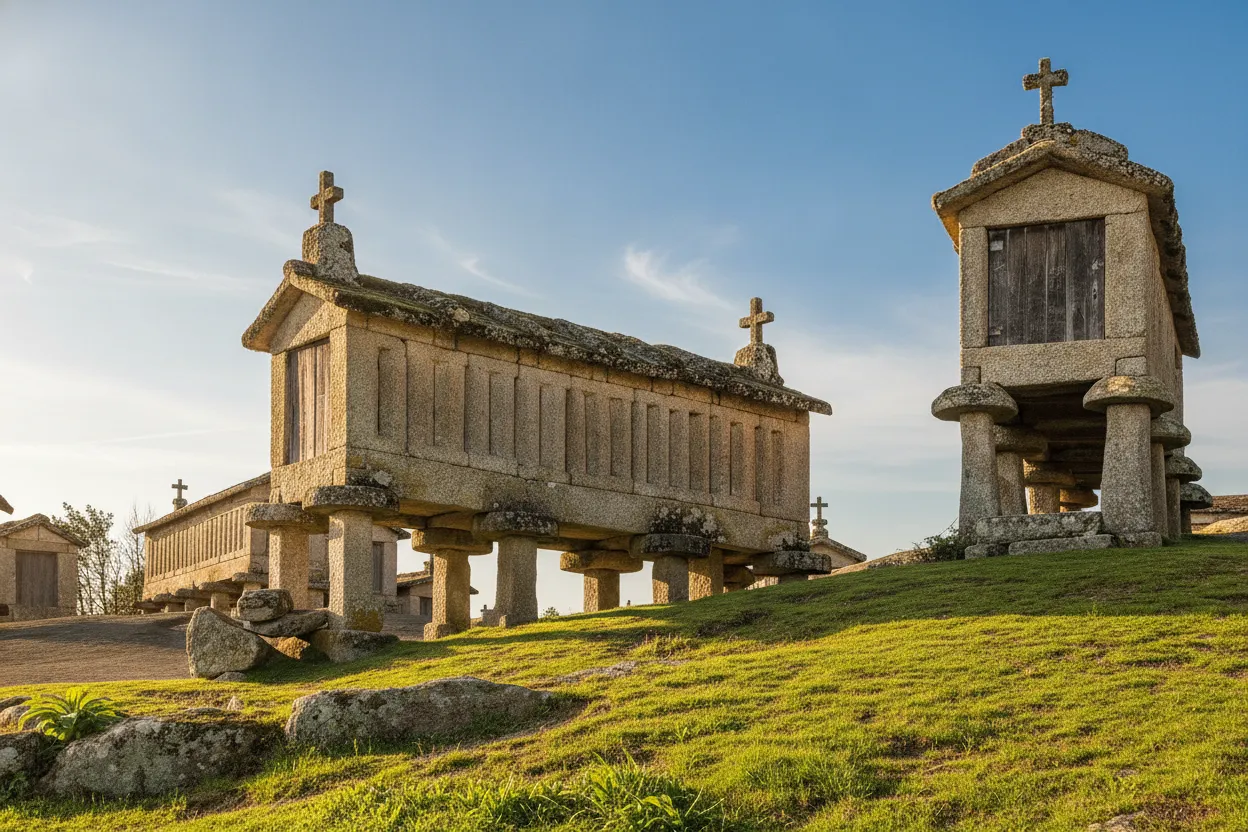 After immersing yourself in the granaries, explore the rest of Soajo. Don't miss the Pelourinho de Soajo (pillory), a magnificent 16th-century granite column standing proudly in the main square. It's a National Monument and another powerful symbol of the village's historical importance and autonomy. Meander through the village, stopping at a local café for a strong Portuguese coffee and a pastry, or perhaps a hearty lunch at one of the traditional restaurants. Here, you can savor authentic regional cuisine, often featuring local meats, river fish, and fresh produce, all prepared with recipes passed down through generations. The local hospitality is warm and genuine, and you might even find yourself striking up a conversation with a local, eager to share insights into their unique way of life.
Beyond the village, the surrounding Peneda-Gerês National Park offers endless opportunities for hiking, nature observation, and discovering hidden waterfalls and natural pools. Soajo serves as an excellent base for exploring this pristine wilderness, making it an ideal destination for nature lovers and adventurers alike.
After immersing yourself in the granaries, explore the rest of Soajo. Don't miss the Pelourinho de Soajo (pillory), a magnificent 16th-century granite column standing proudly in the main square. It's a National Monument and another powerful symbol of the village's historical importance and autonomy. Meander through the village, stopping at a local café for a strong Portuguese coffee and a pastry, or perhaps a hearty lunch at one of the traditional restaurants. Here, you can savor authentic regional cuisine, often featuring local meats, river fish, and fresh produce, all prepared with recipes passed down through generations. The local hospitality is warm and genuine, and you might even find yourself striking up a conversation with a local, eager to share insights into their unique way of life.
Beyond the village, the surrounding Peneda-Gerês National Park offers endless opportunities for hiking, nature observation, and discovering hidden waterfalls and natural pools. Soajo serves as an excellent base for exploring this pristine wilderness, making it an ideal destination for nature lovers and adventurers alike.
Practical Tips for Your Unforgettable Visit to Soajo
Planning a trip to Espigueiros de Soajo requires a little foresight, but the rewards are immense. * **Best Time to Visit:** Spring (April-June) and early autumn (September-October) offer the most pleasant weather for exploring, with comfortable temperatures and lush landscapes. You'll also avoid the peak summer crowds, ensuring a more serene experience. Winter can be beautiful with a chance of snow, but some roads might be more challenging, and many local businesses may have reduced hours. * **How to Get There:** Soajo is truly off the beaten path, and **a car is essential** for reaching it and exploring the surrounding region. It's located about 30-40 minutes drive from Arcos de Valdevez, the nearest larger town. The drive itself is scenic, winding through mountains and valleys, offering stunning vistas at every turn. * **Where to Stay:** While Soajo itself is small, there are charming local guesthouses (casas de turismo rural) and small hotels within the village or in nearby hamlets. Booking in advance, especially during shoulder seasons, is highly recommended. For a wider range of options, consider staying in Arcos de Valdevez and taking day trips to Soajo. * **What to Bring:** Comfortable walking shoes are a must for navigating the cobbled streets and exploring the espigueiros field. Layered clothing is advisable, as mountain weather can change quickly. Don't forget your camera to capture the incredible scenery, and perhaps a small backpack with water and snacks, especially if you plan to hike. * **Respectful Tourism:** Remember that Soajo is a living village, not just a tourist attraction. Please be respectful of local customs, private property, and the tranquility of the area. Ask for permission before taking photos of people, and help preserve the beauty of the village and the national park by leaving no trace. * **Local Delicacies:** Be sure to try local specialties like *broa* (cornbread), *arroz de cabidela* (chicken or rabbit in blood rice), and the region's excellent smoked meats and cheeses. The Vinho Verde wine from the region is also a must-try. Espigueiros de Soajo is more than just a collection of ancient granaries; it's a journey into the soul of rural Portugal, a place where history, nature, and human ingenuity converge in the most extraordinary way. It’s a destination that reminds us of the power of community, the wisdom of our ancestors, and the enduring beauty of a life lived in harmony with the land. Come with an open heart and a curious mind, and you'll leave with memories that will last a lifetime.Essential Travel Information
- Location Espigueiros de Soajo, Portugal
- Best Time Spring (April-June) and early Autumn (September-October)
- Getting There Requires a car. Located approximately 30-40 minutes drive from Arcos de Valdevez.
- Airport Porto Airport (OPO)
- Budget Budget/Mid-range (approx. €50-€100 per day including accommodation and food)
- Language Portuguese
Find Places to Stay Near Espigueiros de Soajo
Compare hotels, hostels, and unique stays in Portugal.
Search AccommodationTours & Experiences Near Espigueiros de Soajo
Book guided tours, day trips, and unique experiences.
Browse Tours