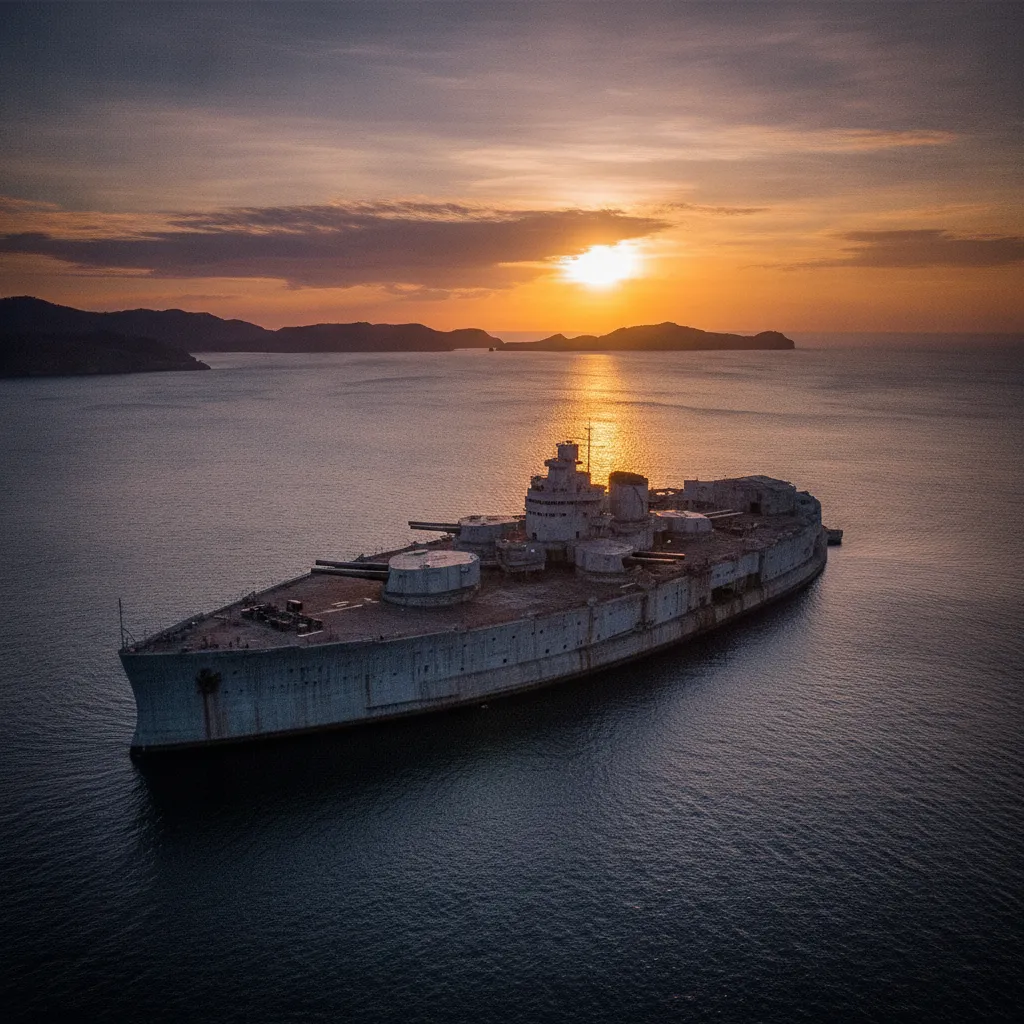
Picture this: a battleship, not gracefully gliding across the waves, but *built directly into the sea*. A concrete leviathan, immovable, unyielding, standing guard over a crucial bay like some ancient, petrified beast. This isn't a scene from a forgotten sci-fi movie; it's Fort Drum, better known as 'The Concrete Battleship,' a truly astounding and utterly unique marvel of military architecture nestled in the heart of Manila Bay, Philippines. If you thought you'd seen all the world's wonders, prepare to have your adventurous spirit stirred, because this hidden gem is unlike anything you've ever encountered.
What is Fort Drum? The Concrete Battleship Revealed
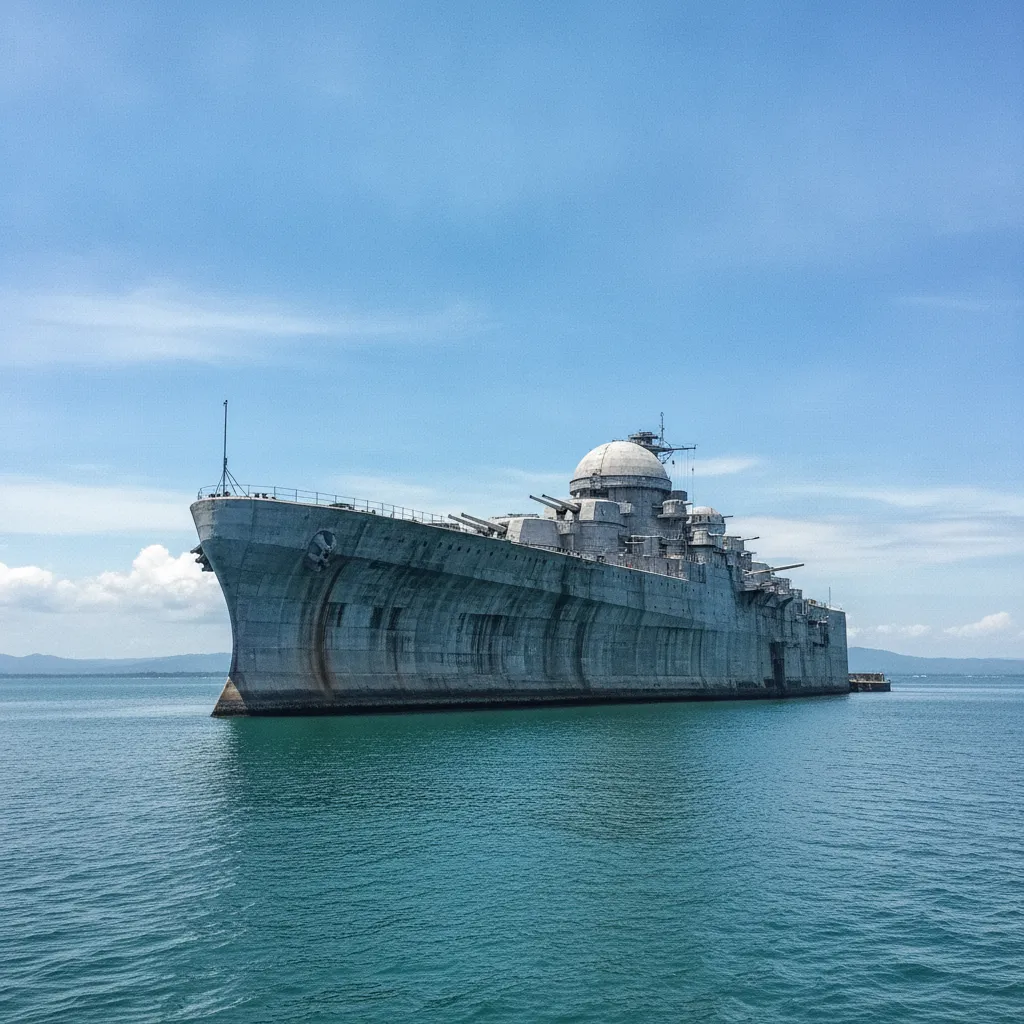
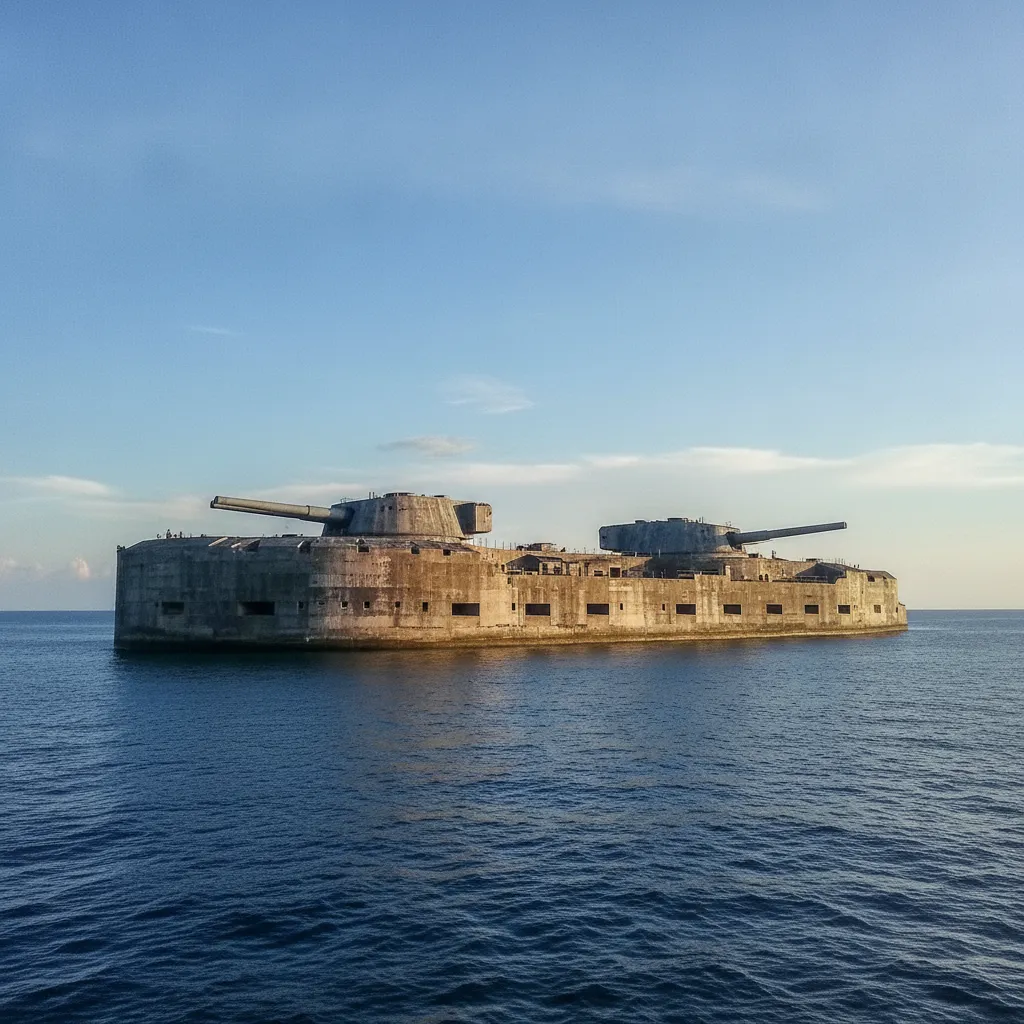
Imagine a tiny, unassuming island – El Fraile Island, to be precise – transformed, not into a picturesque resort, but into an impregnable fortress designed to resemble a colossal warship. That's Fort Drum. Commissioned by the United States in the early 20th century, this wasn't just a fort *on* an island; the entire island *became* the fort. Its walls are 25 to 36 feet thick, reinforced concrete, designed to withstand the most intense bombardments imaginable. Above its deck, rising like mighty turrets, were two massive turrets housing four 14-inch disappearing guns, capable of firing shells weighing over 1,400 pounds across Manila Bay, and a battery of two 6-inch guns. From afar, especially in the hazy light of dawn or dusk, it genuinely looks like a battleship that has somehow run aground and fused with the very bedrock of the sea.
What makes it so utterly fascinating isn't just its imposing scale or its unusual shape, but the sheer audacity of its conception. This was military engineering pushed to its limits, a testament to an era when strategic defense meant building structures that were literally invincible. It was a fortress designed for a war that hadn't yet been fully imagined, a concrete titan ready to face any threat. Today, it stands as a haunting, weather-beaten relic, slowly being reclaimed by the relentless sea and the tenacious jungle, a silent witness to forgotten battles and a testament to human ingenuity and folly.
A Fortress Forged in Fire: The History of Fort Drum
The story of Fort Drum begins in the wake of the Spanish-American War, when the United States took control of the Philippines. Manila Bay was a crucial strategic point, the gateway to the capital, and needed formidable defenses. Enter the Taft Board, which recommended a series of fortifications, including the transformation of El Fraile Island into something truly extraordinary. Construction began in 1909 and lasted for five years, a monumental undertaking that involved leveling the island, building colossal concrete foundations, and installing heavy artillery.
For decades, Fort Drum stood as the sentinel of Manila Bay, part of the Harbor Defenses of Manila and Subic Bays, alongside the more famous Corregidor. Its heavy guns, initially hidden behind concrete parapets and designed to 'disappear' after firing, were a formidable deterrent. However, its true test came during World War II. In the early days of the Japanese invasion of the Philippines in 1941-1942, Fort Drum played a critical role in defending the bay, its guns engaging Japanese ships and shore batteries. It was subjected to intense aerial and artillery bombardments, but true to its design, it proved virtually impregnable. The thick concrete walls absorbed countless shells, earning it the nickname 'The Concrete Battleship' not just for its shape, but for its resilience.
Despite its incredible defenses, the fort eventually fell. After the surrender of Corregidor in May 1942, Fort Drum, isolated and out of ammunition, was forced to surrender to the Japanese. Its American defenders were taken prisoner. The Japanese then occupied the fort for three years. When American forces returned to liberate the Philippines in 1945, Fort Drum became a target once more. Unable to breach its concrete defenses with conventional shelling, American troops resorted to an ingenious and devastating tactic: they pumped 600 gallons of gasoline and fuel oil into the fort's ventilation shafts, followed by timed explosives. The resulting inferno burned for days, effectively destroying the interior and ensuring the Japanese garrison could no longer hold it. Since then, Fort Drum has remained abandoned, a powerful and poignant monument to the fierce battles fought for the liberation of the Philippines.
Exploring the Silent Sentinel: What You'll See Today
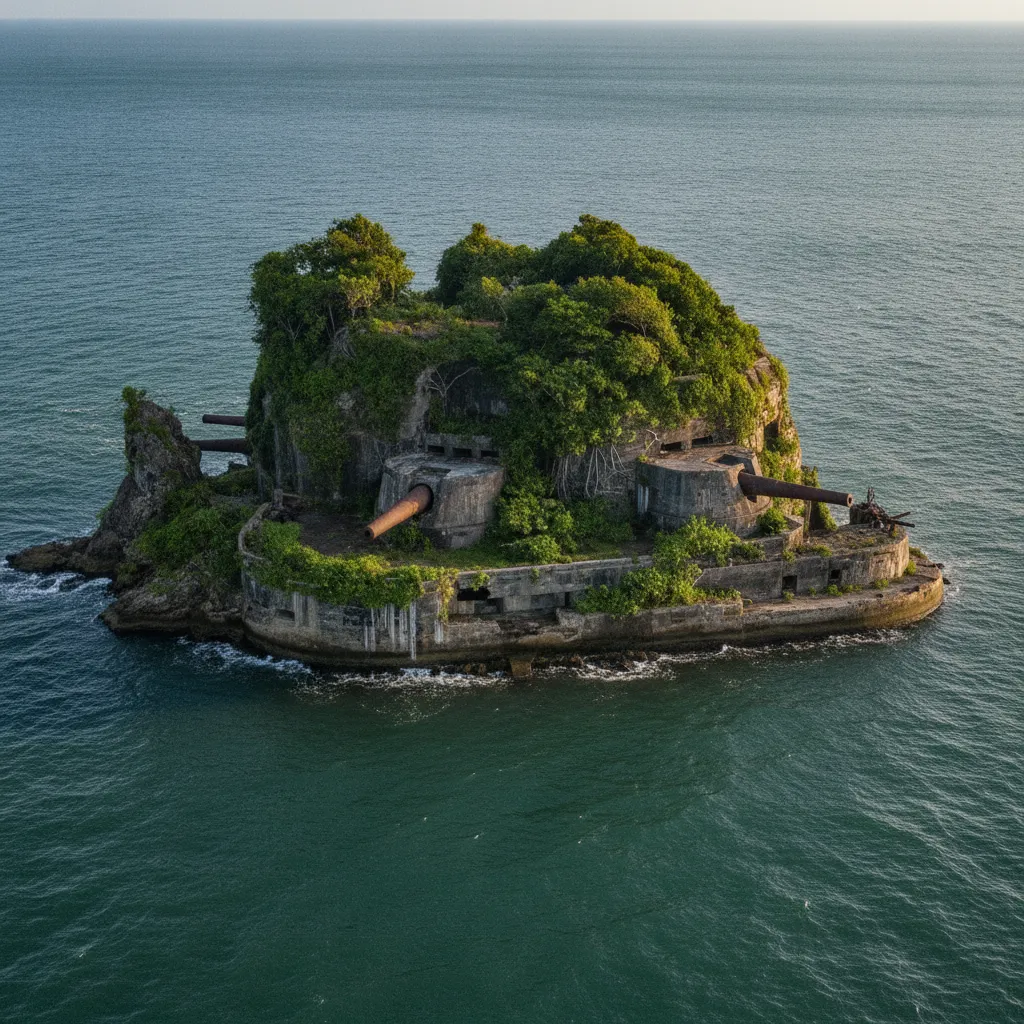
Today, Fort Drum is a ghost ship, a haunting silhouette against the Manila Bay skyline. Visiting it is an experience that borders on the surreal. As your boat approaches El Fraile Island, the sheer scale of the concrete structure becomes apparent. It truly is massive, an artificial landmass that seems to rise organically from the sea. The 'deck' of the battleship is overgrown with tenacious tropical vegetation, roots clinging to cracked concrete, a testament to nature's relentless reclamation.
The colossal turrets, once housing the mighty 14-inch guns, are still there, though the guns themselves are silent, rusted, and permanently fixed in place, pointing forlornly out to sea. You can still see the intricate mechanisms, the sheer engineering required to operate such behemoths. The fort's walls bear the scars of battle – pockmarks from shells that tried, and failed, to penetrate its defenses. Exploring the exterior, you'll find the remains of smaller gun emplacements, observation posts, and the sheer, unyielding concrete that formed its outer shell.
While access to the interior is generally restricted and highly dangerous due to the damage from the 1945 inferno and decades of decay, even circumnavigating the fort by boat offers an unparalleled glimpse into its past. The eerie silence, broken only by the lapping of waves and the cries of seabirds, allows your imagination to conjure images of its operational days, the roar of its guns, the tension of battle. It’s a place where history isn't just read in books; it's felt in the salty air, seen in the crumbling concrete, and heard in the whispers of the wind. It's a place that evokes a profound sense of wonder, a touch of melancholy, and an undeniable respect for the ingenuity and sacrifice of those who built and defended it.
Planning Your Expedition: Practical Tips for Visiting Fort Drum
Fort Drum is not your typical tourist destination. It's an adventure for the truly intrepid, a journey into a hidden piece of history. As such, visiting requires careful planning and a spirit of respectful exploration.
- Access is by Boat Only: There are no scheduled ferries or regular tours to Fort Drum. You'll need to charter a private boat. This can typically be arranged from coastal towns in Cavite province (like Cavite City or Maragondon) or from Manila itself, though the latter will be a longer and more expensive trip. Inquire with local tour operators or fishermen who are familiar with the area.
- Safety First: The fort is a derelict structure. Landing on the island and attempting to explore the interior is highly discouraged and extremely dangerous due to structural instability, sharp metal, and hidden hazards. Most visitors opt for a boat tour around the perimeter, which still offers incredible views and photo opportunities. Always prioritize safety and listen to your boat captain.
- Best Time to Visit: The dry season in the Philippines, generally from November to May, offers the calmest seas and clearest skies, making for a more comfortable boat trip and better visibility. Avoid the monsoon season (June to October) when rough seas can make the journey unsafe.
- What to Bring: Sunscreen, a wide-brimmed hat, sunglasses, plenty of water, and snacks are essential. A good camera with a zoom lens will allow you to capture details from a safe distance. Wear comfortable clothing suitable for a boat trip.
- Respect the Site: Fort Drum is a historical monument and a war grave. Treat it with respect. Do not litter, disturb the wildlife, or attempt to remove any artifacts. Leave only footprints, take only photographs.
- Permits/Guidance: While there might not be formal permits required for viewing from a boat, it's always wise to inform your local contacts or boat operator about your intentions. They can provide the most up-to-date information and ensure a smooth trip.
Visiting Fort Drum is more than just seeing an old fort; it's an immersive experience into a forgotten chapter of history, a journey to a place where concrete and courage once stood defiant against the tides of war. It's a testament to human ambition, a symbol of resilience, and a stark reminder of the costs of conflict. For the adventurous traveler seeking something truly off the beaten path, 'The Concrete Battleship' awaits, ready to share its silent, captivating story.
Essential Travel Information
- Location Fort Drum, 'The Concrete Battleship', Philippines
- Best Time November to May (Dry Season)
- Getting There By private boat charter from coastal towns in Cavite province (e.g., Cavite City, Maragondon) or Manila.
- Airport Ninoy Aquino International Airport (MNL)
- Budget Mid-range (approx. $100-200+ for private boat charter, depending on departure point and duration)
- Language Filipino (Tagalog), English
Find Places to Stay Near Fort Drum, 'The Concrete Battleship'
Compare hotels, hostels, and unique stays in Philippines.
Search AccommodationTours & Experiences Near Fort Drum, 'The Concrete Battleship'
Book guided tours, day trips, and unique experiences.
Browse Tours