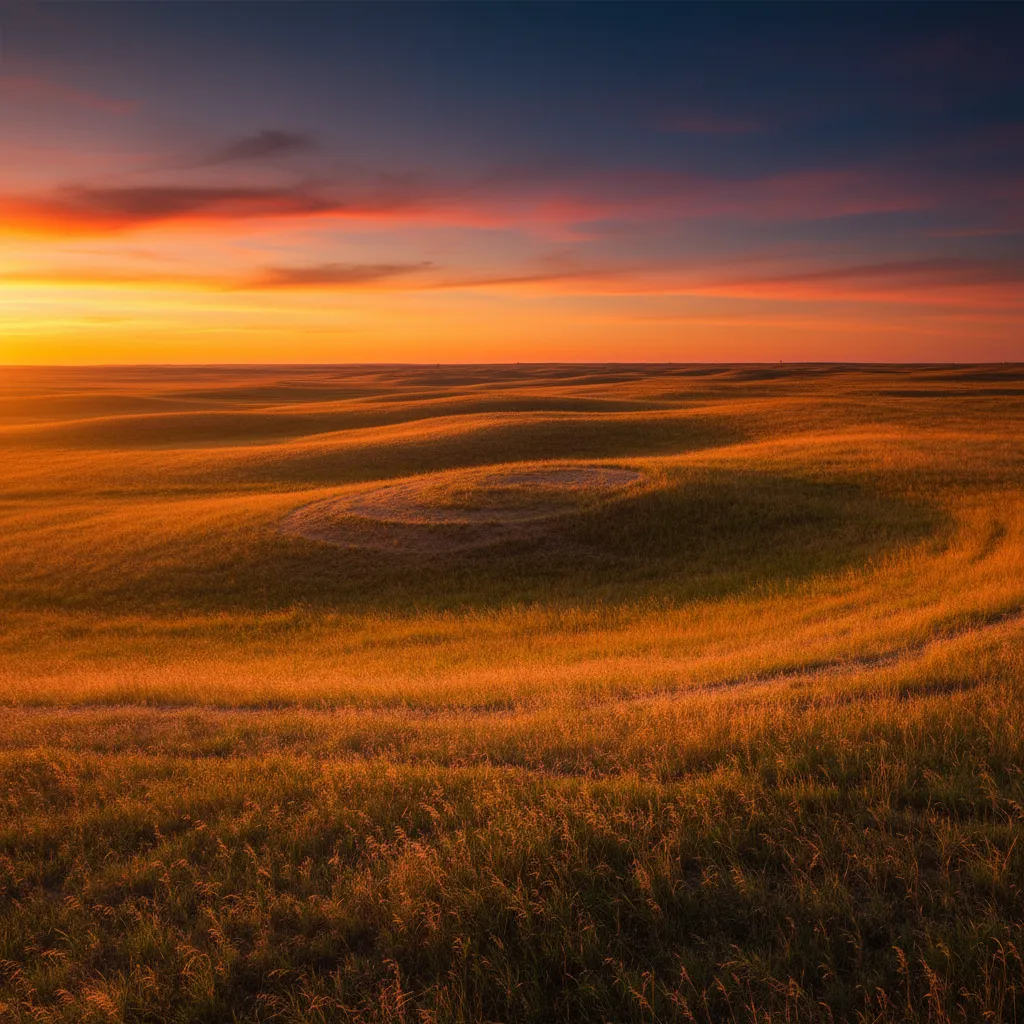
Imagine a National Monument so thoroughly looted that the U.S. government, in an unprecedented move, gave up on its preservation and stripped it of its designation. Imagine a place where ancient treasures, dating back 100 million years, once lay in breathtaking abundance, only to be systematically plundered until barely a trace remained. This isn't a dystopian novel; it's the true, heartbreaking saga of Fossil Cycad National Monument in South Dakota, a 'ghost monument' that serves as a stark, silent warning about the fragility of our natural heritage and the devastating impact of human greed.
The Ghost Monument That Vanished
In the vast, rolling prairies of South Dakota lies a place that defies conventional tourism. It’s not marked by grand visitor centers, interpretive trails, or even a simple sign. Today, it’s just an ordinary patch of prairie, indistinguishable from the thousands of acres around it. Yet, beneath its unassuming surface, lies a story of unparalleled scientific importance, relentless human destruction, and a legacy of preservation failure so profound it led to a national monument being erased from the map. This is the former site of Fossil Cycad National Monument, a place that, despite its physical absence, casts a long shadow over the history of conservation.
What makes this 'ghost monument' so utterly fascinating is not what you can see there today, but what was lost. For decades, this site was home to the most extensive and diverse collection of fossilized cycads ever discovered. These ancient, palm-like plants thrived during the age of dinosaurs, and their petrified remains here offered an invaluable window into a bygone world. But the very abundance that made it special also sealed its fate, turning it into a magnet for collectors – both amateur and professional – who, over many years, systematically stripped the landscape bare.
A Glimpse Into the Cretaceous Past: The Cycads of South Dakota
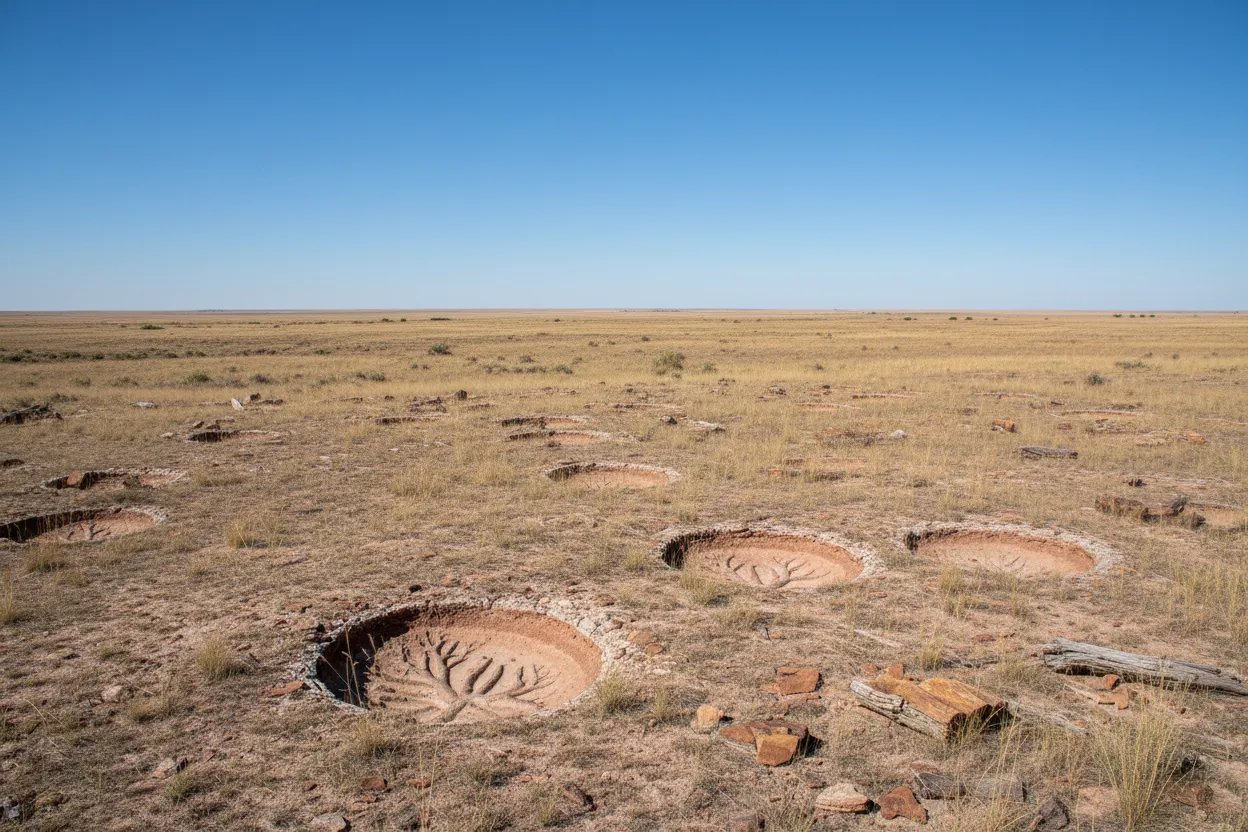
To truly appreciate the tragedy, one must first understand the wonder. Around 100 million years ago, during the Cretaceous period, the landscape of what is now South Dakota was dramatically different. It was a semi-tropical environment, teeming with life, including vast forests of cycads. These weren't just any plants; cycads are an ancient lineage, often called "living fossils" because modern species bear a striking resemblance to their prehistoric ancestors. The fossilized cycads found in this region were particularly special: incredibly well-preserved, often three-dimensional, and representing numerous species previously unknown to science.
The discovery of these remarkable fossils began in the late 19th and early 20th centuries. Paleontologists, including the renowned O.C. Marsh, recognized the immense scientific value of the site. The sheer concentration and quality of the fossils were astounding, offering an unparalleled opportunity to study ancient plant life and the ecosystems of the Mesozoic Era. It was a paleontological treasure trove, a botanical time capsule that promised to unlock secrets of Earth's deep past. Recognizing its national significance, President Woodrow Wilson proclaimed it Fossil Cycad National Monument in 1922, aiming to protect these irreplaceable specimens for future generations.
The Unraveling: A Story of Passion, Plunder, and Preservation Failure
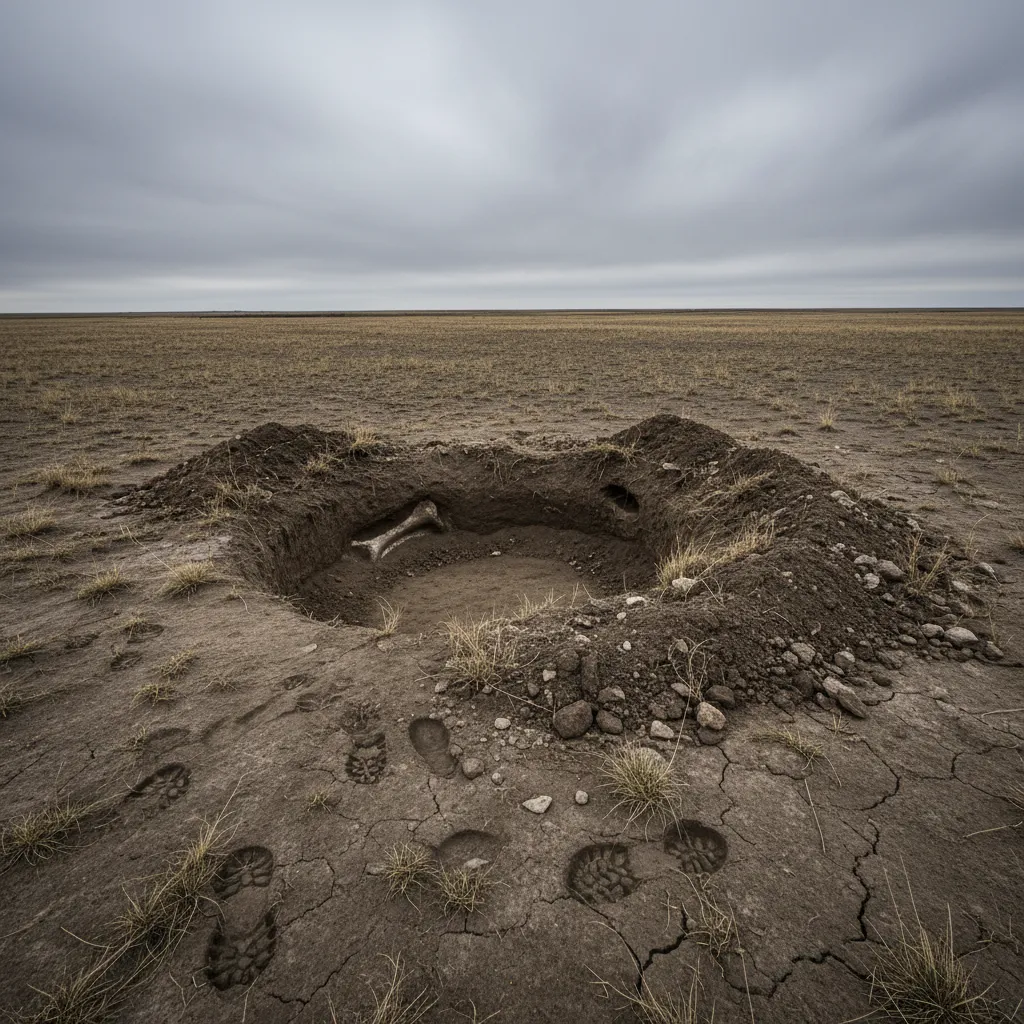
The designation as a National Monument should have been its salvation, but tragically, it proved to be a death knell. The remote location and the sheer scale of the fossil beds made effective policing nearly impossible. Despite the best efforts of the National Park Service (NPS) with limited resources, the site became a free-for-all. Collectors, driven by scientific curiosity, personal passion, or commercial gain, descended upon the monument. They came with shovels, picks, and even dynamite, systematically extracting the fossils.
For decades, the looting continued, unabated and relentless. Every visit by an NPS ranger revealed more damage, more missing specimens. The fossils, once numbering in the thousands, began to dwindle. The very act of designating it a monument, ironically, may have publicized its location and made it an even more attractive target. The story of Fossil Cycad National Monument is a painful testament to the challenges of protecting vast, remote areas rich in accessible natural heritage, especially when faced with determined and numerous pilferers.
By the mid-1950s, the situation was dire. Surveys revealed that nearly all of the significant fossils had been removed. The original purpose of the monument—to preserve an outstanding collection of fossilized cycads—could no longer be met because there was nothing left to preserve. In 1957, in an unprecedented and somber decision, the U.S. government officially stripped Fossil Cycad National Monument of its designation. It was a concession of defeat, a painful acknowledgment that preservation had utterly failed. It remains the only national monument to ever be de-designated due to extensive looting.
What You'll (Not) See There Today: A Barren Prairie's Silent Story
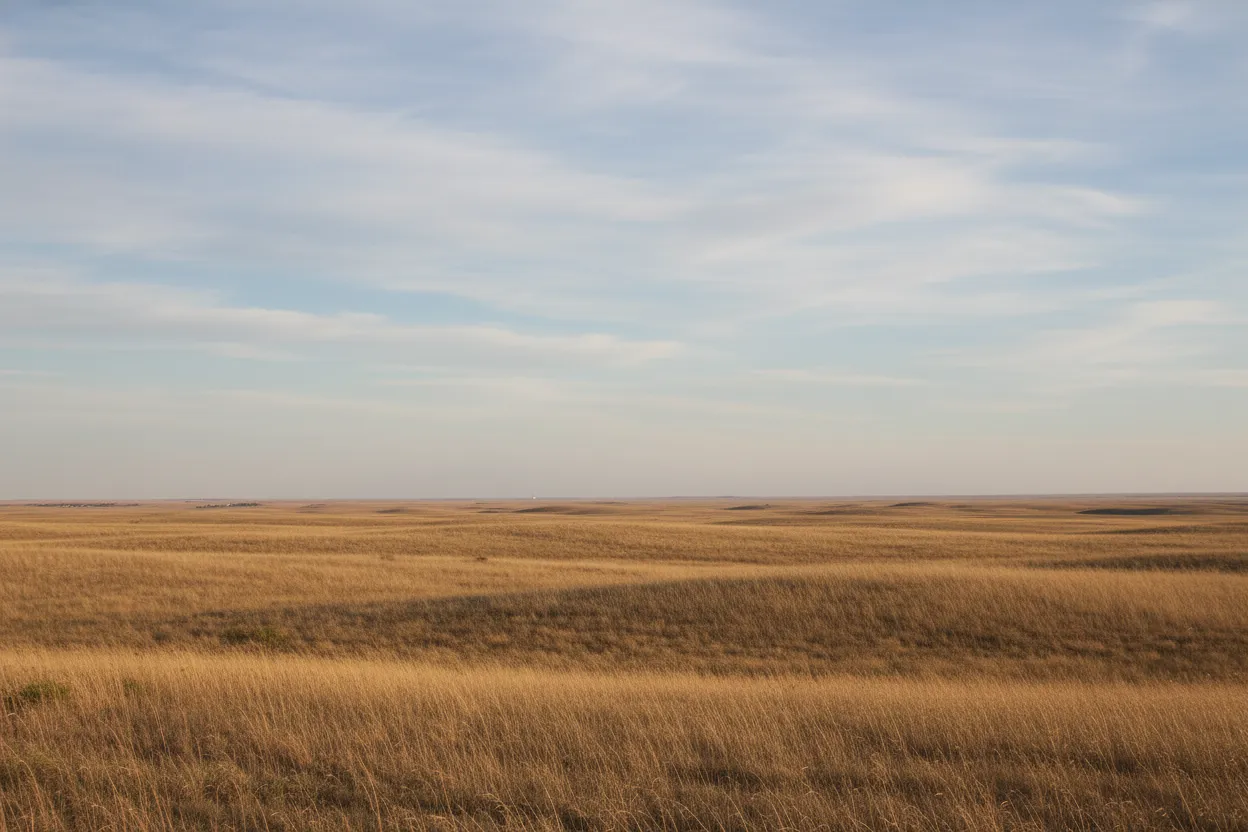
So, what can you expect if you visit the former site of Fossil Cycad National Monument today? Prepare for an experience that is more philosophical than visual. You won't find a grand entrance, a visitor center, or even a historical marker. What you will find is an expanse of windswept prairie, dotted with grasses and perhaps a few wildflowers, under the vast South Dakota sky. It is, by all accounts, an ordinary patch of land, utterly devoid of the extraordinary treasures it once held.
And that, paradoxically, is precisely what makes it so compelling. To stand on that unmarked ground is to confront a profound emptiness, a void where ancient life once lay exposed. It's a place that forces you to engage your imagination, to conjure the images of what once was: the lush cycad forests, the dinosaurs roaming nearby, the excited paleontologists, and finally, the relentless looters. It's a powerful, albeit somber, reminder of our responsibility to protect our shared natural and scientific heritage, and a poignant warning of what happens when that responsibility is neglected.
Planning Your Somber Pilgrimage: Practical Visit Tips
Visiting the former Fossil Cycad National Monument is not for the casual tourist seeking marked attractions. This is a pilgrimage for those deeply interested in history, paleontology, and the complex story of human impact on the environment. It requires research, a sense of adventure, and a profound respect for the land's silent narrative.
- Finding the Site: The exact location is not publicly marked and lies on a mix of private and federal lands near the town of Fairburn, South Dakota. Access can be challenging. It's crucial to respect private property boundaries and seek permission if you believe you are on private land. Detailed historical maps and geological surveys may provide approximate coordinates, but expect to do some diligent research.
- What to Bring: Your imagination, a good map (and GPS!), sturdy walking shoes, water, and perhaps a journal to reflect on the experience. Don't expect to find any fossils; they are long gone.
- The Experience: This is a contemplative visit. Stand on the prairie, feel the wind, and reflect on the incredible past and the tragic loss. It's a powerful lesson in conservation and the ethics of collecting.
- Combine Your Trip: Since the former monument itself offers little in the way of traditional attractions, consider combining your visit with other incredible South Dakota destinations. The Badlands National Park, with its dramatic landscapes and rich fossil beds (now meticulously protected), is a relatively short drive away. The Black Hills, Mount Rushmore, and Wind Cave National Park also offer stunning natural beauty and historical significance, making for a truly memorable South Dakota adventure that contrasts starkly with the ghost monument's tale.
The story of Fossil Cycad National Monument is a somber but essential chapter in America’s conservation history. It reminds us that some treasures, once lost, can never be recovered. Visiting its silent, barren landscape offers a unique opportunity to connect with the past, reflect on our present responsibilities, and perhaps, inspire a deeper appreciation for the protected natural wonders we still have.
Essential Travel Information
- Location Fossil Cycad National Monument (Former Site), USA
- Best Time Late Spring to Early Fall (May-October) for pleasant weather, though the experience is more reflective than weather-dependent.
- Getting There Located near Fairburn, South Dakota. Requires detailed research and GPS to pinpoint the approximate, unmarked site. Access involves rural roads, often unpaved.
- Airport Rapid City Regional Airport (RAP)
- Budget Budget (approx. $50-100/day, excluding flights, if camping/budget lodging and self-catering)
- Language English
Find Places to Stay Near Fossil Cycad National Monument (Former Site)
Compare hotels, hostels, and unique stays in USA.
Search AccommodationTours & Experiences Near Fossil Cycad National Monument (Former Site)
Book guided tours, day trips, and unique experiences.
Browse Tours