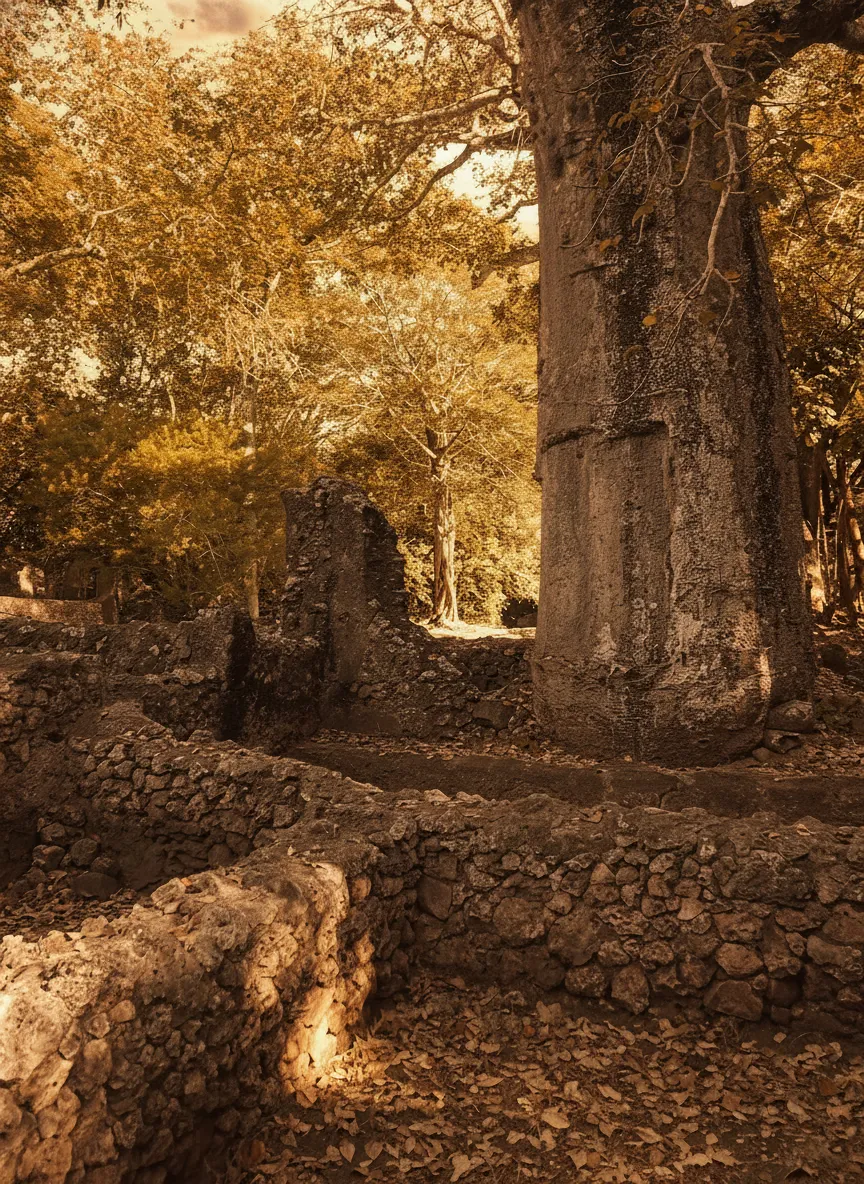
Deep within a coastal Kenyan forest, a once-thriving medieval Swahili city lies swallowed by the jungle, its secrets whispered only by the wind through its crumbling stone walls. Imagine stumbling upon an entire civilization, not buried by sand or ash, but gently embraced by nature, its grand palaces and bustling markets now home to ancient baobabs and curious monkeys. This isn't a scene from an adventure movie; it's the captivating reality of Gede Ruins, an extraordinary archaeological site that promises an unparalleled journey into Africa's mysterious past. If you're seeking an experience that marries profound history with breathtaking natural beauty, far from the well-trodden tourist paths, then pack your bags – because Gede is calling.
Step Back in Time: The Enchanting Mystery of Gede Ruins
What makes Gede Ruins truly special isn't just its age or its intricate architecture, but the profound sense of mystery that permeates every crumbling archway and overgrown courtyard. Flourishing between the 12th and 17th centuries, Gede was a significant Swahili-Arab settlement, a vibrant hub of trade and culture along the Indian Ocean coast. Yet, unlike many ancient cities that met their end in dramatic fashion, Gede wasn't destroyed by war or natural disaster. It was simply… abandoned. Around the 17th century, its inhabitants seemingly vanished, leaving behind a remarkably preserved city for the jungle to reclaim.
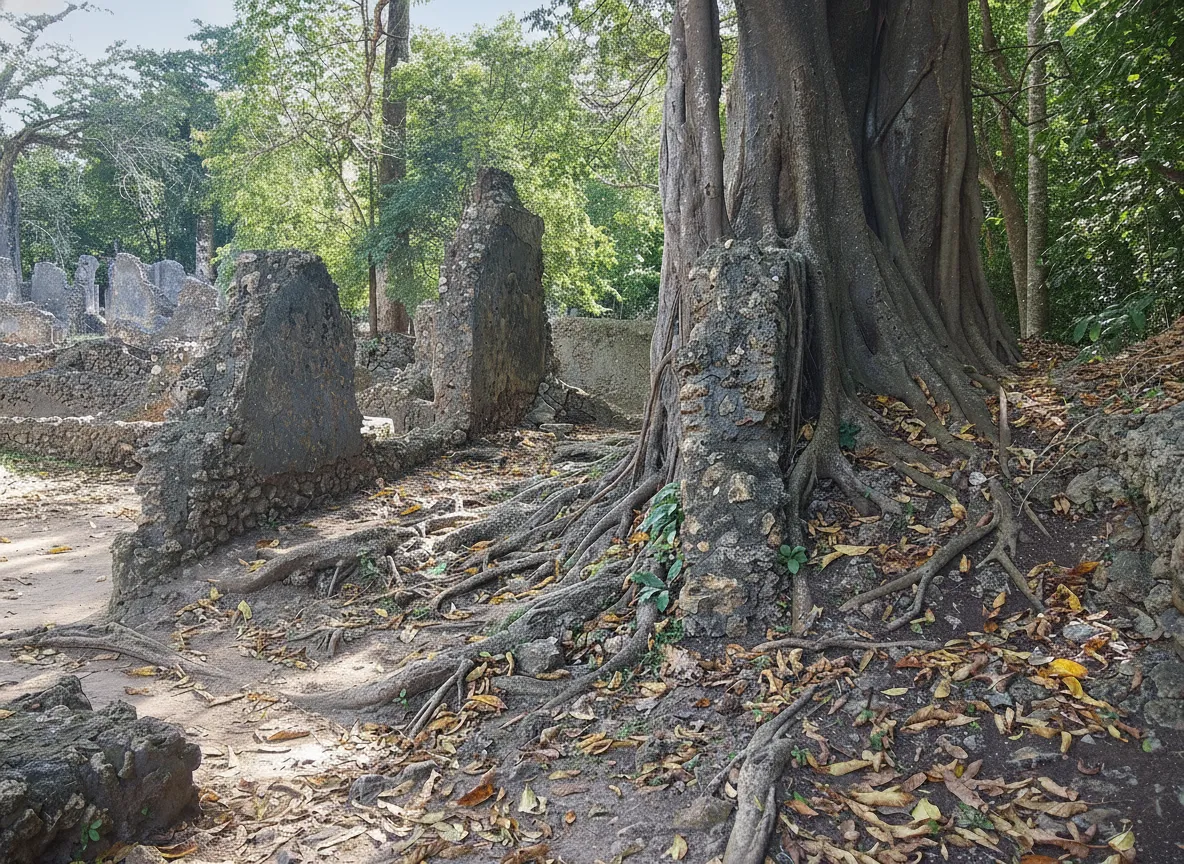
This natural reclamation is what gives Gede its utterly unique atmosphere. Instead of excavated foundations, you walk through entire structures where massive tree roots intertwine with stone walls, and mahogany branches sprout from former living rooms. It's a "jungle ghost town" in the truest sense, where the boundary between human creation and the raw power of nature blurs into an ethereal landscape. This isn't just a historical site; it's an ecological marvel, a living testament to time's relentless march and nature's enduring embrace. The question of "why" Gede was abandoned remains one of East Africa's most compelling historical puzzles, drawing historians, archaeologists, and curious travelers alike into its enigmatic spell.
Echoes of a Golden Age: The History of Gede
To truly appreciate Gede, it helps to understand the vibrant tapestry of the Swahili civilization it was a part of. The Swahili people, a unique blend of indigenous African Bantu cultures and Arab, Persian, and Indian influences, established a network of powerful city-states along the East African coast. These maritime empires thrived on the lucrative Indian Ocean trade, exchanging gold, ivory, timber, and slaves for porcelain, textiles, and spices from as far away as China and India. Gede was one such prosperous city, strategically located near the coast, benefiting immensely from these global connections.
Archaeological evidence paints a picture of a sophisticated, wealthy society. Excavations have unearthed a treasure trove of artifacts: Ming Dynasty porcelain, Venetian glass beads, and Islamic pottery, all testaments to its far-reaching trade networks. The city boasted advanced infrastructure for its time, including sophisticated wells and drainage systems. Its people practiced Islam, as evidenced by the numerous mosques found within the city walls. For centuries, Gede flourished, a beacon of culture and commerce. Yet, around the early 17th century, the city began to decline, eventually being completely deserted. Theories abound: was it a shift in trade routes that rendered its port less vital? Was it a lack of fresh water, dwindling resources, or perhaps even a devastating plague or an attack from rival tribes? The truth is lost to time, adding layers of intrigue to this already fascinating archaeological site in Kenya.
Wander Through the Walls: What to Expect at Gede
Stepping into Gede is like entering another dimension. The moment you pass through the entrance, the sounds of the modern world fade, replaced by the rustle of leaves, the chirping of cicadas, and the distant calls of monkeys. A network of well-maintained paths guides you through the sprawling ruins, allowing you to explore at your own pace. Your first impression will likely be the sheer scale of the city, much larger than you might anticipate for a site so thoroughly reclaimed by nature.
Among the most impressive structures is the Great Mosque, its intricate mihrab (prayer niche) still visible, providing a poignant glimpse into the city's religious life. Nearby, the Sultan's Palace, or "Grand Palace," stands as a testament to the city's former rulers, with its audience chamber, sunken court, and private living quarters still discernible. Imagine the bustling activity, the political intrigue, and the daily lives that once unfolded within these very walls. You'll also encounter numerous residential houses, some surprisingly large, complete with courtyards and even rudimentary bathrooms, showcasing the domestic life of Gede's inhabitants.
One of the most captivating aspects is how nature has become an intrinsic part of the architecture. Giant baobab trees, centuries old, stand sentinel, their roots snaking through foundations, embracing walls like ancient guardians. Mahogany trees burst through former roofs, their canopies providing welcome shade. Keep an eye out for the resident Sykes' monkeys and baboons, who have made these ruins their home, adding a lively, untamed element to your exploration. Don't miss the unique "Pillar Tombs," distinctively Swahili burial structures that dot the landscape, offering another insight into their cultural practices.
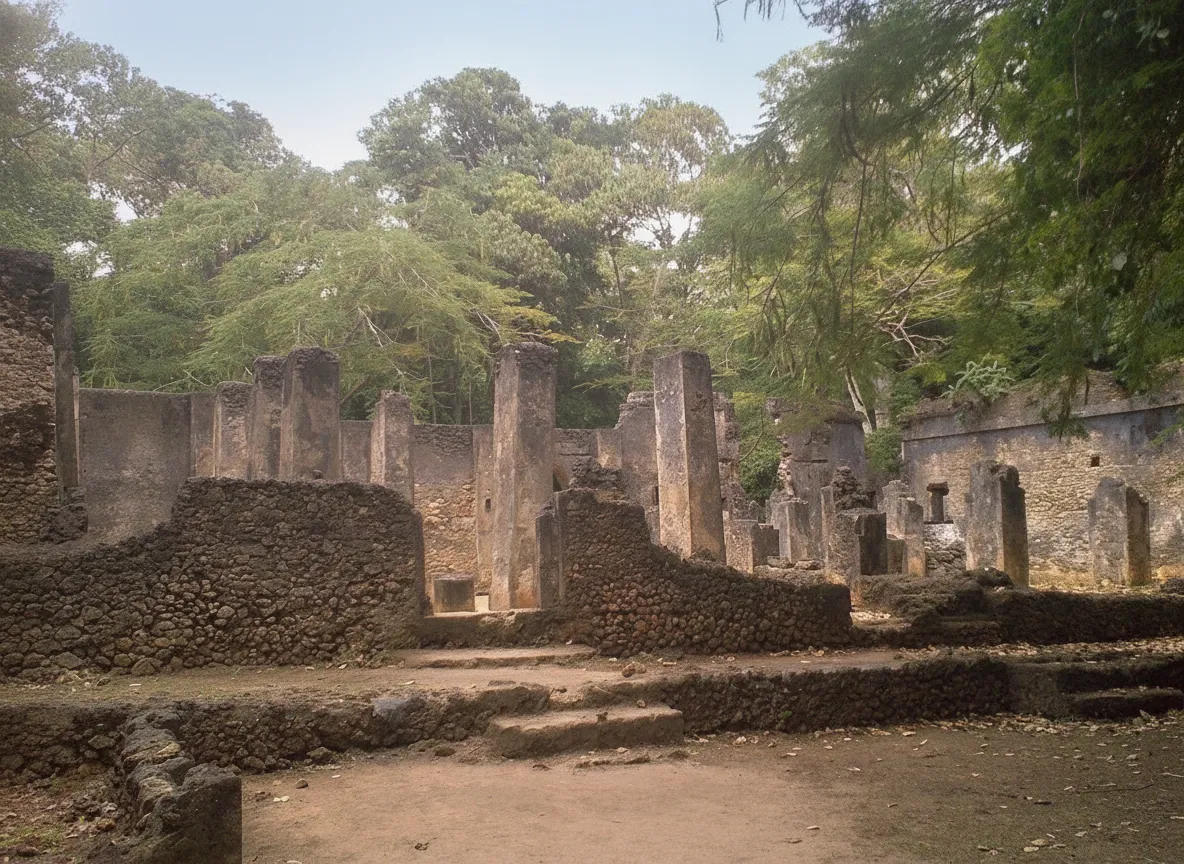
As you wander, take a moment to pause, close your eyes, and listen. The wind truly does seem to whisper stories through the ancient stones, carrying echoes of a bygone era. It's an experience that engages all your senses, from the earthy smell of the forest to the tactile sensation of ancient coral stone beneath your fingertips. Each corner turned reveals a new vista, a new secret waiting to be discovered, making Gede an endlessly fascinating historical landmark in Kenya.
Your Journey to the Lost City: Practical Tips for Visiting Gede
Ready to embark on your own expedition to this lost city of Kenya? Visiting Gede Ruins is a truly rewarding experience, and a little planning goes a long way. The ruins are located just off the main Malindi-Mombasa road, a short drive from the popular coastal towns of Malindi and Watamu.
- Getting There: The easiest way to reach Gede is by taxi or a local tuk-tuk from Malindi (about 15-20 minutes) or Watamu (about 10 minutes). Many hotels in these areas can arrange transport for you.
- Best Time to Visit: The dry seasons (December to March and July to October) are ideal, as the paths are less muddy and the weather is generally more pleasant. Early mornings are best to avoid the midday heat and to enjoy the tranquility before larger crowds arrive.
- What to Bring: Wear comfortable walking shoes, as you'll be on your feet for a few hours. A hat, sunscreen, insect repellent, and plenty of water are essential. Don't forget your camera – the photo opportunities are incredible!
- Guides: While you can explore independently, hiring a local guide at the entrance is highly recommended. Their knowledge of the history, theories, and specific structures will bring the ruins to life and enrich your visit immensely. They often have fascinating anecdotes and can point out details you might otherwise miss.
- Entry Fees: There is an entrance fee, which contributes to the preservation and maintenance of the site.
- Duration: Allocate at least 2-3 hours to thoroughly explore the site without feeling rushed.
- Nearby Attractions: Combine your visit to Gede with other local gems. The pristine beaches of Watamu, the marine life of Watamu Marine National Park, and the unique ecosystem of Arabuko Sokoke Forest are all within easy reach, making for a fantastic day out on the Kenya coast.
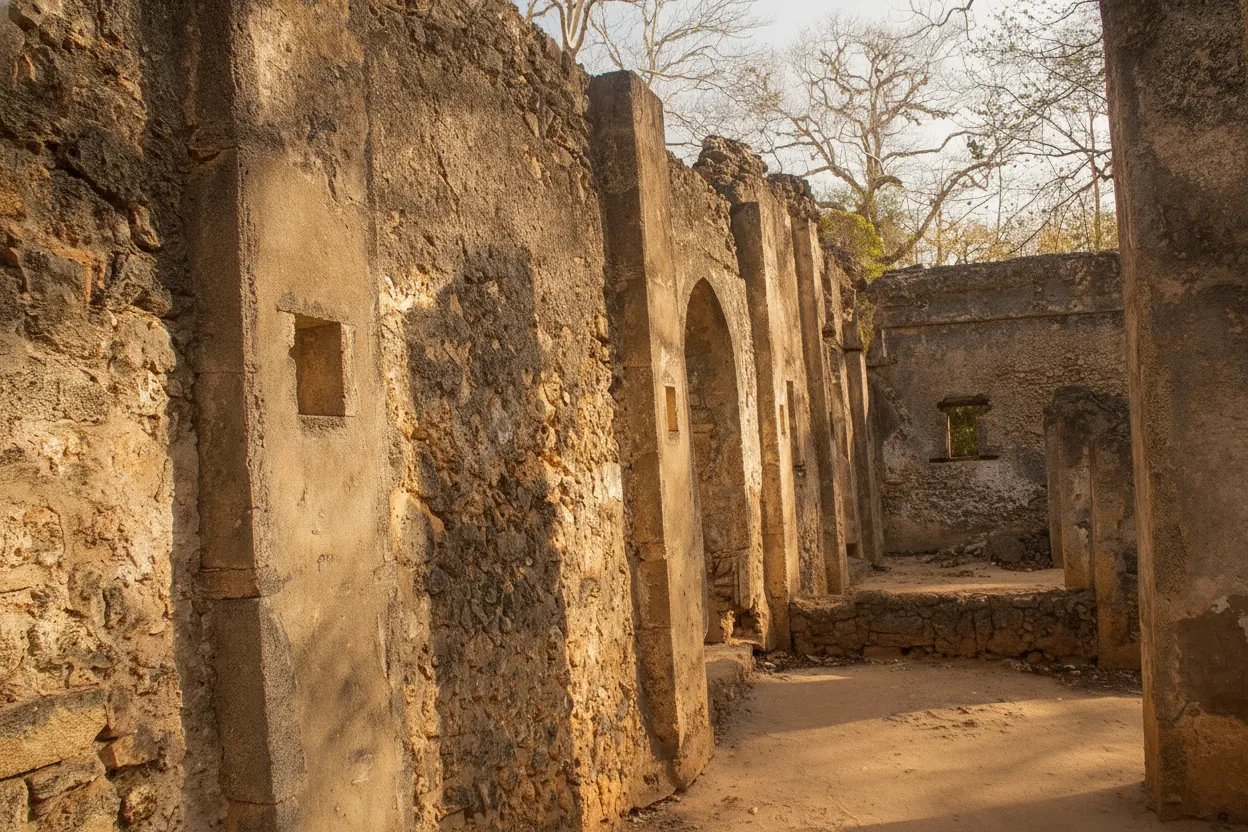
Gede Ruins is more than just a collection of ancient stones; it's a profound experience that connects you directly to the heart of East Africa's rich past. It challenges you to ponder the transience of human endeavor and the enduring power of nature. So, if you're looking for an adventure that combines history, mystery, and unparalleled natural beauty, make Gede a must-see on your Kenyan itinerary. You won't just visit a place; you'll embark on a journey through time.
Essential Travel Information
- Location Gede Ruins, Kenya
- Best Time December to March, July to October (dry seasons)
- Getting There Easily accessible by taxi or tuk-tuk from Malindi (15-20 mins) or Watamu (10 mins).
- Airport Malindi Airport (MYD), Moi International Airport (Mombasa - MBA)
- Budget Mid-range (approx. $50-100 USD per day for local transport, entry, and guide)
- Language Swahili, English
Find Places to Stay Near Gede Ruins
Compare hotels, hostels, and unique stays in Kenya.
Search AccommodationTours & Experiences Near Gede Ruins
Book guided tours, day trips, and unique experiences.
Browse Tours