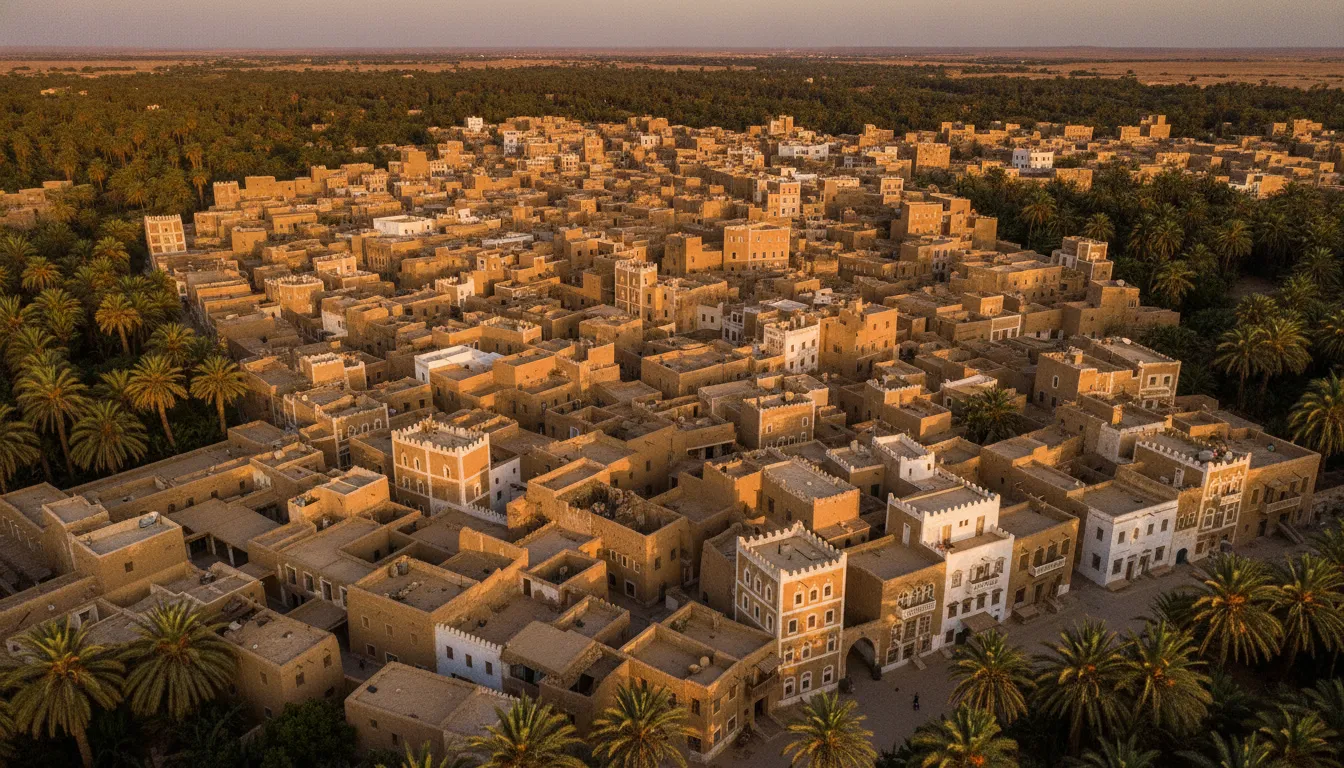
Imagine an entire ancient city specifically designed to beat the Sahara's relentless heat, where streets are literally covered and homes are built into one another to maximize shade and create a subterranean world. This isn't a fantasy from a sci-fi novel; it's the living, breathing reality of Ghadames Old Town, a UNESCO World Heritage site nestled deep in the Libyan desert. Stepping into Ghadames is like journeying back in time to an era when human ingenuity triumphed over nature's extremes, crafting an urban marvel that remains an unparalleled testament to sustainable living and community design. If you've ever dreamed of discovering a truly hidden gem, a place where every mud-brick wall whispers ancient tales and every shaded alley offers a cool embrace, then prepare to be captivated by Ghadames.
What Makes Ghadames Old Town Truly Unique?
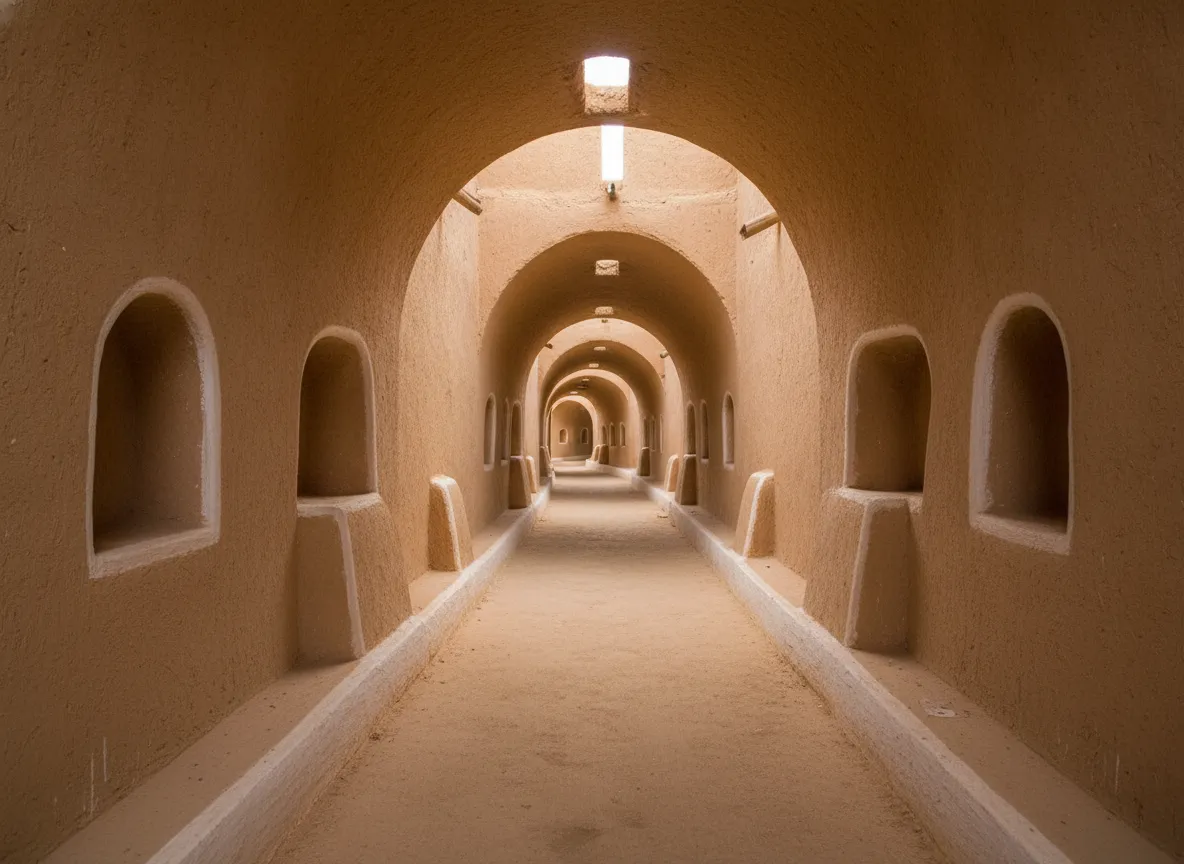
At the heart of Ghadames's allure is its astonishing architectural response to one of the planet's most unforgiving environments. This isn't just a collection of old buildings; it's a meticulously engineered ecosystem designed to create a microclimate of comfort amidst the scorching Sahara. The entire old town is a labyrinthine oasis of mud-brick structures, but what truly sets it apart are its ingenious, covered alleyways. These aren't just pathways; they are subterranean streets, a vast network of shaded tunnels that weave between and through the multi-story houses. Walking through them, you immediately feel the several-degree drop in temperature compared to the exposed desert outside. It's a natural air-conditioning system, perfected over centuries, allowing residents to navigate their city in relative coolness, even when the sun blazes overhead.
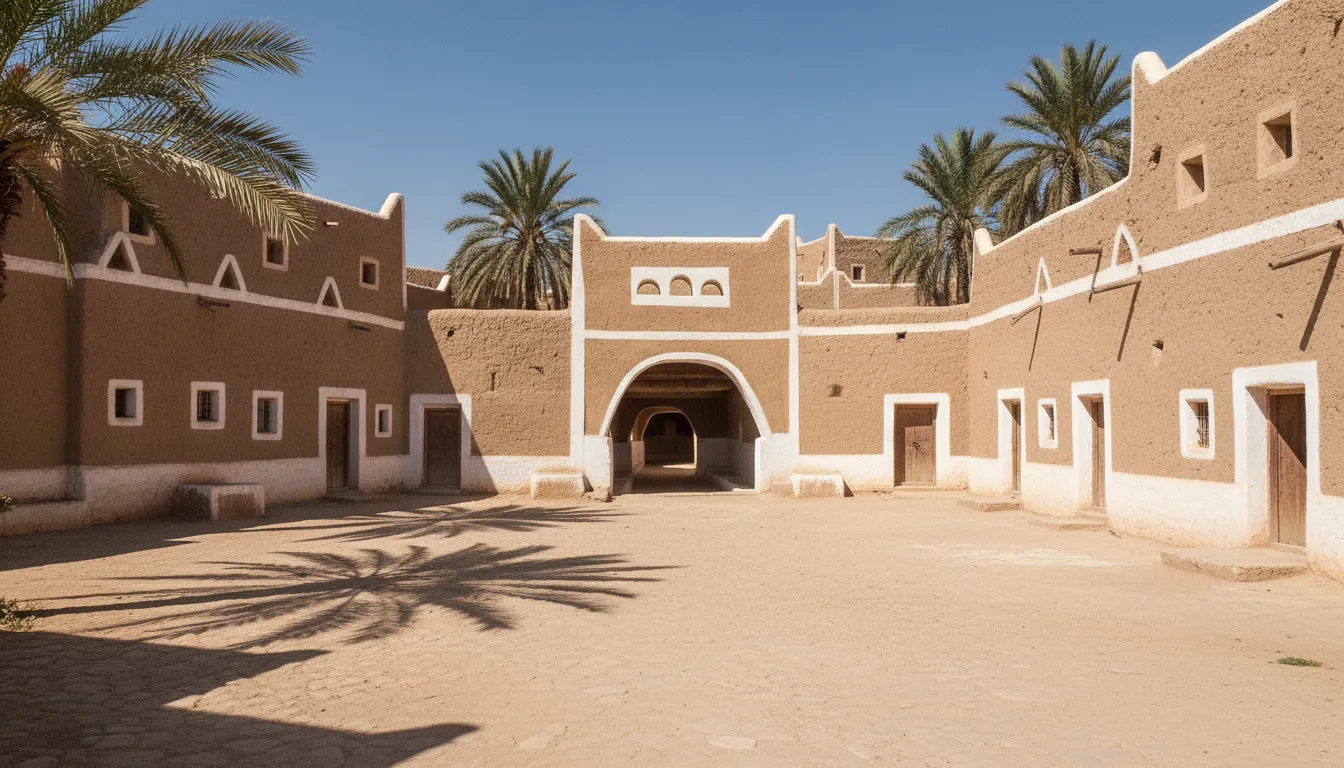
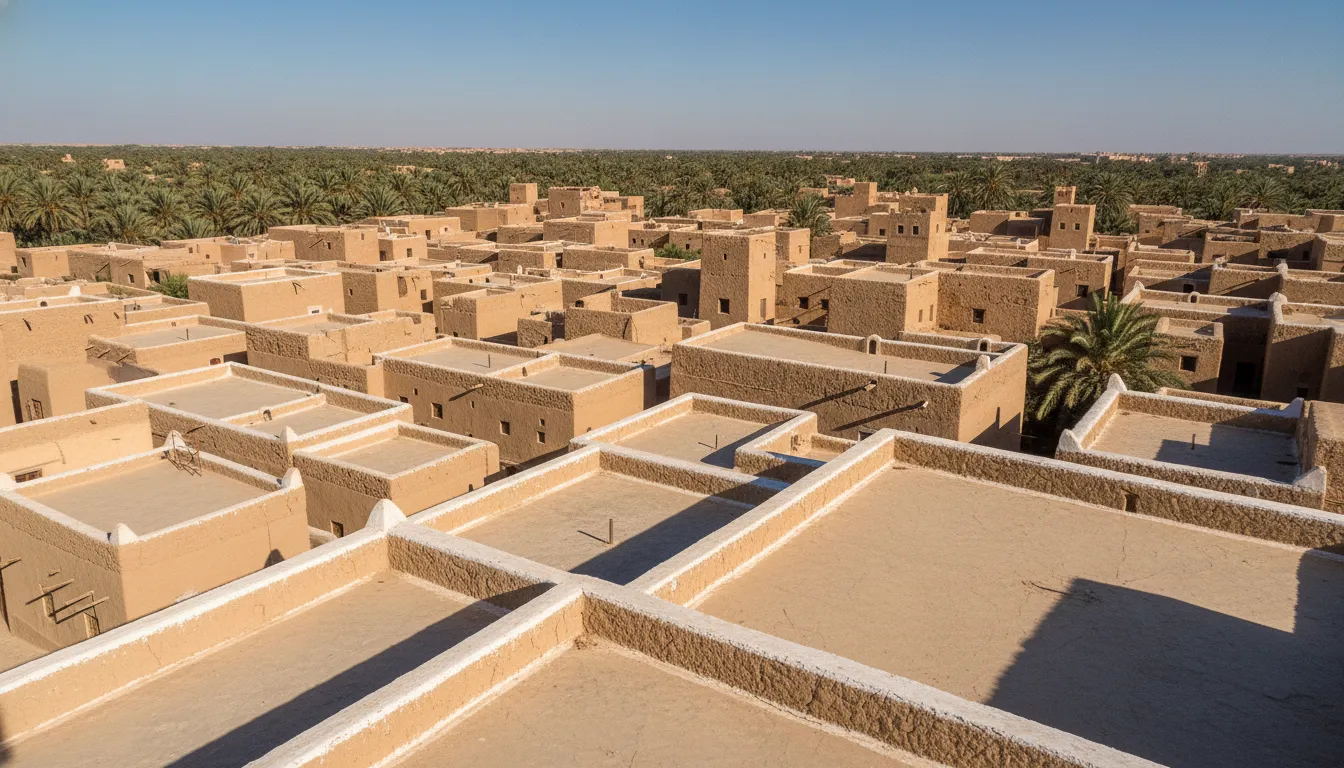
The houses themselves are architectural wonders, built with thick, insulating mud-brick walls that keep interiors cool by day and warm by night. They are often interconnected, forming a continuous, organic structure where one building flows into another, maximizing shared shade and thermal mass. Family rooms are typically found on the upper levels, benefiting from better airflow, while the flat rooftops serve a dual purpose: they are traditionally reserved for women and children, providing private open-air spaces for socializing, chores, and sleeping under the stars. This unique social geography, where public life thrives in the cool, covered ground-level arteries and private life flourishes on the sun-drenched rooftops, is a fascinating aspect of Ghadames's cultural heritage. It's a living, breathing testament to human ingenuity, a blueprint for sustainable living that predates modern environmental concerns by millennia.
A Journey Through Time: The History of Ghadames
The story of Ghadames is as ancient and layered as its mud-brick walls. Its strategic location, at a vital crossroads of trans-Saharan trade routes, ensured its prominence for millennia. Archaeological evidence suggests human settlement here dates back to the Roman period, and possibly even earlier, with the oasis providing a critical lifeline for caravans traversing the vast desert. Over centuries, it became a thriving hub for merchants exchanging goods like gold, salt, slaves, and spices, linking the heart of Africa with the Mediterranean world. This constant flow of people and goods enriched Ghadames, shaping its unique cultural tapestry, which blends Berber, Tuareg, and Arab influences.
The town's golden age saw the development of its distinctive architecture, evolving to perfectly suit its harsh environment and burgeoning population. Its layout reflects a deep understanding of community, privacy, and climate control, practices that were passed down through generations. In 1986, recognizing its outstanding universal value as an example of traditional human settlement and land-use which is representative of a culture, or human interaction with the environment especially when it has become vulnerable under the impact of irreversible change, Ghadames Old Town was rightfully inscribed as a UNESCO World Heritage site. Today, while many residents have moved to a newer town built nearby, the old town stands preserved, a silent yet eloquent witness to its rich past, offering a rare glimpse into a way of life that has endured for centuries against all odds.
Exploring the Labyrinth: What You'll See and Experience
Stepping into Ghadames Old Town is an immersive experience that engages all your senses. The first thing you'll notice is the cool, earthy scent of the mud-brick and the profound silence, broken only by your own footsteps and perhaps the distant call of a bird. The covered alleyways are the arteries of the town, some wide enough for a small cart, others so narrow you have to turn sideways. Sunlight filters down through occasional openings, creating dramatic shafts of light and shadow that dance on the ancient walls. It feels like exploring a living cave system, each turn revealing a new perspective, a hidden courtyard, or a beautifully carved wooden door that hints at the private world within.
As you wander, a knowledgeable local guide is indispensable, not just for navigation through the bewildering maze but also for unlocking the stories embedded in every corner. They'll point out the distinct features of the houses: the small, high windows designed to keep out prying eyes and direct sunlight; the ingenious ventilation shafts; and the communal ovens where families once baked bread. You might even be invited into one of the preserved homes, allowing you to appreciate the multi-level living spaces, often adorned with traditional rugs and simple furnishings, showcasing the cozy, efficient design. Ascending to one of the rooftops offers a breathtaking contrast – from the cool, dark labyrinth below, you emerge into the vast, open expanse of the Sahara sky, with an unbroken panorama of mud-brick roofs stretching to the horizon. Here, you can truly appreciate the scale of this architectural masterpiece and the ingenious social design that separated public and private, men's and women's worlds.
Beyond the residential areas, you'll discover the remnants of the town's public life: several ancient mosques, their simple minarets rising above the rooftops, and the old souk, or market, where traders once bartered their wares. Though the bustling crowds of centuries past are gone, the echoes of commerce and community still resonate in these spaces. Ghadames isn't just a collection of buildings; it's a profound cultural experience, a place where the past isn't just remembered but palpably felt, offering a deep connection to human resilience and ingenuity.
Planning Your Expedition: Practical Tips for Visiting Ghadames
Visiting Ghadames Old Town is an extraordinary privilege, but it requires careful planning and an understanding of the current travel landscape. Libya's political situation means that independent travel is highly discouraged, and entry typically requires official permits and an organized tour with a reputable local agency. When the time is right and travel becomes safely feasible, embarking on this journey will be an adventure of a lifetime.
The best time to visit Ghadames, and the Libyan desert in general, is during the cooler months, from October to April. Summers are brutally hot, with temperatures soaring well above 40°C (104°F), making exploration challenging, even with the town's natural cooling system. During your visit, comfortable, sturdy walking shoes are essential for navigating the uneven surfaces of the old town. Lightweight, modest clothing is also recommended, respecting local customs and providing protection from the sun. Always carry plenty of water, especially if you venture beyond the shaded alleys into the surrounding desert landscape.
Engaging a local guide is not just about navigating the maze; it's about gaining invaluable insights into the history, culture, and daily life of Ghadames. Their stories and perspectives will enrich your experience immeasurably. Remember to be respectful of local customs and traditions, particularly regarding photography of people. Ghadames is more than just a destination; it's a profound cultural encounter, a place that reminds us of humanity's incredible capacity for adaptation, community, and creating beauty in the most challenging environments. For the adventurous traveler seeking a truly unique and meaningful experience, Ghadames Old Town awaits, a whisper of ancient wisdom in the heart of the Sahara.
Essential Travel Information
- Location Ghadames Old Town, Libya
- Best Time October to April
- Getting There Typically involves flying to Tripoli, then an internal flight or long drive to Ghadames. Requires official permits and an organized tour through a local agency.
- Airport Ghadames Airport (GDM)
- Budget Mid-range to Luxury (due to specialized tour requirements and permits), approx. $300-600+ per day for organized tours.
- Language Arabic, Berber (Tamazight)
Find Places to Stay Near Ghadames Old Town
Compare hotels, hostels, and unique stays in Libya.
Search AccommodationTours & Experiences Near Ghadames Old Town
Book guided tours, day trips, and unique experiences.
Browse Tours