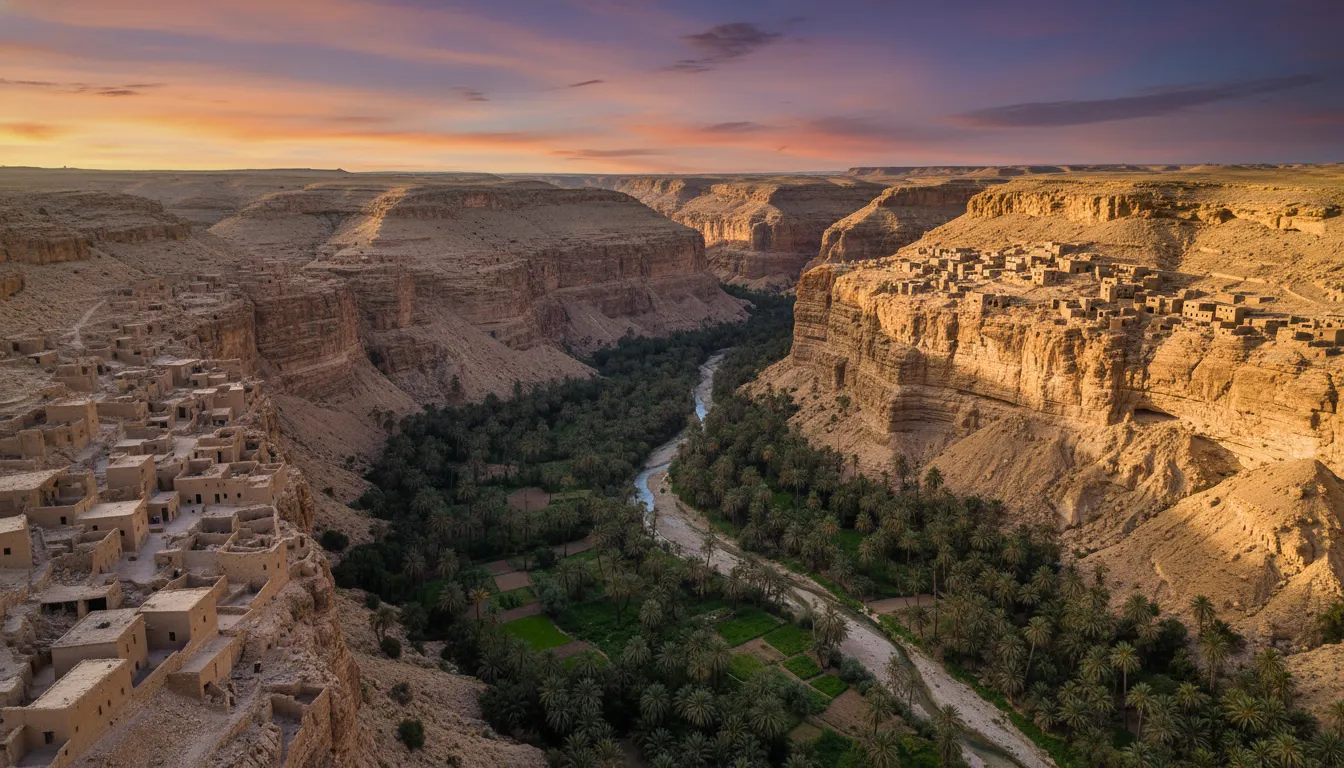
Imagine a landscape so dramatic, so ancient, it feels like stepping onto another planet. Now, imagine finding this geological wonder tucked away in a corner of North Africa, where indigenous communities have not just survived but thrived, carving their very homes into the sheer rock faces. This isn't a fantasy; this is Ghoufi Canyon, often hailed as the 'Grand Canyon of Algeria,' a breathtaking testament to both nature's power and human ingenuity, awaiting discovery deep within the Aures Mountains.
For too long, this hidden gem has remained off the radar for most international travelers. But for those intrepid souls seeking genuine adventure, profound cultural immersion, and scenery that will steal your breath away, Ghoufi Canyon, or Les Balcons de Ghoufi as it's locally known, promises an experience unlike any other. Prepare to be enchanted by a world where ochre cliffs meet verdant oases, where ancient Berber whispers echo through the ravines, and where life clings impossibly to the precipice.
The Grand Canyon of Algeria: A Geological and Cultural Marvel
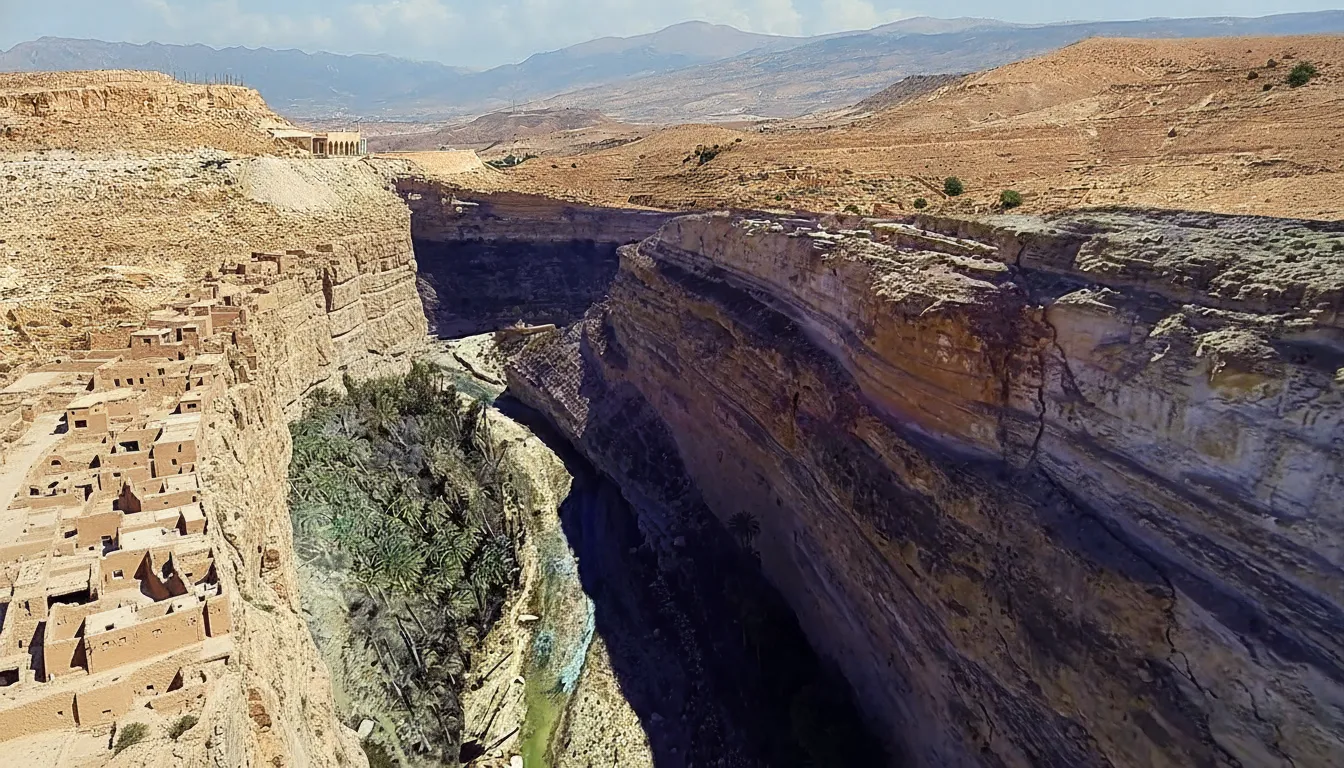
What truly sets Ghoufi Canyon apart is its astonishing blend of natural grandeur and human adaptation. Geologically, it's a spectacle. The Oued Abiod (White River) has, over millennia, carved a magnificent gorge through the limestone and sandstone of the Aures Mountains, creating towering cliffs that plunge hundreds of meters. The sheer scale and the vibrant palette of reds, oranges, and browns that shift with the sun's journey across the sky are genuinely reminiscent of Arizona's iconic Grand Canyon, yet with a distinctly Algerian soul.
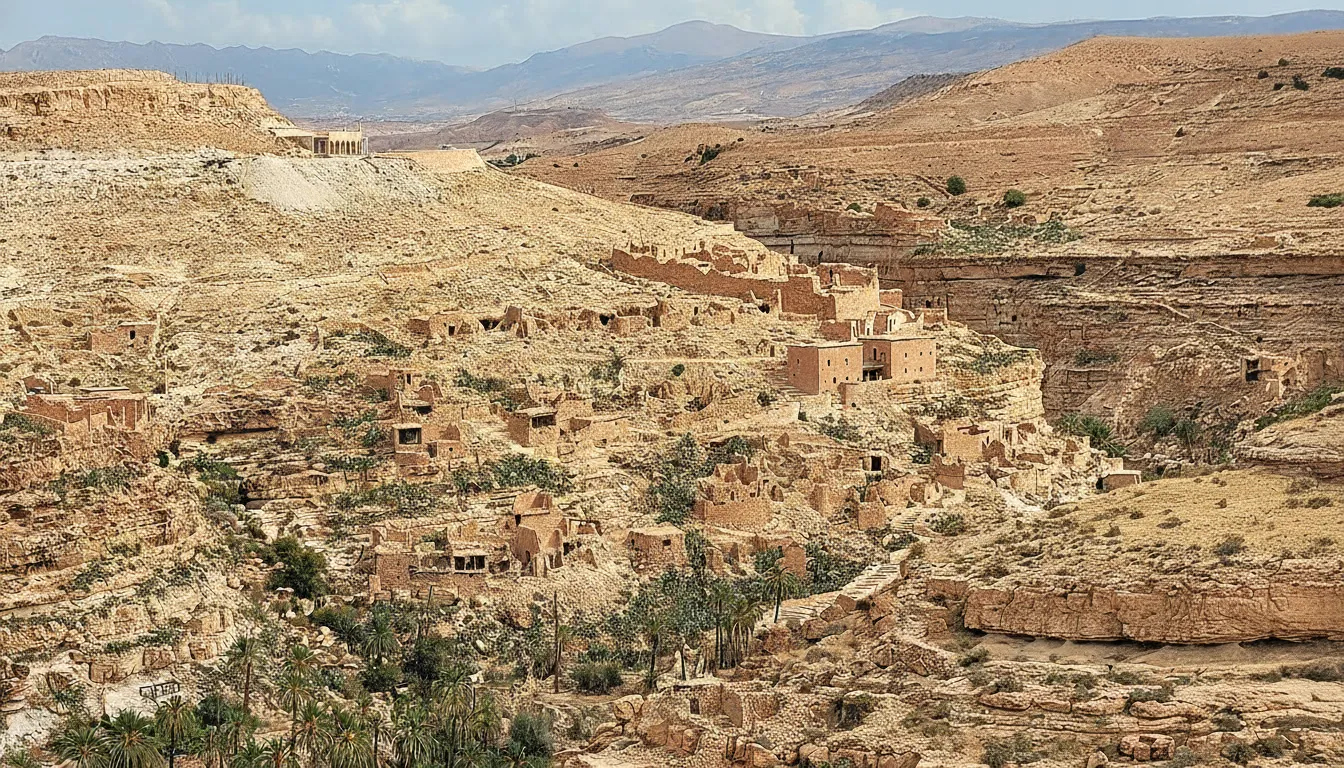
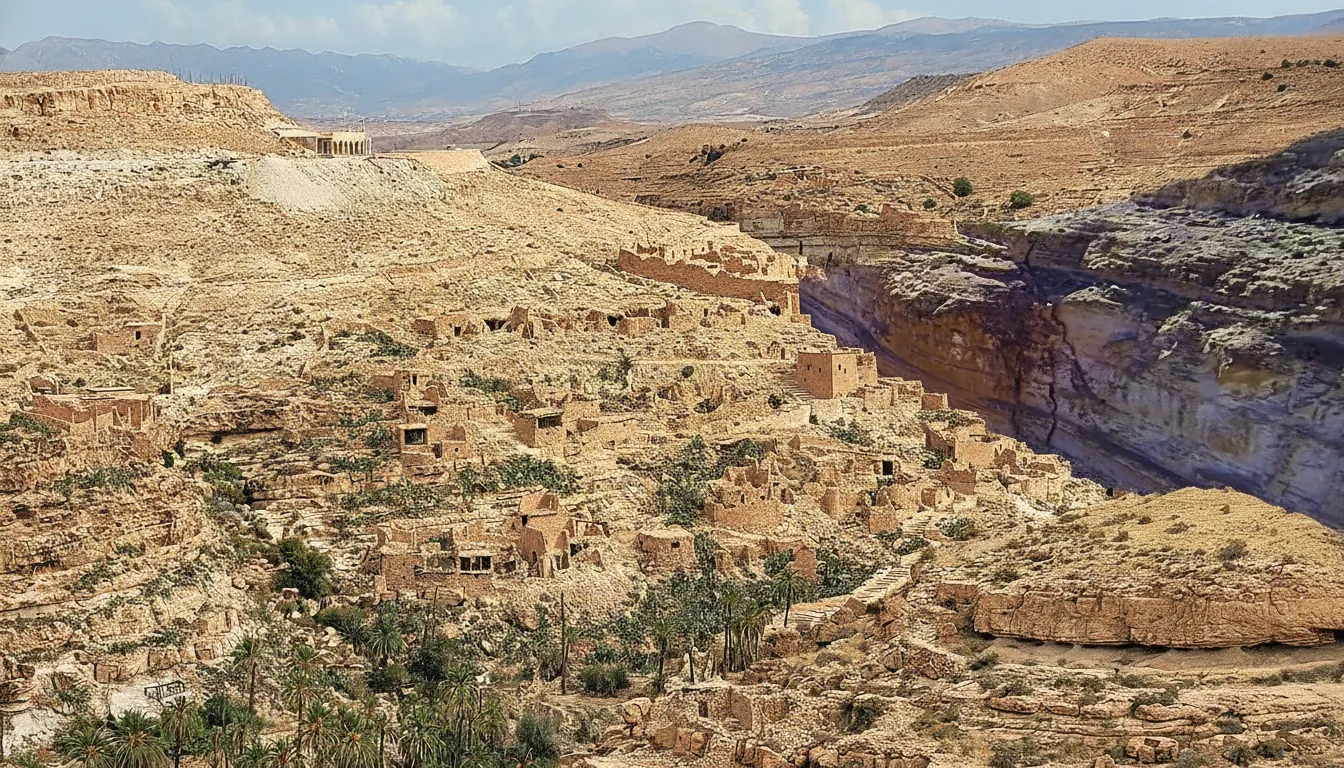
But Ghoufi offers something the Grand Canyon doesn't: living history. Here, the indigenous Chaoui people, a Berber ethnic group with a rich and resilient culture, have built their multi-tiered villages directly into the canyon walls. These 'balcons' – natural terraces and caves augmented with stone and mud-brick structures – are not mere ruins; they are vibrant, inhabited communities. From a distance, these homes appear to merge seamlessly with the rock, a testament to an architectural wisdom that respects and integrates with its environment rather than dominating it.
This unique human landscape is a marvel of sustainable living. Ancient agricultural terraces, irrigated by the river below, line the canyon floor and cling to any available ledge. Date palms, olive trees, and fruit orchards create ribbons of vibrant green against the dramatic ochre backdrop, providing sustenance and a vital connection to the land. It’s a powerful visual story of how a people can not only survive but flourish in what appears to be an incredibly harsh environment, forging a deep and enduring bond with their ancestral lands.
Whispers of the Past: History and Chaoui Heritage
The history of Ghoufi Canyon and its inhabitants is as deep and layered as the geological strata of its cliffs. The Chaoui people have inhabited the Aures Mountains for millennia, tracing their lineage back to the ancient Berbers who were the original inhabitants of North Africa. Their resilience is legendary, having preserved their language (Tachawit), customs, and traditions despite centuries of external influences.
The strategic location of Ghoufi, deep within the mountains and protected by its formidable natural defenses, made it a stronghold for the Chaoui people. It allowed them to maintain a degree of autonomy and preserve their unique way of life. The architecture of the 'balcons' themselves speaks volumes about their ingenuity and resourcefulness. Homes are often built into existing caves, offering natural insulation against the summer heat and winter cold. Multi-story structures are often connected by narrow, winding paths, some of which are centuries old, offering glimpses into a communal life lived on the edge.
During Algeria's struggle for independence, the Aures Mountains, and places like Ghoufi, served as vital refuges and operational bases for the liberation army, further cementing the region's reputation for resilience and resistance. Today, the Chaoui culture remains vibrant. Visitors are often struck by the warmth and hospitality of the locals, who are proud to share their heritage, their traditional music, crafts, and delicious cuisine, offering a window into a way of life that has largely remained unchanged for generations.
Exploring the Balcons: What You'll See and Experience
A visit to Ghoufi Canyon is an immersive journey for all the senses. The sheer scale of the landscape is the first thing to strike you. Standing at one of the many viewpoints overlooking the canyon, the vastness is almost overwhelming. The Oued Abiod glints like a silver ribbon far below, winding its way through the verdant oasis it nourishes. The sun paints the cliffs in ever-changing hues, from soft gold in the morning to fiery orange at sunset, creating a photographer's paradise.
The true magic, however, lies in descending into the canyon itself and exploring the 'balcons.' As you navigate the ancient paths, you'll pass by homes literally carved into the rock, their entrances adorned with traditional motifs. You might catch glimpses of daily life – women weaving rugs on traditional looms, men tending to their date palms, children playing in the narrow alleys. The air is often filled with the scent of olive trees and the distant bleating of goats.
Hiking is undoubtedly one of the best ways to experience Ghoufi. Trails lead down to the canyon floor, allowing you to walk among the ancient terraces, beneath the shade of towering palm trees. Here, you can truly appreciate the ingenious irrigation systems and the sheer effort that has gone into cultivating this fertile strip in the heart of the desert. There are also paths that lead to different viewpoints, offering varying perspectives of the canyon's grandeur and the intricate design of the cliffside villages.
Don't miss the opportunity to engage with the local Chaoui people. Their hospitality is legendary. You might be invited for a cup of traditional mint tea, or perhaps even a meal of couscous or chorba. These interactions, often facilitated by a local guide, are invaluable, offering insights into their culture, history, and deep connection to this extraordinary land. You may also find unique local crafts, such as hand-woven rugs or silver jewelry, which make for meaningful souvenirs.
Practical Tips for Your Ghoufi Adventure
Visiting Ghoufi Canyon is an adventure that requires a bit of planning, but the rewards are immense. Due to its remote location and the nature of Algerian tourism infrastructure, it's not a destination for spontaneous, unguided travel for most international visitors. Here's what you need to know:
Best Time to Visit
The ideal time to explore Ghoufi Canyon is during the spring (March to May) or autumn (September to November). The temperatures are pleasant, making hiking enjoyable, and the light is perfect for photography. Summers can be extremely hot, while winters can be chilly, especially in the mountains.
How to Get There
Ghoufi Canyon is located in Batna Province, deep within the Aures Mountains. The easiest way to reach it is by private car or as part of an organized tour from major cities like Batna or Constantine. Public transport options are limited and not recommended for first-time visitors. A local guide is highly recommended, not just for navigation but also for cultural interpretation and safety.
Accommodation
Accommodation options directly within Ghoufi are limited to basic guesthouses or homestays, offering an authentic but rustic experience. Larger towns like Batna or Timgad (known for its Roman ruins) offer more conventional hotels, but these are a drive away. Consider combining your Ghoufi visit with other cultural sites in the region for a richer itinerary.
What to Bring
- Sturdy hiking shoes are essential for navigating the canyon paths.
- Plenty of water, especially if you plan to hike.
- Sun protection: hat, sunglasses, and high-SPF sunscreen.
- A good camera to capture the incredible landscapes.
- Modest clothing, out of respect for local customs.
- A small backpack for day trips.
- Cash (Algerian Dinars), as ATMs are scarce in remote areas.
Respecting Local Culture
The Chaoui people are welcoming, but it's important to be respectful of their traditions. Dress modestly, especially when visiting villages. Always ask for permission before taking photos of people, particularly women. Embrace the slower pace of life and be open to genuine cultural exchange.
An Unforgettable Journey
Ghoufi Canyon is more than just a destination; it's an experience that transcends typical tourism. It's a journey into the heart of Algeria's natural beauty and ancient soul, an encounter with a resilient culture that has shaped its existence in harmony with a dramatic landscape. It reminds us of the incredible diversity our world holds and the profound stories waiting to be uncovered in its hidden corners. If you're ready to step off the well-trodden path and discover a place that will forever etch itself into your memory, Ghoufi Canyon awaits.
Essential Travel Information
- Location Ghoufi Canyon (Les Balcons de Ghoufi), Algeria
- Best Time Spring (March-May) and Autumn (September-November)
- Getting There Best reached by private car or organized tour from Batna (approx. 1.5-2 hours drive) or Constantine (approx. 3-4 hours drive). Local guide highly recommended.
- Airport Most convenient are Batna Airport (BLJ) or Mohamed Boudiaf International Airport (CSO) in Constantine.
- Budget Mid-range. Approximate daily cost: $80-$150 (includes guide, transport, basic accommodation, food). Can be higher with private tours.
- Language Arabic, Chaoui (Berber), French
Find Places to Stay Near Ghoufi Canyon (Les Balcons de Ghoufi)
Compare hotels, hostels, and unique stays in Algeria.
Search AccommodationTours & Experiences Near Ghoufi Canyon (Les Balcons de Ghoufi)
Book guided tours, day trips, and unique experiences.
Browse Tours