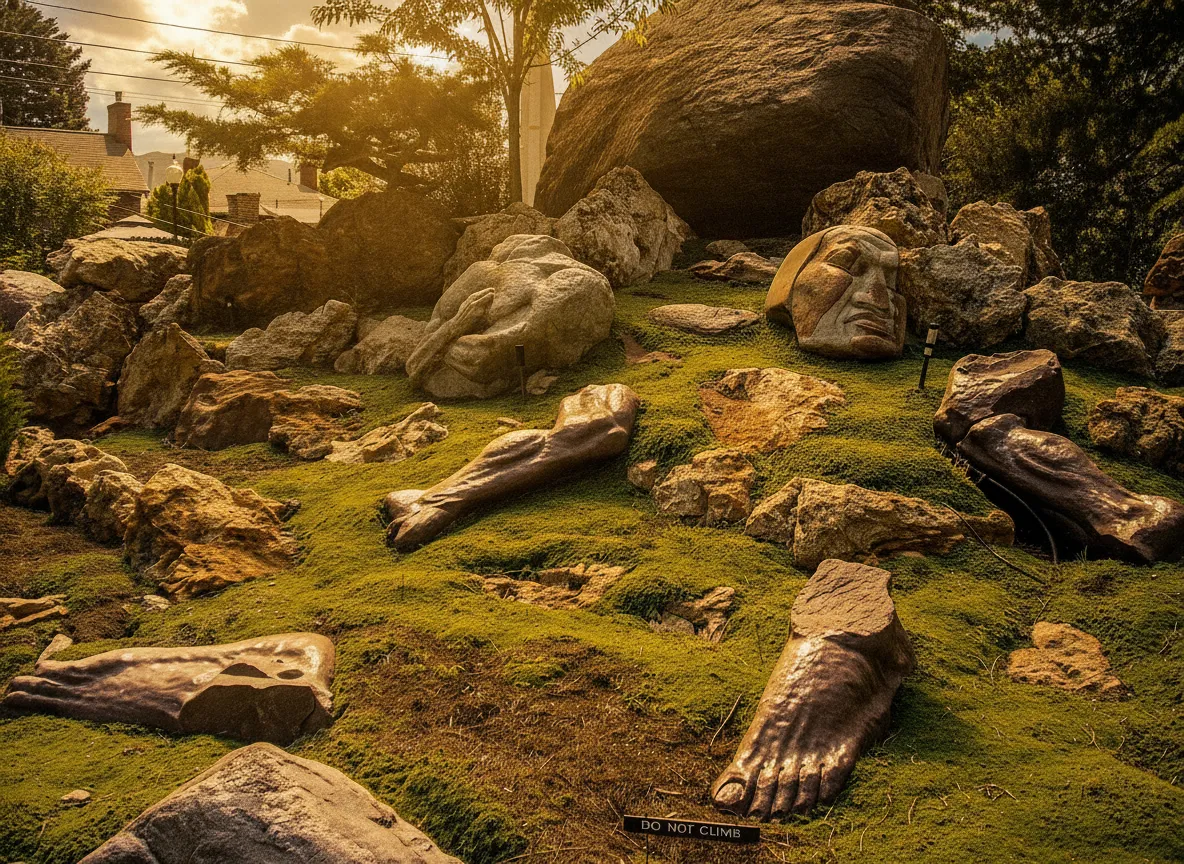
For those of us who love to uncover the extraordinary in the everyday, Gilgal Garden is a revelation. It’s not just a collection of statues; it’s a tangible journey into the mind of its creator, a Mormon stonemason named Thomas Child. Over two decades, Child poured his soul, his beliefs, and his very likeness into this private sanctuary, transforming a residential backyard into a public testament to his faith and his unique artistic expression. It’s a fusion of folk art, religious devotion, and pure, unadulterated eccentricity, making it an unmissable stop for anyone seeking the truly offbeat and profound in the Beehive State.
Unveiling the Enigma: What Makes Gilgal Garden So Special?
What sets Gilgal Garden apart from any other attraction, not just in Utah, but perhaps in the entire United States, is its audacious originality and deeply personal nature. This isn't a commissioned public art piece or a historical monument built by committee. This is the singular vision of one man, Thomas Child, brought to life through sheer will and tireless effort. The garden is a profound expression of his Latter-day Saint faith, yet it transcends typical religious iconography, venturing into a realm that feels both ancient and utterly modern, deeply spiritual and profoundly human.
At its heart, Gilgal Garden is a place of questions as much as answers. Why sphinxes? Why his own face on them? What do these cryptic symbols truly mean? Visitors are invited not just to observe, but to ponder, to interpret, and to feel the weight of Child's convictions etched into stone. It’s a place that challenges perceptions, sparks conversations, and quite frankly, might leave you scratching your head in the most delightful way. Its hidden location, nestled behind homes, only adds to its mystique, making the discovery all the more rewarding. It feels like uncovering a secret passage to another dimension, right in the middle of a bustling city.
The Visionary Behind the Stones: Thomas Child's Legacy
The story of Gilgal Garden is inextricably linked to its creator, Thomas Battersby Child Jr. Born in 1888, Child was a successful stonemason by trade, a skill that would ultimately serve his extraordinary passion project. He began work on the garden in 1945, at the age of 57, and continued to sculpt and arrange until his death in 1963. For nearly two decades, this unassuming backyard became his canvas, his workshop, and his spiritual retreat.
Child’s motivation was deeply rooted in his Latter-day Saint faith. He wanted to create a space that would inspire and educate, a tangible representation of his understanding of the Book of Mormon and his personal spiritual journey. He reportedly stated, "There are more important things in life than making money. I’m going to use my money to build a monument to my God." This profound dedication is evident in every hand-carved stone, every carefully placed monolith. He was not just a craftsman; he was a philosopher and a theologian expressing himself through the most enduring of mediums. After his passing, the garden faced an uncertain future, but thanks to dedicated preservation efforts by the Gilgal Garden Foundation, it was saved from demolition and eventually opened to the public, ensuring Child's unique legacy would continue to inspire.
A Walk Through Sacred Surrealism: What You'll Discover
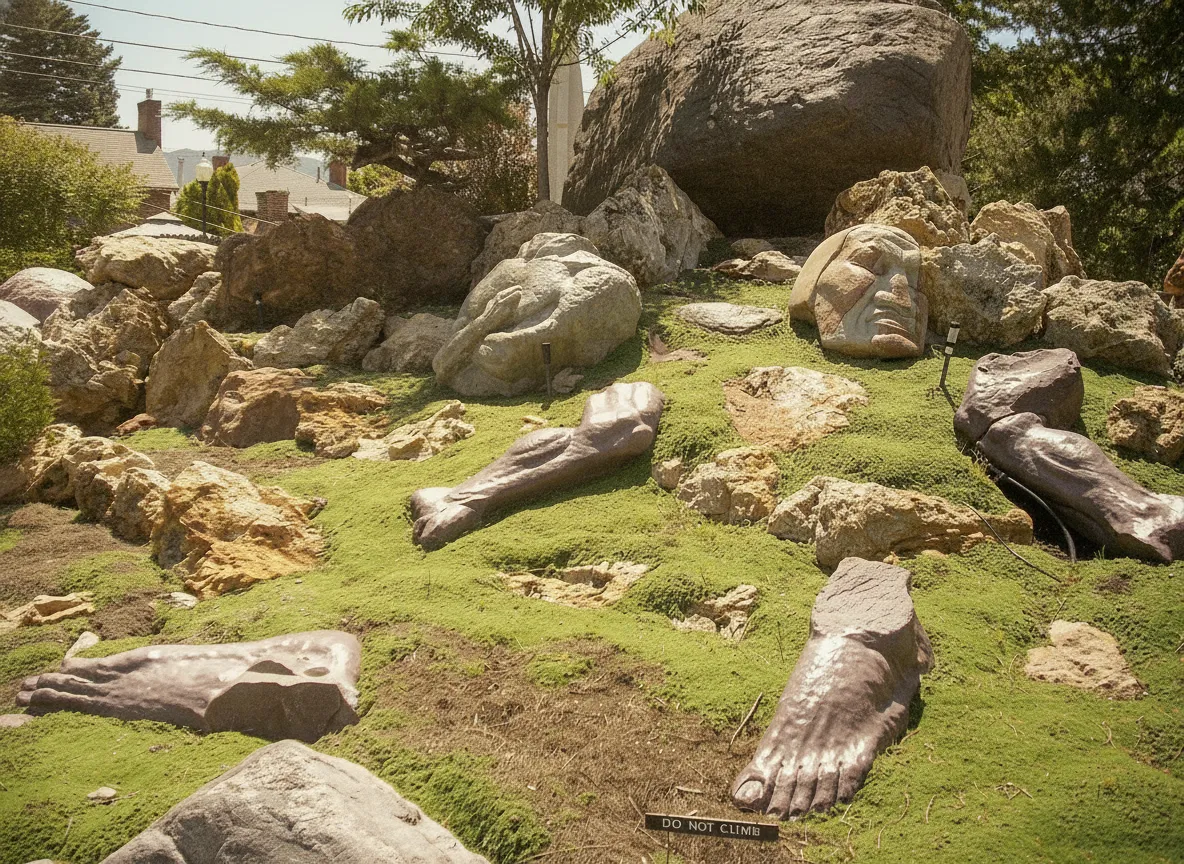
Stepping into Gilgal Garden is like entering a dreamscape. The most striking features, undoubtedly, are the twelve 'Mormon Sphinxes.' Each sphinx, traditionally a mythical creature with the head of a human and the body of a lion, is given a startling twist here. Child envisioned them bearing the bald heads of biblical prophets, but with a deeply personal touch: each prophet’s face is a self-portrait of Thomas Child himself. This blend of ancient symbolism, religious reverence, and personal identity is both disarming and utterly captivating. You’ll find yourself gazing at these stone faces, trying to decipher the layers of meaning, the quiet intensity in their carved eyes.
Beyond the sphinxes, the garden is populated by a variety of other granite monoliths and sculptures, each telling a piece of Child's spiritual narrative. You’ll encounter a towering stone archway, intricate carvings depicting scenes from the Book of Mormon, and quotes from Latter-day Saint scripture etched into stone. There’s a large, granite re-creation of the first vision of Joseph Smith, the founder of the Latter-day Saint movement, and a giant, open Book of Mormon carved in stone. The entire space is designed to be walked through, contemplated, and experienced rather than merely observed. It's a journey through faith, art, and an individual's profound inner world, all set within the surprisingly intimate confines of a residential garden.
Planning Your Pilgrimage: Practical Tips for Visiting Gilgal Garden
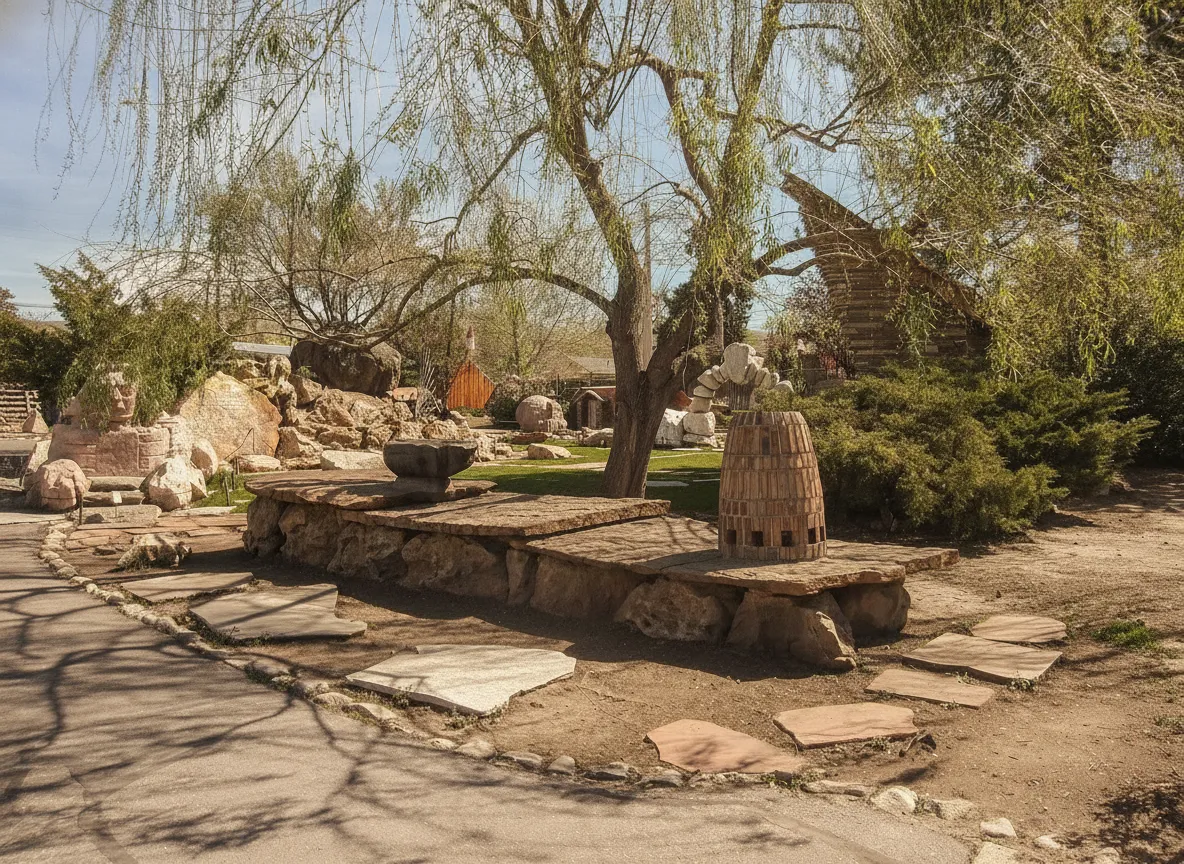
Visiting Gilgal Garden is an experience that requires a little planning, primarily because of its unique location. It’s nestled at 749 East 500 South in a quiet residential neighborhood of Salt Lake City, Utah. The garden is managed by the Gilgal Garden Foundation and is open to the public free of charge, which is a wonderful testament to its spirit of shared inspiration. It’s generally accessible during daylight hours, though specific opening and closing times can vary seasonally, so it’s always a good idea to check their official website or a local tourism guide before you go.
Parking can be a bit tricky as it’s street parking only in a residential area. Be mindful of parking signs and local residents. The garden itself is relatively small, making for a leisurely visit that typically lasts anywhere from 30 minutes to an hour, depending on how deeply you wish to contemplate each sculpture. It's a peaceful space, so maintaining a respectful and quiet demeanor is appreciated. While it is an outdoor space, pathways are generally accessible, though some areas might be uneven. Bring your camera, but remember that the true essence of Gilgal Garden is best captured by your own sense of wonder. It’s a place to slow down, reflect, and allow the unexpected artistry to wash over you.
Beyond the Garden Gates: Exploring Salt Lake City
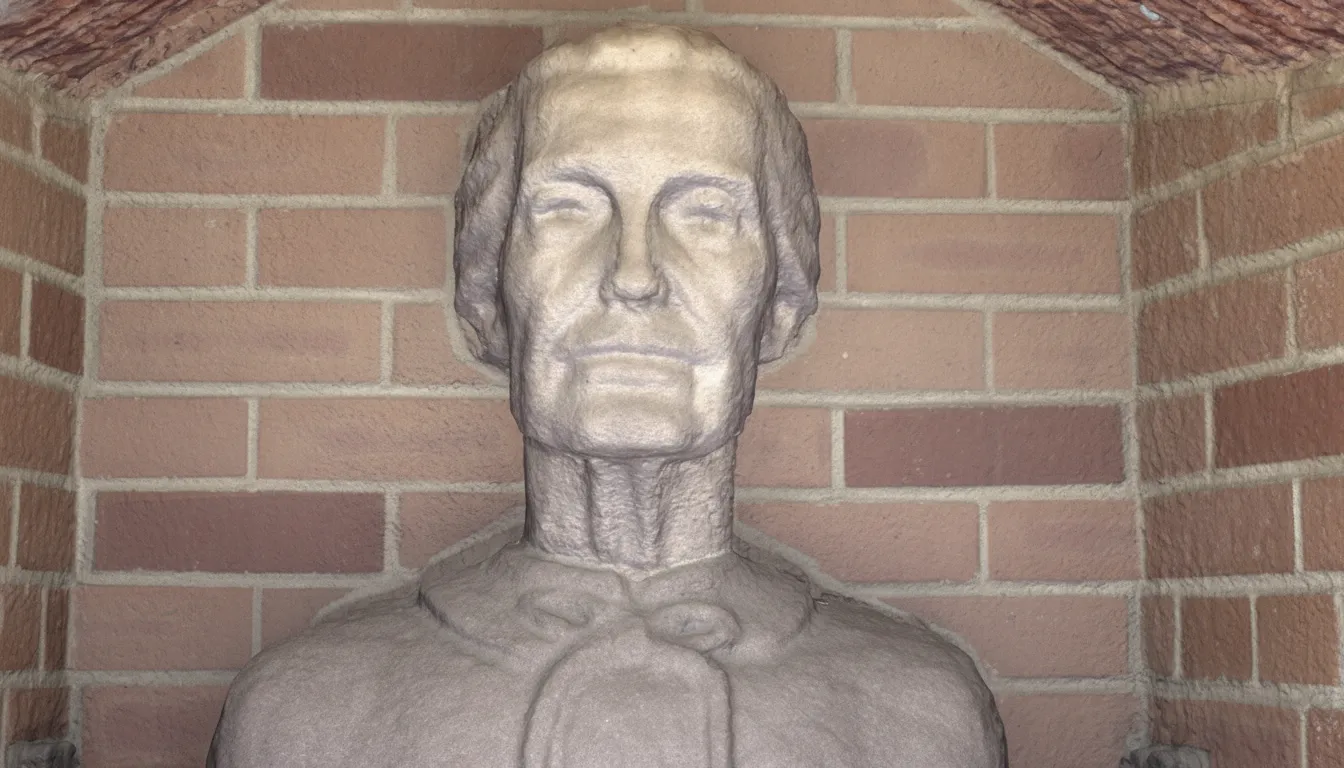
While Gilgal Garden is a compelling destination in itself, its location in Salt Lake City means you’re perfectly positioned to explore a wealth of other attractions. After your spiritual and artistic journey through Child's creation, you might consider visiting Temple Square, the spiritual heart of the Latter-day Saint movement, with its stunning architecture and serene grounds. The Natural History Museum of Utah offers incredible insights into the state's natural heritage, while the Utah State Capitol provides panoramic views of the city and a glimpse into its political history.
Salt Lake City also boasts a vibrant culinary scene, from farm-to-table restaurants to cozy cafes, perfect for recharging after your explorations. Depending on the season, you could hit the slopes at one of the nearby world-class ski resorts or hike the scenic trails of the Wasatch Front. Gilgal Garden serves as a fantastic starting point or a memorable interlude in a broader Utah adventure, reminding us that even in a city known for its grand vistas and iconic landmarks, the most profound discoveries can often be found in the most unexpected, intimate corners.
Gilgal Garden is more than just a collection of stone; it's a testament to faith, persistence, and the boundless creativity of the human spirit. It’s a place that challenges, inspires, and leaves an indelible impression. So, if you find yourself in Salt Lake City, dare to venture off the beaten path, seek out this hidden gem, and allow yourself to be transported to the sacred, surreal world of Thomas Child’s Gilgal Garden. It’s a journey you won’t soon forget.
Essential Travel Information
- Location Gilgal Garden, United States
- Best Time Spring to Fall (April-October) for pleasant weather. Open during daylight hours year-round.
- Getting There Located at 749 East 500 South, Salt Lake City, Utah. Best reached by car; street parking available in the residential neighborhood.
- Airport Salt Lake City International Airport (SLC)
- Budget Budget (free entry, minimal costs if walking/public transport)
- Language English
Find Places to Stay Near Gilgal Garden
Compare hotels, hostels, and unique stays in United States.
Search AccommodationTours & Experiences Near Gilgal Garden
Book guided tours, day trips, and unique experiences.
Browse Tours