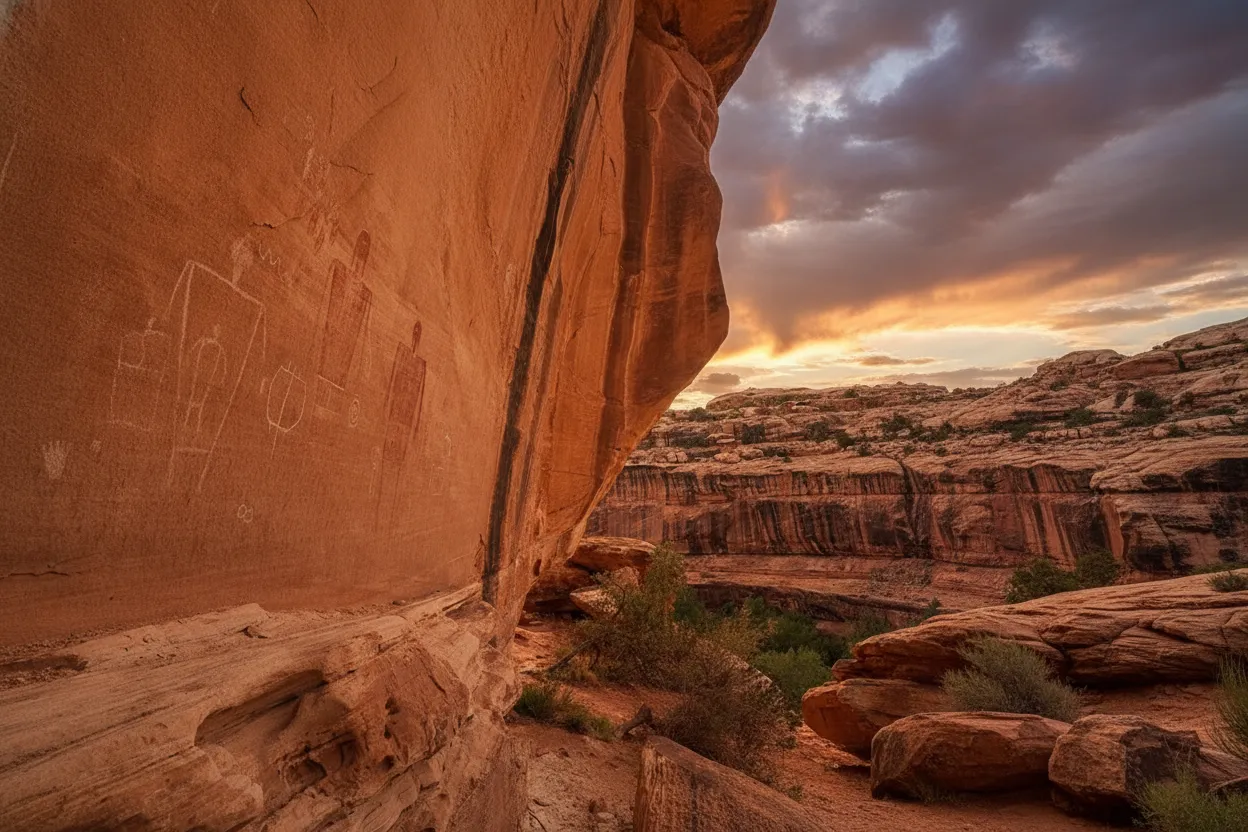
Imagine stepping into a landscape where time itself seems to have paused, a place so profoundly remote that the whispers of an ancient civilization still echo through its canyons, untouched for centuries. Deep within a remote canyon in southern Utah, nestled in the heart of the awe-inspiring Bears Ears National Monument, lies Grand Gulch. This isn't just a hiking destination; it's a living museum carved into sandstone, an astonishing network of ancient cliff dwellings, granaries, and intricate rock art, accessible only by those willing to embark on a challenging, self-sufficient trek. If you've ever dreamt of discovering forgotten worlds and connecting with history on a deeply personal level, Grand Gulch is calling your name.
Grand Gulch: An Archaeological Wonderland Like No Other
Grand Gulch isn't merely remote; it's an enigma wrapped in a geological marvel. This intricate canyon system, a tributary of the San Juan River, is a hidden gem within the vast expanse of Bears Ears National Monument, a place revered for its cultural significance and breathtaking natural beauty. What truly sets Grand Gulch apart is the sheer density and remarkable preservation of its Ancestral Puebloan (often referred to as Anasazi) sites. Here, thousands of archaeological treasures lie tucked away in alcoves and beneath overhangs, offering an unparalleled glimpse into a people who thrived in this harsh yet beautiful landscape over two millennia ago.
Unlike many well-known archaeological parks, Grand Gulch demands active participation in its discovery. There are no paved paths, no visitor centers at the sites, and often, no signs pointing the way. Your journey becomes an expedition of personal discovery, where every turn of the canyon might reveal a perfectly preserved granary, a complex cliff dwelling, or a panel of vivid pictographs that seem to pulse with untold stories. It's a place that forces you to slow down, observe, and truly connect with the environment and the profound history it holds. The silence, broken only by the wind and the occasional bird call, amplifies the sense of wonder, making each discovery feel like a personal revelation.
Whispers of a Vanished Civilization: The Ancestral Puebloans of Grand Gulch
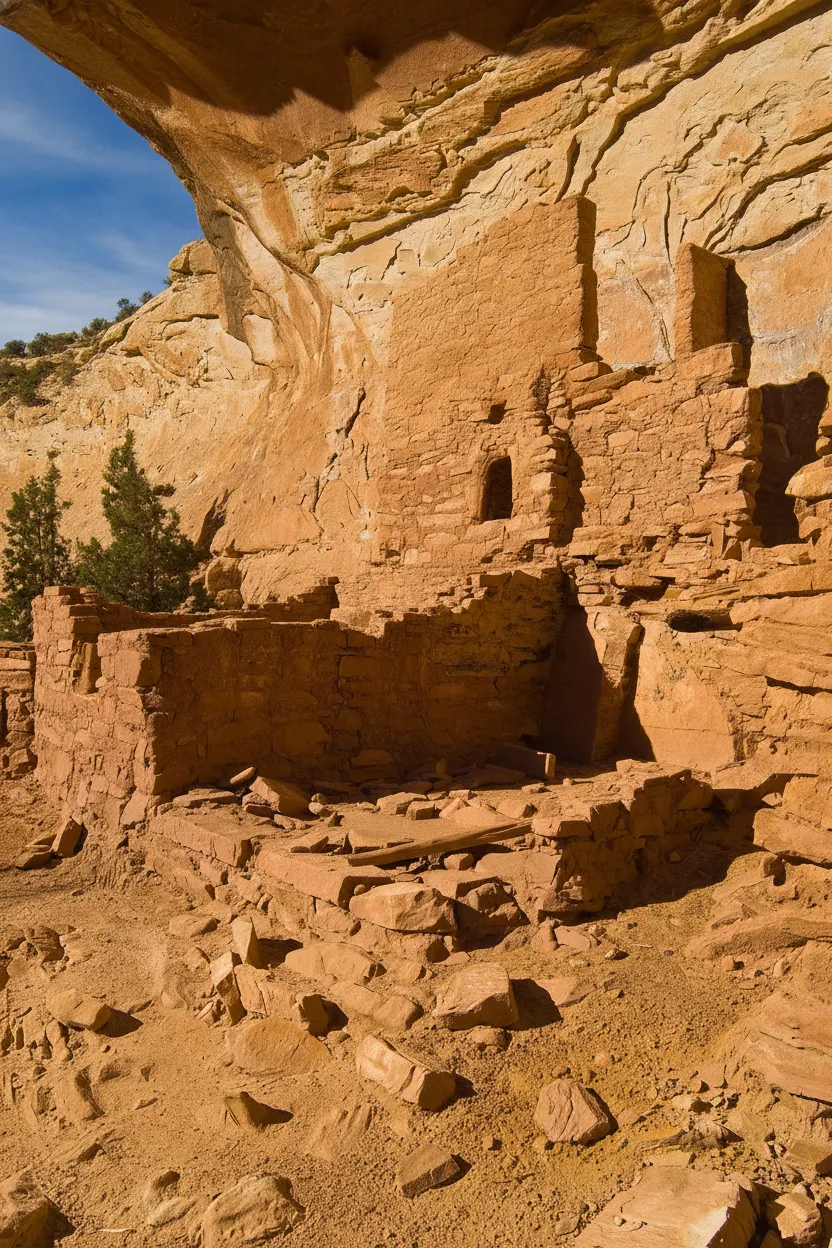
The story of Grand Gulch is inextricably linked to the Ancestral Puebloans, skilled farmers and ingenious architects who inhabited this region from roughly 200 to 1300 CE. Imagine a people who, with only stone tools and incredible ingenuity, carved homes and storage facilities directly into the sheer canyon walls, creating structures that have withstood the test of time for over a thousand years. Grand Gulch, with its sheltered alcoves and access to seasonal water, provided a sanctuary for these communities, allowing them to cultivate maize, beans, and squash on the canyon floor and mesa tops.
Their architecture is a testament to their deep understanding of their environment. Cliff dwellings, often multi-storied and meticulously constructed from stone and mortar, offered protection from the elements and defense from potential threats. Granaries, small, tightly sealed structures, kept their precious food stores safe from rodents and moisture. And at the heart of many settlements were kivas – circular, subterranean chambers that served as ceremonial and social gathering places, reflecting a rich spiritual life intertwined with the cycles of nature.
The Ancestral Puebloans were also masterful artists, leaving behind a breathtaking gallery of rock art. Pictographs, painted directly onto the rock surfaces using natural pigments, depict human-like figures, animals, and abstract symbols, often conveying spiritual beliefs or recording significant events. Petroglyphs, carved or pecked into the rock, tell different stories, perhaps marking trails, astronomical observations, or clan symbols. These ancient messages, often found in unexpected places, offer a profound, silent dialogue with a people long gone, their reasons for eventually departing the region remaining one of archaeology's enduring mysteries.
What You'll Discover: A Living Museum Under the Sky
Your journey through Grand Gulch is an unfolding adventure. As you navigate the winding canyon, scrambling over boulders and crossing sandy washes, the landscape itself becomes part of the experience. But the true magic lies in the moments you round a bend or gaze up at a sheer cliff face and spot it: a perfectly preserved dwelling, seemingly growing out of the rock itself. You might find yourself standing before a multi-room complex, complete with doorways, windows, and even the remnants of original plaster on the walls. Imagine the lives lived within those very walls, the families, the ceremonies, the daily rhythms of a vanished world.
Each site offers a unique narrative. You might discover a small, isolated granary, still sealed, giving you a vivid sense of the Ancestral Puebloans' foresight and resourcefulness. Further along, you could encounter a large, communal dwelling with multiple kivas, hinting at a thriving community. The rock art panels are particularly captivating. Some display intricate human figures with elaborate headdresses, others feature handprints, animal tracks, or enigmatic geometric patterns. Deciphering their potential meanings, pondering the hands that created them, becomes an integral part of your exploration.
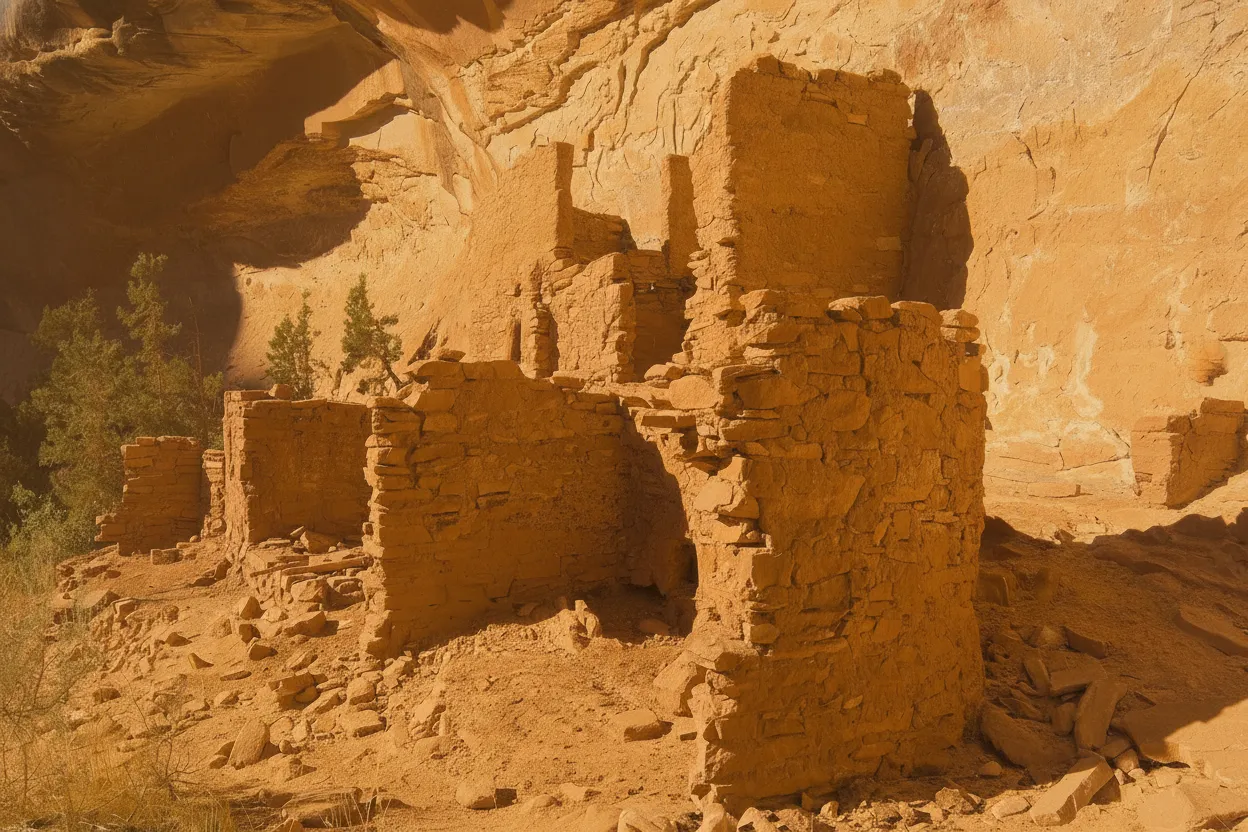
The beauty of Grand Gulch is that these discoveries are yours to make. There's an immense satisfaction in spotting a well-hidden site, knowing you're one of the few who will ever lay eyes on it. It’s a profound connection to history, not through a museum glass, but by standing on the very ground where these people lived, worked, and worshipped. This direct, unmediated encounter with the past is what makes Grand Gulch an utterly unforgettable destination for the adventurous and historically curious.
Practical Tips for Your Grand Gulch Expedition
Grand Gulch is not a casual day hike. It is a true wilderness experience that requires careful planning, self-sufficiency, and respect for its fragile environment. Here’s what you need to know to make your trip safe and rewarding:
Permits are Essential
Access to Grand Gulch requires a permit, which can be obtained through Recreation.gov. These permits are limited, especially during peak seasons, so plan well in advance. This helps manage visitor impact and preserve the delicate archaeological sites.
Prepare for a Challenging Trek
The trails are primitive, often unmarked, and involve scrambling, route-finding, and potentially wading through water. You must be an experienced backpacker with excellent navigation skills (map, compass, and GPS are essential) and be in good physical condition. Be prepared for elevation changes, rough terrain, and exposure to the elements.
Water is Life
Grand Gulch is a desert environment. Water sources are scarce and unreliable, often seasonal and requiring filtering or purification. You must carry sufficient water for your entire trip or plan your itinerary around known, reliable springs. Dehydration is a serious risk.
Leave No Trace & Respect the Past
This is paramount. Grand Gulch is an incredibly sensitive archaeological area. Never touch rock art, never enter or disturb dwellings, and never collect artifacts. Walk softly, pack out everything you pack in (including human waste), and leave the sites exactly as you found them for future generations. Your responsibility is to observe and protect.
Best Time to Visit
Spring (April-May) and Fall (September-October) offer the most pleasant temperatures. Summers can be brutally hot with a risk of flash floods during monsoon season. Winters can bring snow and freezing temperatures, making access and travel difficult.
Essential Gear
Beyond standard backpacking gear, consider a high-quality water filter, a detailed topographic map, a compass, a GPS device, sturdy hiking boots, sun protection (hat, sunscreen), and plenty of layers for varying temperatures. A camera is a must, but remember to be respectful when photographing sites.
Safety First
Inform someone of your itinerary and expected return. Cell service is non-existent. Be aware of potential hazards like flash floods, venomous snakes, and dangerous cliff edges. Travel with a partner if possible. The remoteness means self-rescue is often the only option.
Why Grand Gulch Calls to the Adventurous Soul
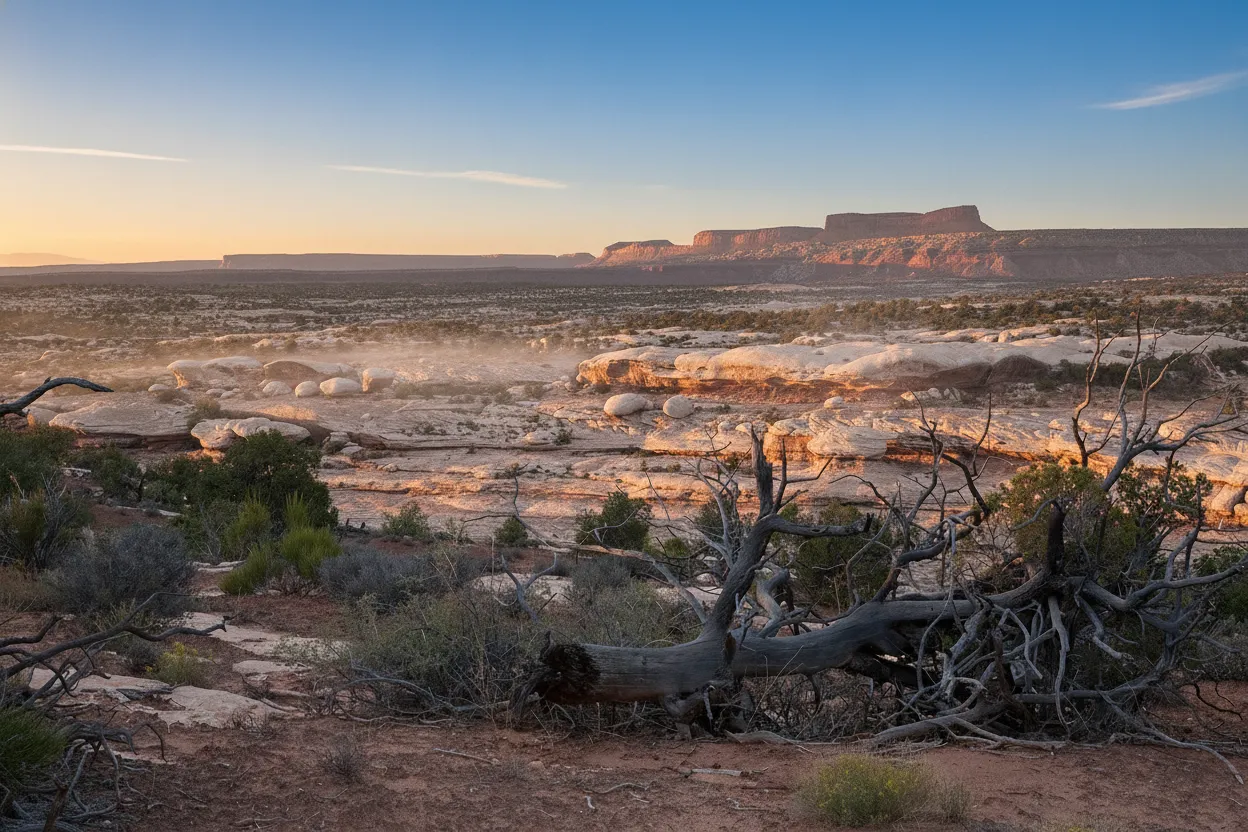
Grand Gulch isn't just a destination; it's an experience that transforms. It challenges you physically, engages you intellectually, and connects you spiritually to a landscape steeped in ancient human history. The effort required to reach these hidden treasures only deepens your appreciation for them. There's a profound sense of privilege in being able to walk in the footsteps of a vanished civilization, to witness their enduring legacy, and to contemplate the mysteries they left behind. If you're seeking more than just a hike – if you crave discovery, solitude, and a deep connection to the past in one of America's most wild and beautiful places – then Grand Gulch awaits your adventurous spirit. Just remember to tread lightly, observe deeply, and leave only footprints.
Essential Travel Information
- Location Grand Gulch, USA
- Best Time Spring (April-May) and Fall (September-October)
- Getting There Drive to trailheads (e.g., Kane Gulch Ranger Station) near Bluff or Blanding, Utah. Requires high-clearance vehicle for some access roads.
- Airport Salt Lake City International Airport (SLC) - major hub; Grand Junction Regional Airport (GJT) - closer regional option.
- Budget Budget (approx. $20-50/day including permits, food, and fuel for driving)
- Language English
Find Places to Stay Near Grand Gulch
Compare hotels, hostels, and unique stays in USA.
Search AccommodationTours & Experiences Near Grand Gulch
Book guided tours, day trips, and unique experiences.
Browse Tours