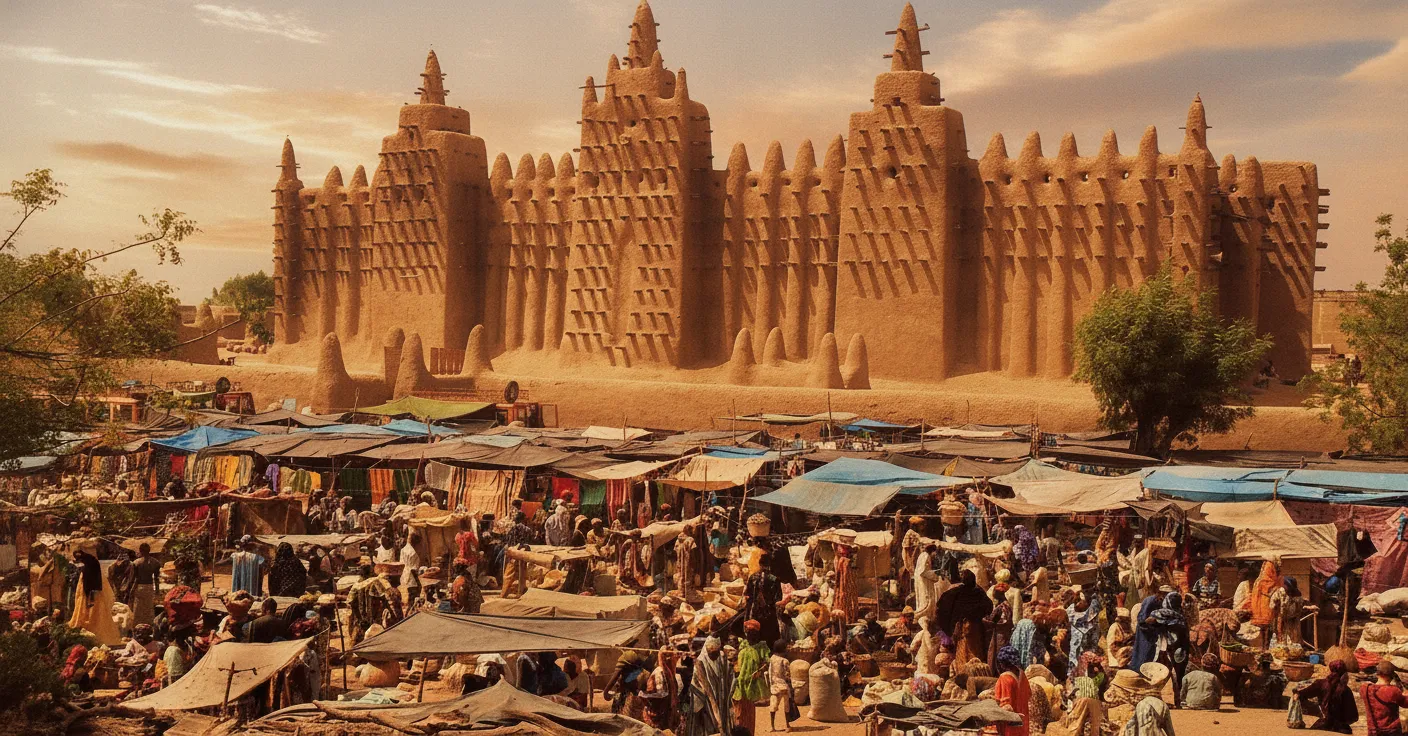
The Mosque That Breathes: A Living Architectural Wonder
What makes the Great Mosque of Djenné so utterly captivating isn't just its imposing size or its striking Sudanese-Sahelian architecture; it's the very material it's made from and the incredible annual ritual that ensures its survival. Constructed entirely from sun-dried mud bricks (called *ferey*) and sand mortar, and plastered with a smooth, earthen finish, the mosque is a masterpiece of sustainable design, perfectly adapted to its environment. But here's the kicker: the intense heat and torrential rains of the Sahel erode its surface continuously.Instead of seeing this as a flaw, the people of Djenné have embraced it as an opportunity for annual renewal. Each year, before the heavy rainy season, the entire community gathers for the *Crepissage de la Grande Mosquée* – the "replastering of the Great Mosque." This isn't just maintenance; it's a vibrant, joyous festival where thousands of residents, young and old, men and women, come together to meticulously replaster the mosque's entire facade by hand. Imagine the scene: a flurry of activity, laughter, singing, and the rhythmic slapping of mud as generations work side-by-side, passing down ancestral knowledge and strengthening their communal bonds. It’s a living testament to collective heritage and continuous creation, ensuring this magnificent structure literally melts and is reborn, year after year.

This annual event transforms the mosque from a static monument into a dynamic, interactive symbol of identity. It’s not just a building; it’s a shared responsibility, a celebration of heritage, and a powerful demonstration of what a community can achieve when united by a common purpose. Witnessing or participating in the Crepissage is an unparalleled cultural immersion, an experience that transcends mere sightseeing and touches the very soul of Djenné.
Whispers of Time: A Rich History Rooted in Trade and Faith
The story of Djenné and its iconic mosque is deeply intertwined with the history of West African trade and Islamic scholarship. Situated on the floodplain between the Bani and Niger rivers, Djenné rose to prominence as a vital trading post in the trans-Saharan gold and salt routes as early as the 9th century. Its strategic location made it a hub for commerce, culture, and especially, Islamic learning.The first Great Mosque is believed to have been built around the 13th century, after Djenné became a significant center for the spread of Islam. Over the centuries, Djenné flourished, attracting scholars and merchants, and its unique mud-brick architecture developed, perfectly suited to the local climate and available materials. The current structure, however, is not the original. The mosque we see today was completed in 1907, a reconstruction based on the design of the original, which had fallen into disrepair. The French colonial administration, then governing Mali, played a role in its reconstruction, aiming to revive the town's architectural heritage.
Despite the colonial involvement, the design remained true to the traditional Sudanese-Sahelian style, characterized by its towering, tapering minarets, intricate wooden scaffolding (which also serves as footholds during the Crepissage), and the smooth, sculpted lines of its earthen walls. It quickly re-established itself not just as a place of worship, but as the spiritual heart of Djenné and a beacon of Islamic scholarship across the region. Its history is a layered narrative of faith, commerce, and the enduring power of local architectural traditions.
Stepping into Djenné: What You'll See and Feel
Visiting Djenné is like stepping back in time. The town itself is an extension of the mosque's magic, a labyrinth of narrow, unpaved alleys winding between hundreds of traditional mud-brick houses, each with its own unique character and intricate details. As you wander, you’ll encounter bustling markets, friendly locals going about their daily lives, and the pervasive scent of spices and local cooking.
The Great Mosque dominates the town square, its three grand minarets piercing the sky, flanked by a complex system of buttresses and pinnacles. From any vantage point, its sheer scale and organic beauty are breathtaking. Take your time to walk around its perimeter, marveling at the craftsmanship that went into its construction. Notice the bundles of palm sticks (toron) protruding from the walls – these aren't just decorative; they are crucial elements of the scaffolding used during the annual replastering, making the mosque a truly interactive piece of architecture.
While non-Muslims are generally not permitted to enter the mosque itself (a common practice for many active mosques in the region, particularly those of great historical significance), the experience of simply being in its presence, absorbing the atmosphere of the town, and observing the daily life that revolves around it is profoundly moving. If your visit coincides with the Crepissage, prepare for an explosion of vibrant energy, communal effort, and a truly unforgettable cultural spectacle. Even outside of the festival, the mosque stands as a silent, majestic guardian, inviting contemplation and wonder.

Practical Tips for Your Djenné Adventure
Djenné is a true adventure, not a package holiday destination. It requires careful planning and an open mind, but the rewards are immense.Best Time to Visit: The dry season, from November to February, offers the most pleasant weather. If you want to witness the *Crepissage*, it usually takes place in April or May, just before the rainy season begins. This timing can be hot, but the experience is unparalleled.
How to Get There: Djenné is remote. The most common route involves flying into Bamako-Sénou International Airport (BKO) in Mali's capital, Bamako. From there, you'll need to arrange overland transport. This typically involves a combination of bush taxis, shared minibuses, or hiring a private vehicle. The journey can be long and challenging on unpaved roads, but part of the adventure. Always check current travel advisories for Mali before planning your trip.
Accommodation: Don't expect luxury resorts. Djenné offers basic but charming guesthouses (auberges) that provide a comfortable and authentic experience. They often have courtyards and serve local food.
Local Customs & Etiquette: Mali is a predominantly Muslim country. Dress modestly, especially when visiting religious sites or moving through the town. Always ask for permission before taking photos of people. A small gesture of respect goes a long way.
Guides: Hiring a local guide is highly recommended. They can navigate the town's labyrinthine alleys, provide invaluable historical and cultural insights, help with communication, and facilitate interactions with locals. This also supports the local economy.
Safety: As with any travel to remote or developing regions, it's crucial to stay informed about the current security situation in Mali. Consult your government's travel advisories before and during your trip. Travel with reputable local operators if possible, and always exercise caution and common sense.
The Great Mosque of Djenné is more than just a magnificent building; it's a living, breathing monument to human endeavor, faith, and the enduring power of community. It's a place that challenges perceptions, inspires awe, and leaves an indelible mark on all who are fortunate enough to experience its magic. If you're seeking a truly unique, off-the-beaten-path adventure that combines architectural wonder with deep cultural immersion, Djenné awaits.
Essential Travel Information
- Location Great Mosque of Djenné, Mali
- Best Time November to February (dry season); April/May for the Crepissage festival.
- Getting There Fly to Bamako (BKO), then overland by bush taxi or private vehicle to Djenné (approx. 8-10 hours).
- Airport Bamako-Sénou International Airport (BKO)
- Budget Budget/Mid-range (approx. $50-$100 USD per day excluding international flights)
- Language French, Bambara (local dialects like Bozo, Fulfulde also spoken)
Find Places to Stay Near Great Mosque of Djenné
Compare hotels, hostels, and unique stays in Mali.
Search AccommodationTours & Experiences Near Great Mosque of Djenné
Book guided tours, day trips, and unique experiences.
Browse Tours