Imagine stepping into a village where the houses aren't houses at all, but giant, golden beehives, a living architectural tradition stretching back millennia. This isn't a scene from a fantasy novel or a forgotten film set; this is Harran, a place in southeastern Turkey where time itself seems to have taken a detour, leaving behind a community still dwelling in structures that defy modern expectations. Tucked away in the sun-baked plains of Şanlıurfa Province, the Harran Beehive Houses offer more than just a glimpse into the past – they are a vibrant, breathing testament to human ingenuity and an enduring connection to the earth.
If you're a traveler constantly seeking the extraordinary, the authentic, and the utterly unique, then prepare to be captivated. Harran isn't just a destination; it's an experience, a whisper from ancient Mesopotamia that invites you to slow down, look closer, and marvel at a way of life that has thrived against all odds for thousands of years. Forget the glossy brochures of typical tourist spots; Harran is where genuine discovery begins.
What Makes Harran's Beehive Houses So Special?
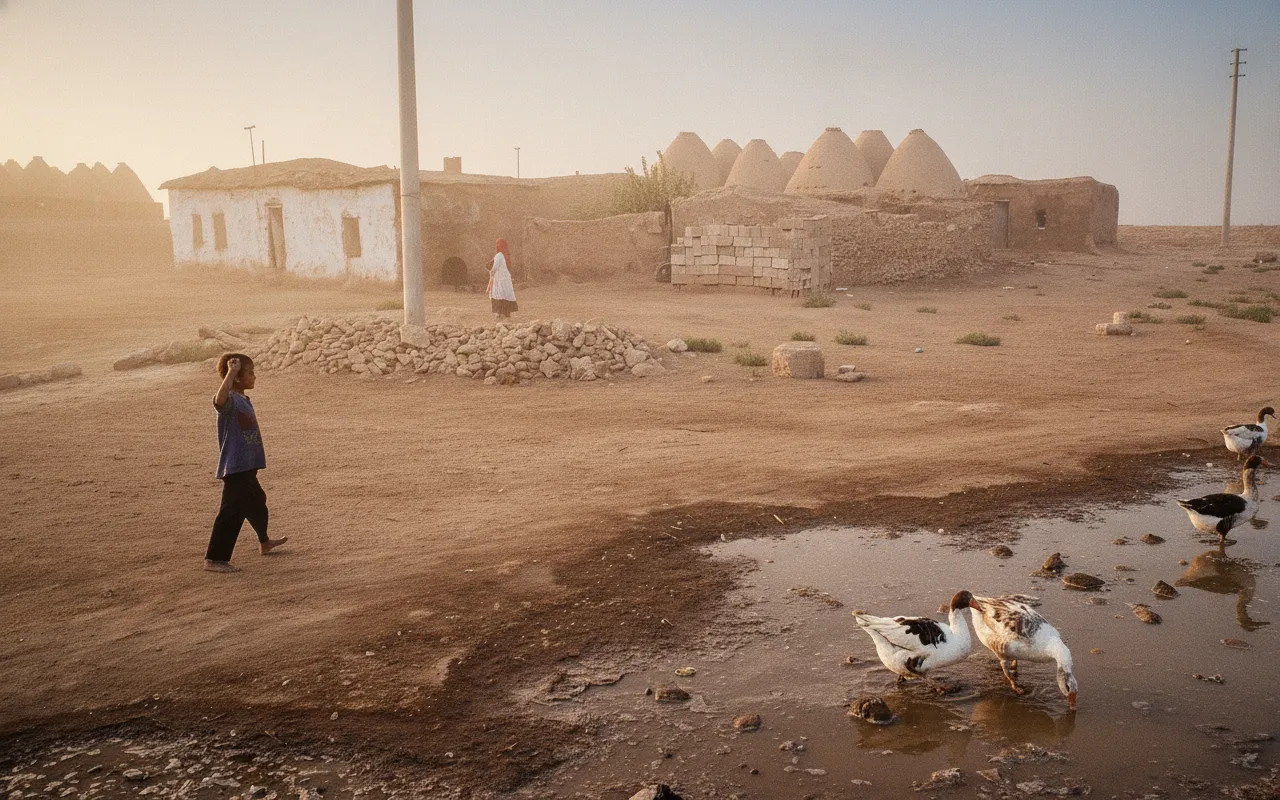
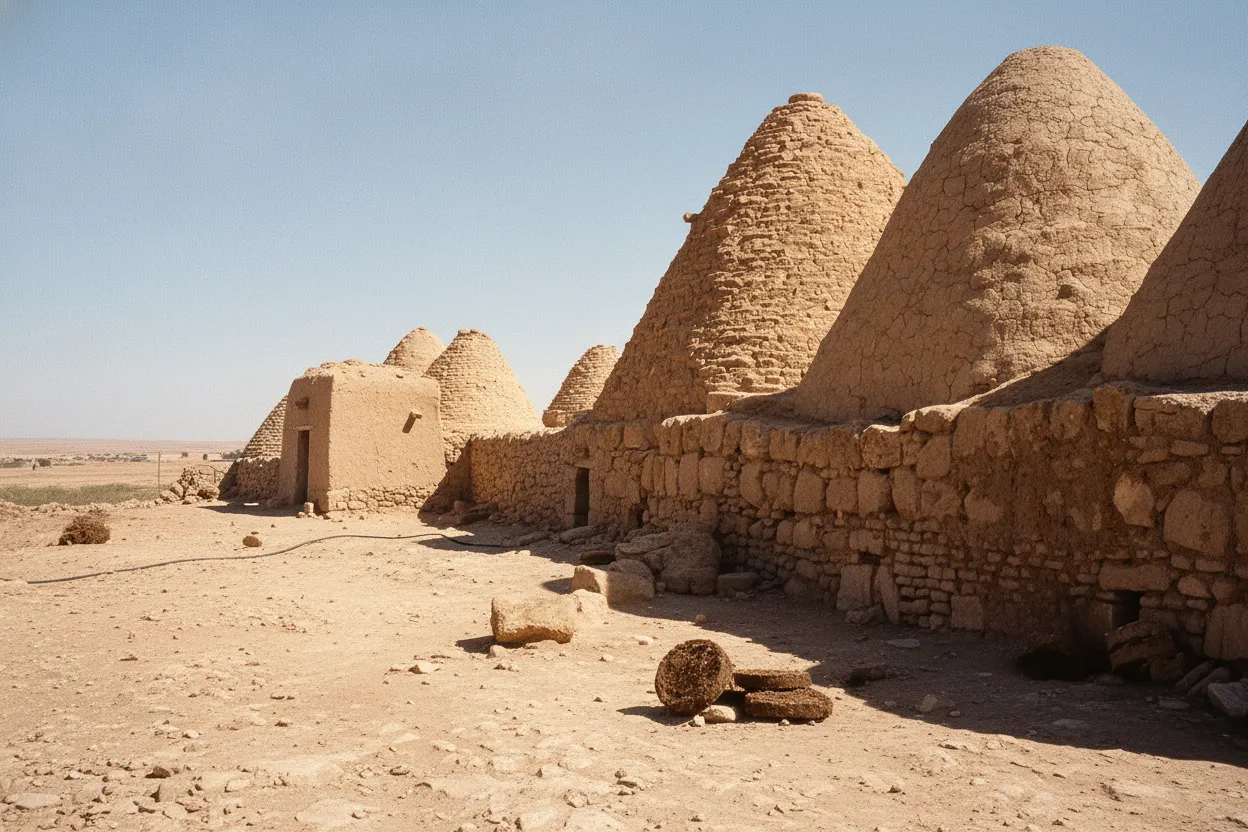
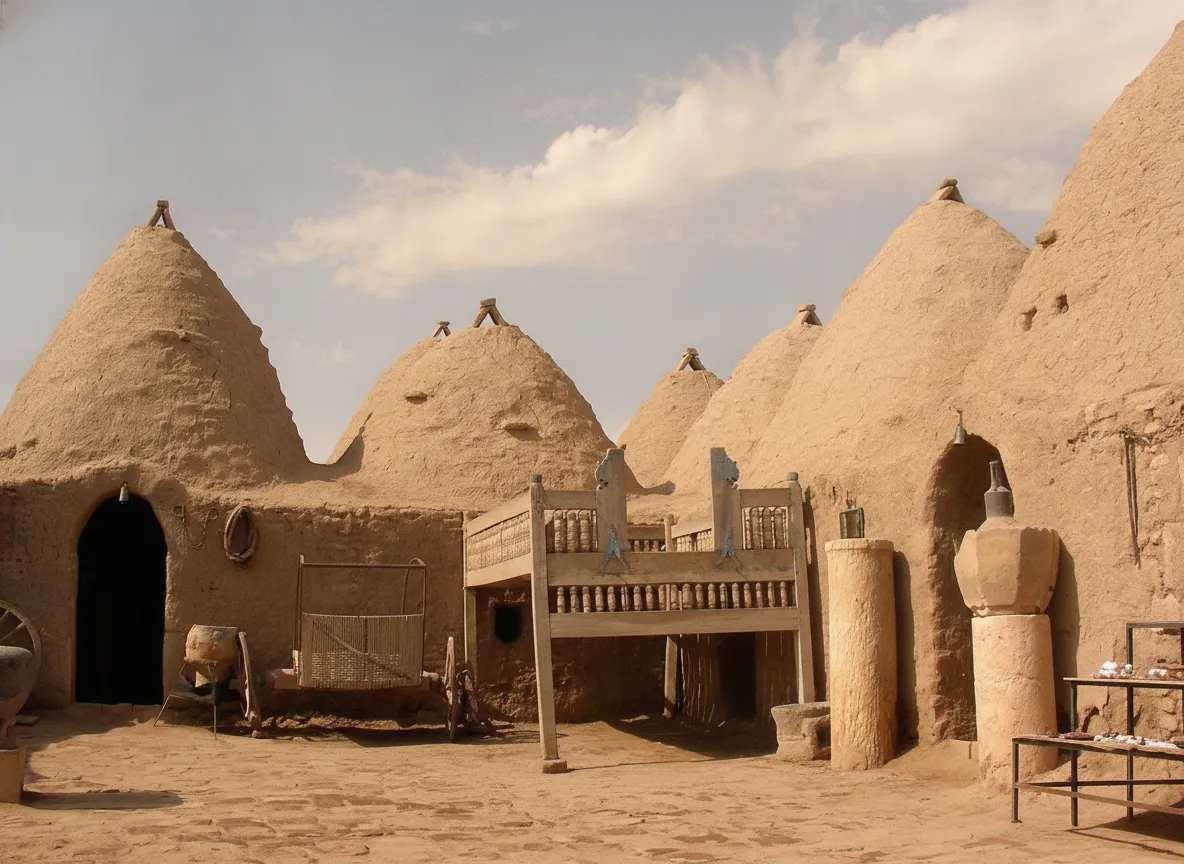
At first glance, the village of Harran appears almost surreal. Rows upon rows of conical mud-brick dwellings rise from the earth, their domed roofs resembling giant, golden beehives clustered together under the vast Turkish sky. But these aren't mere historical relics; they are homes, still inhabited by local families, preserving a remarkably ancient way of life. Some of these distinctive structures are estimated to date back an astounding 3,000 to 5,000 years, making them living archaeological wonders.
What's truly fascinating is the ingenious engineering behind these simple yet sophisticated structures. Crafted from mud, straw, and stone – materials readily available in the Mesopotamian plain – the beehive houses are perfectly adapted to the harsh local climate. Their thick mud walls and conical shape work like natural air conditioners, keeping the interiors remarkably cool during the scorching Şanlıurfa summers and surprisingly warm through the chilly winters. This timeless adaptation, born out of necessity and passed down through generations, represents a sustainable architectural marvel that predates modern climate control by millennia.
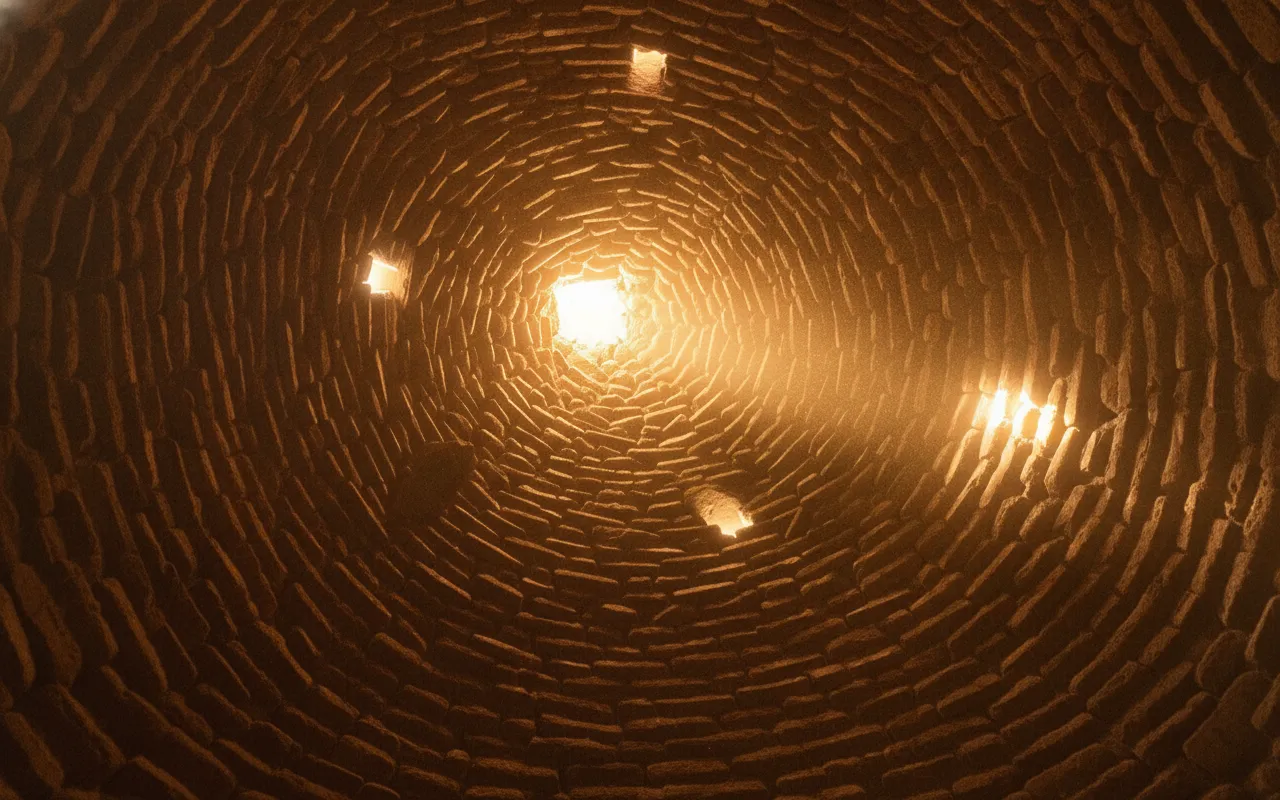
Stepping inside one of these homes is like entering a cozy, earthy cocoon. The absence of sharp corners and the smooth, curved walls create a unique sense of calm and enclosure. Often, a single large cone serves as the main living area, with smaller, interconnected domes branching off for sleeping quarters, storage, or even animal pens. This design not only maximizes thermal efficiency but also creates a wonderfully communal living space, reflecting the close-knit nature of the Harran community. It’s a rare, authentic glimpse into a village that time seems to have forgotten, yet continues to thrive with quiet resilience.
A Journey Through Time: The History of Harran
The story of Harran stretches back to the dawn of civilization, deeply rooted in the fertile crescent of Mesopotamia. This wasn't just any ancient settlement; Harran was a vital city, a major stop on the Silk Road, and a renowned center for trade, culture, and science. Its name echoes through ancient texts, including the Bible, where it's mentioned as the place where Abraham sojourned on his journey from Ur to Canaan.
For millennia, Harran served as a hub for various empires and civilizations. It was home to a prominent moon god cult (Sin), whose temple attracted pilgrims from across the ancient world. Later, under Roman and Byzantine rule, it remained an important strategic point. During the Islamic Golden Age, Harran flourished as a center of learning, boasting one of the world's first universities, where scholars translated ancient Greek texts into Arabic and made significant advancements in astronomy, mathematics, and philosophy. Imagine the intellectual vibrancy that once pulsed through these very plains!
The unique beehive architecture isn't merely a quaint tradition; it's a direct legacy of this deep history and environmental adaptation. The conical form, known as a "tholos," has been found in various ancient cultures, but Harran's continuous use of mud-brick versions is particularly remarkable. While the ancient city itself suffered decline and destruction over the centuries – particularly after the Mongol invasions – the resilient spirit of its people and their ingenious building methods endured, allowing the beehive houses to stand as a living monument to human persistence and adaptation.
What Awaits You in the Beehive Village
Visiting Harran is an immersive experience that goes beyond mere sightseeing. As you wander through the dusty lanes between the golden domes, you'll feel an immediate sense of stepping back in time. The air is often filled with the gentle sounds of village life – children playing, donkeys braying, and the quiet murmur of conversations.
The local families are often incredibly welcoming, and some have opened their homes to visitors, offering a chance to see the interiors of these fascinating dwellings. You might be invited to share a cup of tea, learn about their daily routines, or even try on traditional local attire. This isn't a staged cultural show; it's an authentic interaction with people who are proud custodians of their heritage. You'll witness their resourcefulness firsthand, perhaps seeing how they use traditional tools or prepare local dishes.
Beyond the inhabited beehive houses, the archaeological site of ancient Harran lies nearby. Here, you can explore the ruins of the Grand Mosque, one of the oldest and largest mosques in Anatolia, whose intricate carvings still hint at its past grandeur. You'll also find remnants of the ancient city walls, a castle, and the foundations of the Harran University, allowing you to connect the living village with its illustrious past. A local guide can illuminate the stories etched into these stones, bringing the history to life.
The sheer simplicity and timelessness of Harran are its greatest charms. It’s a place to disconnect from the modern world and reconnect with something profoundly ancient and human. Don't rush your visit; take your time to soak in the atmosphere, observe the daily rhythms, and let the whispers of millennia wash over you.
Practical Tips for Your Harran Adventure
Ready to embark on this extraordinary journey? Here's what you need to know to make your visit to the Harran Beehive Houses unforgettable:
- Best Time to Visit: The Şanlıurfa region experiences extremely hot summers and cold winters. The ideal times to visit are spring (April-May) and autumn (September-October), when the weather is pleasant and comfortable for exploring.
- How to Get There: The nearest major city is Şanlıurfa (often called Urfa), which has its own airport (Şanlıurfa GAP Airport - GNY). From Şanlıurfa, Harran is about a 45-minute to one-hour drive. You can hire a taxi, join an organized tour, or take a local dolmuş (minibus) from the Şanlıurfa bus terminal.
- Accommodation: While there are no hotels directly in Harran, Şanlıurfa offers a range of excellent accommodation options, from boutique hotels in historic mansions to modern establishments. It's a vibrant city with plenty to explore, making it a perfect base.
- Respect Local Culture: Harran is a living village, not a theme park. Dress modestly, especially when interacting with locals or visiting homes. Always ask permission before taking photographs of people. A small gesture of respect goes a long way.
- Language: The primary language spoken is Turkish. While some locals might speak a little Arabic or Kurdish, English is not widely spoken. Having a translation app or a local guide can be very helpful.
- Food & Drink: Don't miss the chance to savor the rich flavors of Şanlıurfa cuisine. Known for its spicy kebabs, lahmacun, and unique local dishes like çiğ köfte (raw meatballs), it's a culinary delight. Enjoy traditional Turkish tea or coffee in Harran.
- What to Bring: Comfortable walking shoes, sun protection (hat, sunglasses, sunscreen), and a reusable water bottle are essential. A camera is a must, but remember to be respectful with its use.
Harran is more than just a collection of ancient buildings; it's a testament to human resilience, ingenuity, and a profound connection to the land. It's a destination that will challenge your perceptions of what a "home" can be and leave you with a deep appreciation for the living history that continues to unfold in this remarkable corner of Turkey. So, pack your bags, open your mind, and prepare to step into a world where the past isn't just remembered, it's lived.
Essential Travel Information
- Location Harran Beehive Houses, Turkey
- Best Time April-May (Spring), September-October (Autumn)
- Getting There Fly to Şanlıurfa GAP Airport (GNY), then take a taxi, organized tour, or local dolmuş (minibus) for a 45-60 minute drive to Harran.
- Airport Şanlıurfa GAP Airport (GNY)
- Budget Mid-range (approx. $50-$100 USD per day for accommodation, food, and local transport, excluding major tours)
- Language Turkish (local dialects include Arabic and Kurdish)
Find Places to Stay Near Harran Beehive Houses
Compare hotels, hostels, and unique stays in Turkey.
Search AccommodationTours & Experiences Near Harran Beehive Houses
Book guided tours, day trips, and unique experiences.
Browse Tours