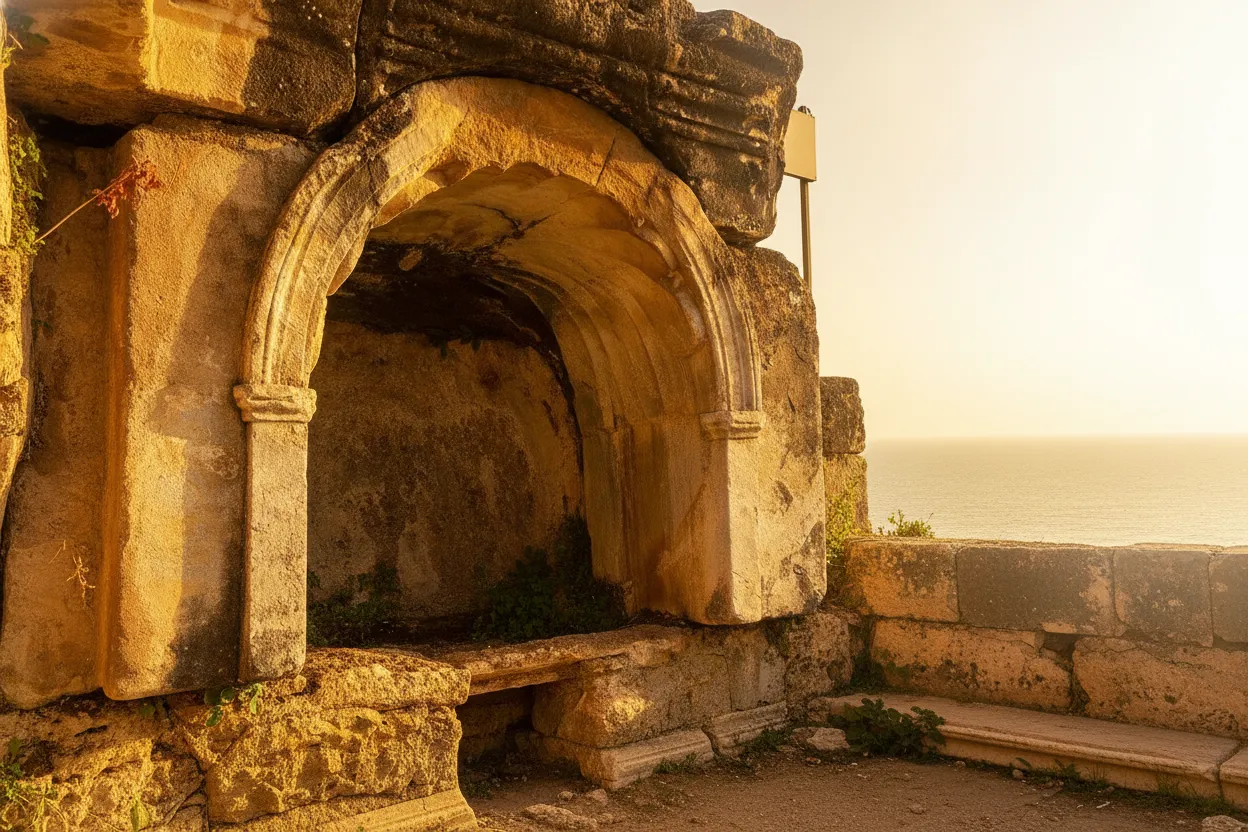
Imagine stepping into a place where the very ground breathes death, a real-life portal to the underworld where ancient priests once sacrificed animals and inhaled deadly fumes to prophesy. This isn't a scene from a fantasy novel; it's a chilling historical reality. Tucked away in the ancient city of Hierapolis, in modern-day Turkey, lies Pluto's Gate – or the Plutonium – a site so profoundly unique and eerily potent that it continues to captivate and mystify all who learn of its existence. Prepare to journey with me to a place where myth intertwined with geology, and the veil between worlds felt terrifyingly thin.
Unveiling the Underworld Portal: Where Myth Met Deadly Reality
What makes Hierapolis Pluto's Gate so utterly special? It’s not just a ruin; it’s a scientific marvel wrapped in ancient belief. For centuries, this site was revered as a literal gateway to the afterlife, a sacred space dedicated to Pluto (Hades), the god of the underworld, and his wife, Persephone. But unlike other mythological sites, the Plutonium had a tangible, lethal secret: a deep geological fissure that continuously emitted noxious, suffocating carbon dioxide gas.
Ancient texts, particularly those of the renowned geographer Strabo, describe this phenomenon with chilling accuracy. He spoke of a "deadly breath" emanating from the cave, instantly killing any animal that entered. Priests, believed to be immune due to divine intervention (or perhaps careful observation of wind patterns and gas concentration), would lead birds and other animals into the toxic fog, witnessing their immediate collapse and death. This dramatic display served as irrefutable proof to devotees that the site was indeed a direct conduit to the realm of the dead. Some brave, or perhaps foolhardy, humans would even endure brief exposures, emerging with prophetic visions, further solidifying the site's reputation as a powerful, albeit perilous, oracle.
The rediscovery of Pluto's Gate in 2013 by Italian archaeologists was a monumental event. Their findings unequivocally confirmed Strabo's ancient accounts, revealing not only the structural remains of the cult site but also the enduring emission of the deadly gas. Even today, small birds and insects that venture too close to the fissure succumb to the invisible killer. This unique blend of verifiable historical accounts, ongoing natural phenomena, and profound religious significance makes Hierapolis Pluto's Gate an archaeological wonder unlike any other. It’s a place where the ancients didn't just imagine a portal to the underworld; they experienced it.
Echoes of Ancient Faith: A History Forged in Myth and Gas
The story of Pluto's Gate is inextricably linked to the ancient city of Hierapolis, a significant Greco-Roman spa city built atop the famous travertine terraces of Pamukkale. Founded in the 2nd century BCE, Hierapolis quickly grew into a thriving center, known for its healing thermal waters and, of course, its mysterious Plutonium.
The cult of Pluto and Persephone was central to the city's religious life. Devotees from across the ancient world would undertake pilgrimages to Hierapolis, seeking revelations from the underworld oracle. The priests, known as Hierophants, were highly respected figures, their supposed immunity to the deadly fumes lending them immense spiritual authority. They would preside over elaborate rituals, often involving torchlight processions and the dramatic sacrifices at the gate, interpreting the signs and delivering prophecies to eager supplicants.
For centuries, the Plutonium flourished, a testament to the enduring human fascination with death, prophecy, and the unknown. However, with the rise of Christianity and the decline of pagan religions, the site eventually lost its prominence. Over time, earthquakes, natural processes, and human neglect buried and obscured the sacred precinct. The once-feared gateway to the underworld became a forgotten legend, its exact location lost to history for over a millennium. Its rediscovery in the 21st century not only brought a lost wonder back into the light but also offered incredible insights into the religious practices and scientific understanding (or lack thereof) of the ancient world.
Exploring the Sacred Site: What Awaits You
Today, a visit to Hierapolis Pluto's Gate offers a truly unique and somewhat eerie experience. The site is part of the larger Hierapolis archaeological complex, which itself is a UNESCO World Heritage Site alongside the stunning Pamukkale travertine terraces. As you approach the Plutonium, you'll feel a palpable shift in atmosphere.
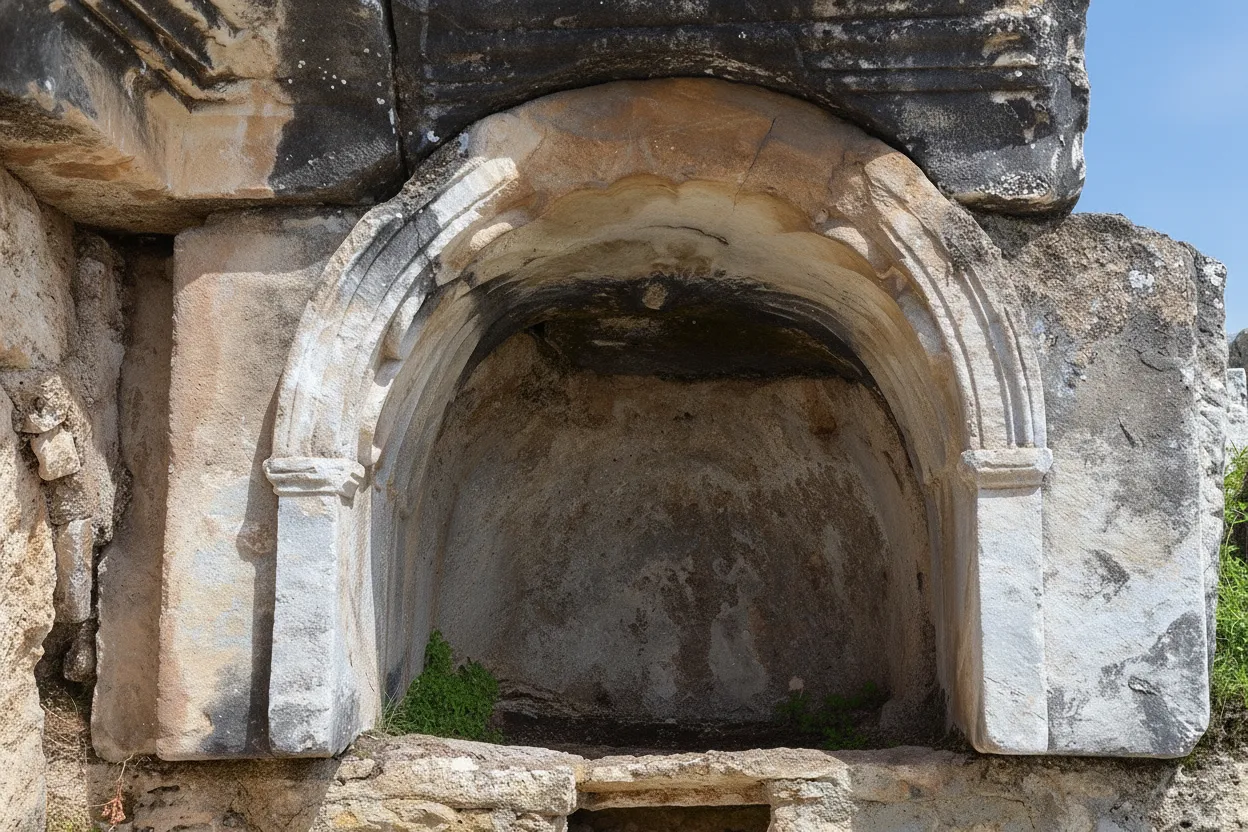
Archaeologists have carefully excavated and partially reconstructed the sacred precinct. You'll see the remnants of the temple structure that once enclosed the entrance to the cave, its foundations hinting at the grandeur of its past. The most striking feature, of course, is the opening itself – a small, unassuming fissure in the rock. While you cannot enter the cave due to the ongoing danger, you can observe the site from a safe distance, imagining the ancient rituals unfolding before your eyes. You might even witness the subtle, almost invisible, haze of the carbon dioxide gas, a chilling reminder of its deadly nature.
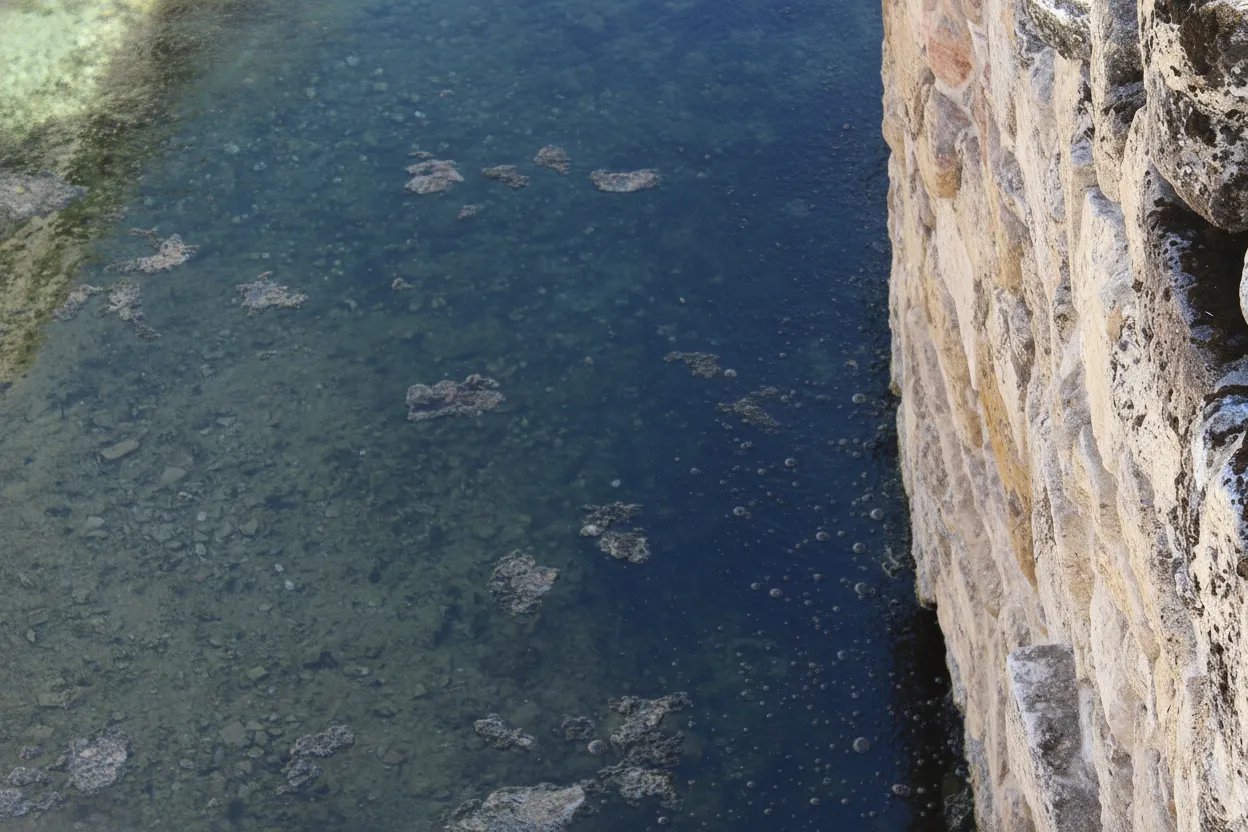
Beyond the Plutonium, the ancient city of Hierapolis offers a wealth of other incredible sights. Wander through the vast Necropolis, one of the best-preserved ancient cemeteries in Turkey, with its impressive sarcophagi and tombs. Marvel at the grandeur of the Roman Theatre, beautifully restored and offering panoramic views of the surrounding landscape. Explore the Roman baths, the Gate of Domitian, and the main street (Frontinus Street). And, of course, no visit to Hierapolis is complete without experiencing the surreal, milky-blue terraces of Pamukkale, where you can literally bathe in the same thermal waters that attracted ancient pilgrims and emperors.
Planning Your Journey to the Edge of the Underworld
Ready to embark on this extraordinary journey? Here are some practical tips to make your visit to Hierapolis Pluto's Gate unforgettable:
Location: Hierapolis Pluto's Gate is located within the ancient city of Hierapolis, near the town of Pamukkale, in Turkey's Denizli Province. It's easily accessible and well-signposted within the Hierapolis archaeological park.
Best Time to Visit: The shoulder seasons (April-May and September-October) are ideal. The weather is pleasant, avoiding the intense heat of summer and the cooler, potentially rainy days of winter. Early mornings or late afternoons are best to avoid crowds and the midday sun.
Getting There: Most visitors combine a trip to Hierapolis and Pluto's Gate with Pamukkale. Denizli is the nearest major city, with a domestic airport (DNZ). From Denizli, you can take a local bus (dolmuş) or a taxi to Pamukkale village. Many organized tours from popular Turkish tourist destinations like Antalya, Bodrum, and Cappadocia also include Pamukkale/Hierapolis in their itineraries.
Entry & Tickets: Access to Hierapolis Pluto's Gate is included with your Pamukkale-Hierapolis archaeological site entrance ticket. The ticket allows you to explore all the ruins of Hierapolis and the travertine terraces of Pamukkale.
Safety First: While the site is open to visitors, it is crucial to respect all safety barriers and warnings. The carbon dioxide gas is still present and lethal. Do NOT attempt to approach the fissure too closely or replicate ancient rituals. Observe from designated safe areas only.
What to Bring: Wear comfortable walking shoes, as you'll be doing a lot of exploring. Bring a hat, sunglasses, and plenty of water, especially during warmer months. Don't forget your camera to capture the incredible history and natural beauty.
Combine Your Visit: Allocate a full day to properly explore both the Hierapolis ruins (including Pluto's Gate, the Necropolis, and the Theatre) and the Pamukkale terraces. You might even consider staying overnight in Pamukkale village to enjoy the thermal pools and see the terraces at sunrise or sunset.
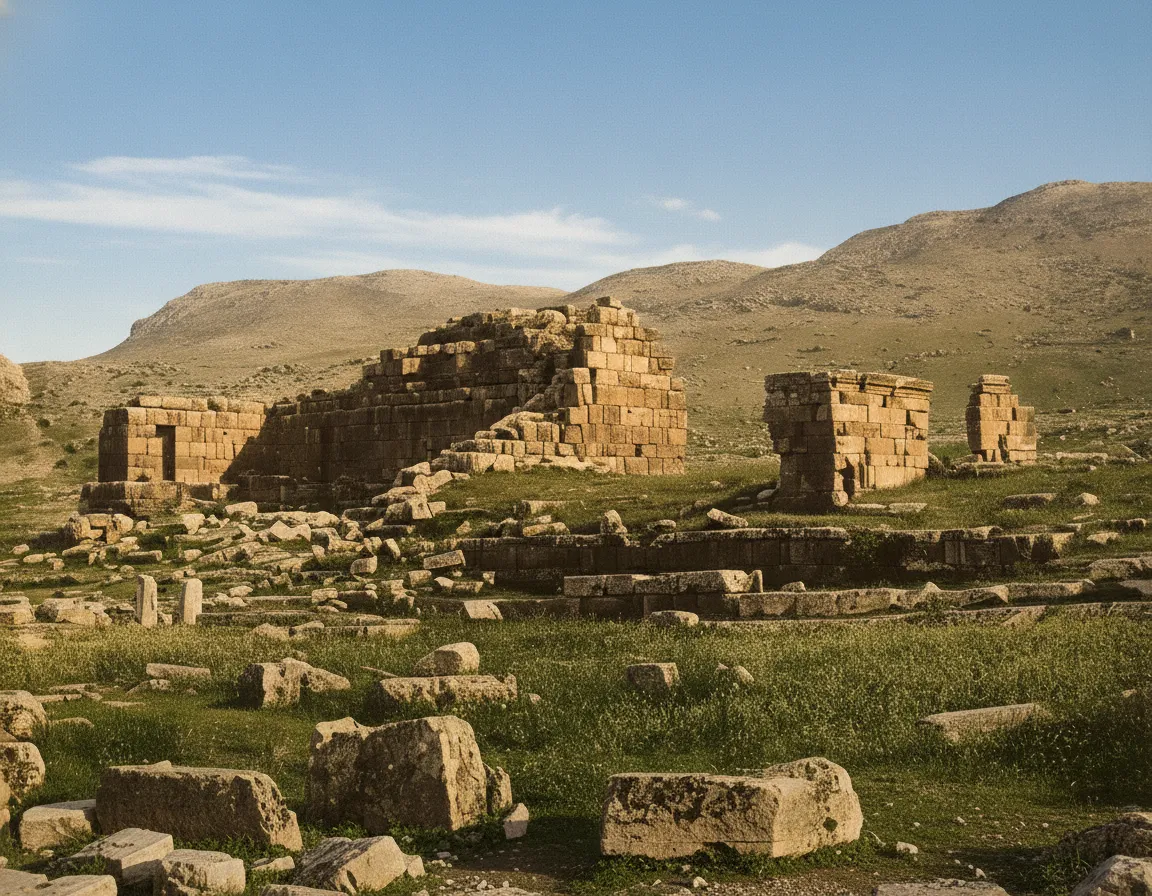
Hierapolis Pluto's Gate is more than just an archaeological site; it's a profound encounter with ancient beliefs, natural wonders, and the sheer power of our planet. It’s a place that truly makes you ponder the mysteries of life and death, and the incredible ingenuity of humans to interpret the world around them. Trust me, a visit here will leave an indelible mark on your soul, offering a perspective on history and mythology you won't find anywhere else.
Essential Travel Information
- Location Hierapolis Pluto's Gate (Plutonium), Turkey
- Best Time April-May and September-October (shoulder seasons)
- Getting There Fly to Denizli (DNZ), then take a local bus (dolmuş) or taxi to Pamukkale village. Often visited via organized tours from major Turkish cities.
- Airport Denizli Çardak Airport (DNZ)
- Budget Mid-range (approx. $50-100 USD/day including accommodation, food, and site entry)
- Language Turkish
Find Places to Stay Near Hierapolis Pluto's Gate (Plutonium)
Compare hotels, hostels, and unique stays in Turkey.
Search AccommodationTours & Experiences Near Hierapolis Pluto's Gate (Plutonium)
Book guided tours, day trips, and unique experiences.
Browse Tours