What Makes Hierve el Agua So Special?
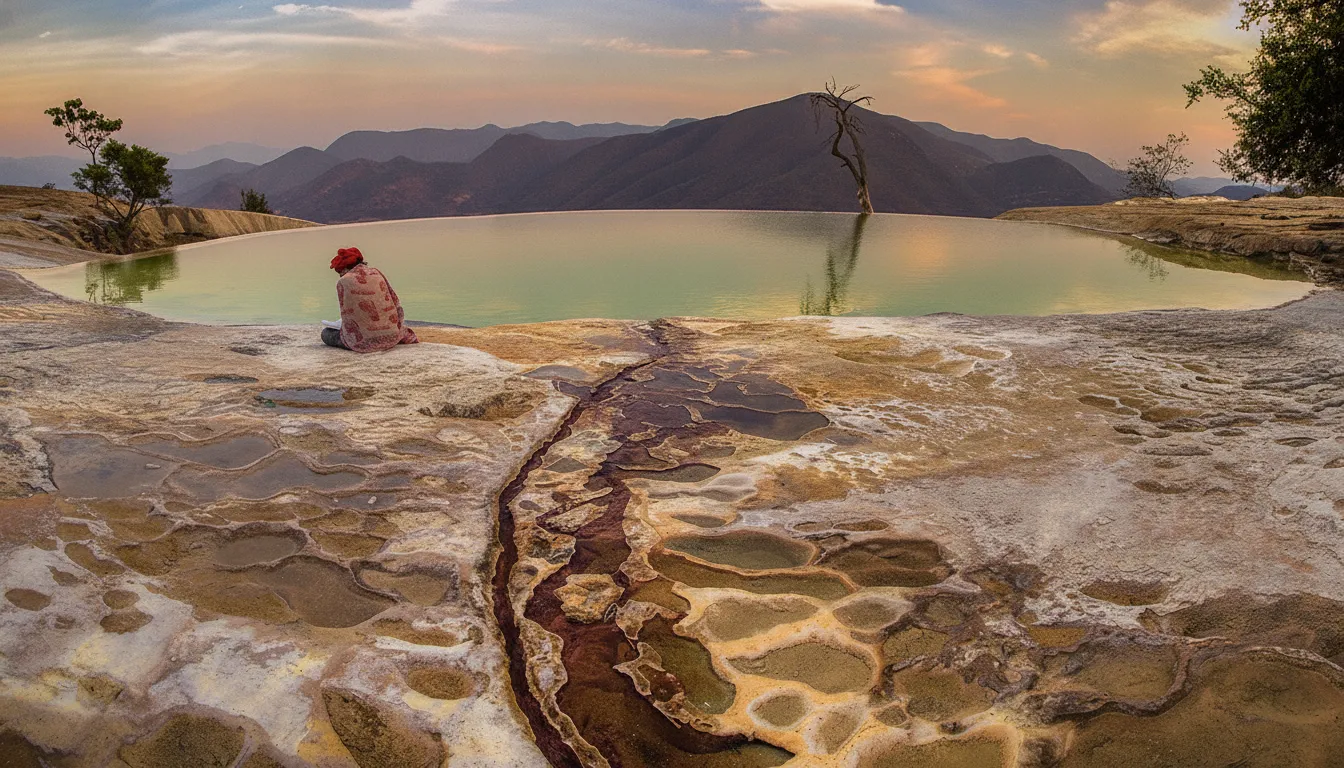
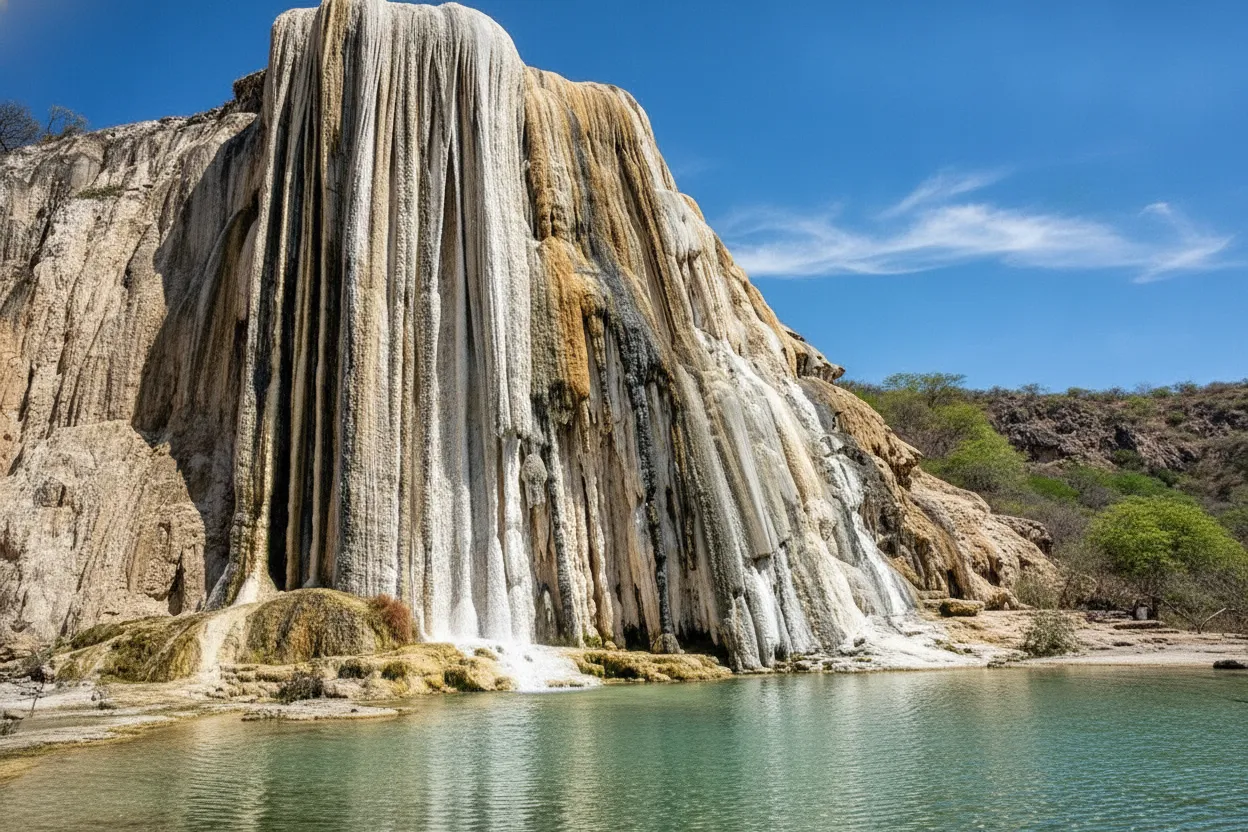
Hierve el Agua, which translates poetically to "the water boils," is a testament to nature's incredible artistry and patience. Over thousands of years, calcium carbonate-rich water bubbling up from natural mineral springs has flowed down the cliffside, leaving behind mineral deposits that have solidified into two magnificent 'petrified waterfalls.' These aren't just subtle formations; they are dramatic, cascading structures that truly look like frozen torrents, stretching for meters down the rock face. The larger of the two, known as "Cascada Grande," is an impressive sight, resembling a colossal curtain of stone. The second, "Cascada Chica," is equally captivating, with its intricate formations.
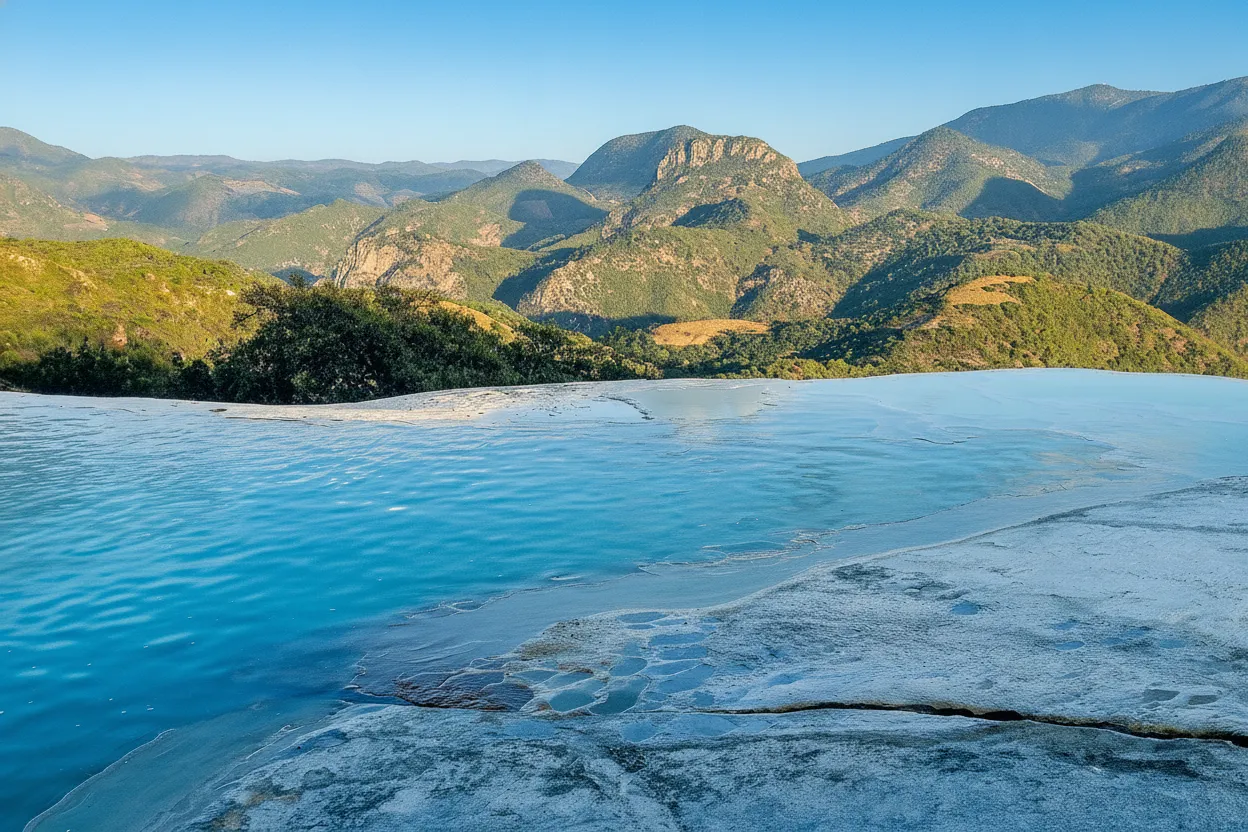
But the magic doesn't stop there. At the very edge of the cliff, fed by these same mineral-rich springs, lie vibrant natural pools. These aren't just any pools; they are infinity pools crafted by nature itself, offering a surreal swimming experience. Imagine floating in warm, mineral-rich water, looking out over a vast, verdant valley stretching to the horizon, with the cool mountain air on your skin. The water's unique mineral content gives the pools their striking turquoise and emerald hues, making them incredibly inviting. It's a place where you can literally swim atop a petrified waterfall, gazing at a view that will etch itself into your memory forever. This extraordinary combination of geological wonder and natural spa makes Hierve el Agua an unparalleled destination, unlike anything else on Earth.
A Glimpse into History and Nature's Artistry
The story of Hierve el Agua is one of deep time and ancient wisdom. For millennia, the mineral springs have been performing their slow, deliberate dance, carving and shaping the landscape. This process, known as petrification or calcification, occurs as the calcium carbonate in the water precipitates out, forming travertine, a type of limestone. Each drop of water contributes to the growing masterpiece, layer by painstaking layer, resulting in the intricate, stalactite-like formations that mimic flowing water.
Beyond its geological significance, Hierve el Agua holds a special place in the history of the local Zapotec people, who have inhabited this region for thousands of years. The site wasn't just a natural wonder; it was also an important agricultural and ceremonial center. Evidence suggests that the Zapotecs ingeniously utilized the mineral springs, constructing a complex system of ancient irrigation channels and terraces to divert the water for farming, particularly for salt extraction. Some of these ancient channels, carved into the rock, can still be seen today, offering a fascinating glimpse into the ingenuity of this ancient civilization. It's a powerful reminder that while nature crafted the waterfalls, humans have long recognized and harnessed the unique properties of this sacred land.
Exploring Hierve el Agua: What You'll See and Do
Your visit to Hierve el Agua is an immersive experience for all your senses. Upon arrival, the sheer scale of the petrified waterfalls will immediately command your attention. You can walk along the cliff edge, marveling at the formations of both Cascada Grande and Cascada Chica. The intricate details of the mineral deposits, resembling foam and ripples frozen in time, are mesmerizing.
Of course, the highlight for many is the opportunity to swim in the natural pools. The water, though not actually boiling, is often refreshingly cool or mildly warm, depending on the weather, and its mineral content is believed by some to have therapeutic properties. Find your perfect spot, ease into the water, and let the panoramic views wash over you. It's a moment of pure tranquility and awe.
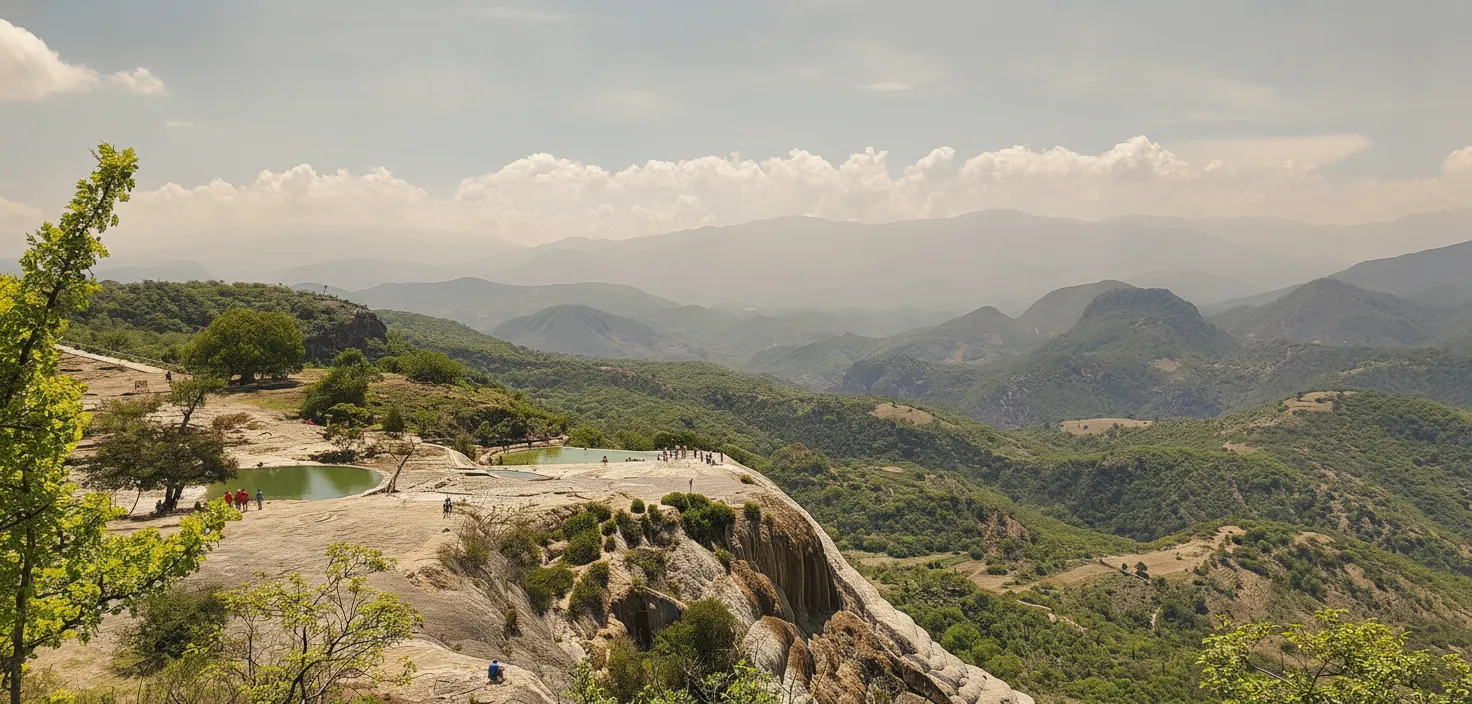
For the more adventurous, there are well-marked trails that wind down to the base of the larger petrified waterfall. This hike offers a completely different perspective, allowing you to appreciate the immense height and grandeur of the formations from below. It's a moderately challenging descent and ascent, but the views and the chance to touch the ancient stone are well worth the effort. Along the way, you'll encounter diverse flora and fauna, adding to the natural beauty of the area.
Beyond the natural wonders, the site also features a small market area where local vendors sell delicious Oaxacan food – think tlayudas, empanadas, and fresh fruit – as well as artisan crafts. It's a great opportunity to savor authentic regional flavors and pick up a unique souvenir to remember your visit. Take your time, explore the different viewpoints, dip your toes (or your whole body) in the pools, and simply soak in the magic of this truly unique corner of the world.
Practical Tips for Your Unforgettable Visit
To make the most of your trip to Hierve el Agua, here are a few friendly pointers:
- Getting There: Hierve el Agua is located about 70 kilometers (43 miles) east of Oaxaca City. The most common ways to get there are by joining an organized tour (often combined with a visit to Mitla and a mezcal distillery), taking a 'colectivo' (shared taxi) from Oaxaca City to Mitla and then another local 'colectivo' to Hierve el Agua, or renting a car. The drive is scenic but can be winding, especially the last stretch.
- Best Time to Visit: The dry season (roughly October to May) offers the clearest skies and best conditions for swimming and hiking. To avoid the biggest crowds, aim to arrive early in the morning, right when the site opens, or later in the afternoon.
- What to Bring: Definitely pack your swimsuit and a towel! Sunscreen, a hat, and sunglasses are essential, as the sun can be intense. Wear comfortable walking shoes if you plan to hike to the base of the waterfalls. Bring plenty of water and some snacks, though food is available for purchase. Don't forget cash (Mexican Pesos) for entrance fees, transport, and any purchases from local vendors.
- Entry Fees: There are usually two small fees: one for entering the local community's road and another for the site itself. These are typically very affordable.
- Respect the Environment: Hierve el Agua is a delicate natural wonder. Please stay on marked paths, do not climb on the petrified formations, and take all your trash with you. Let's help preserve this incredible site for future generations.
- Altitude: Oaxaca City is at a high altitude (around 1,555 meters or 5,100 feet), and Hierve el Agua is even higher. Take it easy, stay hydrated, and be mindful of your body, especially if you're not accustomed to high altitudes.
Hierve el Agua is more than just a destination; it's an experience that will challenge your perceptions of what's possible in nature. It's a place where geology, history, and pure wonder converge, leaving you with memories as vivid and lasting as the petrified waterfalls themselves. So pack your bags, embrace the spirit of adventure, and prepare to discover one of Mexico's most extraordinary natural treasures.
Essential Travel Information
- Location Hierve el Agua, Mexico
- Best Time October to May (dry season), early morning or late afternoon for fewer crowds
- Getting There From Oaxaca City: shared taxi (colectivo) to Mitla, then another local colectivo to Hierve el Agua; or organized tour; or rental car.
- Airport Oaxaca International Airport (XOX)
- Budget Budget/Mid-range (approx. $30-60 USD daily, excluding accommodation)
- Language Spanish (local Zapotec dialects also spoken)
Find Places to Stay Near Hierve el Agua
Compare hotels, hostels, and unique stays in Mexico.
Search AccommodationTours & Experiences Near Hierve el Agua
Book guided tours, day trips, and unique experiences.
Browse Tours