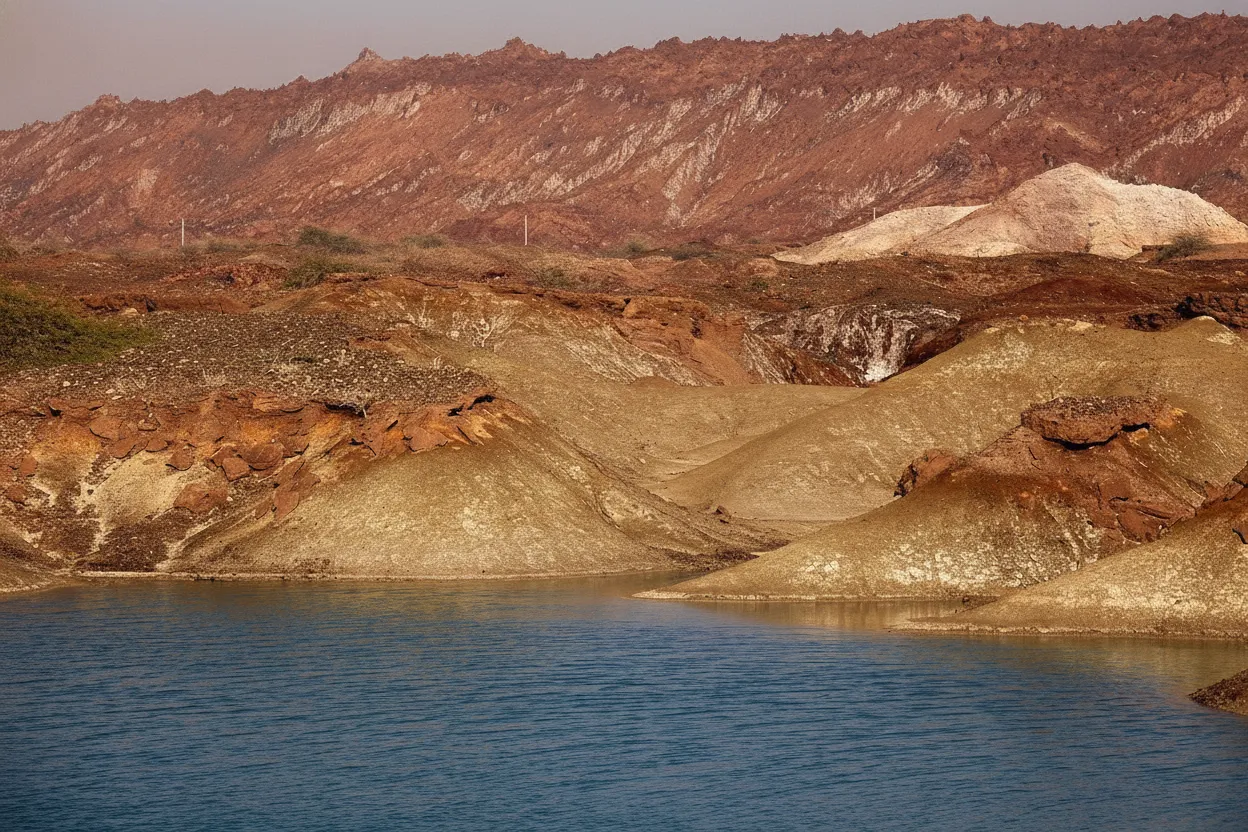
Imagine an entire island where the very earth beneath your feet shimmers in every color of the rainbow, creating a psychedelic landscape unlike anything on Earth. Forget the usual shades of green and brown; here, the ground is painted in vibrant ochre, fiery red, sunny yellow, cool blue, and emerald green. This isn't a fantasy; it's a real place, a geological masterpiece hidden in the azure waters of the Persian Gulf. Welcome to Hormuz Island, Iran's mesmerizing 'Rainbow Island,' a destination that promises to ignite your sense of wonder and leave an indelible mark on your soul.
For too long, Hormuz has been one of the world's best-kept secrets, a geological marvel that feels less like a part of our planet and more like a vibrant canvas from another dimension. If you're seeking an adventure that transcends the ordinary, a journey into a landscape so unique it defies description, then pack your bags. Hormuz isn't just a place to visit; it's an experience to be absorbed, a kaleidoscope of colors waiting to unfold before your eyes.
Hormuz Island: Where Earth Paints a Masterpiece
What makes Hormuz so incredibly special? It's a question you'll find yourself asking at every turn, as your eyes try to process the sheer audacity of its beauty. This small, teardrop-shaped island, part of Iran's Hormozgan Province, is a geological anomaly, a salt dome that has pushed through layers of sedimentary rock, exposing a stunning array of mineral deposits to the surface. Over millennia, erosion, wind, and rain have sculpted these exposed minerals into an otherworldly terrain of multi-hued mountains, valleys, and beaches.
Walking on Hormuz is like stepping into an artist's palette. One moment you're traversing a valley of rich, terracotta red, feeling the fine, iron-rich soil beneath your feet. The next, you're gazing at mountains striped with bands of yellow, orange, and even a surprising violet. The island is renowned for its vibrant ochre earth, but it's the sheer diversity of colors that truly captivates. You'll encounter patches of sparkling white salt crystals, streaks of metallic grey, and even areas where the earth takes on shades of blue and green, thanks to various mineral compositions. It's a visual feast that constantly surprises, making every step an exploration.
Perhaps the most famous of these vibrant hues is the island's celebrated red soil, known locally as "Gelack." This iron oxide-rich earth is so intensely colored that it stains everything it touches, including the waters of the Persian Gulf along its famous Red Beach. What's even more fascinating? This specific red earth isn't just a visual spectacle; it's also used by locals as a spice in their traditional cuisine, particularly in a local bread called "Tomooshi," and as a natural dye. Imagine eating the very landscape that surrounds you – a truly unique connection to the land!
A Glimpse into Hormuz's Rich Tapestry: History and Culture
Beyond its dazzling geology, Hormuz Island boasts a rich and often tumultuous history that adds another layer of intrigue to its character. Due to its strategic location at the mouth of the Persian Gulf, a vital maritime trade route, Hormuz has been a significant hub for centuries. Its history is a fascinating blend of ancient Persian influence, bustling trade, and colonial encounters.
During the medieval period, Hormuz was a thriving port, connecting Persia with India, Africa, and beyond. It was a cosmopolitan center where merchants from various cultures exchanged goods, ideas, and traditions. This golden age, however, was interrupted by the arrival of European powers. In the early 16th century, the Portuguese, under the command of Afonso de Albuquerque, seized control of the island, recognizing its strategic importance for controlling trade in the Indian Ocean. They built a formidable fortress, the "Fort of Our Lady of the Conception," whose imposing red stone walls still stand today, a testament to its colonial past and a dramatic counterpoint to the island's natural colors.
The Portuguese occupation lasted for over a century until Hormuz was reclaimed by the Safavid Empire with the help of the English East India Company. After its liberation, the island's prominence as a trading post gradually declined, shifting to nearby Bandar Abbas. Today, the island's population is relatively small, primarily consisting of local fishermen and their families, whose lives are deeply intertwined with the sea and the unique landscape. They are warm, welcoming, and proud custodians of their colorful home, often sharing stories and traditional music with visitors. This blend of ancient history, resilient local culture, and breathtaking natural beauty creates a truly captivating destination.
Unveiling the Wonders: What to See and Do on Hormuz
Hormuz might be small, but it's packed with incredible sights that demand exploration. Renting a local tuk-tuk (motor-rickshaw) or a scooter is the perfect way to navigate the island's winding roads and discover its hidden gems.
The undisputed star of the show is the **Valley of Colors**, often referred to as the **Rainbow Valley**. This is where the island truly lives up to its name. Spend hours here, simply walking and marveling at the vibrant spectrum of mineral deposits. The earth shifts from crimson to mustard yellow, from muted green to sparkling white, creating an ever-changing panorama. It's a photographer's dream and a geologist's paradise.
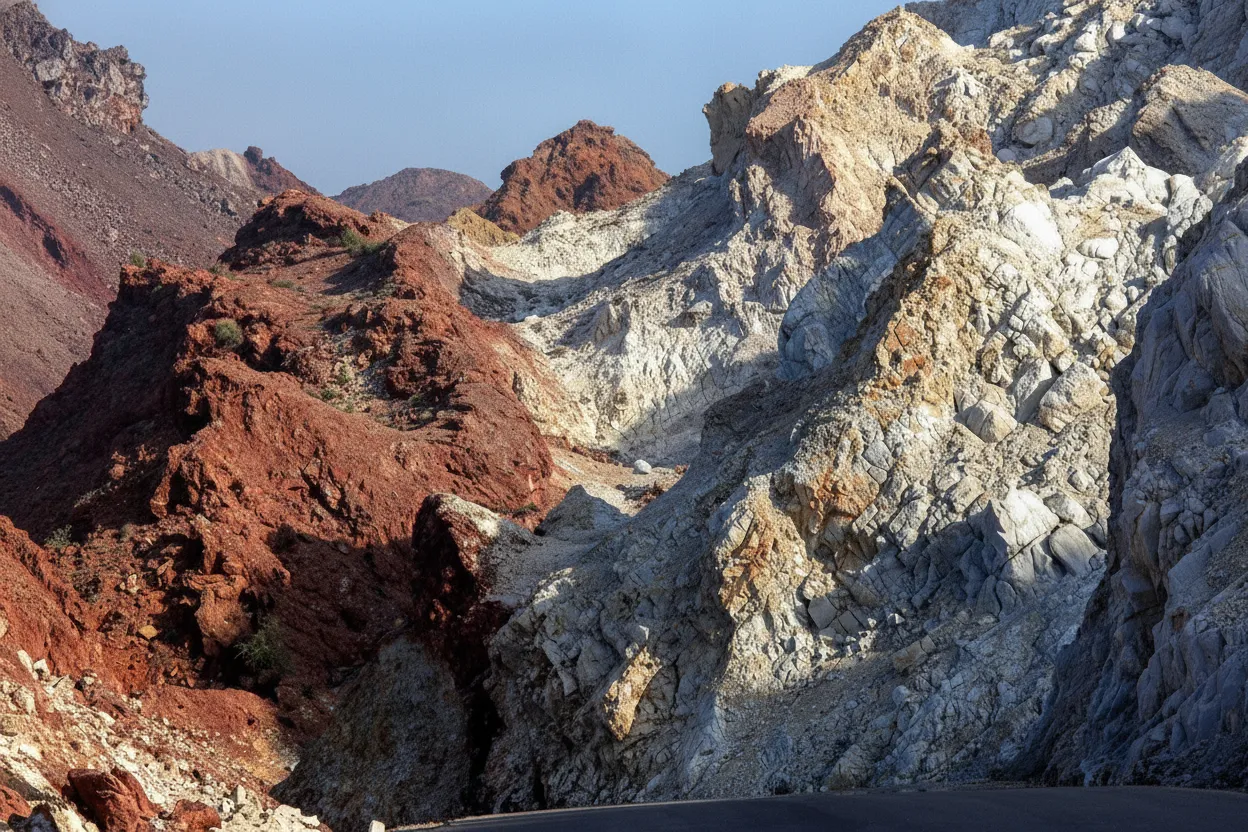
Next, make your way to the **Red Beach (Surkh Beach)**. Here, the sand is a deep, rusty red, and when the waves crash, they turn the water a mesmerizing pinkish hue. It's a surreal sight, especially at sunset. You can even find locals selling small sachets of the edible red earth, a unique souvenir to take home.
Don't miss the **Portuguese Fort**, an iconic historical landmark. Perched on the northern tip of the island, its weathered red stone walls offer a glimpse into Hormuz's colonial past and provide panoramic views of the Persian Gulf. Explore its crumbling ramparts, cannons, and cisterns, imagining the bustling trade and fierce battles that once took place here.
For another geological wonder, visit the **Salt Mountain (Namakdan)**. This massive salt dome features stunning salt caves, intricate crystal formations, and even a small salt waterfall. The sparkling white salt against the blue sky is a stark yet beautiful contrast to the island's other colorful landscapes. The air inside the caves is said to have therapeutic properties.
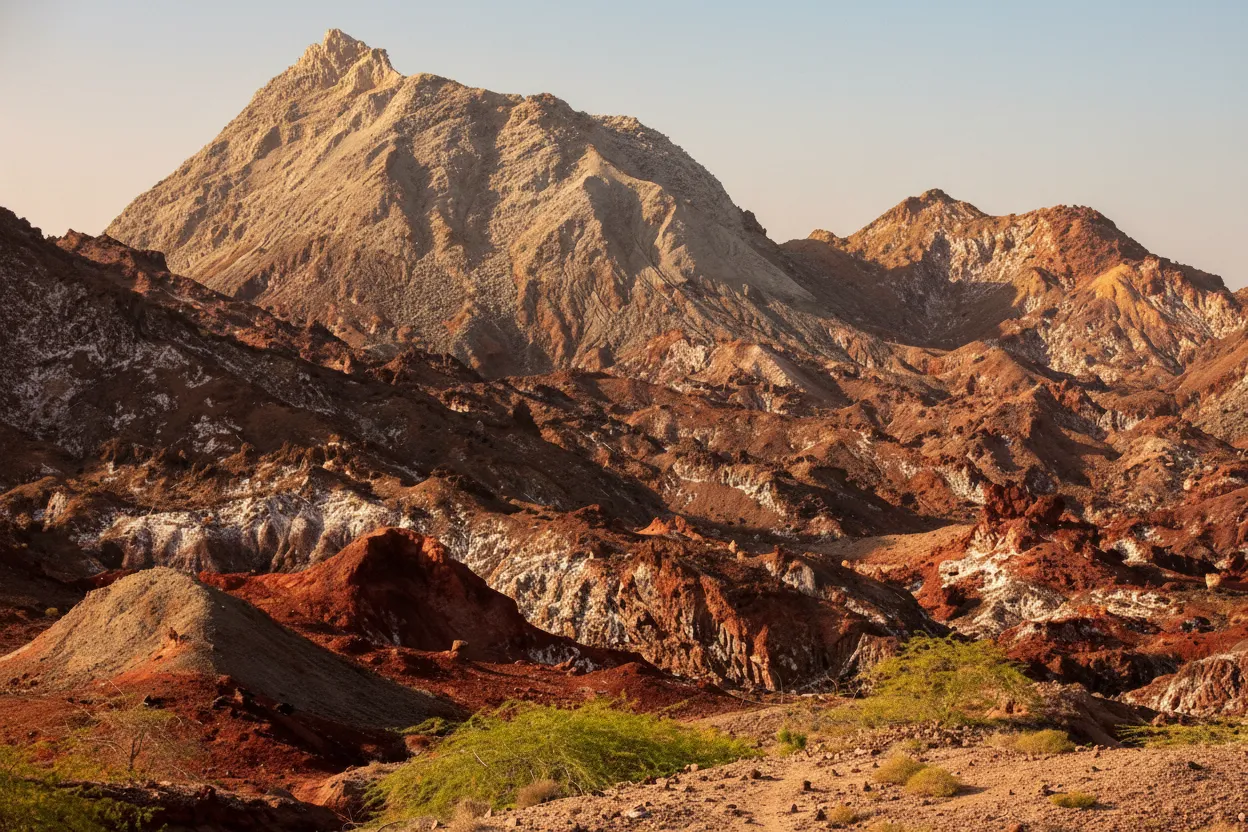
The **Silence Valley**, or Valley of Statues, offers a different kind of beauty. Formed by erosion, this valley is dotted with natural rock formations that resemble various animals and mythical creatures, sparking the imagination. It’s a peaceful, almost spiritual place, especially enchanting during the golden hours of sunrise or sunset.
For a dose of local culture and art, visit the **Dr. Nadalian's Museum and Gallery**. This eco-art museum showcases works by Dr. Ahmad Nadalian, an Iranian environmental artist, and other local artists, often incorporating natural elements from the island. It's a wonderful place to understand the local perspective on Hormuz's unique environment and the importance of conservation.
Beyond these specific sites, simply immerse yourself in the local life. Enjoy fresh seafood, try traditional Persian Gulf dishes, and interact with the friendly islanders. Their hospitality is as warm as the island's sunshine.
Practical Tips for Your Hormuz Adventure
Ready to embark on your rainbow journey? Here are some practical tips to help you plan your visit to Hormuz Island:
Getting There: The most common way to reach Hormuz is by ferry. You can catch a passenger ferry from Bandar Abbas (Shahid Haqani Port) or from Qeshm Island (Zeytoon Port). Ferries run regularly, but schedules can vary, so it's best to check locally upon arrival. The journey is relatively short and offers beautiful views of the Gulf.
Getting Around: Once on the island, the best ways to explore are by renting a motor-rickshaw (tuk-tuk) with a local driver (they often double as knowledgeable guides), renting a scooter if you're comfortable, or even cycling. The island is small enough to explore thoroughly in a day or two.
Accommodation: Hormuz offers limited but charming accommodation options. You'll find a few local guesthouses (often called "eco-lodges" or "local houses") run by families, providing an authentic experience. Booking in advance, especially during peak season, is highly recommended. Camping is also a popular option for adventurous travelers, particularly in designated areas.
Best Time to Visit: The ideal time to visit Hormuz Island is during the cooler months, from **October to April**. During this period, the weather is pleasant, with mild temperatures, making it perfect for outdoor exploration. Summers (May to September) can be intensely hot and humid, making sightseeing less comfortable.
What to Pack: Comfortable walking shoes are a must for exploring the varied terrain. Bring sun protection (hat, sunglasses, high SPF sunscreen), a reusable water bottle to stay hydrated, and a good camera to capture the incredible colors. Light, modest clothing is appropriate, respecting local customs.
Respectful Travel: Iran is a conservative country, and while Hormuz is a bit more relaxed due to its island nature and tourist flow, it's always good to be mindful. Women are generally expected to wear a headscarf (hijab) in public, and modest clothing is appreciated by both men and women. Be respectful of local customs and traditions, and always ask for permission before taking photos of people.
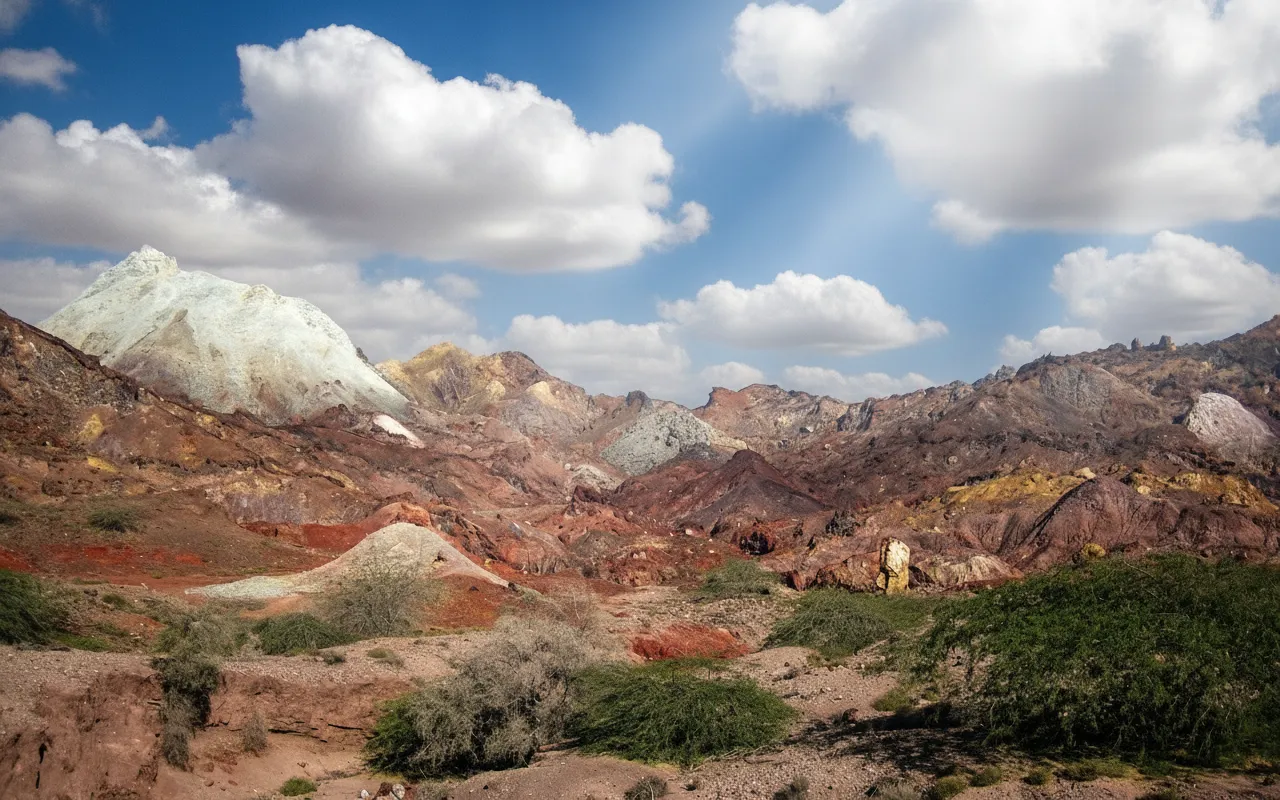
Hormuz Island is more than just a destination; it's an awakening for the senses. It challenges your perceptions of what earth can be, offering a kaleidoscope of colors that will stay with you long after you've left its shores. This hidden gem in the Persian Gulf is an invitation to step off the beaten path and discover a world where nature truly outdoes itself. If you're yearning for an adventure that is visually stunning, culturally rich, and utterly unique, then Hormuz Island awaits. Come and see the rainbow for yourself – you won't believe your eyes.
Essential Travel Information
- Location Hormuz Island (Jazireh-ye Hormoz), Iran
- Best Time October to April
- Getting There Ferry from Bandar Abbas (Shahid Haqani Port) or Qeshm Island (Zeytoon Port)
- Airport Bandar Abbas International Airport (BND)
- Budget Budget/Mid-range (approx. $30-70 USD per person per day, excluding international flights)
- Language Farsi (Persian)
Find Places to Stay Near Hormuz Island (Jazireh-ye Hormoz)
Compare hotels, hostels, and unique stays in Iran.
Search AccommodationTours & Experiences Near Hormuz Island (Jazireh-ye Hormoz)
Book guided tours, day trips, and unique experiences.
Browse Tours