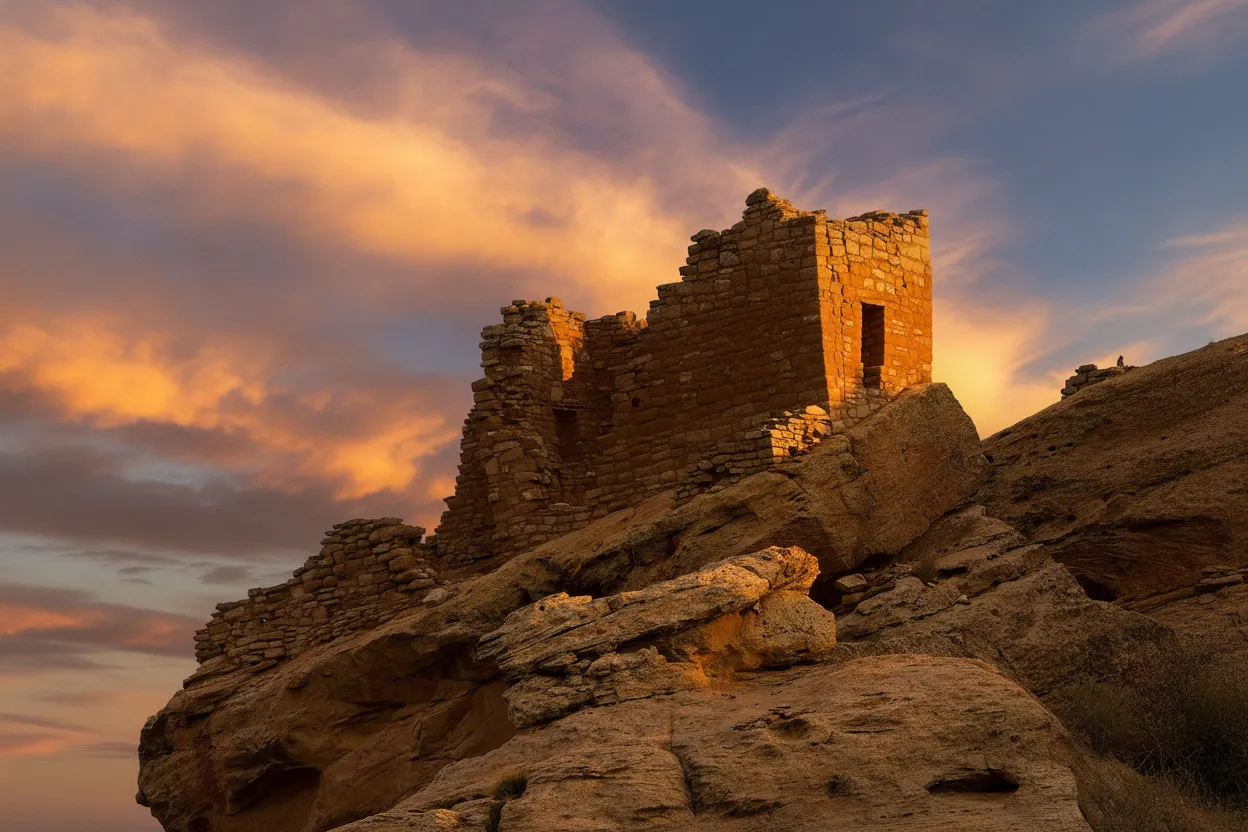
Imagine an ancient civilization building perfect multi-story towers and unique D-shaped structures atop canyon rims and boulders, only to vanish without a trace. This isn't the stuff of forgotten legends from far-flung continents; it's a profound, tangible mystery waiting for you in the quiet, expansive landscapes of the American Southwest. Tucked away in the Four Corners region, where Colorado meets Utah, lies Hovenweep National Monument – a place that whispers tales of ingenuity, resilience, and an unexplained departure. If you're yearning for an adventure that combines breathtaking natural beauty with the captivating enigma of a lost people, then Hovenweep is not just a destination; it's a pilgrimage to the heart of an ancient puzzle.
What Makes Hovenweep So Special?
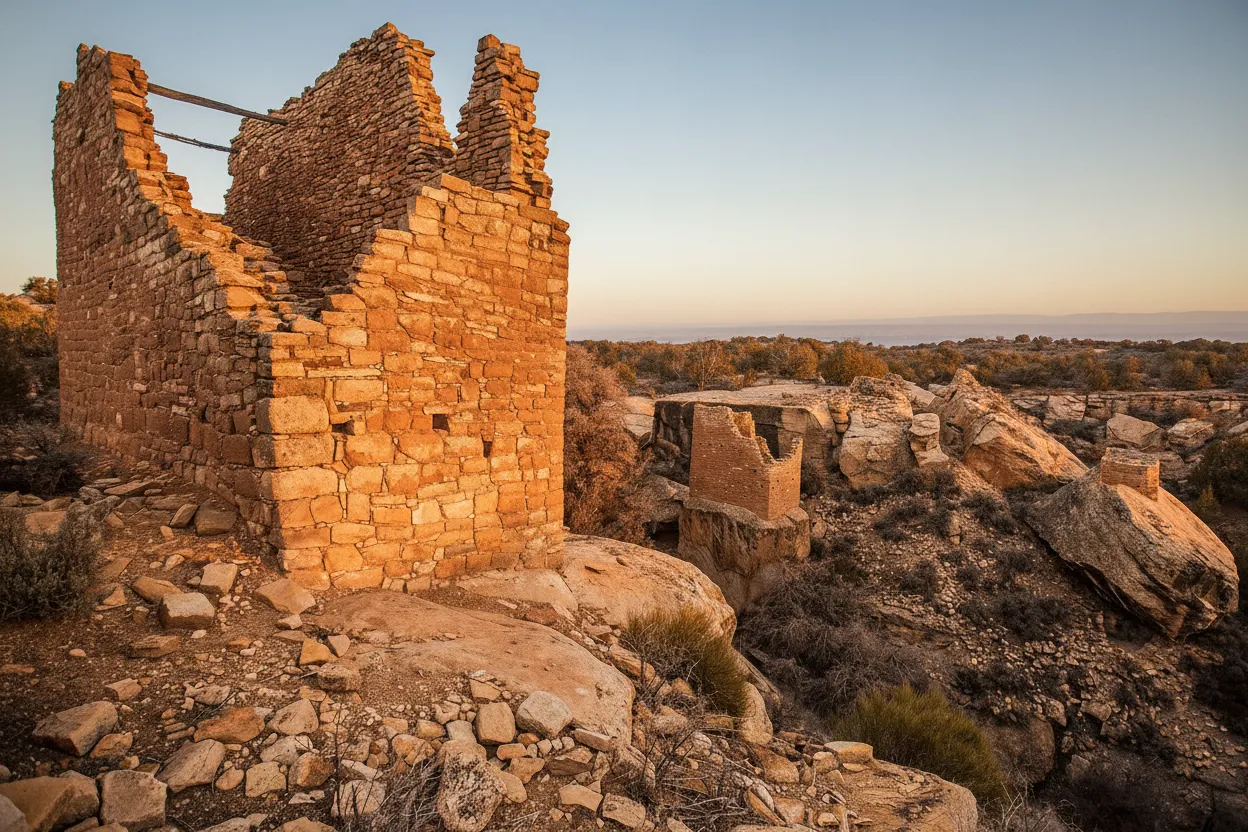
Hovenweep isn't just another archaeological site; it's a testament to the incredible architectural prowess and spiritual depth of the Ancestral Puebloans. What sets it apart are the exceptionally well-preserved and utterly unique stone masonry structures that cling to the canyon edges and balance precariously on massive boulders. Built between A.D. 1200 and 1300, these aren't simple shelters but sophisticated, often multi-story, defensive structures designed with an understanding of engineering that still baffles modern observers. You’ll find everything from towering square and circular structures to intriguing D-shaped buildings and enigmatic kivas – ceremonial chambers that remain central to Puebloan culture today. Each structure seems to have been placed with deliberate intent, not just for defense or shelter, but often with precise astronomical alignments that tracked solstices and equinoxes, suggesting a deep connection to the cosmos.
Unlike larger, more frequently visited Ancestral Puebloan sites, Hovenweep offers a more intimate, reflective experience. Here, the sheer isolation amplifies the feeling of stepping back in time. The silence is profound, broken only by the wind whistling through the canyons, making it easier to imagine the daily lives of the people who once thrived here. The structures themselves are a marvel: perfectly fitted stones, sometimes without mortar, forming walls that have stood for over 800 years against the elements. The ingenious placement on strategic overlooks and the sheer variety of building types across the six distinct villages within the monument make Hovenweep a truly unparalleled archaeological wonder. It’s a place that not only showcases advanced ancient engineering but also preserves the haunting question of why its creators ultimately left their magnificent homes behind.
A Glimpse into the Past: The Ancestral Puebloans of Hovenweep
The story of Hovenweep begins with the Ancestral Puebloans, a people who, for centuries, adapted and thrived in the challenging, arid landscapes of the Four Corners region. While their ancestors had lived in the area for millennia, the period between A.D. 1200 and 1300 marked a significant cultural florescence at Hovenweep. This was a time when communities began to aggregate into larger, more defensible villages, perhaps in response to environmental pressures or increased social tension. They were skilled farmers, cultivating staple crops like corn, beans, and squash using intricate dryland farming techniques and sophisticated water management systems, including check dams and reservoirs, to capture precious rainfall.
The structures at Hovenweep were not just homes; they were multi-functional centers of community life. The towers, often circular or D-shaped, served various purposes: some were likely defensive strongholds, providing excellent vantage points over the surrounding canyons; others may have been used for storage, astronomical observation, or even ceremonial purposes. The kivas, circular subterranean or semi-subterranean rooms, were central to their spiritual and social gatherings, echoing practices still observed by modern Pueblo peoples. The precision of their masonry, the strategic placement of their villages along the canyon rims, and the evidence of astronomical alignments all speak to a highly organized society with a deep understanding of their environment and the cosmos.
However, by the end of the 13th century, around A.D. 1300, the Ancestral Puebloans of Hovenweep, along with many other communities across the Four Corners region, embarked on what archaeologists call the "Great Departure." They systematically abandoned their villages, migrating south to areas in Arizona and New Mexico, where they eventually merged with existing Pueblo communities. The exact reasons for this mass exodus remain one of archaeology's enduring mysteries. Theories range from prolonged droughts and environmental degradation that made farming unsustainable, to resource depletion, social upheaval, or even warfare. What is certain is that they left behind an incredible legacy of architectural genius and a profound sense of wonder, inviting us to contemplate their lives and the forces that led them to leave their magnificent homes forever.
Exploring Hovenweep: What You'll See
A visit to Hovenweep National Monument is an immersive journey into a landscape dotted with ancient secrets. The monument protects six major prehistoric villages, each with its own unique character and impressive structures. While all are fascinating, the most accessible and iconic is the Square Tower Group, located right near the visitor center.
The Square Tower Group offers an easy-to-moderate 1.5-mile loop trail that winds along the canyon rim, providing spectacular views of several key structures. Here, you'll encounter the iconic Square Tower, a multi-story structure perched dramatically on the canyon edge. Nearby, you'll find Hovenweep Castle, a complex of interconnected towers and rooms that exemplify the advanced masonry techniques. Don't miss the Twin Towers, Unit Type House, and the intriguing Hovenweep D-shape, whose purpose continues to spark debate among archaeologists. Walking this trail, you'll gain a profound appreciation for the Ancestral Puebloans' ability to integrate their architecture seamlessly into the natural landscape, utilizing every natural advantage for defense and observation.
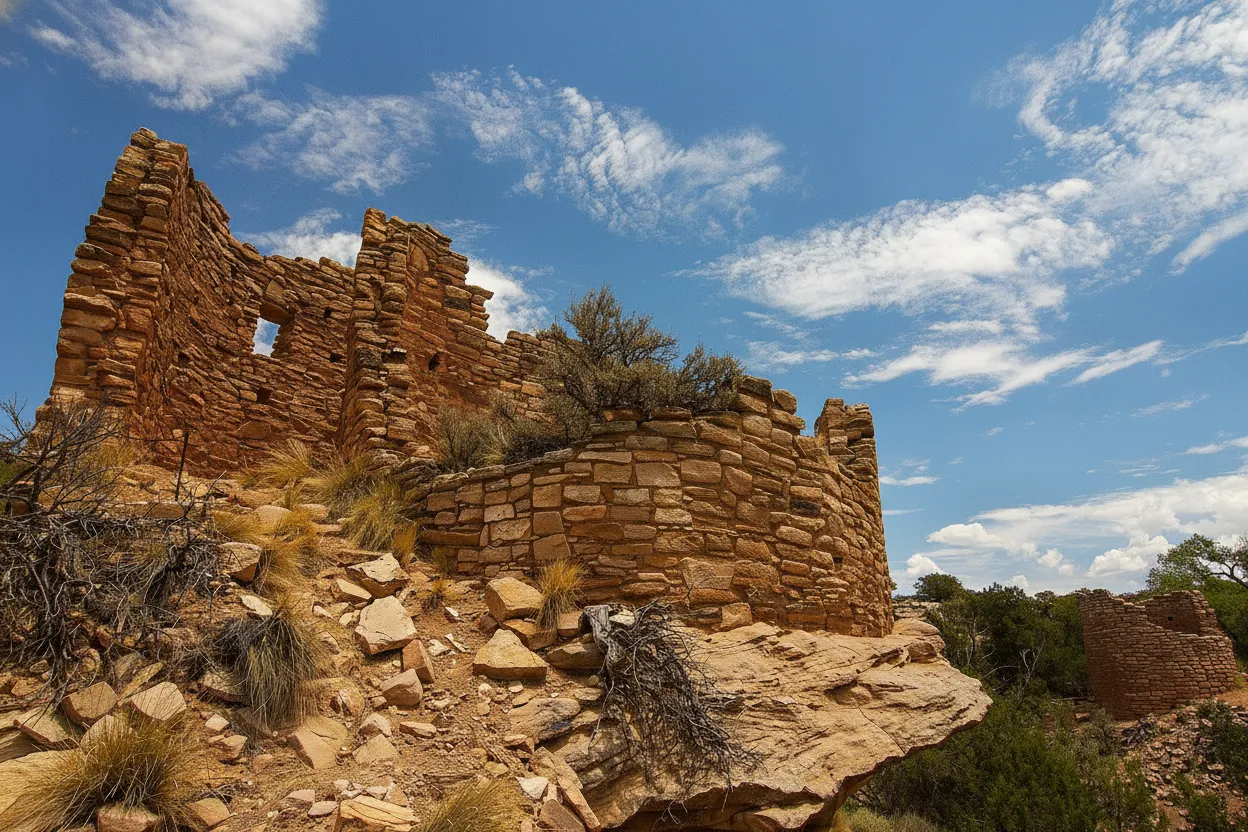
For those seeking a more extensive adventure, longer, more strenuous trails lead to the other five villages: Holly, Hackberry, Cutthroat, Goodman Point, and Cajon. These sites are more remote and require careful planning, but they offer an even deeper sense of solitude and discovery. At Holly, you might find structures with possible solar alignments, while Hackberry and Cutthroat boast impressive towers and kivas. Goodman Point, the largest of the Hovenweep villages, is largely unexcavated, offering a glimpse into the vastness of the Ancestral Puebloan presence. Each village tells a slightly different story, but all share the common thread of exceptional preservation and strategic brilliance. As you hike, allow yourself to pause, listen to the silence, and truly connect with the echoes of the past that resonate through these ancient stones.
Planning Your Hovenweep Adventure: Practical Tips
Hovenweep's remote location is part of its charm, but it also means planning is essential for a rewarding visit. The monument is situated in a truly wild corner of the Four Corners, roughly equidistant from Cortez, Colorado, and Blanding, Utah. A high-clearance vehicle isn't strictly necessary for the main roads, but be prepared for some unpaved sections and variable road conditions, especially after rain or snow. Always check road conditions with the park service before heading out.
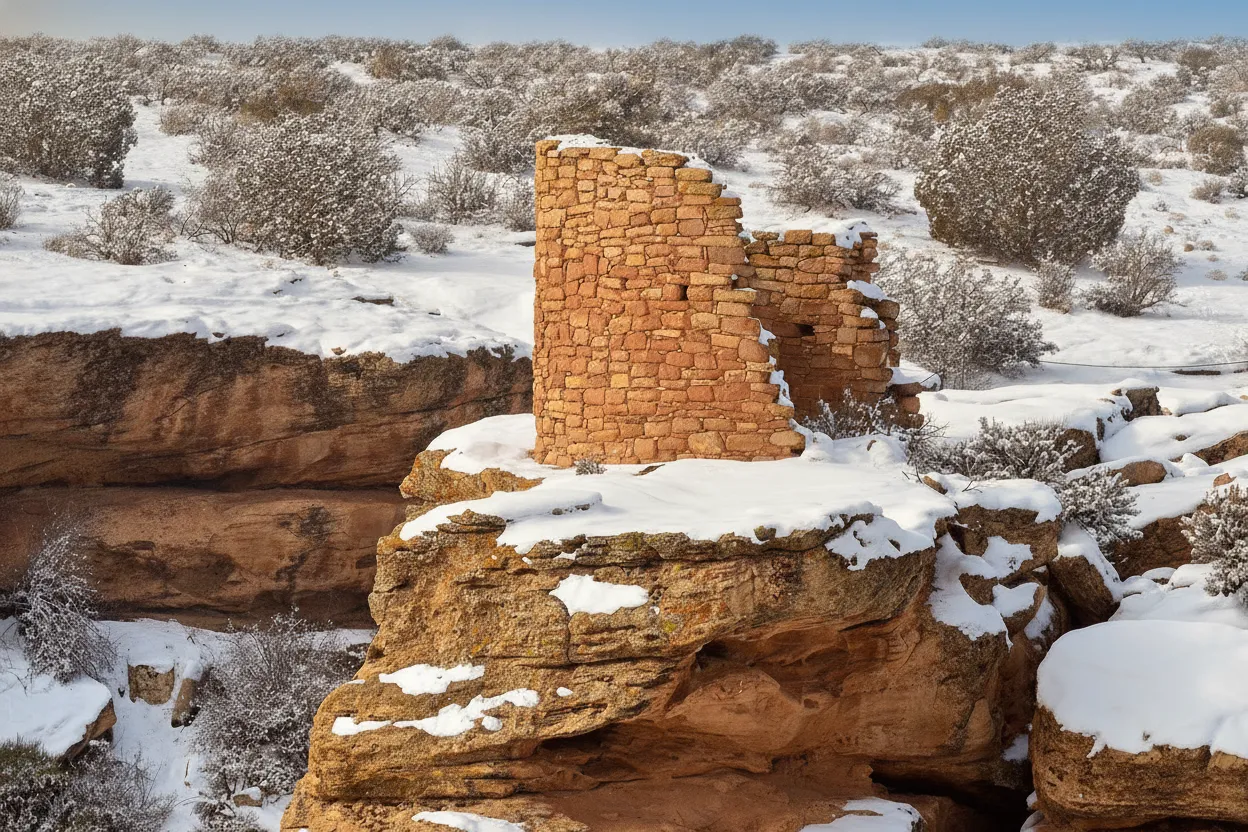
The best times to visit Hovenweep are spring (April-May) and fall (September-October). During these seasons, the weather is typically mild and pleasant for hiking, with clear skies perfect for photography. Summer can be intensely hot, with temperatures often soaring above 90°F (32°C), making strenuous hiking challenging. Winters bring cold temperatures and occasional snow, which can close unpaved roads and make trails slippery, though a snowy Hovenweep can be uniquely beautiful for the prepared adventurer.
Given the monument's isolation, come prepared. There are no services beyond a small visitor center and a primitive campground. Bring plenty of water (at least 1 gallon per person per day, more if hiking extensively), sun protection (hat, sunglasses, sunscreen), sturdy hiking shoes, and layers of clothing, as temperatures can fluctuate dramatically. Pack snacks or a picnic lunch, as there are no food services available. A good map and binoculars will enhance your exploration. The campground at Hovenweep is first-come, first-served and offers basic amenities, providing an incredible opportunity for stargazing away from light pollution. For those preferring hotels, Cortez, CO, and Blanding, UT, are your closest options. Remember to practice Leave No Trace principles, stay on marked trails, and never disturb the fragile archaeological sites. A visit to Hovenweep National Monument is more than just sightseeing; it's an immersive journey into a profound historical landscape, promising wonder, introspection, and an unforgettable connection to an ancient world.
Essential Travel Information
- Location Hovenweep National Monument, USA
- Best Time Spring (April-May) and Fall (September-October)
- Getting There Remote location in the Four Corners region, accessible by car from Cortez, CO (approx. 1.5 hours) or Blanding, UT (approx. 1 hour). Be prepared for some unpaved roads.
- Airport Cortez Municipal Airport (CEZ)
- Budget Mid-range (expect costs for car rental, fuel, park entrance fee, and potentially camping/basic hotel)
- Language English
Find Places to Stay Near Hovenweep National Monument
Compare hotels, hostels, and unique stays in USA.
Search AccommodationTours & Experiences Near Hovenweep National Monument
Book guided tours, day trips, and unique experiences.
Browse Tours