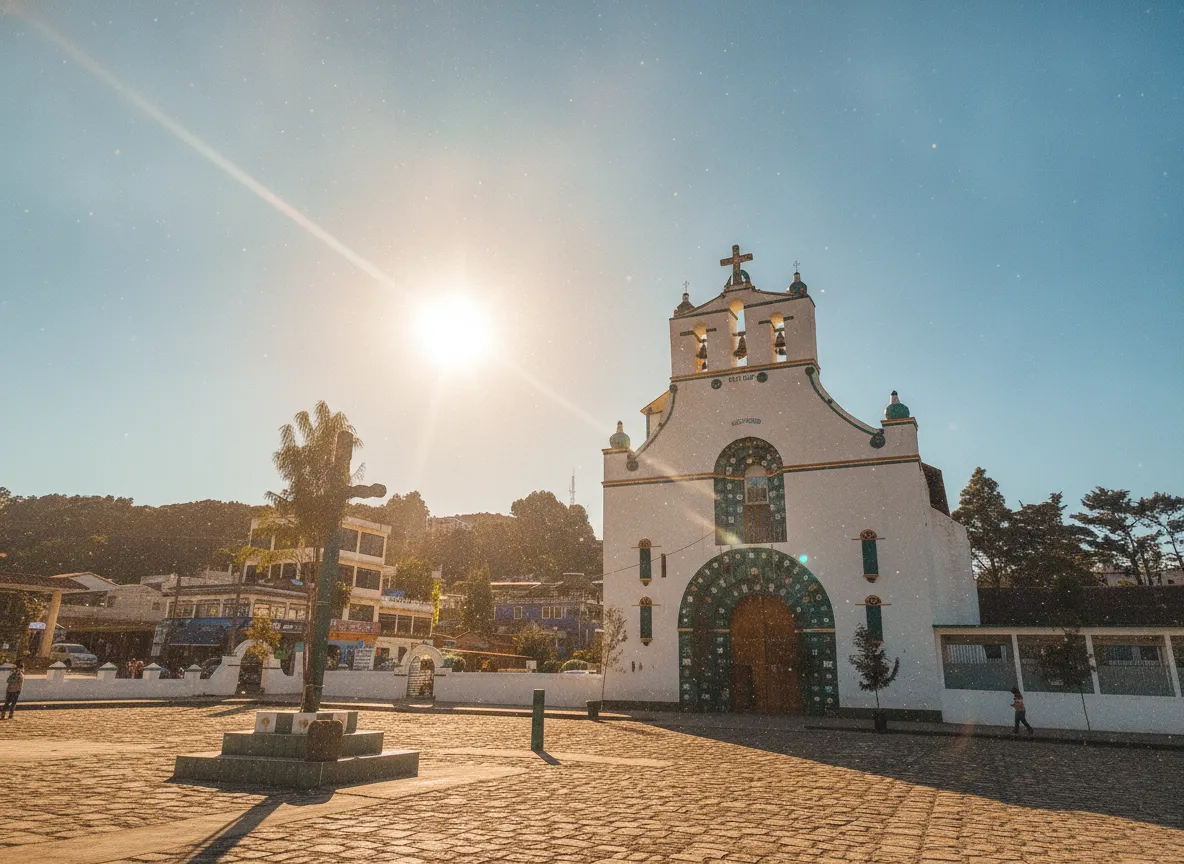
Imagine stepping into a sacred space where the air is thick with the scent of pine needles and copal incense, thousands of candles flicker like distant stars, and ancient spirits seem to whisper alongside Catholic saints. This isn't a scene from a fantasy novel; it's the very real, profoundly moving experience awaiting you at the Iglesia de San Juan Chamula in the highlands of Chiapas, Mexico. Forget everything you thought you knew about churches, because this hidden gem defies conventional understanding, offering a glimpse into a living faith that is as old as the mountains themselves and as unique as the vibrant culture that sustains it.
Step Inside the Unseen: Where Ancient Spirits Dance with Saints
The Iglesia de San Juan Chamula isn't just a building; it's a pulsating heart of spiritual life for the indigenous Tzotzil Maya community. From the moment you approach its unassuming white facade, you sense something different. But it's inside that the true magic, and mystery, unfolds. There are no pews here, no grand altar in the traditional sense. Instead, the entire floor is carpeted with a thick layer of fragrant pine needles, creating a soft, earthy bed for worshippers. This isn't merely decorative; the pine needles are believed to cleanse and purify, connecting the faithful directly to the earth and their ancestors.
And then there are the candles. Thousands upon thousands of them, arranged on the floor in intricate patterns, each flame representing a soul, a prayer, a plea, or a thanksgiving. The flickering light casts dancing shadows on the walls, illuminating the statues of saints – not just revered figures, but understood by the Tzotzil as manifestations of their own ancient gods, each with specific powers and responsibilities. It's a deeply immersive experience, where the boundaries between the sacred and the earthly blur, and the air itself feels charged with centuries of devotion.
A Tapestry of Time: History and the Tzotzil Maya Faith
To truly appreciate the Iglesia de San Juan Chamula, it helps to understand its rich, complex history. When the Spanish conquistadors arrived in the 16th century, they brought Catholicism, imposing it upon the indigenous Maya populations. However, the resilient Tzotzil people didn't simply abandon their ancestral beliefs; they adapted. They ingeniously wove their ancient cosmology, their veneration of nature, their understanding of illness and healing, and their pantheon of deities into the new Christian framework. This process, known as syncretism, resulted in a unique spiritual practice that is distinctly Tzotzil.
For the Tzotzil Maya, the saints are not just Catholic figures; they embody aspects of their pre-Hispanic gods. Saint John the Baptist, for example, is revered as a sun god, a bringer of light and life. The Virgin Mary might be seen as a manifestation of the moon goddess. This blending allowed them to maintain their cultural identity and spiritual connection to their land and heritage, even under colonial rule. The community of San Juan Chamula has also maintained a strong degree of autonomy, governing itself according to its own customs and traditions, which further contributes to the church's singular atmosphere.
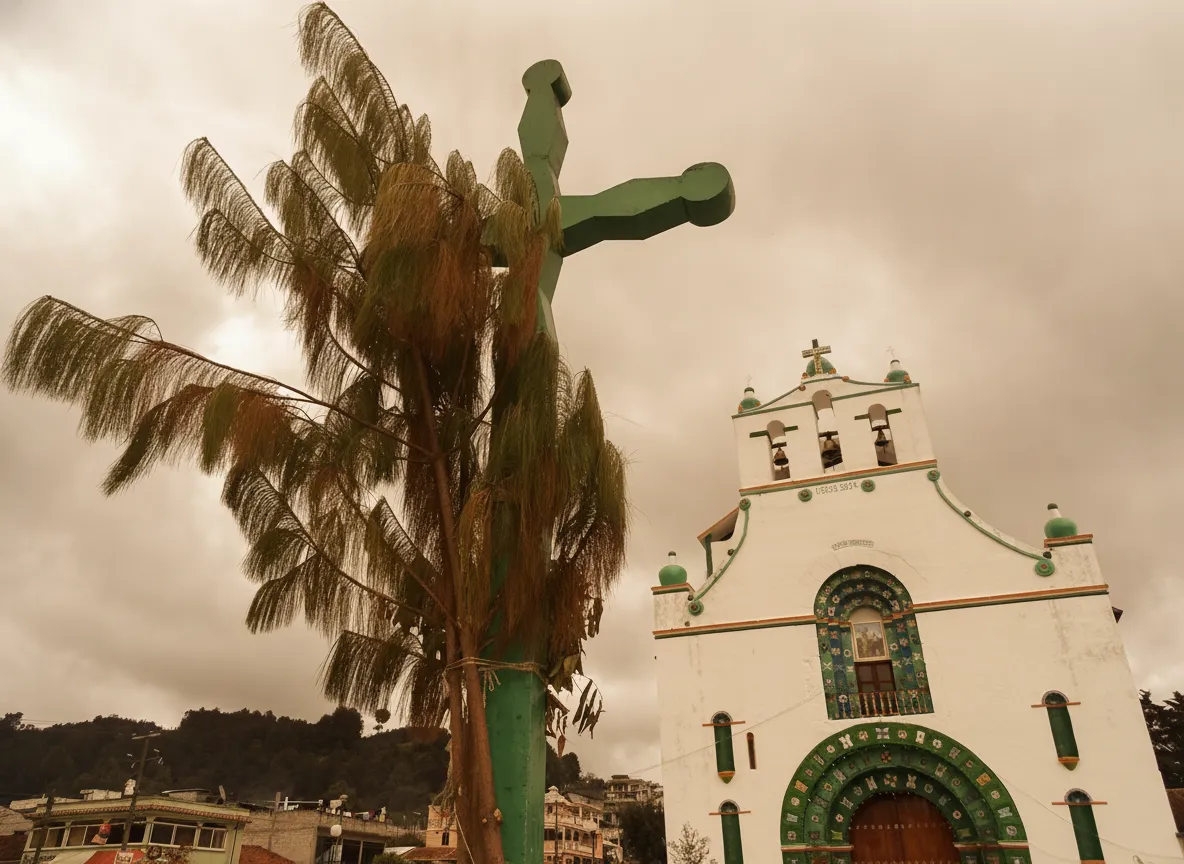
Your Journey Into the Sacred: What to Expect Inside
Stepping inside the church is like entering another dimension. The low light, the heavy scent of copal and pine, and the murmur of prayers create an almost otherworldly atmosphere. You'll see families gathered on the pine-needle floor, often in hushed circles. They light candles of various colors, each hue carrying a specific meaning – white for purity, green for health, red for passion, yellow for prosperity. You might witness a shaman, or ilol, performing a healing ritual.
These rituals are fascinating and deeply personal. A shaman might use eggs, rubbing them over a person's body to absorb illness, later discarding them to release the malady. Chickens are sometimes brought in for more serious ailments, used as a sacrifice to appease spirits or cleanse a soul, their lives given in exchange for health and well-being. And you'll often see bottles of pox (pronounced "posh"), a potent homemade sugarcane liquor, and Coca-Cola being used. The carbonation in the sodas is believed to help worshippers burp, expelling evil spirits or negative energies from their bodies, while pox is used for purification and to connect with the spiritual realm.
The experience is deeply moving, a raw and unfiltered expression of faith. It's not a performance for tourists; it's the everyday spiritual life of a vibrant community. The sheer intensity and authenticity of the devotion are palpable, making it an unforgettable encounter with a truly unique culture. Remember, respect is paramount here. This is not a museum, but a living, breathing sacred space. Keep your voice low, move slowly, and observe with reverence.
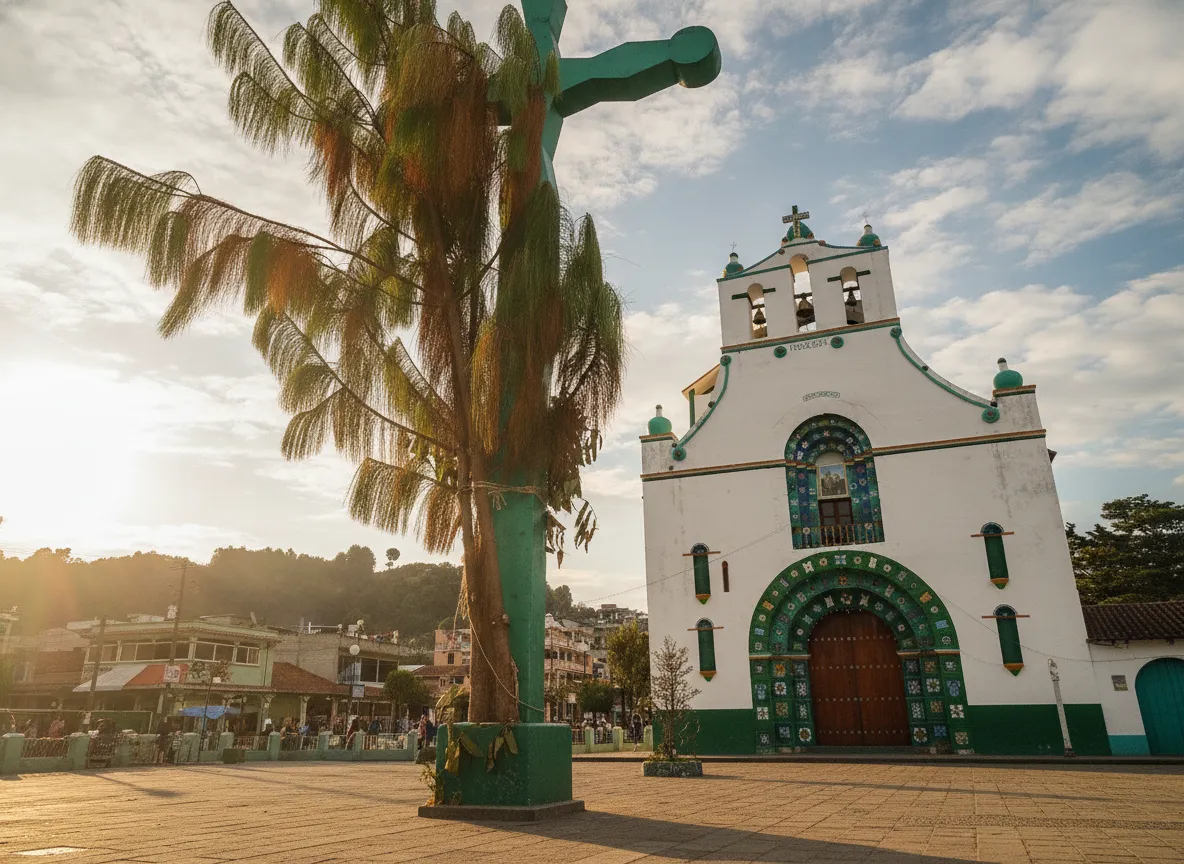
Beyond the Church Walls: Exploring San Juan Chamula Village
While the church is undoubtedly the main draw, don't miss the opportunity to explore the charming village of San Juan Chamula itself. The central plaza often buzzes with activity, especially on market days. You'll find local artisans selling beautiful hand-woven textiles, intricate pottery, and other traditional crafts. The women of Chamula are particularly known for their distinctive wool skirts and embroidered blouses, a testament to their rich textile traditions. Take your time to wander, perhaps try some local food from a street vendor, and simply soak in the atmosphere of this proud and culturally rich community. It offers a wonderful contrast and complement to the intense spiritual experience within the church.
Practicalities for Your Pilgrimage: Tips for a Respectful Visit
Visiting San Juan Chamula is an incredible privilege, and approaching it with respect and awareness will enhance your experience immeasurably.
- Photography: This is the most crucial rule. Absolutely NO photography is allowed inside the church. This rule is enforced strictly and for good reason – it's a sacred space, not a tourist attraction. Disregarding this can lead to serious consequences, including having your camera confiscated or being asked to leave. Be respectful. Outside the church, it's generally okay to take photos, but always ask permission before photographing individuals.
- Dress Modestly: As a sign of respect, dress modestly. Shoulders and knees should be covered.
- Silence & Observation: Inside the church, speak in hushed tones, if at all. Observe from a distance, allowing people to practice their faith without feeling like they are on display.
- Getting There: San Juan Chamula is an easy and popular day trip from San Cristobal de las Casas. You can take a colectivo (shared van) from the market area, hire a taxi, or join an organized tour. Colectivos are the cheapest and most authentic option, taking about 20-30 minutes.
- Entrance Fee: There is a small entrance fee to visit the church, which goes towards the community. You'll pay it at the municipal building near the main plaza before entering the church.
- Best Time to Visit: Early morning or late afternoon can offer a more atmospheric and less crowded experience. Mid-day can be busy with tour groups.
- Local Guides: Consider hiring a local Tzotzil guide from the community. They can offer invaluable insights into the rituals, beliefs, and history, enriching your visit significantly.
- Altitude: San Juan Chamula is at a high altitude (around 7,200 feet or 2,200 meters). Take it easy, stay hydrated, and be aware of potential altitude sickness symptoms.
- Food & Water: While there are places to eat in the village, it's wise to bring your own water and perhaps some snacks, especially if you're sensitive to new foods.
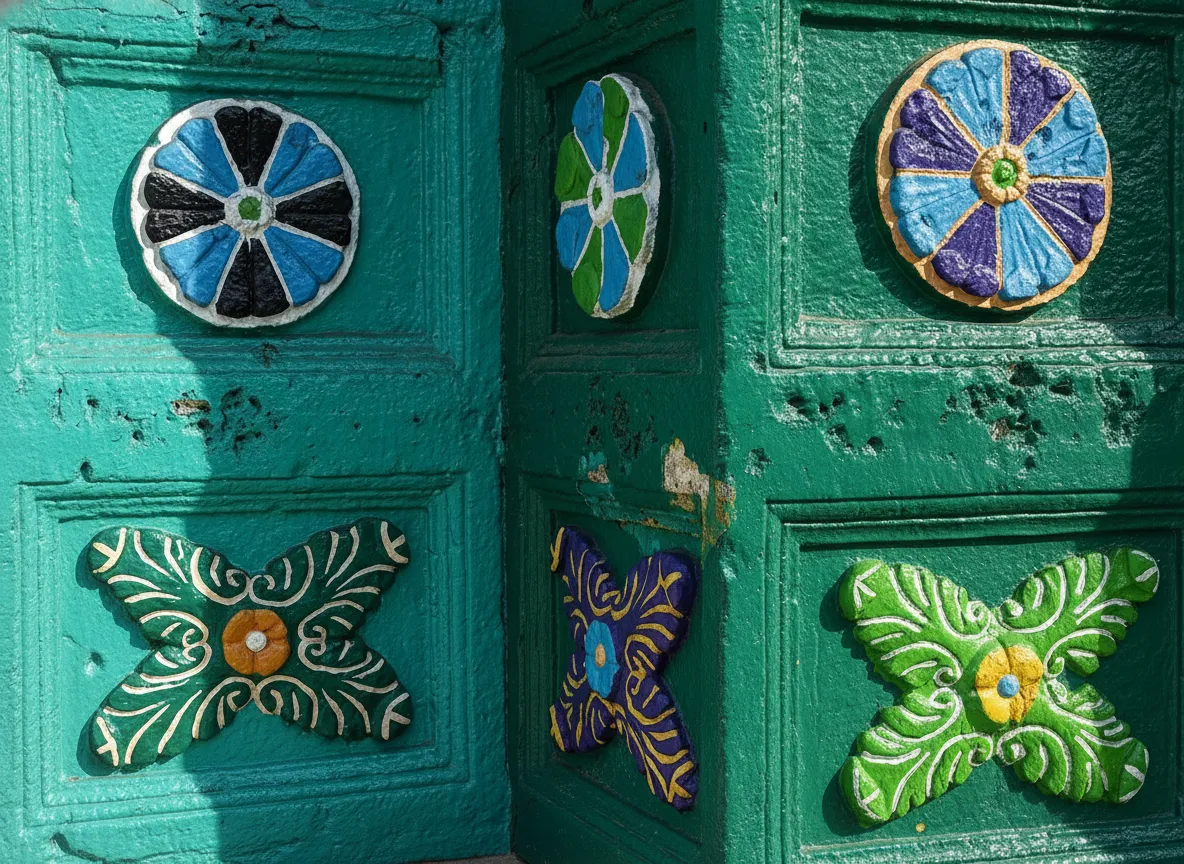
The Iglesia de San Juan Chamula is more than just a destination; it's an encounter with a profound and living faith that challenges and expands your understanding of spirituality. It's a place where ancient traditions thrive, where the past and present merge, and where every flickering candle tells a story. If you're seeking a travel experience that goes beyond the conventional, that immerses you in a culture unlike any other, then Chamula awaits. Prepare to be moved, to be humbled, and to witness a corner of the world where the sacred truly comes alive.
Essential Travel Information
- Location Iglesia de San Juan Chamula, Mexico
- Best Time October to April (dry season), early morning or late afternoon for atmosphere
- Getting There Easy 20-30 minute colectivo (shared van) ride from San Cristobal de las Casas, Chiapas, Mexico.
- Airport Ángel Albino Corzo International Airport (TGZ)
- Budget Budget/Mid-range (approx. $30-60 USD per day including transport, entrance, and basic food)
- Language Tzotzil, Spanish
Find Places to Stay Near Iglesia de San Juan Chamula
Compare hotels, hostels, and unique stays in Mexico.
Search AccommodationTours & Experiences Near Iglesia de San Juan Chamula
Book guided tours, day trips, and unique experiences.
Browse Tours