The Colossus Revealed: A Masterpiece Beyond Imagination
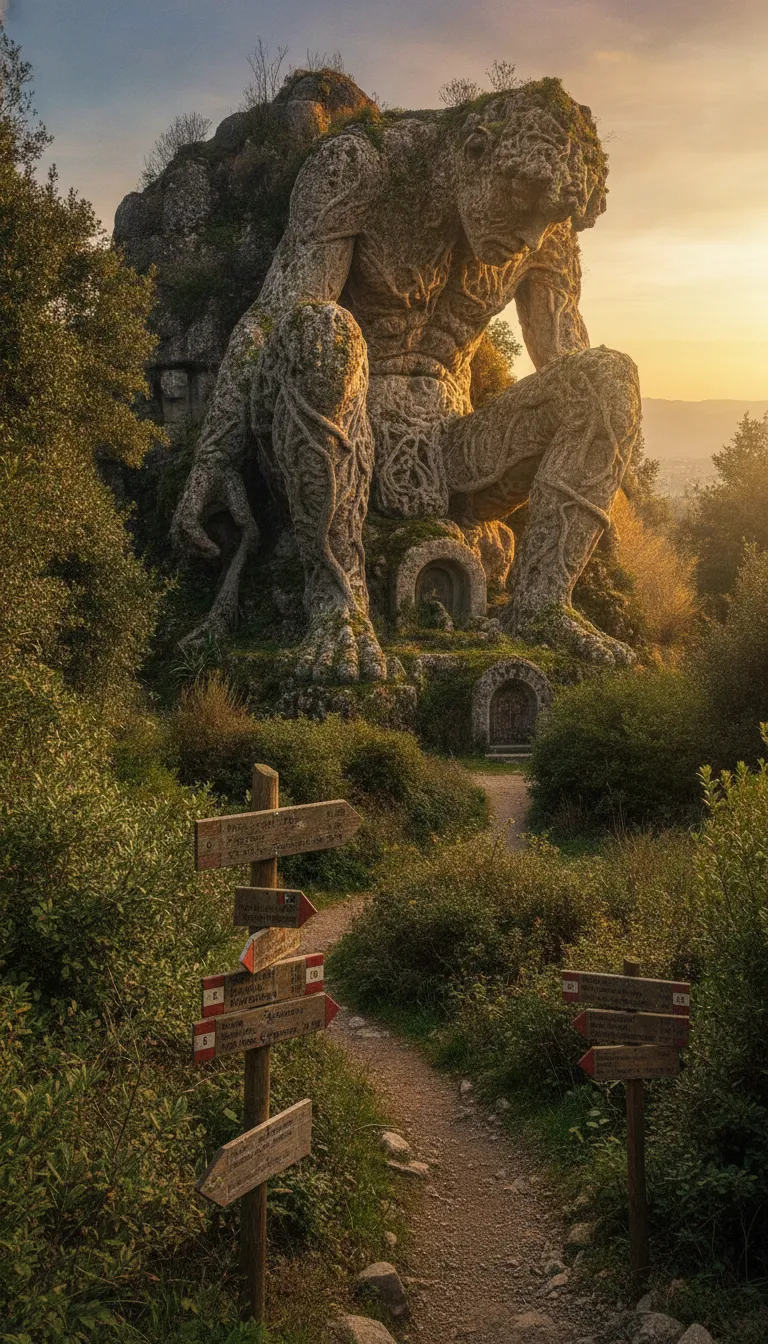
What makes Il Gigante dell'Appennino so utterly captivating isn't just its sheer size, though that alone is enough to drop your jaw. This isn't merely a giant statue; it's a living, breathing fusion of art, architecture, and nature, a concept so audacious it could only have sprung from the mind of a genius and the patronage of one of history’s most extravagant families. Crafted by the Flemish sculptor Giambologna around 1579-1580, this isn't a solid block of stone. Oh no, my friend, Giambologna built this titan to be explored, to interact with its surroundings in ways that were revolutionary for its time.
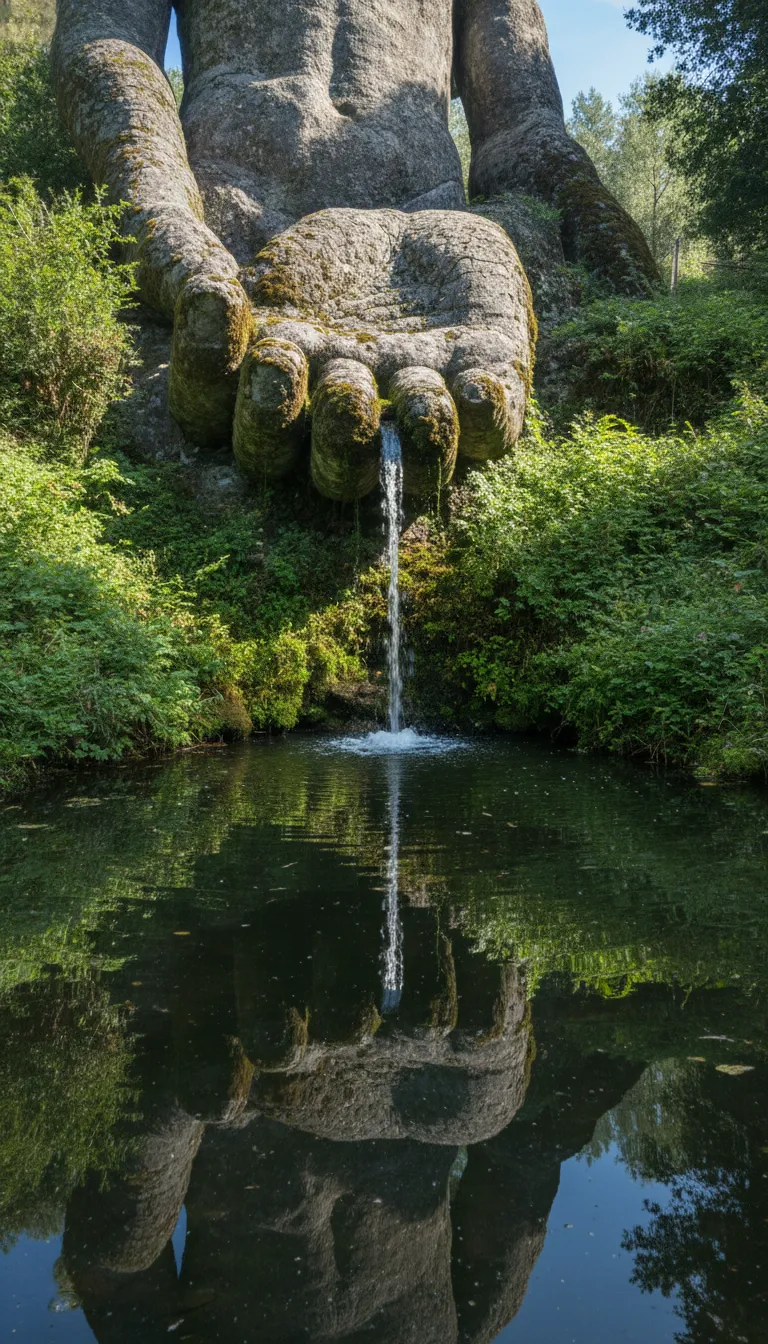
Inside its rugged, moss-covered exterior, the Colossus houses a series of intricate grottoes, secret chambers, and even a natural spring that once flowed from its hand, creating a dramatic cascade into a pool below. Imagine walking into a giant's belly and discovering a hidden world! One chamber within its head was even said to have a fireplace, where smoke would billow from the Giant's nostrils, giving the impression of a living, breathing beast. This incredible blend of engineering prowess and artistic vision makes it a quintessential example of Mannerist art, pushing the boundaries of what sculpture could be, transforming it into an immersive, multi-sensory experience.
It stands as a testament to an era when art was not confined to a canvas or a pedestal but was woven into the very fabric of the landscape, designed to surprise, delight, and inspire awe. It's a place that whispers tales of a bygone era, inviting you to step into a world where myth and reality blurred, where nature and human ingenuity danced in perfect harmony.
Whispers of the Past: The Medici and Giambologna's Vision
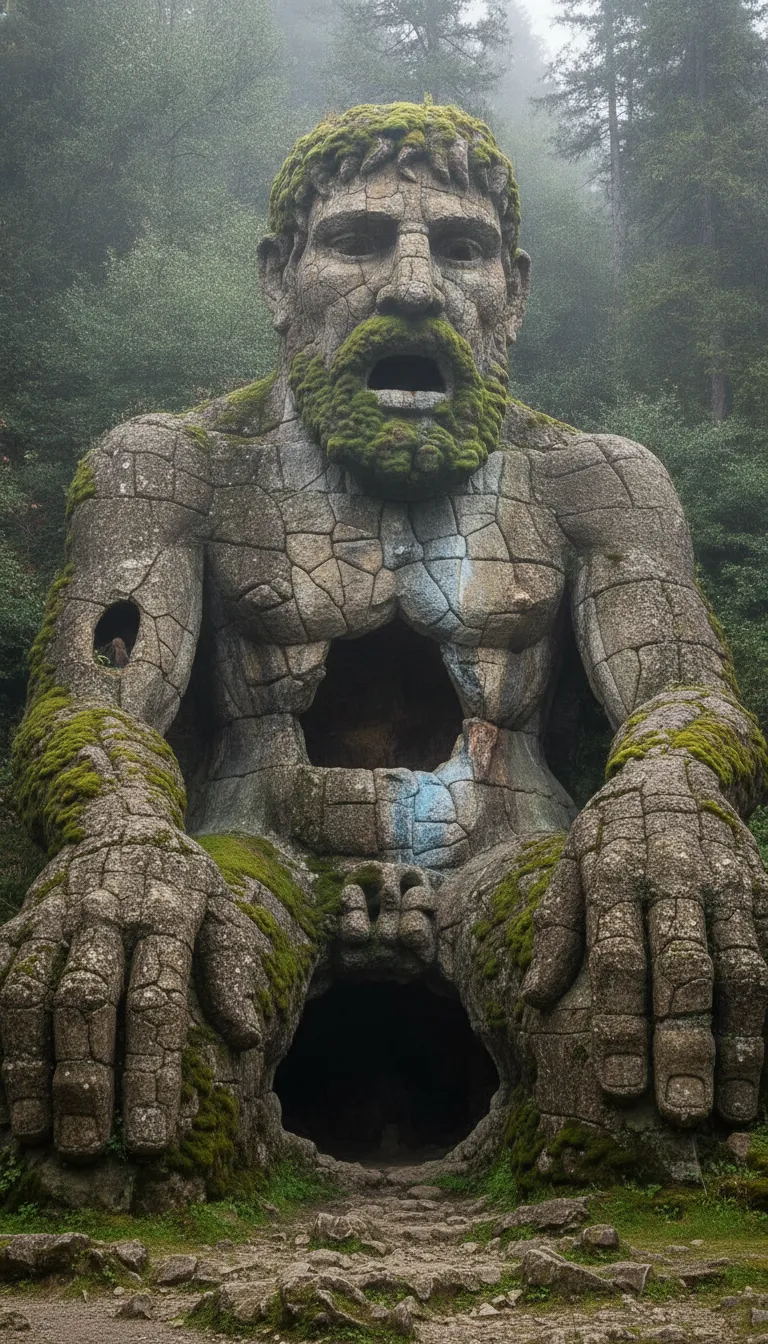
To truly appreciate the Colossus, we need to rewind to the glittering, ambitious world of 16th-century Tuscany, specifically to the court of Francesco I de' Medici, Grand Duke of Tuscany. The Medici family, renowned patrons of the arts, desired a villa and gardens that would outshine all others, a place of unparalleled wonder and spectacle. Their chosen location was Pratolino, a vast estate just north of Florence.
Enter Giambologna, arguably the most important sculptor working in Italy after Michelangelo. Known for his dynamic, multi-figure bronzes and his ability to imbue stone with life, Giambologna was tasked with creating a dramatic centerpiece for the elaborate gardens of the Villa di Pratolino. The result was Il Gigante dell'Appennino, a monumental personification of the Apennine Mountains themselves, rising from the earth as if born from the very landscape. It symbolized the power and dominion of the Medici over their Tuscan territories, transforming the natural world into a stage for their grandeur.
The Villa di Pratolino and its gardens were, in their heyday, an absolute marvel of hydraulic engineering, fantastical grottoes, animated statues, and elaborate water features. It was a playground of illusions and sophisticated amusements, a place where guests could be entertained, surprised, and utterly enchanted. While much of the original villa and many of its more ephemeral features have sadly been lost or dismantled over the centuries, the Colossus endured. It stood firm, a silent guardian, a solitary giant watching over the ebb and flow of history. Today, the park, now known as Parco Mediceo di Pratolino, is a UNESCO World Heritage site, recognized for its outstanding universal value and the incredible remnants of its Medici past, with the Colossus as its undeniable star.
Beyond the Giant: Exploring Pratolino Park
Your visit to Il Gigante dell'Appennino isn't just about seeing the sculpture; it's about experiencing the tranquil beauty of Parco Mediceo di Pratolino itself. As you wander through the expansive grounds, you'll feel a sense of peace and wonder. The park is a lush green oasis, a perfect escape from the bustling cities, offering shaded pathways, ancient trees, and serene ponds.
The approach to the Colossus is part of the magic. You'll likely catch glimpses of it through the foliage before its full majesty is revealed. Take your time to walk around the Giant, observing it from different angles. Notice how the light plays on its moss-draped shoulders, how its rough stone skin seems to merge seamlessly with the natural rock formations around it. Imagine the water once flowing from its hand, a literal life-giving force emanating from this stony sentinel.
While the interior grottoes of the Giant are not always accessible to the public for preservation reasons, the sheer presence of this architectural wonder is enough. But don't stop there! Explore the rest of Pratolino Park. You'll find other fascinating remnants of the Medici era, such as the Fountain of Jupiter, the Chapel of Buontalenti, and various smaller grottoes and sculptures scattered throughout the landscape. The park is a fantastic place for a leisurely stroll, a picnic, or simply to sit and absorb the history and natural beauty. It's a place where you can truly disconnect and let your imagination run wild, picturing the grand parties and ingenious spectacles that once took place here.
Your Journey to Meet the Colossus: Practical Visit Tips
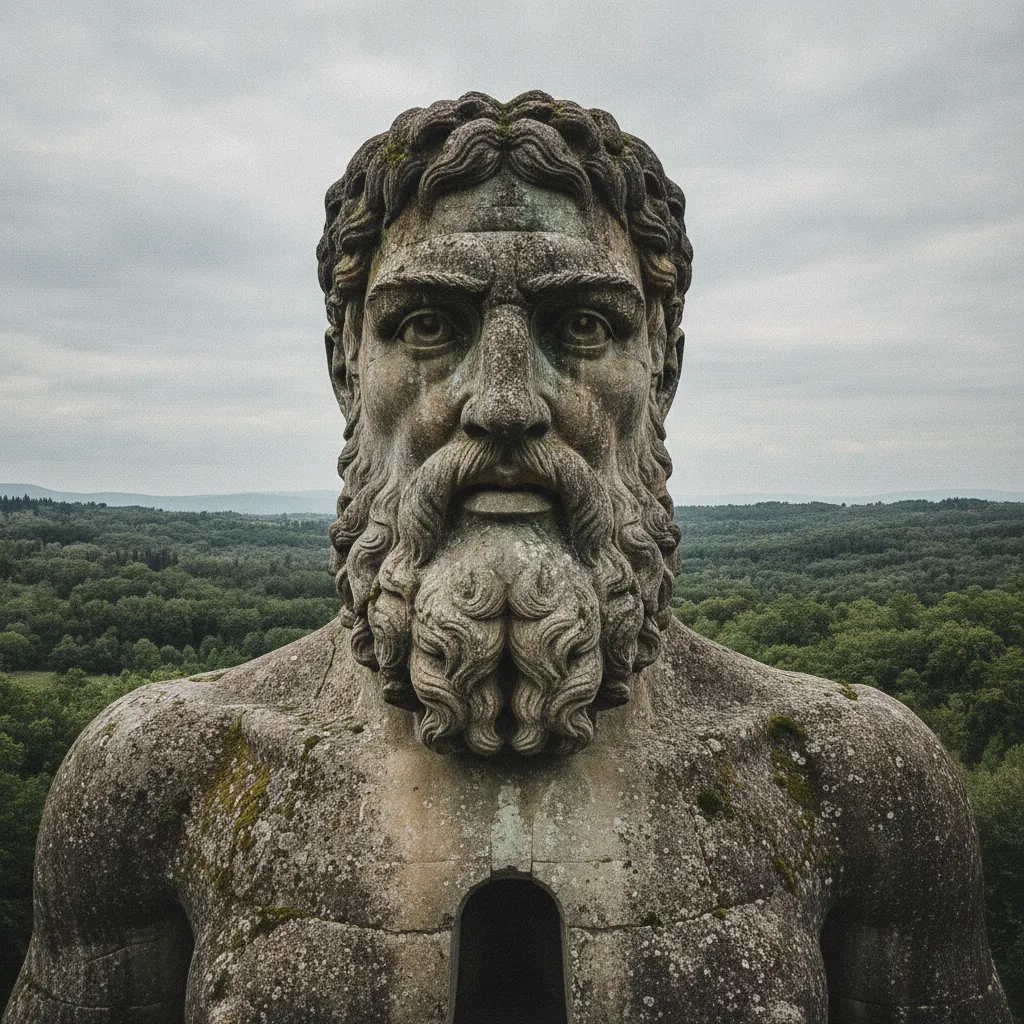
Ready to embark on your own adventure to meet the Apennine Colossus? Here’s what you need to know to make your visit unforgettable:
- Location: Parco Mediceo di Pratolino is located in Vaglia, a municipality in the Metropolitan City of Florence, Tuscany. It’s a relatively short and scenic drive from Florence itself.
- Getting There: The easiest way to reach the park is by car, which gives you the flexibility to explore at your own pace. The drive from central Florence takes about 30-40 minutes. Alternatively, you can take a local bus (line 25A or 25B) from Florence's Santa Maria Novella station towards Vaglia, disembarking at the Pratolino stop. Check current bus schedules, as they can be less frequent on weekends.
- Best Time to Visit: Spring (April-May) and Autumn (September-October) offer the most pleasant weather for exploring the park, with lush greenery in spring and beautiful foliage in autumn. Summer can be hot, but the park's shaded areas provide relief.
- Opening Hours & Entrance: The park is generally open from spring to late autumn, usually closed in winter. Entrance to Parco Mediceo di Pratolino is typically free, making it an excellent budget-friendly excursion. However, always check the official website of the Uffizi Galleries (which manage the park) for the most up-to-date information on opening hours, specific dates, and any potential closures or special events.
- What to Bring: Wear comfortable walking shoes, as you’ll be doing a fair bit of exploring. Bring water, especially on warmer days, and perhaps a picnic to enjoy amidst the beautiful surroundings. Don't forget your camera – this is a place you'll want to remember!
- Respect the Site: As a UNESCO World Heritage site and a delicate historical monument, please be mindful of your surroundings. Stick to marked paths, do not climb on the sculpture, and dispose of any litter properly to help preserve this incredible place for future generations.
So, if you're looking for an off-the-beaten-path experience in Tuscany, a chance to connect with history, art, and nature in a truly unique way, put Il Gigante dell'Appennino at the top of your list. It's more than just a destination; it's an encounter with a slumbering giant, a silent witness to centuries of history, waiting to share its secrets with those adventurous enough to seek it out.
Essential Travel Information
- Location Il Gigante dell'Appennino (The Apennine Colossus), Italy
- Best Time Spring (April-May) and Autumn (September-October)
- Getting There By car from Florence (approx. 30-40 min) or by local bus (line 25A/25B) from Florence Santa Maria Novella station to Pratolino.
- Airport Florence Airport (FLR)
- Budget Mid-range (approx. €100-€200 per day, excluding accommodation, for food and local transport)
- Language Italian
Find Places to Stay Near Il Gigante dell'Appennino (The Apennine Colossus)
Compare hotels, hostels, and unique stays in Italy.
Search AccommodationTours & Experiences Near Il Gigante dell'Appennino (The Apennine Colossus)
Book guided tours, day trips, and unique experiences.
Browse Tours