What Makes the Car Forest So Special?
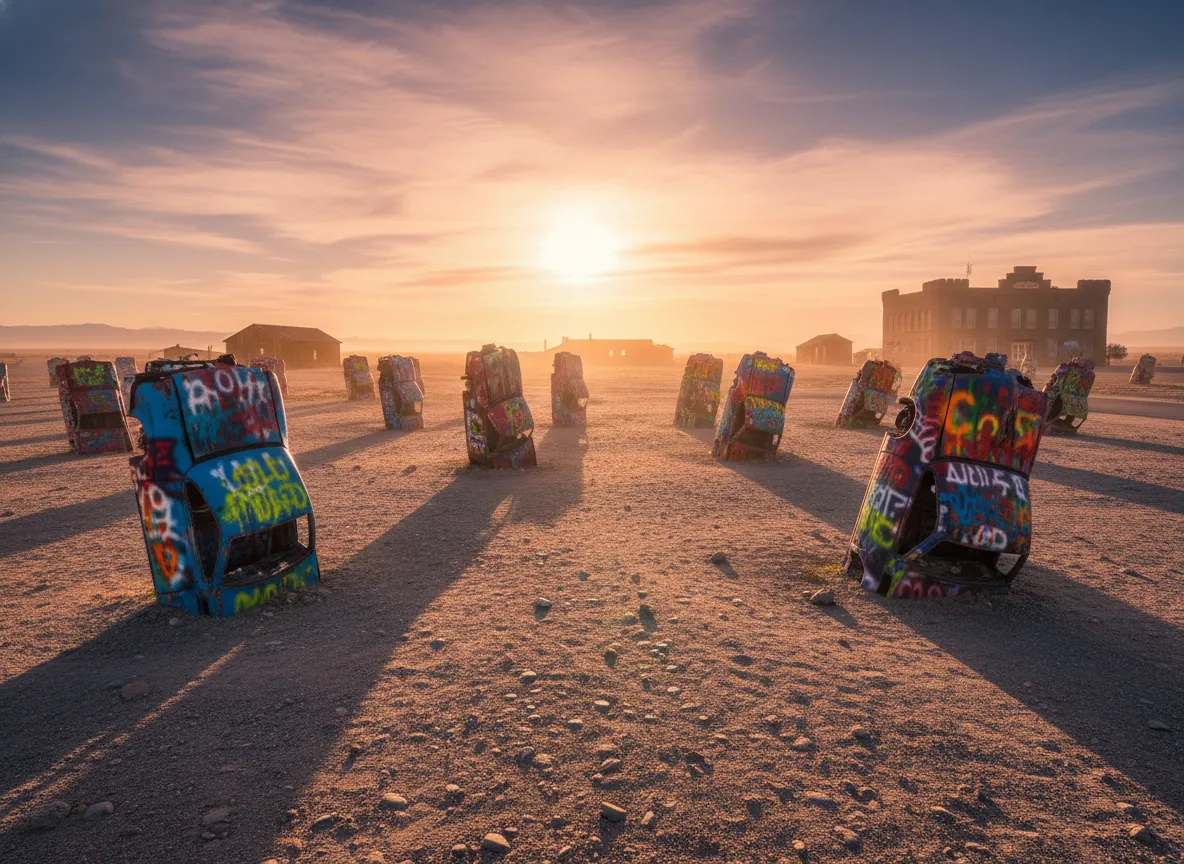
Forget your pristine art galleries and manicured sculpture parks. The International Car Forest of Last Chance offers an art experience that is raw, untamed, and utterly unforgettable. What makes it truly special isn't just the sheer scale – over 40 vehicles, from sedans to vans, trucks to school buses, all planted vertically in the ground – but the profound sense of wonder and bewilderment it evokes. It’s a testament to human creativity pushing against the boundaries of conventional perception, transforming discarded vehicles into a haunting, almost sacred grove. Each car, battered by time and the elements, becomes a canvas, a monument, a silent sentinel in the vast emptiness. The desert itself plays an integral role, its stark beauty amplifying the surreal nature of the installation. The way the light changes throughout the day, casting long, dramatic shadows or illuminating the vibrant spray paint, transforms the scene constantly. It’s an ever-evolving, living (or perhaps, un-living) gallery where nature and human intervention dance a strange, compelling duet.
Unlike traditional art, the Car Forest invites interaction and interpretation. There are no plaques explaining the artist's intent for each piece; instead, you're encouraged to wander, touch, photograph, and let your imagination run wild. Is it a commentary on consumerism? A celebration of repurposing? A whimsical absurdity? Or perhaps a stark warning about our impact on the planet? The beauty lies in its ambiguity, leaving you to ponder its meaning long after you’ve left the dusty roads of Goldfield behind. It's a place that challenges your understanding of art, landscape, and even reality itself, making it a truly unique and profoundly thought-provoking destination.
The Genesis of a Desert Dream: History and Background
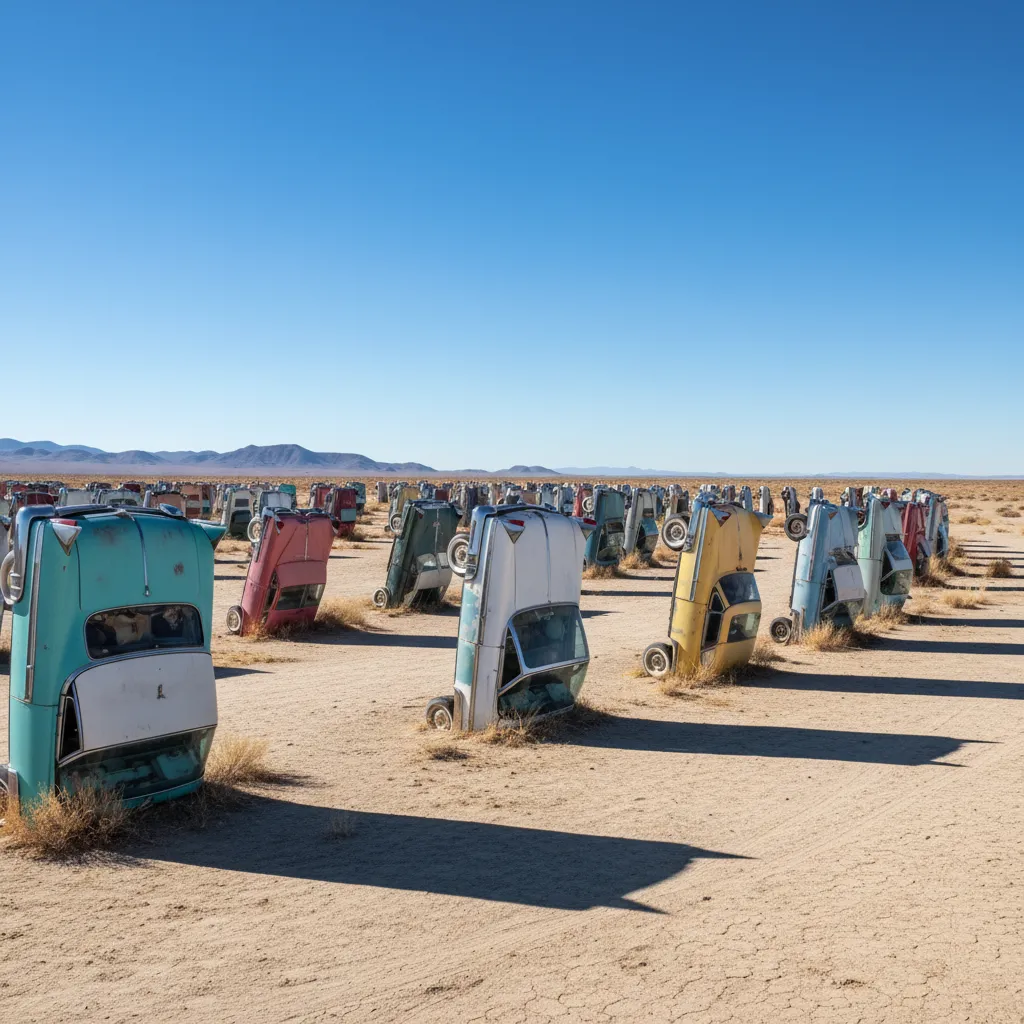
The story of the International Car Forest of Last Chance is as fascinating as the installation itself, born from the minds of two artists with a shared vision: Chad Sorg and Mark Rippie. It all began in 2002 when Rippie, a local resident of Goldfield, Nevada, started burying cars on his property. Sorg, a Reno-based artist, stumbled upon Rippie’s nascent project in 2010 and was immediately captivated. Recognizing the potential for something truly monumental, Sorg joined forces with Rippie, lending his artistic vision and energy to expand what would become the Car Forest. They weren't just burying cars; they were creating a statement, a new kind of landmark in a town already steeped in history and forgotten dreams.
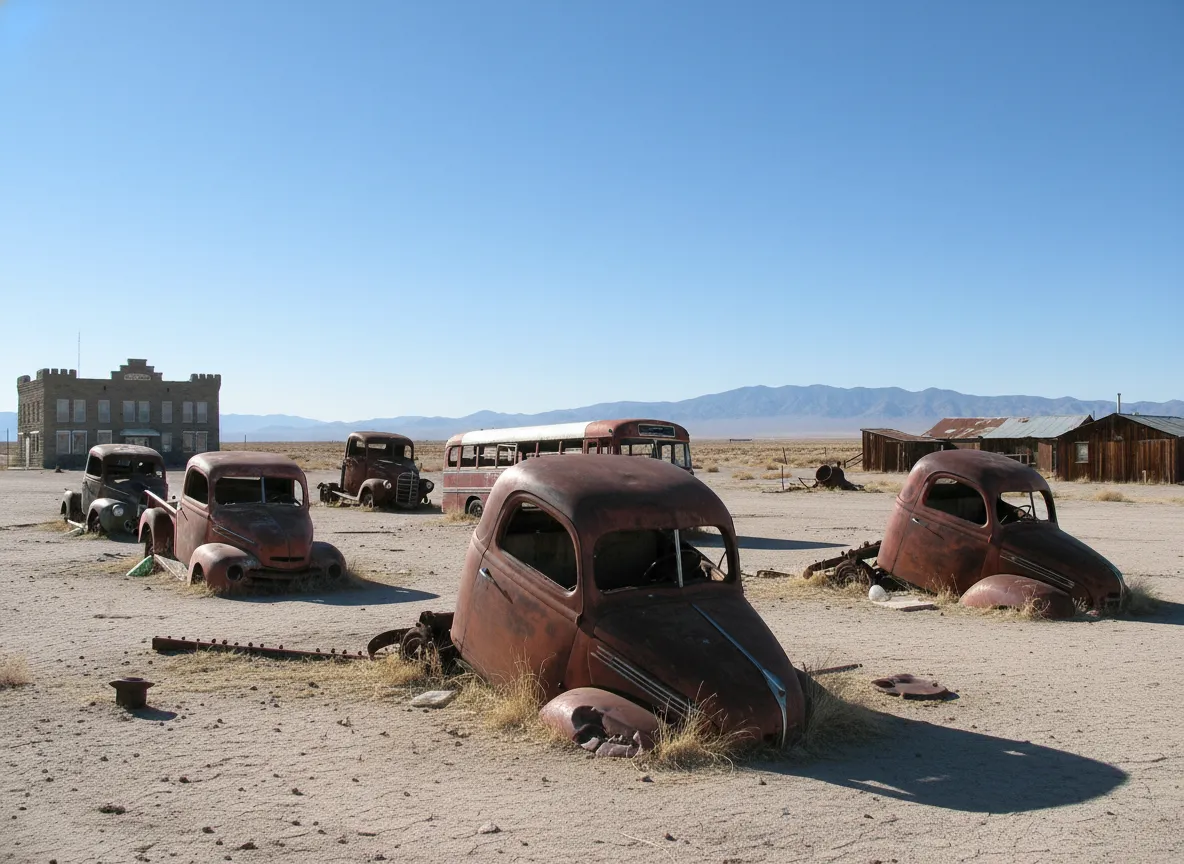
Goldfield itself, once a booming mining town at the turn of the 20th century, is now a shadow of its former self, a place where ghost stories and crumbling buildings are as common as tumbleweeds. The name "Last Chance" in the Car Forest's title is a poignant nod to Goldfield's own history of boom and bust, of fleeting opportunities and the enduring spirit of those who sought their fortune in the harsh desert. The artists acquired vehicles from various sources, sometimes even receiving donations from locals intrigued by their bizarre endeavor. With the help of heavy machinery, they meticulously placed each car, often burying them several feet deep, creating the illusion of a metallic forest growing from the arid earth. The project evolved organically, with new additions and layers of graffiti transforming the landscape over the years, making it a dynamic piece of art that continues to grow and change with every passing season and every new visitor. It’s a testament to the power of unconventional ideas and the enduring allure of creating something truly extraordinary out of the ordinary.
Wandering Through the Automotive Arboretum: What You'll See
Stepping into the International Car Forest is like entering another dimension. The first thing that strikes you is the sheer number of vehicles, each standing proudly (or perhaps defiantly) against the stark desert landscape. You'll see classic American muscle cars, sturdy pick-up trucks, humble sedans, and even larger vehicles like vans and school buses, all planted at various angles, creating a disorienting yet mesmerizing tableau. Some cars are buried nose-down, others on their side, a few stacked atop one another like a bizarre game of automotive Jenga. The artists didn't just plant them; they curated their placement to create a sense of movement and depth, inviting you to explore every nook and cranny.
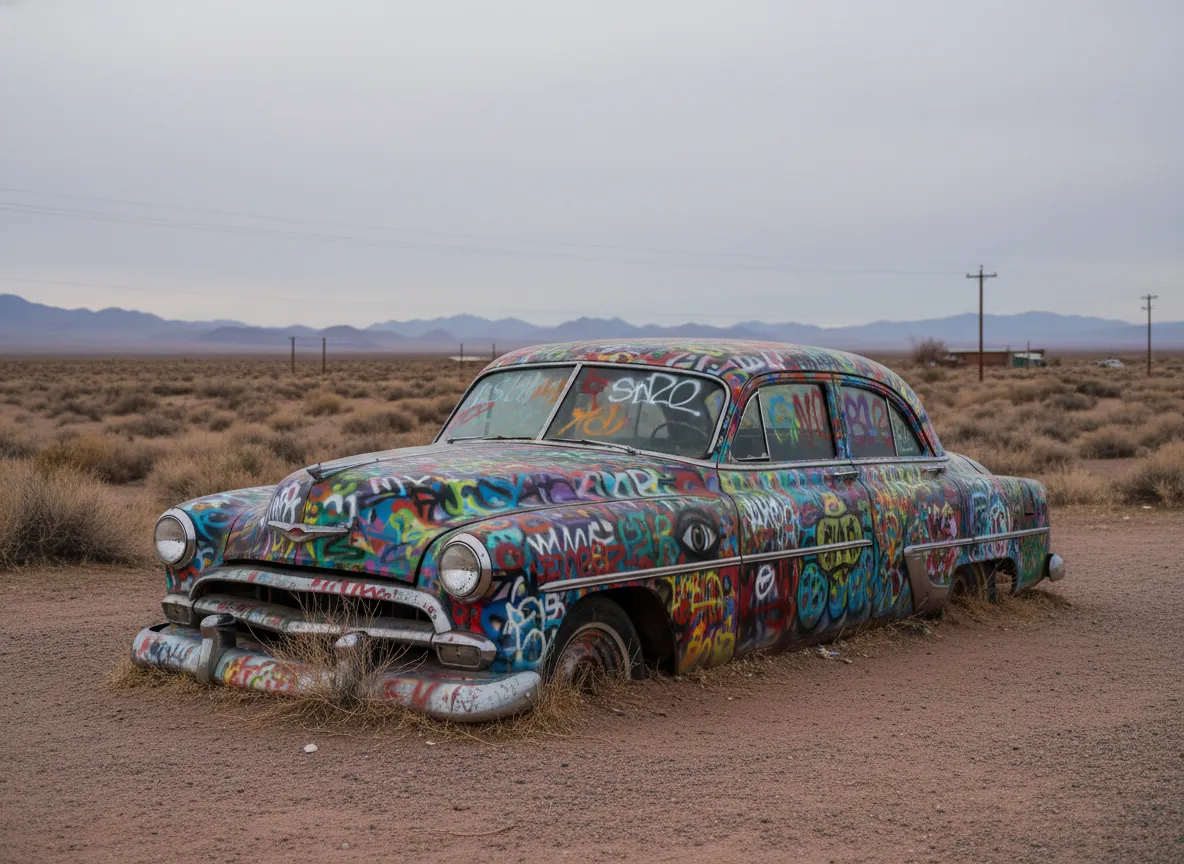
But it's not just the positioning that captivates; it's the ever-changing artistic layers. Over the years, countless visitors have added their own mark to the vehicles, transforming them into vibrant canvases of spray paint and graffiti. You'll find intricate designs, simple tags, profound messages, and whimsical doodles, all contributing to the evolving narrative of the Car Forest. Each car tells a silent story, not just of its past life on the road but of the countless hands that have touched it since its burial. Spend time walking among the rows, observing the textures of rust against fresh paint, the sun glinting off shattered windshields, and the way the desert winds whisper through open windows. You might even discover hidden details or new perspectives with every step. The best times to visit are undoubtedly sunrise or sunset, when the low-angle light casts dramatic shadows and bathes the entire scene in an otherworldly glow, making the experience even more surreal and photogenic.
Practical Tips for Your Desert Expedition
Ready to embark on this unique adventure? Here are some practical tips to ensure your visit to the International Car Forest of Last Chance is as enjoyable and safe as possible:
- Location, Location, Location: The Car Forest is located just outside the tiny town of Goldfield, Nevada, right off US-95. Goldfield itself is about 150 miles southeast of Reno and 180 miles northwest of Las Vegas. It's remote, so plan your fuel stops accordingly.
- Best Time to Visit: The Nevada desert can be extreme. Spring (March-May) and Fall (September-November) offer the most pleasant temperatures, avoiding the scorching summer heat (often over 100°F/38°C) and the surprisingly cold winter nights. Early morning or late afternoon visits are ideal for photography and to experience the dramatic desert light.
- What to Bring: This is a desert excursion, so come prepared!
- Water: Bring plenty, more than you think you'll need. Dehydration is a serious risk.
- Sun Protection: Hat, sunglasses, and high-SPF sunscreen are essential.
- Sturdy Shoes: You'll be walking on uneven, dusty, and potentially rocky terrain.
- Camera: This place is incredibly photogenic! A wide-angle lens can capture the scale, while a telephoto can pick out intricate details.
- Snacks: There are very limited amenities in Goldfield.
- First Aid Kit: For minor scrapes or emergencies.
- Respect the Art & Environment: While graffiti is part of the Car Forest's evolution, please be mindful. Don't climb on unstable structures, especially if they look precarious. Leave no trace behind – pack out everything you pack in. This includes any spray paint cans if you decide to add your mark (though consider the original intent and impact).
- Accessibility: The Car Forest is located on a dirt road, but it's generally well-maintained and accessible by most standard vehicles, including sedans. Just drive slowly and watch for potholes.
- Nearby Explorations: Don't leave Goldfield without exploring the ghost town itself! Its historic buildings, old courthouse, and general eerie atmosphere are well worth a stroll. You can also find other quirky roadside attractions along US-95, making for a fantastic Nevada road trip.
- Safety First: Cell service can be spotty or non-existent in this remote area. Inform someone of your travel plans. Be aware of desert wildlife, including snakes and scorpions, especially during warmer months.
The International Car Forest of Last Chance is more than just a collection of buried cars; it's an experience, a journey into the heart of artistic rebellion and desert mystique. It challenges, inspires, and leaves an indelible mark on your memory. So, if you're ready for an adventure that promises to be anything but ordinary, pack your bags, fill your tank, and prepare to be utterly captivated by this incredible, surreal wonder in the Nevada desert.
Essential Travel Information
- Location International Car Forest of Last Chance, United States
- Best Time Spring (March-May) and Fall (September-November) to avoid extreme temperatures.
- Getting There Located just off US-95, a few miles north of Goldfield, Nevada. Accessible via dirt roads.
- Airport McCarran International Airport (LAS) - Las Vegas, NV
- Budget Budget (The attraction itself is free; costs primarily cover travel, accommodation, and food). Approximate daily cost: $50-$100 (if staying in basic nearby accommodation).
- Language English
Find Places to Stay Near International Car Forest of Last Chance
Compare hotels, hostels, and unique stays in United States.
Search AccommodationTours & Experiences Near International Car Forest of Last Chance
Book guided tours, day trips, and unique experiences.
Browse Tours