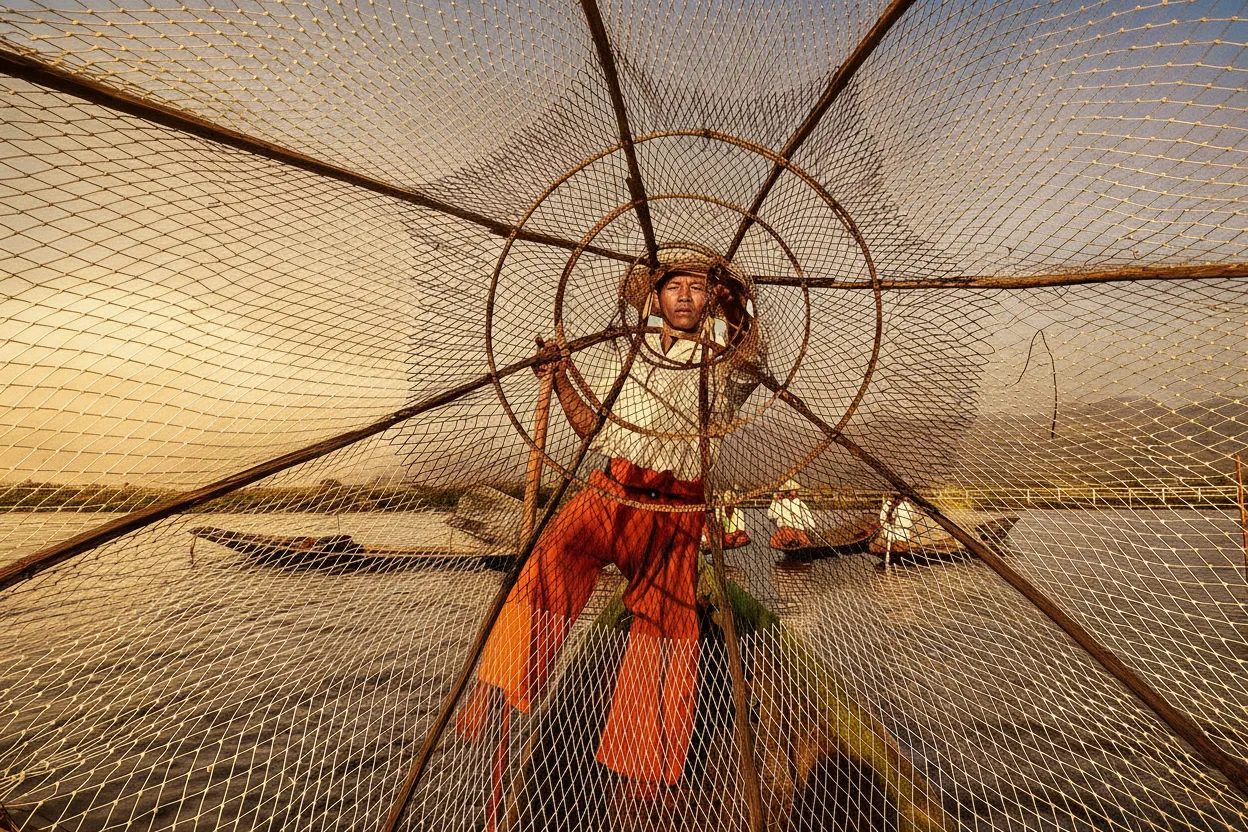
Imagine navigating a tranquil lake by standing on one leg and rowing with the other, all while expertly casting a conical net – a sight straight out of an impossible dream. This isn't a fable or a trick of the light; it's the breathtaking reality on Myanmar's serene Inle Lake, home to the remarkable Intha people. For centuries, these incredible fishermen have perfected a gravity-defying technique that allows them to glide across the water, a testament to human ingenuity and a profound connection to their environment. If you're yearning for an adventure that transcends the ordinary, a journey to Inle Lake promises an intimate glimpse into a way of life that will leave you utterly spellbound.
What Makes Inle's Leg-Rowing Fishermen So Special?
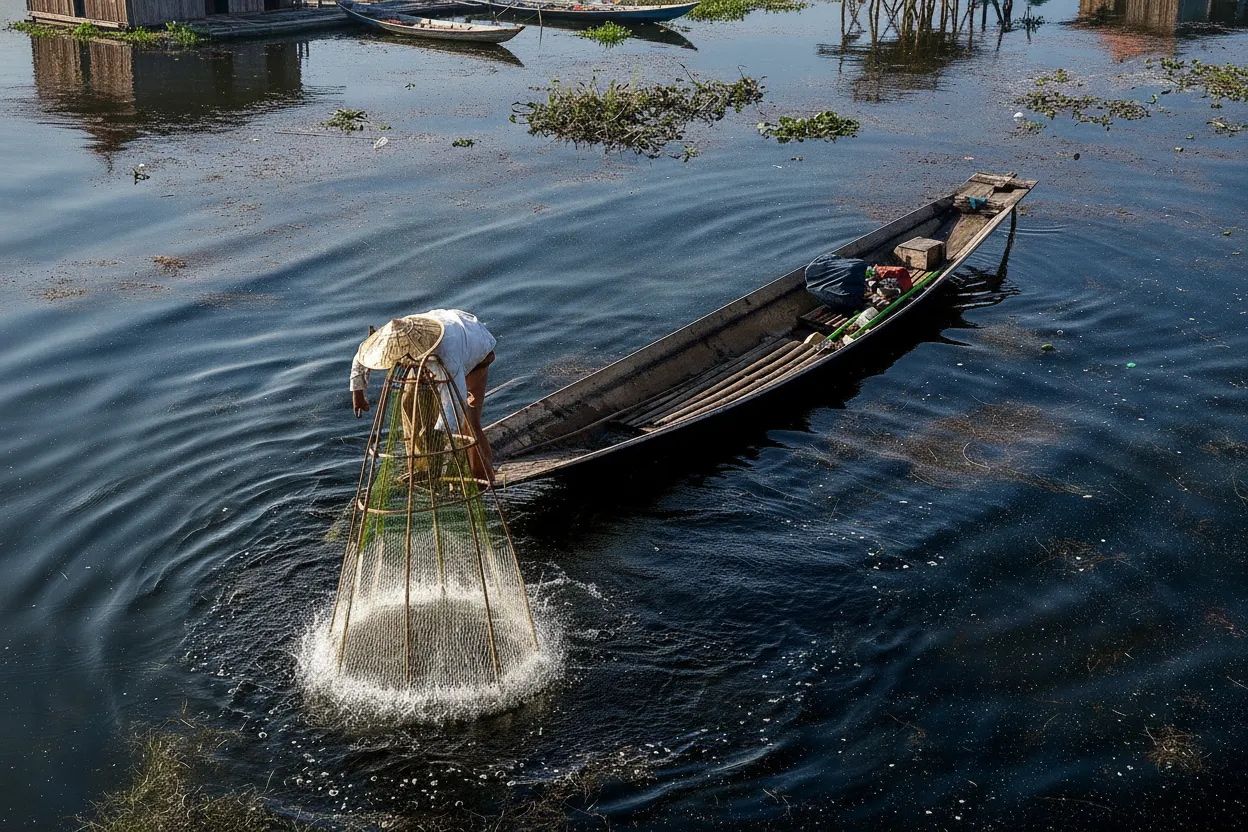
The moment you witness an Intha fisherman in action, you'll understand why this destination is so profoundly special. Picture this: a lone figure, poised at the stern of a slender wooden boat, one leg wrapped around a long oar, propelling the vessel with rhythmic, powerful strokes. Both hands remain free, ready to expertly maneuver a large, conical fishing net, often woven from bamboo. This isn't just a quirky method; it's a brilliant adaptation to the unique conditions of Inle Lake.
Inle Lake is not a vast, open expanse of water. Much of it is covered by dense floating vegetation – intricate mats of hyacinth and other plants that make traditional rowing or paddling difficult. By standing, the Intha fishermen gain a crucial advantage: an elevated vantage point. This allows them to see above the vegetation, spot fish hiding beneath, and navigate the intricate watery pathways with unparalleled precision. The leg-rowing technique provides power and stealth, enabling them to approach their prey silently and cast their nets with incredible accuracy. It's an art form, a dance between man, boat, and water, honed over generations and passed down through families. Every movement is fluid, efficient, and deeply rooted in a profound understanding of the lake's ecosystem.
A Glimpse into Intha History and Culture
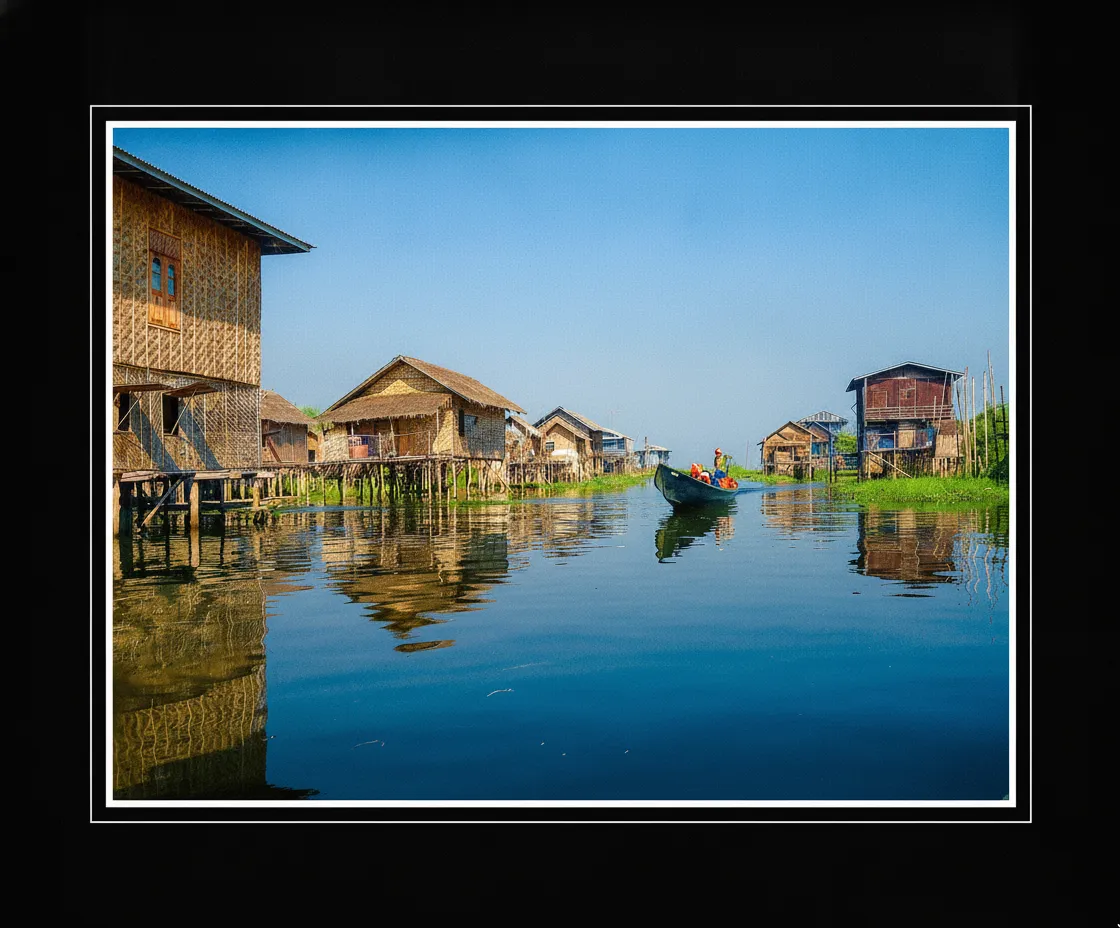
The Intha people, whose name literally means "sons of the lake," have called Inle Lake home for centuries. Their origins are believed to trace back to the Dawei region in southern Myanmar, migrating to the Shan State highlands and adapting their lives entirely to the water. This isn't just where they fish; it's where they live. Their villages are built on stilts, their gardens float on the water's surface, and their entire economy revolves around the lake.
This leg-rowing tradition isn't just an ancient relic; it's a living, breathing part of their identity. It speaks volumes about their resilience, their innovation, and their deep respect for the natural world. While modern fishing techniques exist, many Intha still prefer their traditional method, not just for its effectiveness but for its cultural significance. It's a symbol of their heritage, a connection to their ancestors, and a daily affirmation of their unique way of life. Beyond fishing, the Intha are also renowned for their skilled craftsmanship, particularly their traditional weaving. You'll find incredible textiles, often made from lotus silk – a rare and delicate fiber extracted from lotus stems – showcasing another facet of their rich cultural tapestry.
What You'll Experience on Inle Lake
A visit to Inle Lake is an immersive journey into a world unlike any other. Your adventure will likely begin with a long-tail boat ride, gliding through shimmering waters, past floating villages and gardens. As you venture deeper, you'll encounter the iconic leg-rowing fishermen, a sight that never ceases to amaze. But Inle is much more than just its fishermen.
You'll discover the ingenious floating gardens, where the Intha cultivate tomatoes, beans, and other produce on fertile mats of vegetation anchored to the lake bed. These gardens are a testament to their sustainable living practices, providing food and income for the community. A visit to the Phaung Daw Oo Pagoda is a must, home to five small, ancient Buddha images so heavily adorned with gold leaf by devotees over the centuries that their original forms are almost unrecognizable. You might also explore the Nga Hpe Kyaung Monastery, famously known as the "Jumping Cat Monastery" (though the cats rarely jump for tourists anymore, the monastery itself is a beautiful wooden structure worth seeing).
Don't miss the chance to visit local workshops. See how traditional Shan paper is made, witness the intricate process of cigar rolling, or observe the meticulous art of silversmithing. The vibrant five-day rotating market, which moves between different villages around the lake, offers a fantastic opportunity to interact with local people, sample regional delicacies, and purchase unique handicrafts. As the sun sets, painting the sky in hues of orange and purple, the lake transforms into an ethereal landscape, offering moments of profound tranquility and beauty. It's a place where time seems to slow down, allowing you to truly connect with the rhythm of life on the water.
Practical Tips for Your Inle Lake Adventure
Ready to embark on this unforgettable journey? Here are some practical tips to help you plan your visit to Inle Lake:
- Getting There: The nearest airport is Heho (HEH), which has regular flights from Yangon and Mandalay. From Heho, it's about an hour's drive to Nyaungshwe, the main gateway town to Inle Lake. You can arrange a taxi or shared minivan.
- Best Time to Visit: The dry season, from October to March, offers the most pleasant weather with cooler temperatures and less rain. However, this is also peak tourist season. The shoulder months (April, May, September) can be good for fewer crowds, but it can be hotter or have more rain.
- Accommodation: Nyaungshwe offers a range of guesthouses and hotels. For a truly unique experience, consider staying at one of the resorts built on stilts directly over the lake, offering stunning views and direct access to the water.
- Exploring the Lake: The primary way to explore is by hiring a private long-tail boat for the day. Your guesthouse or hotel can arrange this, or you can find independent boatmen at the Nyaungshwe jetty. Negotiate the price beforehand.
- What to Bring: Sunscreen, a hat, sunglasses, insect repellent, and comfortable shoes are essential. Evenings can be cool, so a light jacket or shawl is advisable. A good camera is a must for capturing the incredible scenery!
- Respect Local Culture: Dress modestly, especially when visiting pagodas and monasteries. Always ask for permission before taking photos of people. Support local businesses by purchasing handicrafts directly from the artisans.
- Hydration: Drink plenty of bottled water.
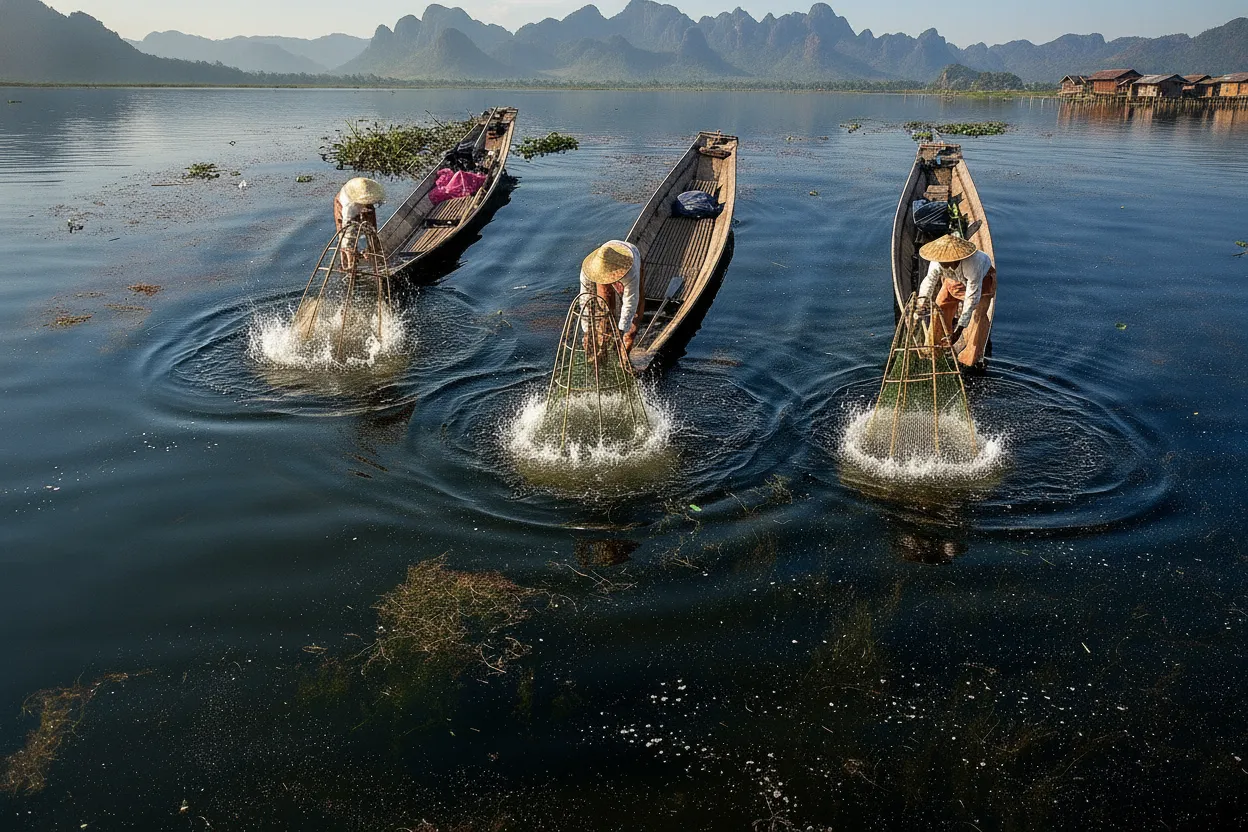
Inle Lake isn't just a destination; it's an experience that will challenge your perceptions and fill you with wonder. It's a place where ancient traditions thrive, where people live in harmony with nature, and where every turn of the oar tells a story. So, pack your bags, open your mind, and prepare to be enchanted by the timeless beauty and unique culture of the Intha leg-rowing fishermen of Myanmar.
Essential Travel Information
- Location Intha Leg-Rowing Fishermen of Inle Lake, Myanmar
- Best Time October to March (dry season)
- Getting There Fly to Heho Airport (HEH), then an hour's taxi/minivan ride to Nyaungshwe (gateway to Inle Lake).
- Airport Heho Airport (HEH)
- Budget Mid-range, approximate daily cost $50-100 (excluding flights)
- Language Burmese, Intha (local dialect), Shan
Find Places to Stay Near Intha Leg-Rowing Fishermen of Inle Lake
Compare hotels, hostels, and unique stays in Myanmar.
Search AccommodationTours & Experiences Near Intha Leg-Rowing Fishermen of Inle Lake
Book guided tours, day trips, and unique experiences.
Browse Tours