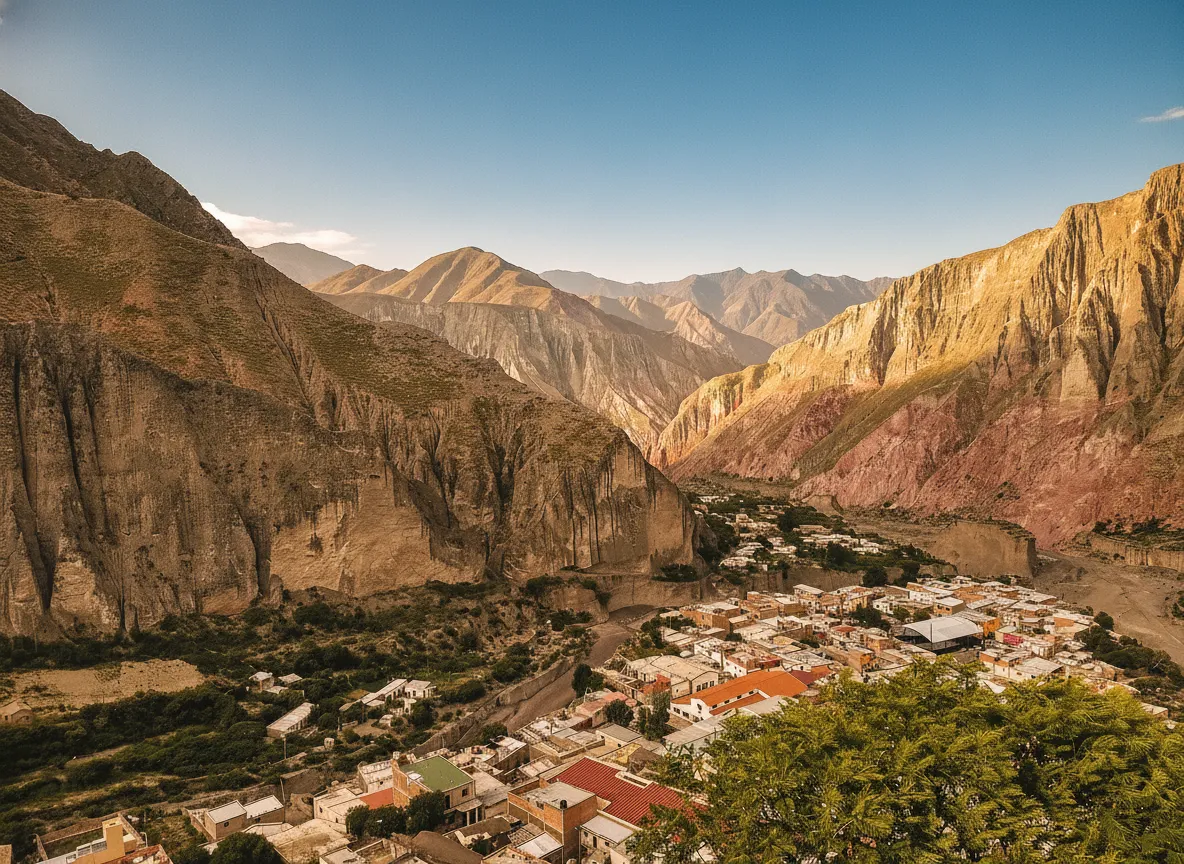
Imagine a village seemingly woven into the very fabric of the Andes, clinging precariously to a mountainside high above a river canyon, reachable only by a winding, unpaved road that defies gravity. This isn't a scene from a fantasy novel; it's Iruya, Argentina's most captivating secret. Tucked away in the remote corners of Salta Province, this indigenous village, often whispered about as 'the village suspended in the sky,' offers a breathtaking glimpse into a unique way of life. If you've ever dreamt of stepping into a dimension far removed from modern clamor, where time slows and the landscape tells ancient stories, then Iruya is calling your name. Prepare to have your sense of wonder reignited.
Iruya: Where the Sky Meets the Earth in a Symphony of Color
What makes Iruya so utterly special isn't just its dramatic location, though that alone is enough to drop jaws. It's the profound sense of harmony between human existence and the raw power of nature. Here, houses of adobe and stone don't just stand on the land; they *emerge* from it, their earthy tones blending seamlessly with the dramatic, multi-hued mountain slopes that cradle the village. These mountains are a spectacle in themselves – a geological masterpiece painted in shades of terracotta, ochre, purple, and green, shifting with every passing cloud and angle of the sun. It’s an extraordinary sense of isolation and beauty that feels like stepping into another world, a world where the rhythm of life is dictated by the sun, the seasons, and the ancient traditions of its people.
Iruya is more than just a picturesque spot; it's a living, breathing community. The air is crisp, carrying the scent of dust and distant woodsmoke, and the silence is punctuated only by the bray of a donkey or the gentle murmur of the river far below. This isn't a place designed for tourists, but rather a resilient community that graciously shares its incredible home with those willing to make the journey. It's an opportunity to witness a way of life that has largely remained unchanged for centuries, a testament to endurance and connection to the land.
A Glimpse into Iruya's Rich Tapestry: History and Culture
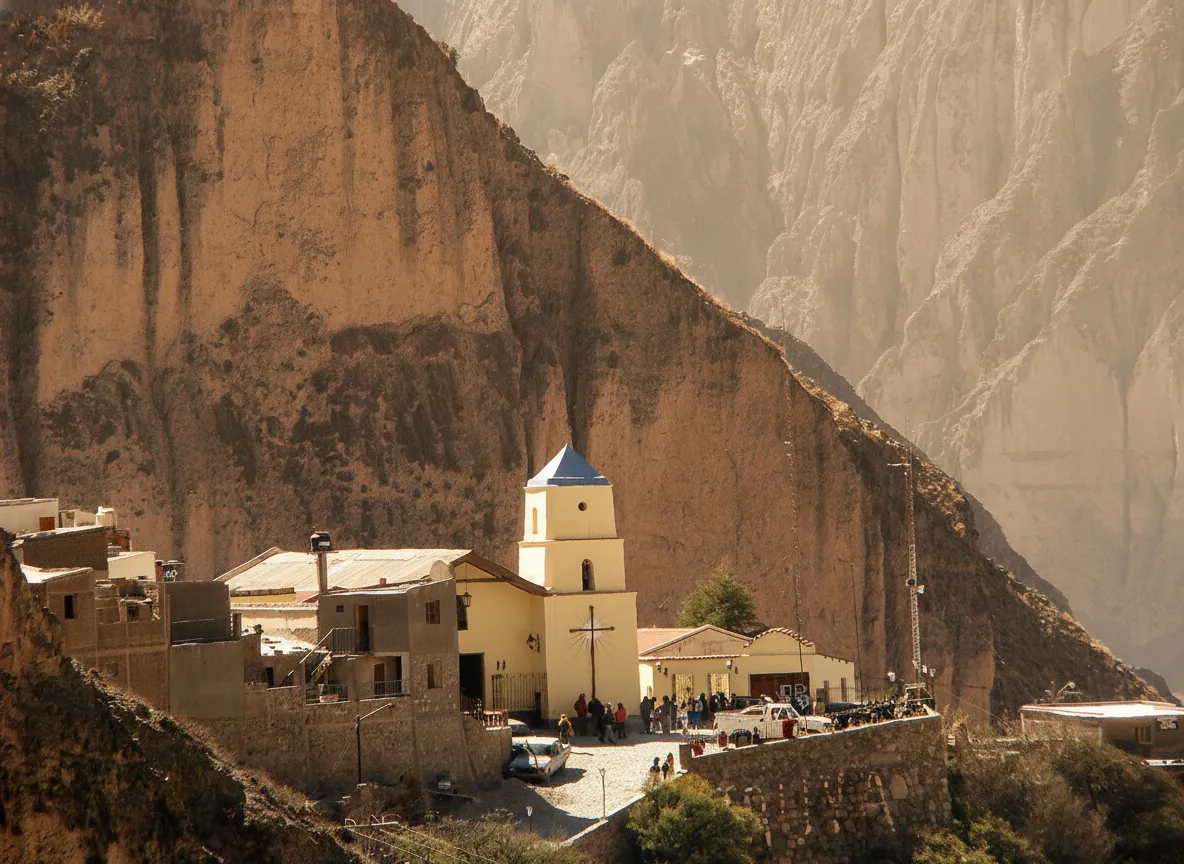
The story of Iruya is deeply rooted in its indigenous heritage, primarily that of the Colla people, descendants of pre-Hispanic Andean civilizations. For centuries, these communities have thrived in the high altitudes of the Andes, developing an intimate knowledge of their environment and a rich cultural identity. While the Spanish conquistadors eventually reached these remote valleys, Iruya's extreme isolation acted as a natural shield, allowing many of its traditions and customs to persist relatively untouched.
Walking through Iruya is like wandering through history. The narrow, winding cobblestone streets, the simple yet sturdy architecture, and the faces of its inhabitants all tell tales of resilience and continuity. The Colla people maintain a strong connection to Pachamama (Mother Earth) and their ancestral beliefs, often blending them with elements of Catholicism introduced during the colonial era. You might see women in traditional brightly colored shawls and hats, men herding llamas or goats, and children playing in the plaza, all contributing to the authentic, vibrant atmosphere.
This isn't a staged cultural experience; it's everyday life. Local crafts, often made from natural materials found in the surrounding landscape, are a testament to their ingenuity and artistic expression. While grand historical monuments are not Iruya’s draw, the history is palpable in the very fabric of the village, in the enduring spirit of its people, and in the way they continue to live in harmony with their breathtaking, challenging environment.
Exploring Iruya: What to See and Do
Once you've made the journey to Iruya, the village itself is your primary destination and an absolute delight to explore. The central plaza, presided over by a charming church, is the heart of the community. Here, locals gather, children play, and the slow pace of life is most evident. Take your time to wander the maze-like streets, admiring the adobe houses, some adorned with colorful doors or potted plants, and simply absorb the tranquility.
But the true magic of Iruya extends beyond its core. The surrounding landscape begs to be explored. For those with an adventurous spirit and sturdy shoes, several hiking trails lead to nearby hamlets like San Isidro and Las Higueras. These treks, often following ancient paths along the river or up mountain slopes, offer even more profound solitude and truly unforgettable views. The hike to San Isidro, for instance, can take a few hours each way, but the reward is seeing another tiny, equally remote village, often accessible only on foot or by mule, and experiencing the incredible vastness of the Andes from a new perspective. Remember, these are not maintained tourist trails, so good preparation and awareness of conditions are essential.
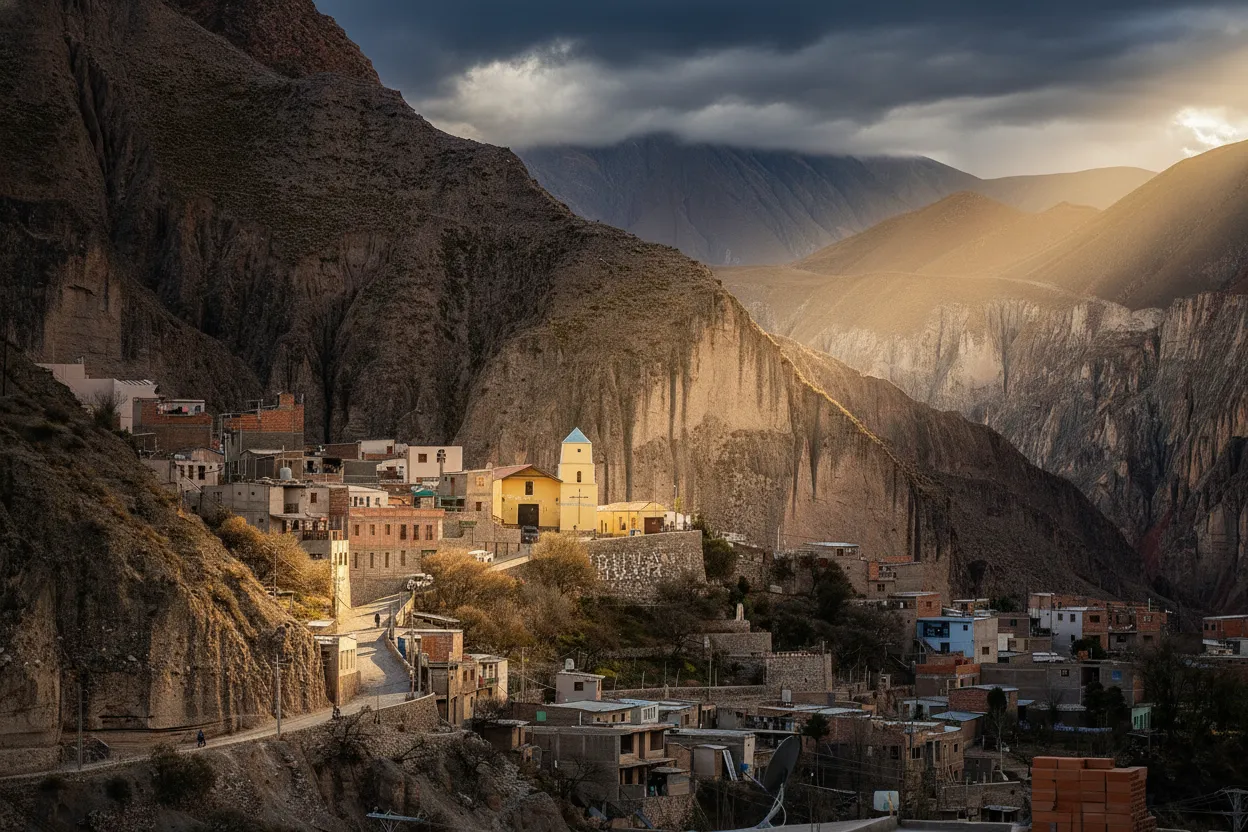
Photography enthusiasts will find Iruya a paradise. Every turn offers a new, postcard-perfect vista, from the intricate patterns of the mountains to the candid moments of village life. Don't forget to look up at night; away from light pollution, the Andean sky explodes with stars, offering a celestial show that will leave you breathless.
Beyond the sights, engage with the local culture. Try the simple, hearty local food – perhaps a traditional empanada or a stew. If you have the opportunity, strike up a conversation (a little Spanish goes a long way) with a local; their stories and insights can enrich your visit immeasurably. Just remember to always be respectful and ask for permission before taking photographs of people.
Practicalities for Your Iruya Adventure: Tips for Visiting
Reaching Iruya is part of the adventure, and it’s not for the faint of heart – but that's precisely what preserves its unique charm. The village is famously accessible only via a winding, unpaved mountain road that crosses the Abra del Condor pass at over 4,000 meters (13,000 feet) before descending dramatically into the canyon. This road is often precarious, especially after rain, and is best navigated by a 4x4 vehicle or, more commonly, by the local buses that depart from Humahuaca or Tilcara in the Quebrada de Humahuaca. These bus journeys are an experience in themselves, offering jaw-dropping views and a true sense of journeying to the edge of the world. Allow ample time for travel, as delays are common.
Accommodation: Don't expect luxury resorts. Iruya offers basic, rustic guesthouses (hosterías or alojamientos) and family-run hostels. These provide comfortable, clean beds and a warm welcome, often with simple home-cooked meals. Booking ahead is advisable, especially during peak Argentine holiday periods, although spontaneous arrivals can often find a room.
Food: Cuisine is simple, hearty, and reflects the Andean diet. Expect dishes featuring potatoes, corn, llama meat, and local vegetables. Don't miss trying regional specialties like *locro* (a thick stew) or *humitas* (steamed corn cakes). Pack some snacks and water for your hikes, as options outside the main village are non-existent.
Altitude: Iruya sits at approximately 2,780 meters (9,120 feet) above sea level. If you're coming from lower altitudes, it’s crucial to acclimatize properly. Spend a day or two in the Quebrada de Humahuaca (e.g., Tilcara or Humahuaca, which are around 2,500m) before ascending to Iruya. Drink plenty of water, avoid alcohol and strenuous activity on your first day, and listen to your body.
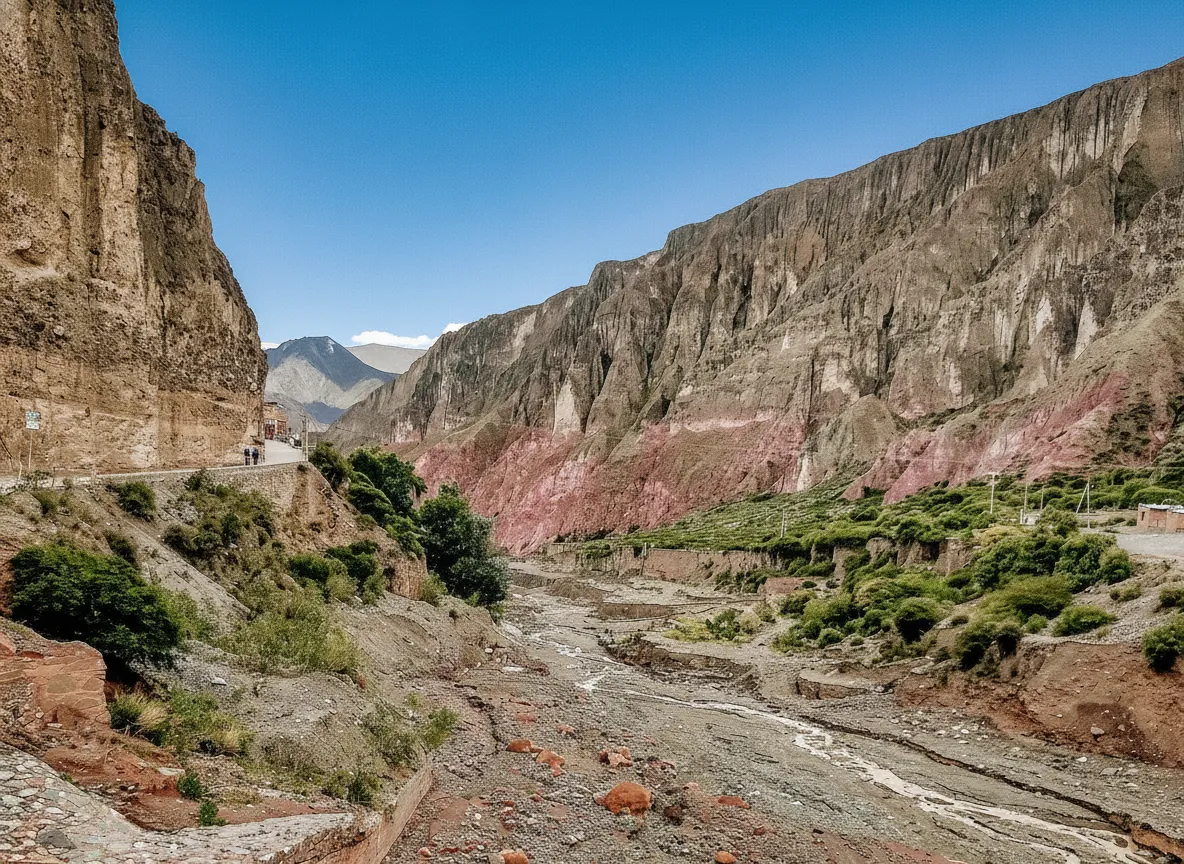
Best Time to Visit: The dry season, roughly April to November, is generally the best time. The roads are more stable, and the weather is typically sunny, though mountain temperatures can drop significantly at night. Summers (December to March) bring the rainy season, which can make the roads impassable and hiking challenging.
What to Pack: Layers are key. Days can be warm, but evenings are cool, even cold. Bring sturdy hiking boots, sun protection (hat, sunglasses, high-SPF sunscreen – the sun is intense at altitude), a reusable water bottle, a basic first-aid kit, and any personal medications. Cash is essential as ATMs are non-existent, and credit card facilities are rare.
Connectivity: Embrace the digital detox! Mobile phone signal is very limited, and Wi-Fi is scarce and unreliable. This is part of Iruya's charm – an opportunity to truly disconnect and immerse yourself in the present moment.
Iruya is not just a destination; it’s an experience that will stay with you long after you’ve navigated the winding road back to civilization. It’s a reminder of the raw beauty of our planet and the enduring spirit of communities that live in harmony with it. So, if you're seeking an adventure that challenges your perceptions and fills your soul with wonder, pack your bags and set your sights on Argentina's village suspended in the sky. Your extraordinary journey awaits!
Essential Travel Information
- Location Iruya, Argentina
- Best Time April to November (dry season)
- Getting There Primarily by local bus from Humahuaca (via Abra del Condor) or 4x4 vehicle. Road is unpaved and challenging.
- Airport Martín Miguel de Güemes International Airport (SLA), Salta
- Budget Budget/Mid-range (~$40-70 USD/day for basic accommodation, food, local transport)
- Language Spanish, Quechua
Find Places to Stay Near Iruya
Compare hotels, hostels, and unique stays in Argentina.
Search Accommodation