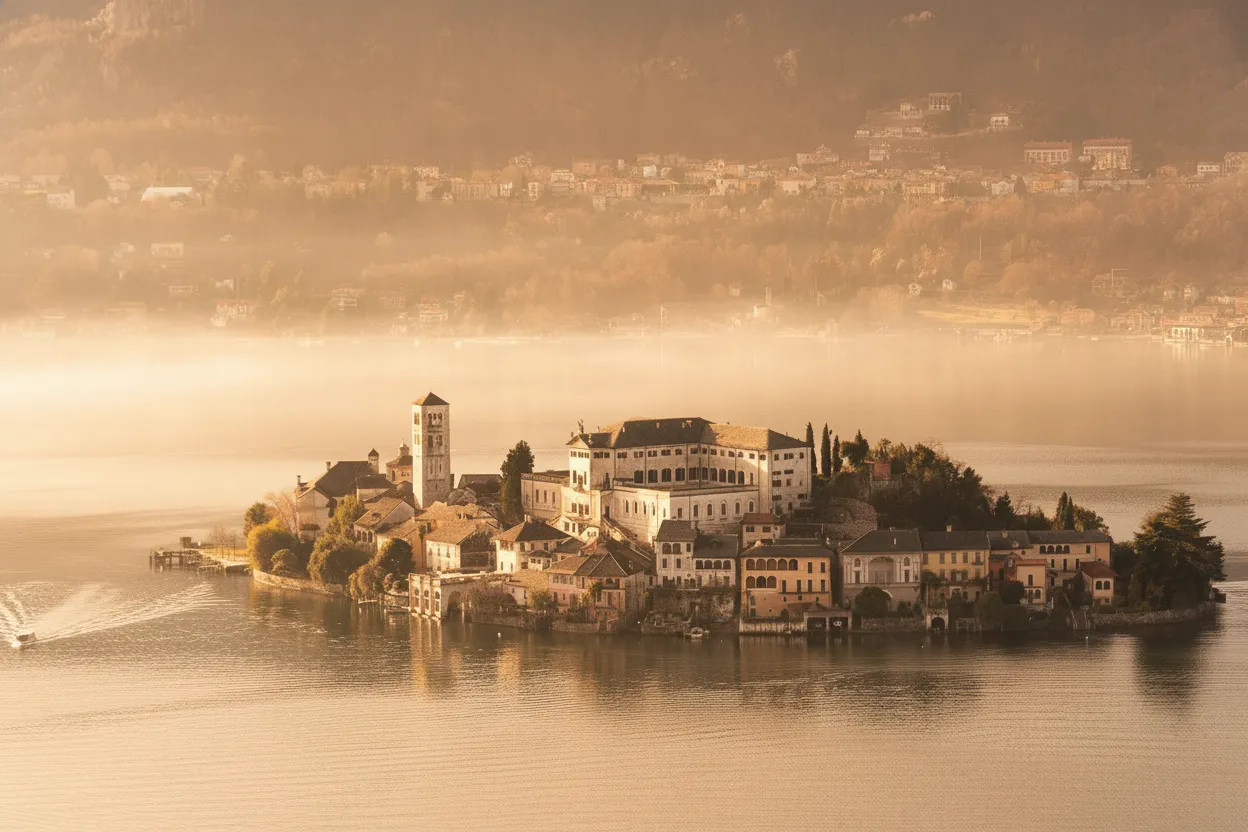
The Isola di San Giulio, a tiny landmass just 275 meters in circumference, is entirely dominated by the Mater Ecclesiae Benedictine Abbey, a centuries-old spiritual haven that seems to float on the calm waters of Lake Orta in Italy's Piedmont region. This minuscule island, barely larger than the impressive basilica at its core, has been a site of pilgrimage and monastic life for over a millennium, housing a serene community of cloistered nuns and the venerated tomb of a local saint.
Most visitors experience Isola di San Giulio by arriving via a short ferry ride from the charming lakeside town of Orta San Giulio. As the boat approaches, the island reveals itself as a perfectly round, self-contained world of ancient stone, lush greenery, and the imposing yet graceful architecture of the abbey. It’s a place that offers not just a scenic vista, but a profound sense of tranquility and a palpable connection to a spiritual past.
What Makes Isola di San Giulio Uniquely Special?
What sets Isola di San Giulio apart from other beautiful Italian lake destinations is its singular focus. Unlike islands dotted with multiple residences, shops, or restaurants, San Giulio is almost entirely devoted to the Mater Ecclesiae Benedictine Abbey. This creates an atmosphere of profound peace and introspection that is rare in today’s fast-paced world. The island’s single, circular path, aptly named the 'Way of Silence and Meditation', guides visitors around the perimeter, past high stone walls, glimpses of cloistered gardens, and the basilica itself.
Along this path, a series of wooden signs display aphorisms and reflections in multiple languages, encouraging quiet contemplation and mindfulness. These aren't just decorative elements; they are an integral part of the island's character, inviting visitors to slow down, absorb the stillness, and engage with the spiritual essence of the place. The experience is less about sightseeing and more about immersion – a gentle invitation to step away from external distractions and find a moment of inner calm. It's an escape that feels utterly removed from the ordinary flow of time, offering a distinct sense of separation from the mainland's bustle.
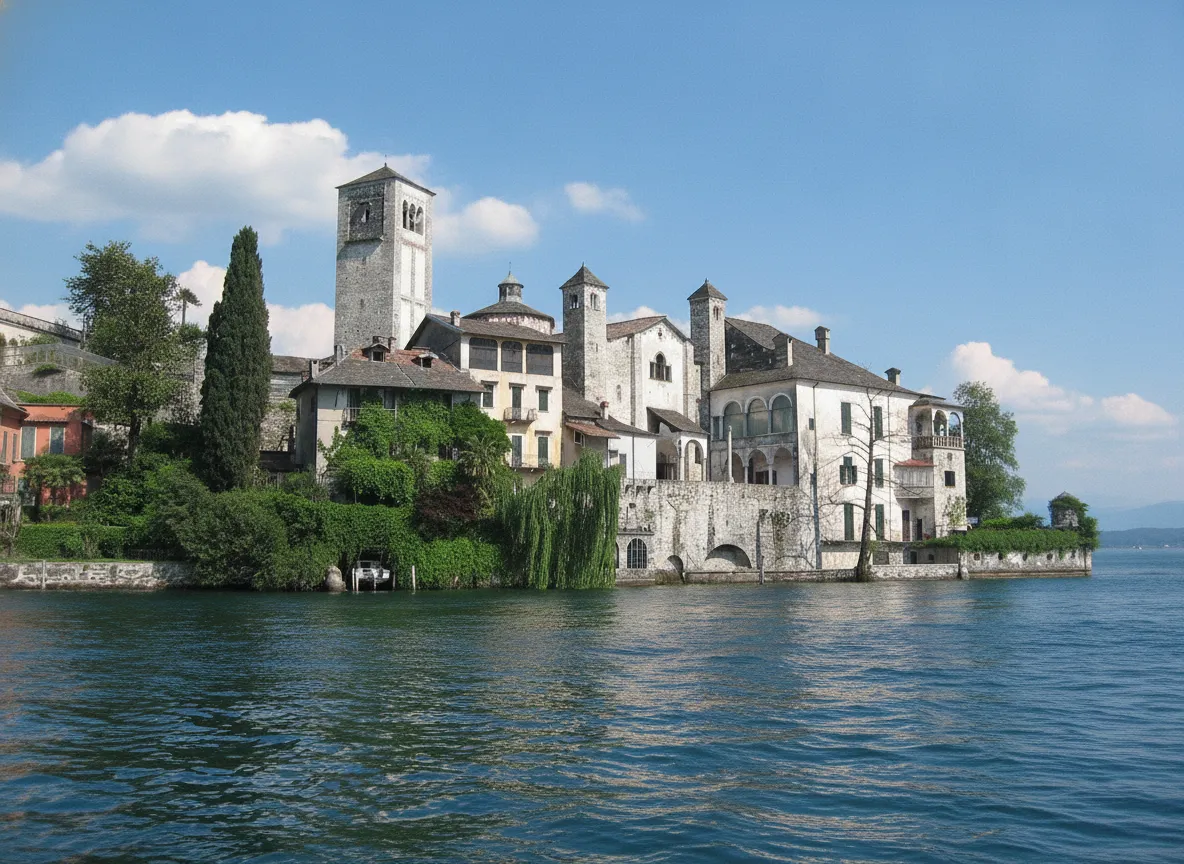
The island's small size amplifies this feeling of being within a sacred enclosure. Every step on the Way of Silence brings you closer to understanding the dedicated lives led within the abbey walls. The gentle lapping of the lake against the shore, the rustle of leaves, and the distant chiming of bells from the mainland are often the only sounds to break the quietude, reinforcing the island's commitment to peace.
A Glimpse into the Island's Rich History
The history of Isola di San Giulio is deeply intertwined with the legend of Saint Julius. According to tradition, in the late 4th century, Saint Julius, a Greek evangelist, arrived in the region with his brother Julian, determined to convert the local pagan population to Christianity. While Julian traveled to the shores of Lake Maggiore, Julius focused on Lake Orta. He sought a place to build the hundredth church of his mission and chose this island, then said to be infested with snakes and dragons.
Finding no boat to reach the island, Julius reportedly spread his cloak on the water and used it as a raft, crossing the lake and successfully banishing the serpents and establishing a small chapel. This miraculous crossing and his subsequent work led to the island becoming a revered site. After his death, Saint Julius was buried in the church he founded, and his tomb remains a central point of veneration within the basilica today.
Over the centuries, the initial chapel evolved into a grander basilica, with significant construction phases occurring in the 9th, 11th, and 18th centuries. The island also served as a defensive stronghold during various medieval conflicts, its strategic position in the lake making it a valuable possession. By the 19th century, the island's religious significance was re-emphasized, leading to the establishment of the Mater Ecclesiae Benedictine Abbey in 1973, bringing a community of cloistered nuns dedicated to prayer, study, and the restoration of ancient liturgical texts.
These layers of history are evident in the architecture of the basilica, which showcases Romanesque, Baroque, and later additions. Walking through its doors is to step into a timeline of faith and human endeavor, each stone holding stories from a thousand years of devotion and change.
Exploring the Way of Silence and the Basilica
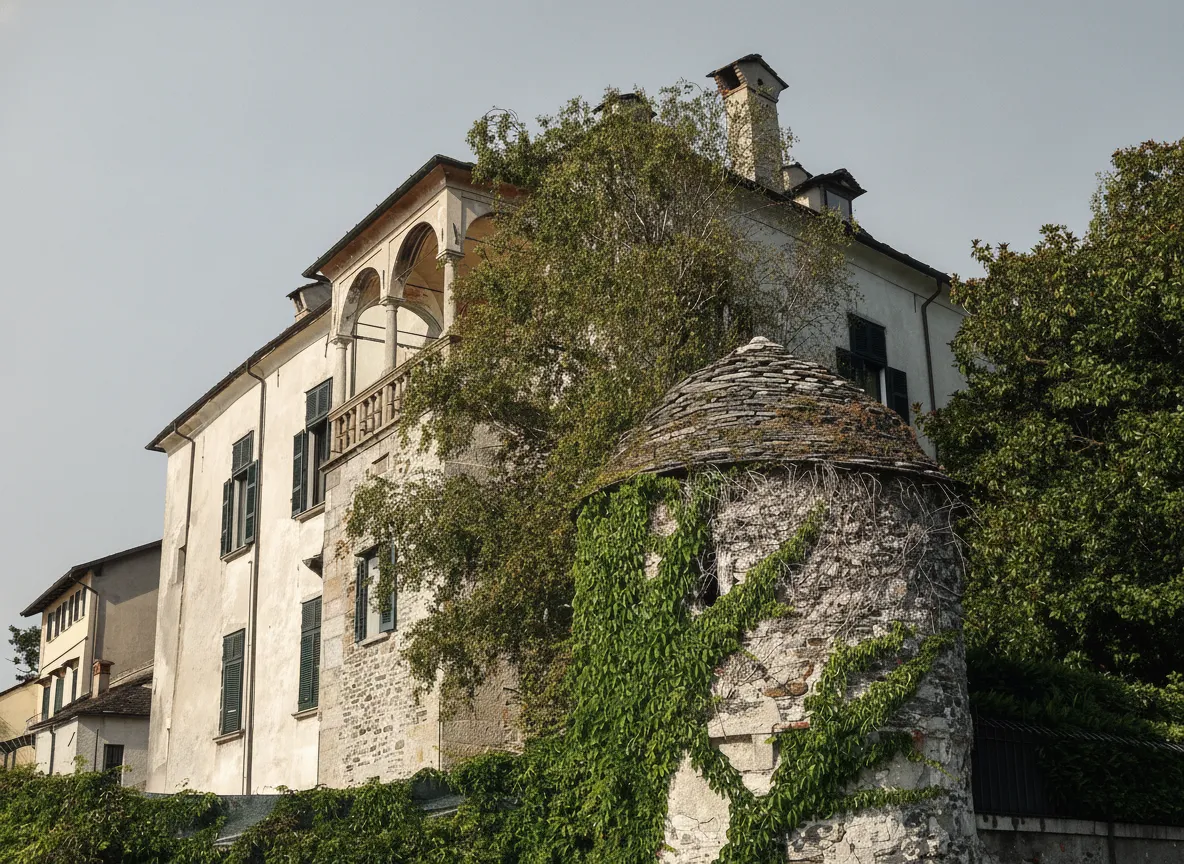
Your visit to Isola di San Giulio begins and ends with the ferry, but the core experience is the journey around the island itself. Disembarking, you'll immediately encounter the entrance to the 'Way of Silence and Meditation'. This narrow, cobblestone path circles the island counter-clockwise, offering shifting perspectives of the lake, the mainland, and the abbey's ancient walls.
As you progress, the reflective quotes encourage a slow pace. Some might read: "Silence is the language of God, and the language of the soul," or "Look not for the extraordinary, but find the extraordinary in the ordinary." This deliberate pacing allows for a deeper appreciation of the surroundings – the intricate details of the basilica's exterior, the small, well-tended gardens glimpsed through iron gates, and the serene expanse of Lake Orta.
Midway along the path, or accessible directly from the ferry landing, is the Basilica di San Giulio. Entering this sacred space is a highlight of any visit. The interior is a rich display of art and architecture. The most striking feature is arguably the 12th-century Romanesque pulpit, carved from serpentine stone from Oira. Its four columns rest on carved lions, and its panels depict the evangelists and scenes from the life of Saint Julius, with intricate details that reward close inspection.
Beneath the main altar lies the crypt, housing the remains of Saint Julius himself in a glass urn. This dimly lit space, adorned with ancient frescoes, exudes a powerful sense of reverence. The basilica also features numerous frescoes from the 15th and 16th centuries, depicting saints and biblical narratives, some attributed to artists like Gaudenzio Ferrari's school. These vibrant, detailed artworks cover walls and ceilings, transforming the space into a visual narrative of faith. Even for those not religiously inclined, the artistry and historical depth found within the basilica are profoundly moving.
Planning Your Tranquil Escape: Practical Tips
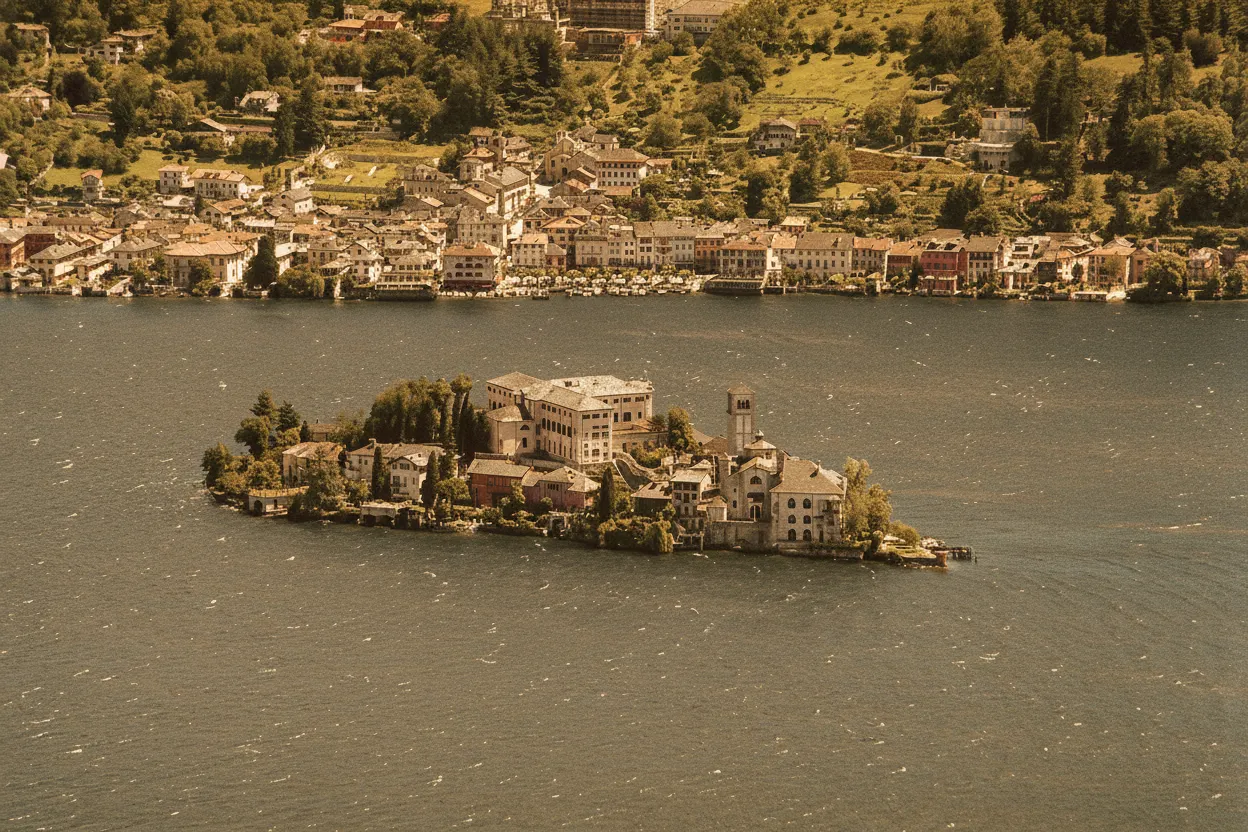
Visiting Isola di San Giulio is a straightforward but enriching experience. The island is easily accessible from the charming town of Orta San Giulio on the western shore of Lake Orta. Regular small ferries and private water taxis depart from Orta's main piazza, Piazza Motta, making the short crossing in just a few minutes. Tickets are inexpensive and can be purchased directly at the pier.
While the island itself is a place of quiet contemplation, the town of Orta San Giulio provides an excellent base for your visit. It offers a selection of hotels, guesthouses, and restaurants serving delicious Piedmontese cuisine. Consider spending at least a full day in the area, allowing ample time to explore the island without rush, and then to wander through Orta's cobblestone streets, browse its artisan shops, and enjoy a meal with lake views.
Etiquette: Remember that Isola di San Giulio is an active Benedictine monastery. Visitors are asked to maintain a respectful silence, especially on the 'Way of Silence and Meditation'. Dress modestly when entering the basilica (shoulders and knees covered are generally appreciated). Photography is usually permitted in the basilica, but always be mindful of others and avoid flash photography.
Best Time to Visit: Spring (April-May) and early autumn (September-October) offer the most pleasant weather, fewer crowds than peak summer, and beautiful natural colors around the lake. Summer (June-August) is popular but can be hot and busy. Winters are quieter but some services might have reduced hours.
Isola di San Giulio is more than just a destination; it’s an experience. It’s an opportunity to pause, reflect, and connect with a unique blend of history, spirituality, and natural beauty. For those seeking a truly distinct Italian encounter, far from the well-trodden paths of major cities, this tiny island on Lake Orta offers an unforgettable journey into peace.
Essential Travel Information
- Location Isola di San Giulio, Italy
- Best Time Spring (April-May) and early Autumn (September-October)
- Getting There Ferry or private water taxi from Orta San Giulio town on Lake Orta.
- Airport Milan Malpensa Airport (MXP)
- Budget Mid-range, ~$150-250 per day (excluding long-haul travel) for accommodation, food, and local transport.
- Language Italian
Find Places to Stay Near Isola di San Giulio
Compare hotels, hostels, and unique stays in Italy.
Search AccommodationTours & Experiences Near Isola di San Giulio
Book guided tours, day trips, and unique experiences.
Browse Tours