The Siren Call of Gaiola: Where Beauty Meets the Bizarre
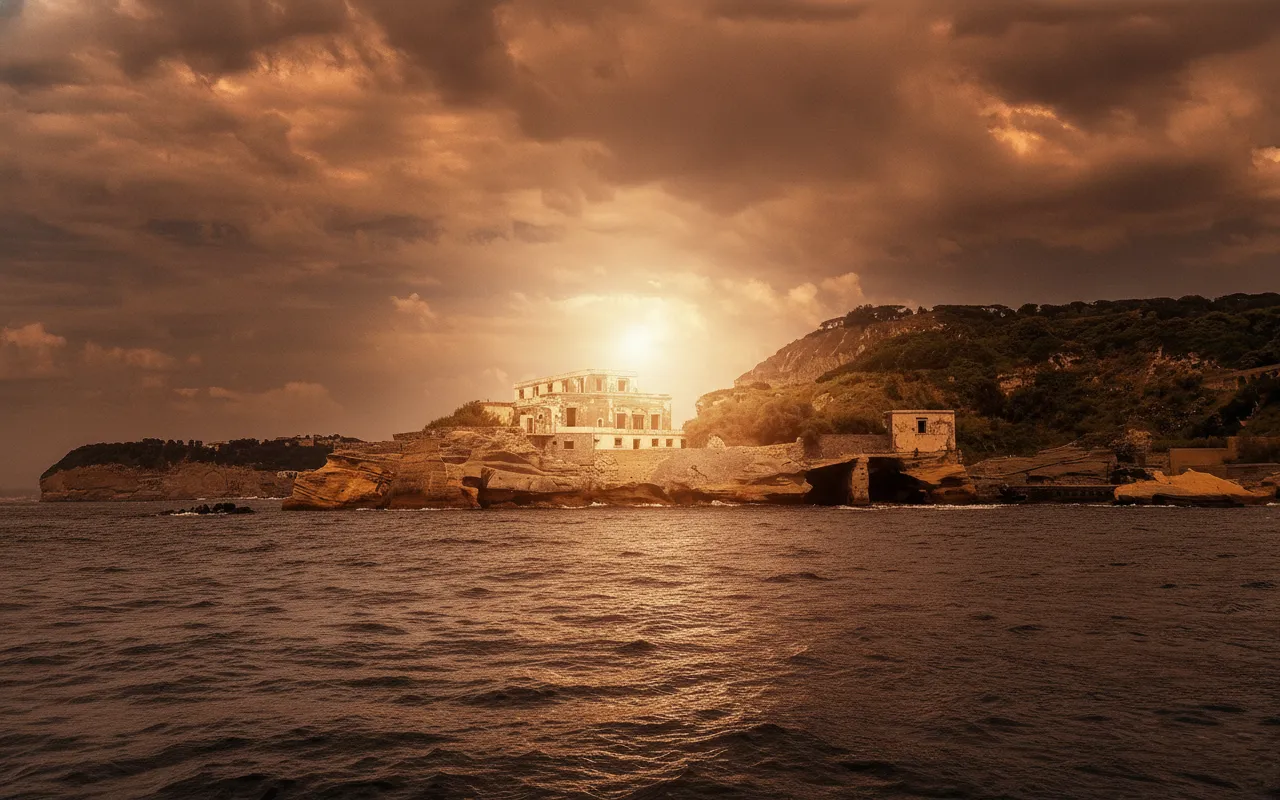
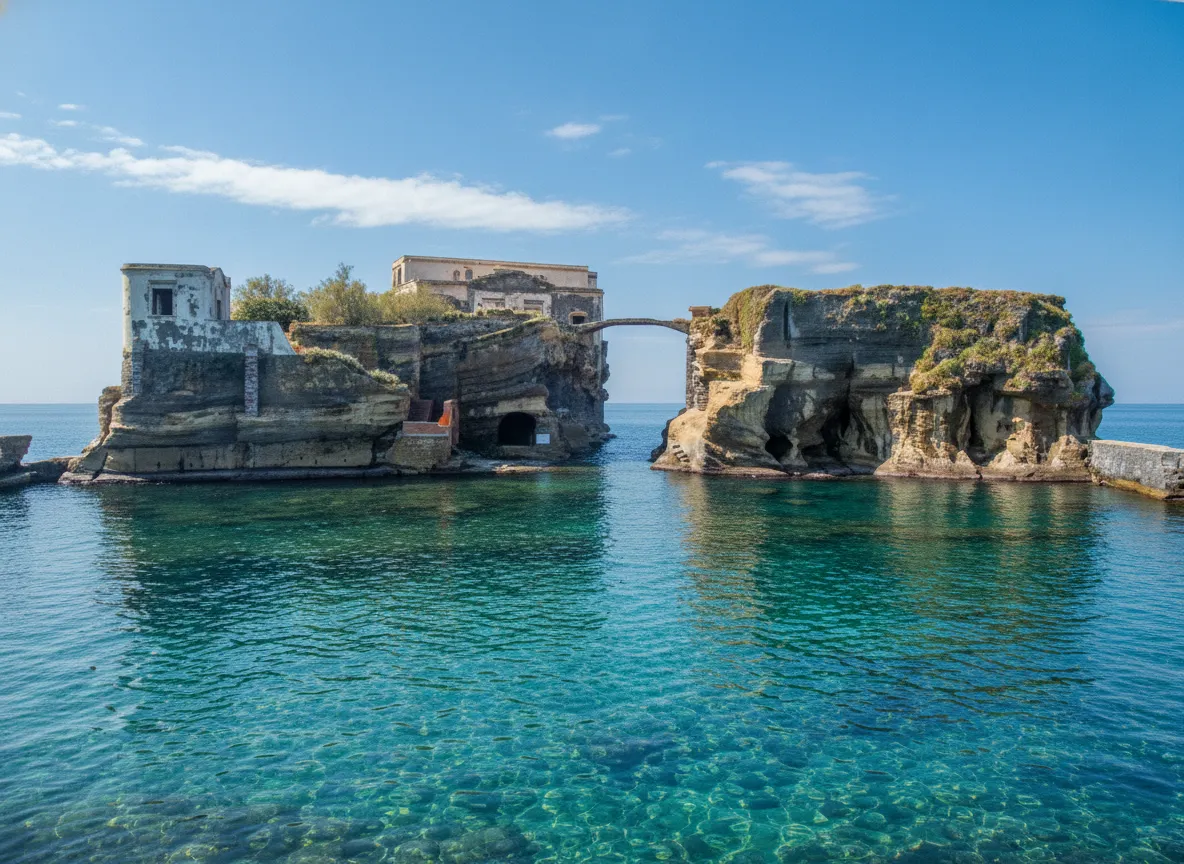
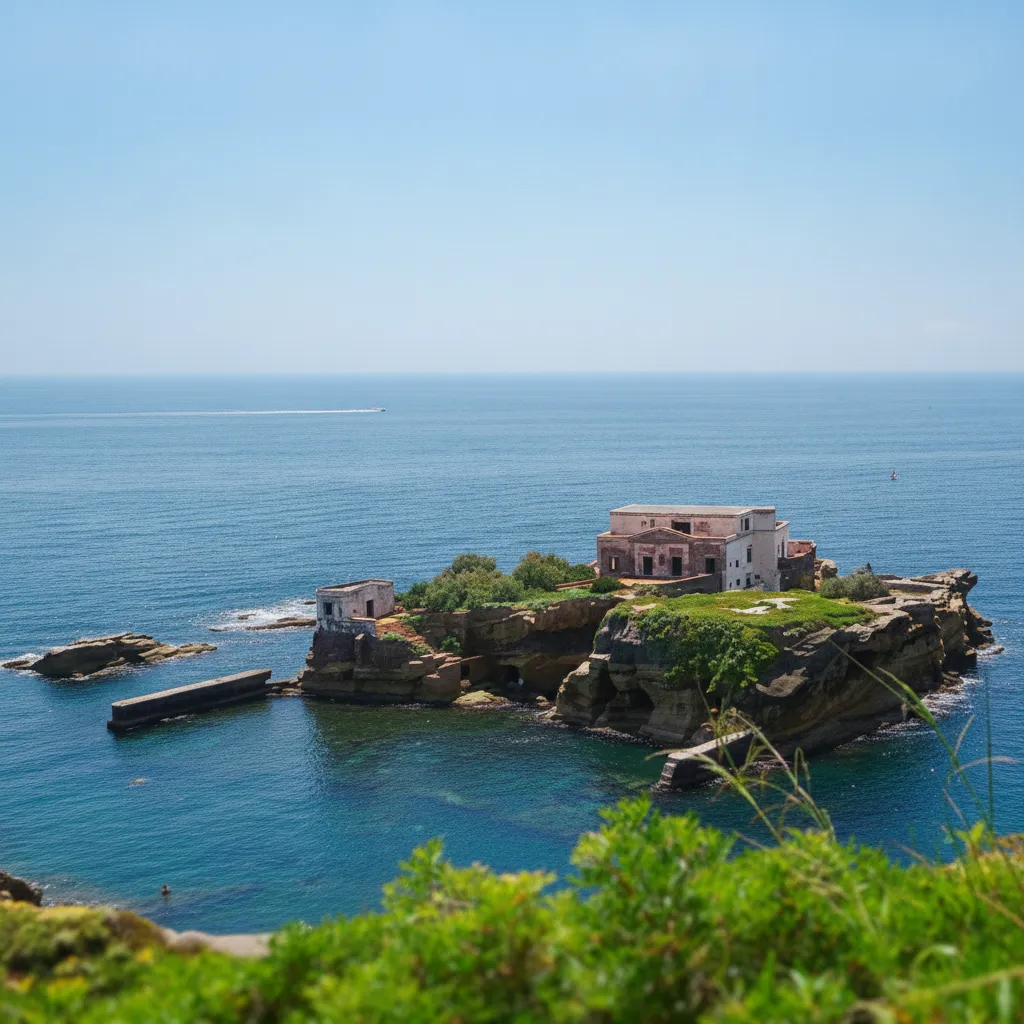
Imagine a place where the Mediterranean sun kisses ancient Roman ruins peeking through crystal-clear waters, where rugged cliffs plunge into an iridescent sea, and a delicate stone bridge spans a natural wonder. That, in essence, is Isola La Gaiola. It’s a jewel of the Phlegraean Islands, an archipelago formed by ancient volcanic activity, giving it a dramatic, untamed beauty that captivates the soul. The larger of the two islets hosts an elegant, yet eerily empty, villa, clinging precariously to the rock face. The smaller, uninhabited islet is a wild, verdant outcrop. Together, they form a breathtaking tableau that seems plucked from a dream.
But Gaiola isn't just about its captivating aesthetics. What truly sets it apart, etching it into the annals of the world's most fascinating and feared places, is its infamous reputation as one of the most cursed locations on Earth. For generations, a dark shadow has loomed over the island and its magnificent villa. The legend is whispered by locals and verified by a chilling pattern of misfortune: prosperity turns to ruin, health to sickness, and life to untimely death for those who dare to claim ownership.
This blend of ethereal beauty and profound dread creates an irresistible magnetism. It's a destination that promises not just stunning vistas, but a journey into the heart of a mystery, a tangible encounter with a legend that continues to defy explanation. It's a place that makes you wonder: can a place truly be cursed, or is it merely a series of tragic coincidences?
A History Shrouded in Shadow: The Curse of Gaiola
The story of Isola La Gaiola stretches back to antiquity. In Roman times, it was known as Euplea, a place dedicated to Venus Euplea, the goddess of safe navigation. Ancient ruins, including what are believed to be the remains of a temple and a fish pond, lie submerged around the islets, hinting at a past where it was perhaps a tranquil, sacred retreat. The poet Virgil is said to have taught here, and the Roman writer Pliny the Elder mentioned its beauty. For centuries, it was a place of inspiration, beauty, and perhaps, quiet contemplation.
The modern chapter of its cursed history, however, truly begins with the construction of its iconic villa in the early 19th century. From that moment on, a chilling pattern emerged, a dark thread weaving through the lives of its subsequent owners. The sheer number and variety of misfortunes are staggering, leading many to believe in a genuine, malevolent force at play.
One of the earliest owners, a Swiss gentleman named Hans Braun, was found dead on the island, wrapped in a rug. Not long after, his wife drowned in the sea nearby. The next owner, Otto Grunback, suffered a fatal heart attack on the island. Maurice-Yves Sandoz, a Swiss industrialist, purchased the villa only to end up in a mental asylum, where he later took his own life. The list goes on, each story more tragic than the last.
Perhaps the most well-known victims of the Gaiola curse are those connected to Italy's most prominent families. Gianni Agnelli, the powerful head of Fiat, owned the villa for a time. His nephew, who was slated to inherit his empire, tragically died by suicide. Paul Getty, Jr., whose family also had ties to the villa, saw his son kidnapped and later died from a drug overdose. Other owners and their associates faced financial ruin, mysterious illnesses, car accidents, and premature deaths. The string of calamities is so profound that the villa has remained largely unoccupied and unsold for decades, a testament to its fearsome reputation. Locals whisper of a connection to ancient Roman spirits, or perhaps the wrath of Mother Nature herself, angered by human intrusion.
Exploring the Enigmatic Islets: What You'll See
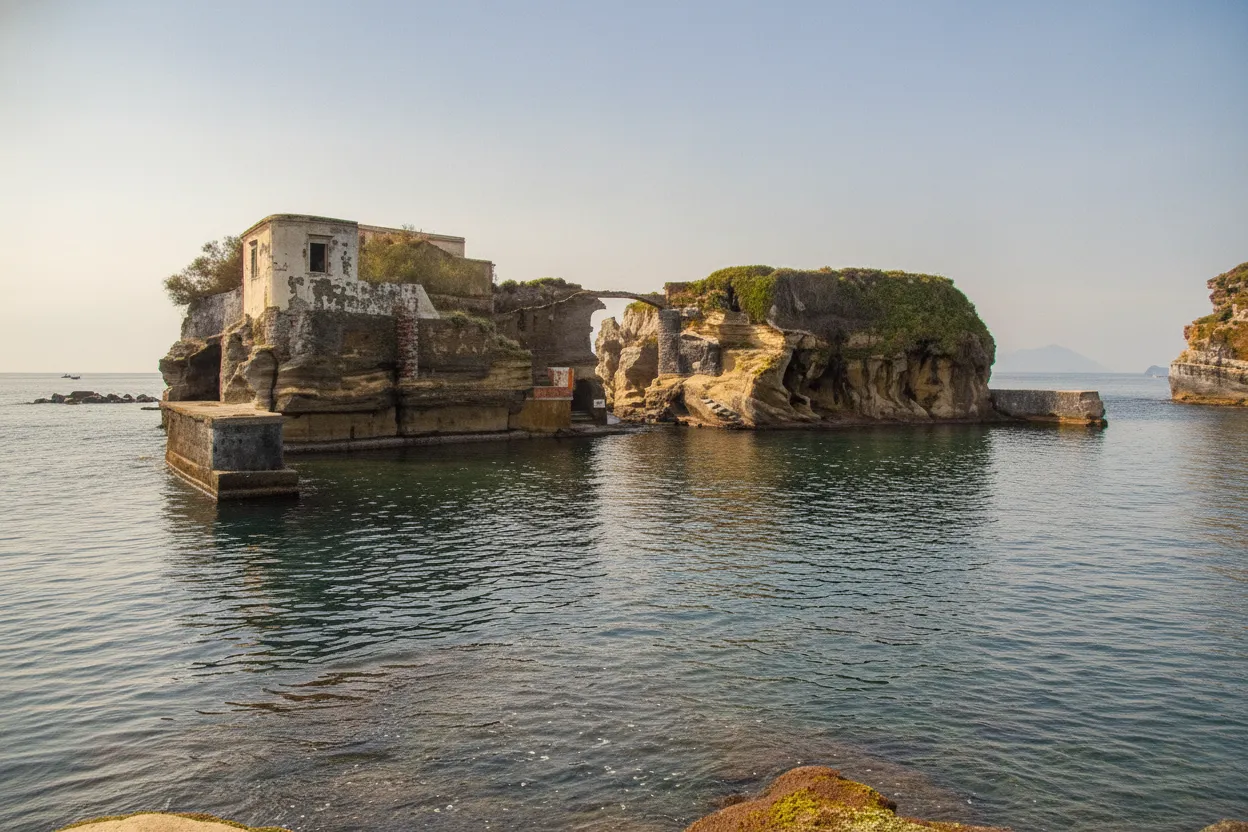
Despite its ominous reputation, Isola La Gaiola remains an irresistible draw for adventurers and curious travelers. The beauty alone is worth the journey. The natural arch, a geological marvel carved by centuries of wind and sea, is the defining feature, connecting the two islets with a delicate grace. Below it, the water shimmers with an impossible clarity, revealing the vibrant marine life and the ghostly outlines of ancient Roman structures beneath the surface.
The villa itself, though inaccessible to visitors, is a striking sight from the water. Its elegant architecture, nestled amidst the rugged cliffs and lush Mediterranean vegetation, evokes a sense of both grandeur and profound solitude. It stands as a silent witness to the many lives that passed through its doors, each leaving behind a story of triumph and, ultimately, tragedy.
But the true magic of Gaiola extends beyond its cursed villa. The islets are part of the Gaiola Underwater Park (Parco Sommerso di Gaiola), a protected marine area that boasts incredible biodiversity and significant archaeological remains. This makes it a paradise for snorkelers and divers. Imagine gliding through the warm, clear waters, surrounded by schools of colorful fish, as you pass over ancient Roman walls, port structures, and even a nymphaeum (a grotto dedicated to nymphs). It’s a living museum, where history and nature intertwine in a breathtaking display.
Kayaking or paddleboarding around the islets offers a unique perspective, allowing you to explore hidden coves and grottoes, feeling the gentle rhythm of the waves and absorbing the serene, yet undeniably potent, atmosphere of this incredible place. Whether you're a history buff, a nature lover, or simply a seeker of the extraordinary, Gaiola promises an experience unlike any other.
Practical Tips for Visiting Isola La Gaiola
Ready to brave the whispers of the past and witness this incredible beauty for yourself? Here’s what you need to know to plan your visit to Isola La Gaiola:
- Access & Protection: Isola La Gaiola is part of a protected marine area. This means access is regulated to preserve its delicate ecosystem and archaeological treasures. You cannot simply swim to the island or anchor a private boat anywhere you please.
- Getting There: The best way to experience Gaiola is by taking an organized boat tour. Many local operators offer excursions from Naples, Pozzuoli, or Sorrento that specifically visit the Gaiola Underwater Park. These tours often include snorkeling or diving stops, providing equipment and expert guides who can point out the underwater ruins and marine life. Kayak and canoe rentals are also available from nearby beaches, allowing for a more intimate exploration, but always respect the designated access zones.
- Respect the Environment: As a protected area, it’s crucial to practice responsible tourism. Do not litter, do not disturb marine life or archaeological sites, and adhere to all rules and regulations set by the park authorities. Anchoring is restricted to specific areas, and fishing is generally prohibited.
- Best Time to Visit: The warm Mediterranean months, from May to September, are ideal for visiting, especially if you plan on swimming, snorkeling, or diving. The water is warm and calm, and the sunshine highlights the vibrant colors of the sea and landscape. However, shoulder seasons (April, October) can offer pleasant weather with fewer crowds.
- Safety: While the curse is a fascinating legend, practical safety precautions are always wise. Be aware of currents if swimming, listen to your boat guides, and ensure you have appropriate sun protection and hydration.
Isola La Gaiola is more than just a destination; it's an experience that tantalizes the senses and sparks the imagination. It’s a place where the dazzling beauty of the Italian coast intertwines with a profound sense of mystery, where ancient history breathes beneath the waves, and where the echoes of a centuries-old curse still seem to whisper on the wind. Come, see for yourself, and decide if the magic of Gaiola is worth tempting fate.
Essential Travel Information
- Location Isola La Gaiola, Italy
- Best Time May to September (for warm weather and water activities)
- Getting There Organized boat tours from Naples, Pozzuoli, or Sorrento to Gaiola Underwater Park. Kayak/canoe rentals also available from nearby beaches.
- Airport Naples International Airport (NAP)
- Budget Mid-range (approx. €50-€100 daily, depending on activities and tour choices)
- Language Italian
Find Places to Stay Near Isola La Gaiola
Compare hotels, hostels, and unique stays in Italy.
Search AccommodationTours & Experiences Near Isola La Gaiola
Book guided tours, day trips, and unique experiences.
Browse Tours