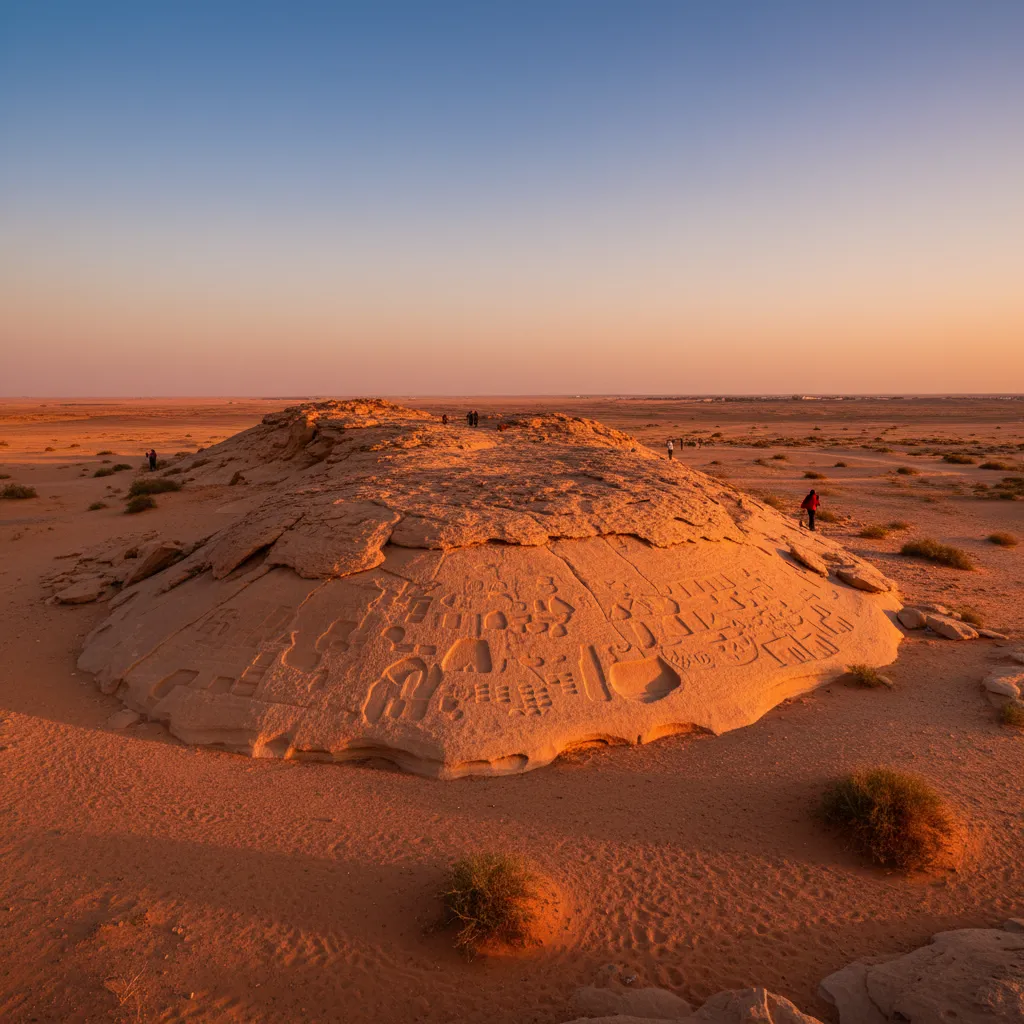
If you're anything like me, the thrill of discovering places untouched by mass tourism, where history feels palpable and questions outnumber answers, is an irresistible draw. Jabal al-Jassasiyah is precisely that kind of place. It’s a journey not just across the Qatari landscape, but back through millennia, to a time when the Arabian Gulf was a vibrant, mysterious canvas for human expression.
The Enigma of Jabal al-Jassasiyah: A Canvas of Time
What makes Jabal al-Jassasiyah so utterly captivating? It’s not just one or two carvings; it’s an astonishing collection of over 900 individual petroglyphs scattered across a low-lying sandstone ridge. This isn't a single "rock" but a series of rocky outcrops, worn smooth by wind and time, offering an expansive gallery of ancient art. As you walk among them, you'll feel like an archaeologist on the verge of a breakthrough, each step revealing another clue in a puzzle that has yet to be solved.
The sheer volume is impressive, but it's the nature of the carvings that truly sets Jabal al-Jassasiyah apart. While many ancient sites feature human figures or animals, the dominant motifs here are cup-marks and, most strikingly, intricate boat designs. These aren't simple outlines; some depict masts, sails, oars, and even different hull shapes, suggesting a sophisticated understanding of seafaring. And here’s the kicker: these specific boat designs are seen virtually nowhere else in the Gulf region. This uniqueness immediately piques your curiosity – who made them? Why here? And why these particular vessels?
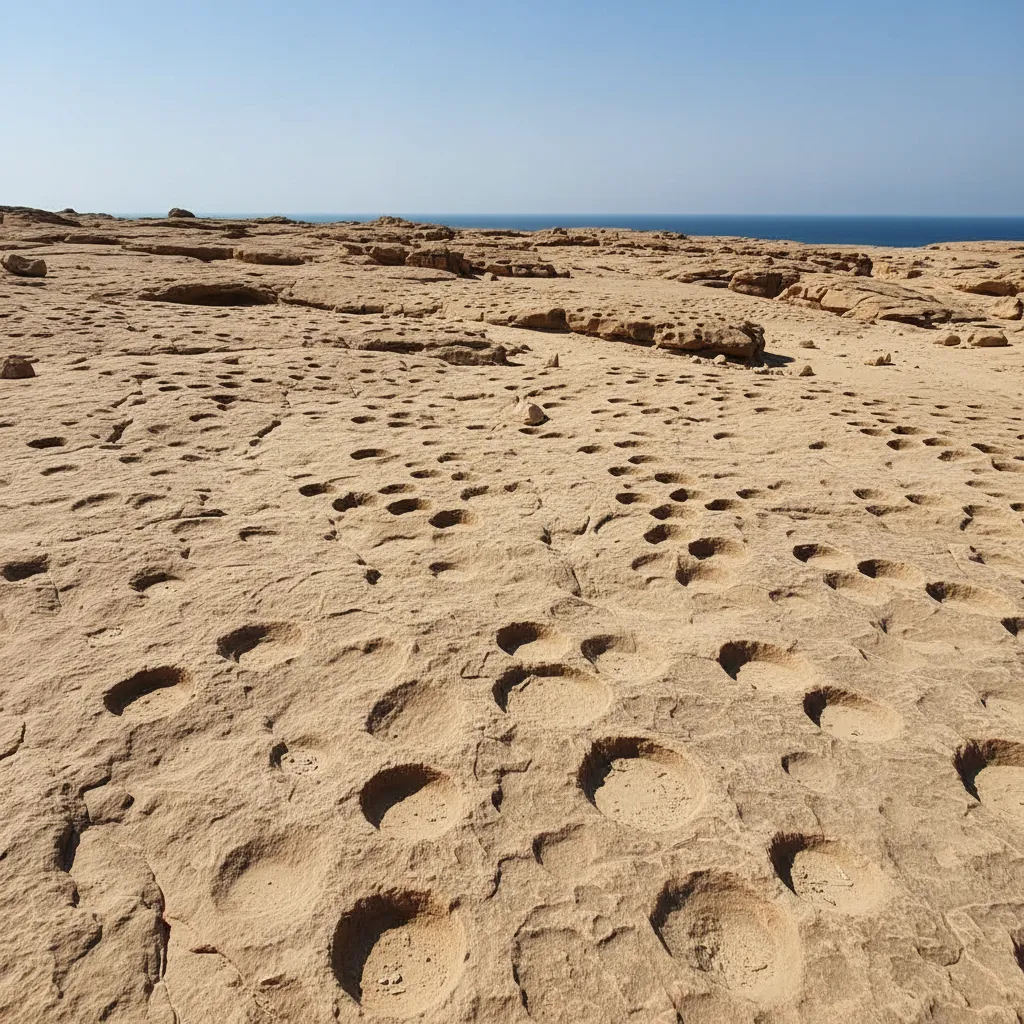
The debates surrounding their exact purpose and age are what make a visit here so intellectually stimulating. Imagine standing before a carving, knowing that archaeologists theorize it could be an ancient board game, a form of celestial map guiding early navigators, or perhaps even a detailed record of maritime trade routes. Each theory opens a new portal into the lives of the people who created these marks, prompting you to ponder their daily struggles, their beliefs, and their connection to the vast, unpredictable sea.
A Glimpse into Qatar's Ancient Maritime Soul
While definitive answers remain elusive, the prevailing theories tie Jabal al-Jassasiyah deeply to Qatar's long-standing relationship with the sea. Before the oil boom, Qatar was a nation of pearl divers, fishermen, and traders, its very existence intrinsically linked to the Arabian Gulf. These carvings, some believed to be thousands of years old, could be the earliest tangible evidence of this profound maritime heritage.
Consider the possibility that these weren't just decorative art, but functional records. Perhaps the cup-marks, often found in clusters, served as a game board for ancient sailors passing the time while waiting for favorable winds or tide. Or maybe, as some suggest, they were used for divination, or even as rudimentary astronomical calendars, tracking the movements of stars to aid navigation across the open waters. The boat carvings, with their remarkable detail, might have been a way to document different vessel types, record successful voyages, or even offer prayers for safe passage. It’s a powerful reminder that long before GPS and satellite imagery, humans possessed an incredible ingenuity and an innate desire to understand and harness their environment.
Walking among these silent witnesses, you can almost hear the lapping waves, feel the salty spray, and imagine the lives of the ancient Qataris who gazed upon these same horizons. It's a humbling experience, connecting you to a lineage of resilience and innovation that stretches back into the mists of time.
Deciphering the Petroglyphs: What You'll See There
As you explore Jabal al-Jassasiyah, you'll notice the variety of the carvings. The most numerous are the "cup-marks" – small, circular depressions ranging from shallow indentations to deeper, perfectly formed bowls. They often appear in rows or geometric patterns, sometimes numbering in the dozens on a single rock face. Their uniformity and arrangement are what suggest a deliberate, perhaps ritualistic or game-related, purpose.
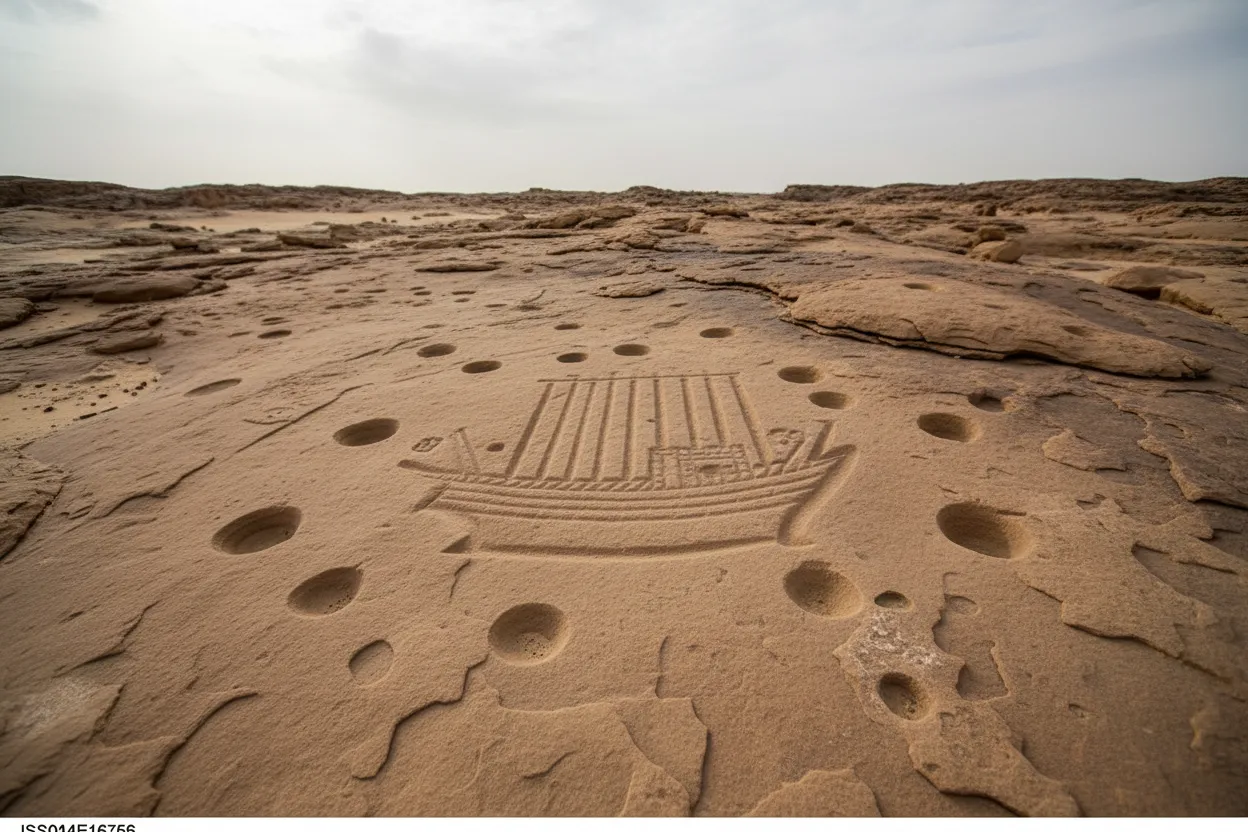
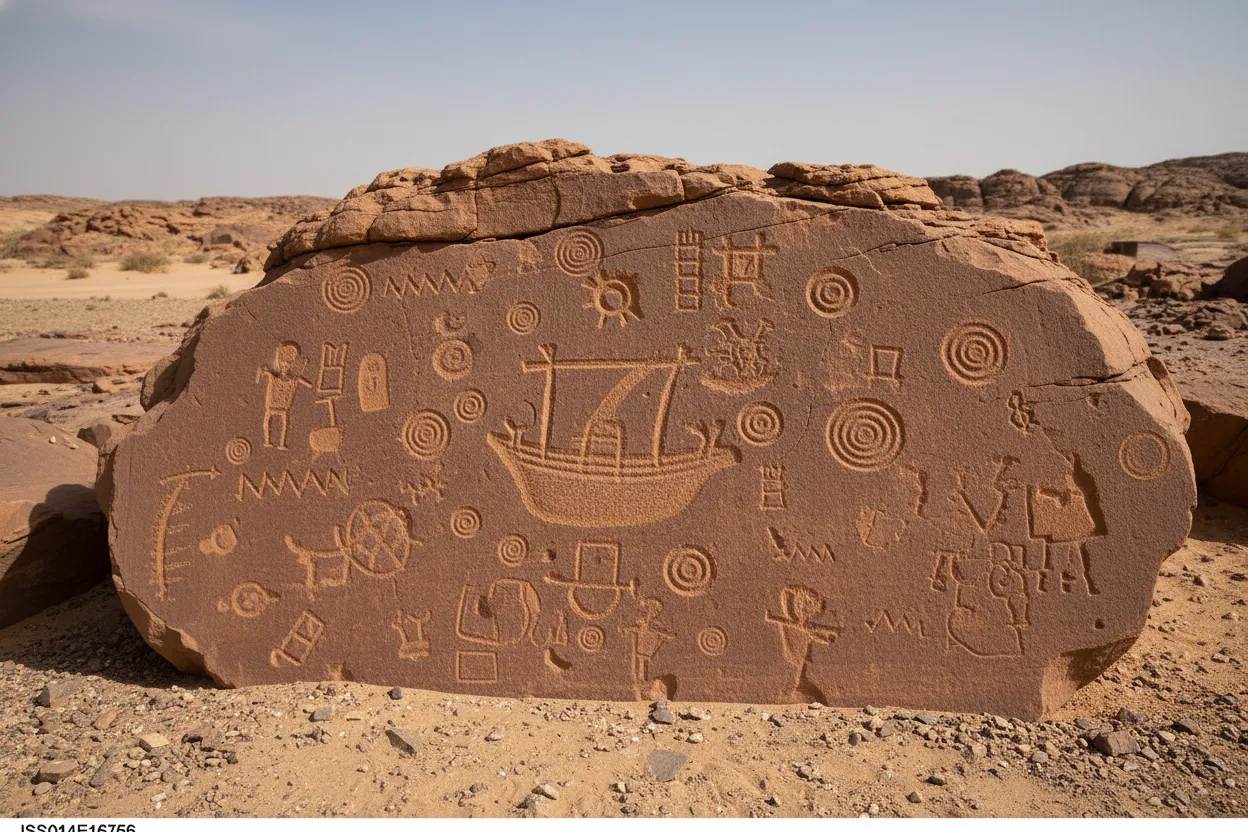
Then there are the boats. Oh, the boats! These are truly the stars of the show. You’ll find them in various sizes and styles. Some are simple outlines, while others are incredibly detailed, showing masts, sails (often triangular or rectangular), rudders, and even oars. You might spot different hull shapes, from broad, flat-bottomed vessels to more streamlined designs. Look closely, and you might even discern what appear to be crew members or cargo represented within the boats. They offer a rare glimpse into the design and evolution of early Arabian Gulf watercraft.
Beyond the boats and cup-marks, keep an eye out for other, less common motifs. You might discover carvings of fish, representing the bounty of the sea, or occasional geometric patterns that defy easy categorization. The beauty lies in their simplicity and the sheer volume of their presence. Each carving is a tiny piece of a much larger, unspoken story, inviting you to become a detective of the past, piecing together fragments of meaning from these ancient whispers in stone.
The best way to experience Jabal al-Jassasiyah is to take your time. Wander slowly, let your eyes adjust to the subtle differences in the rock faces, and allow your imagination to roam. The carvings are not always immediately obvious; sometimes you have to look at them from different angles, with the sun at a certain slant, to truly appreciate their form and detail. Bring a good camera, but more importantly, bring a sense of wonder and a willingness to engage with the profound mystery before you.
Planning Your Expedition to Jabal al-Jassasiyah
Ready to embark on this journey into Qatar’s ancient past? Here are some practical tips to make your visit to Jabal al-Jassasiyah truly unforgettable:
Getting There: Jabal al-Jassasiyah is located in the Al Shamal region, in the very north of Qatar. It's about a 1.5 to 2-hour drive from Doha. While some parts of the road are paved, the final stretch to the site involves driving on rough, unpaved tracks. A 4x4 vehicle is highly recommended, especially if there has been recent rain, and a GPS with the precise coordinates is essential as signposting is minimal. You can rent a 4x4 in Doha or consider booking a guided tour that includes the site.
Best Time to Visit: The cooler months, from October to April, are ideal. The Qatari summer (May to September) can be intensely hot, making extended outdoor exploration uncomfortable. Early morning or late afternoon are best to avoid the midday sun and to catch the beautiful light that enhances the carvings for photography.
What to Bring: This is a remote, undeveloped site. Bring plenty of water, snacks, sun protection (hat, sunscreen, sunglasses), sturdy walking shoes, and a fully charged camera. There are no facilities whatsoever at the site, so plan accordingly.
Respect the Site: Jabal al-Jassasiyah is a precious archaeological treasure. Please do not touch the carvings, walk on them, or attempt to make your own. Take only photographs and leave only footprints. Be mindful of litter and help preserve this incredible piece of history for future generations.
Beyond the Carvings: Exploring Al Shamal: The Al Shamal region offers other fascinating attractions that you can combine with your visit to Jabal al-Jassasiyah. Consider a stop at the impressive Al Zubarah Fort, a UNESCO World Heritage Site that provides a glimpse into an 18th-century pearling and trading town. You could also explore the deserted village of Al Ghariya or enjoy the serene beaches along the northern coast.
Jabal al-Jassasiyah is more than just a collection of ancient carvings; it's an invitation to step back in time, to ponder the mysteries of human ingenuity, and to connect with the deep, enduring spirit of Qatar. It's a place that will spark your imagination and leave you with a profound sense of wonder, long after you've left its silent, sun-drenched stones behind. Go, explore, and let the ancient whispers of the desert guide your way.
Essential Travel Information
- Location Jabal al-Jassasiyah Rock Carvings, Qatar
- Best Time October to April
- Getting There Approximately 1.5-2 hours drive north from Doha. Requires a 4x4 vehicle for the final unpaved stretch. GPS coordinates recommended.
- Airport Hamad International Airport (DOH)
- Budget Budget/Mid-range
- Language Arabic, English
Find Places to Stay Near Jabal al-Jassasiyah Rock Carvings
Compare hotels, hostels, and unique stays in Qatar.
Search AccommodationTours & Experiences Near Jabal al-Jassasiyah Rock Carvings
Book guided tours, day trips, and unique experiences.
Browse Tours