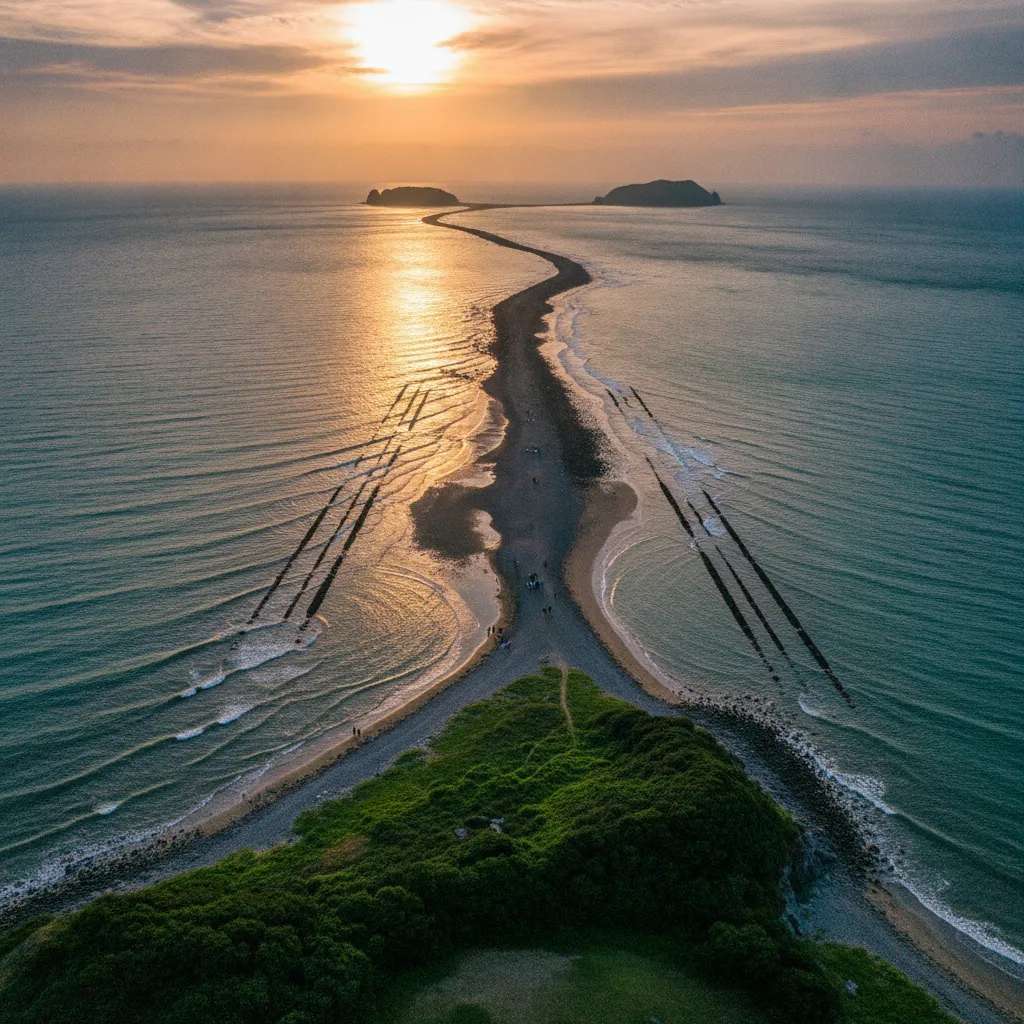
What Makes the Jindo Sea Parting an Unforgettable Miracle?
At its heart, the Jindo Sea Parting is a geological marvel driven by extreme tidal differences. Twice a year, typically in late spring and early summer, the waters between Jindo Island and its smaller neighbor, Modo Island, recede dramatically. What emerges from the depths is not just a muddy stretch, but a distinct, two-mile-long natural land bridge, varying in width from 10 to 40 meters. This temporary causeway, composed of sand and pebbles, connects the two islands, creating a unique pathway that is walkable for a few precious hours before the tide inevitably rolls back in, swallowing the road once more.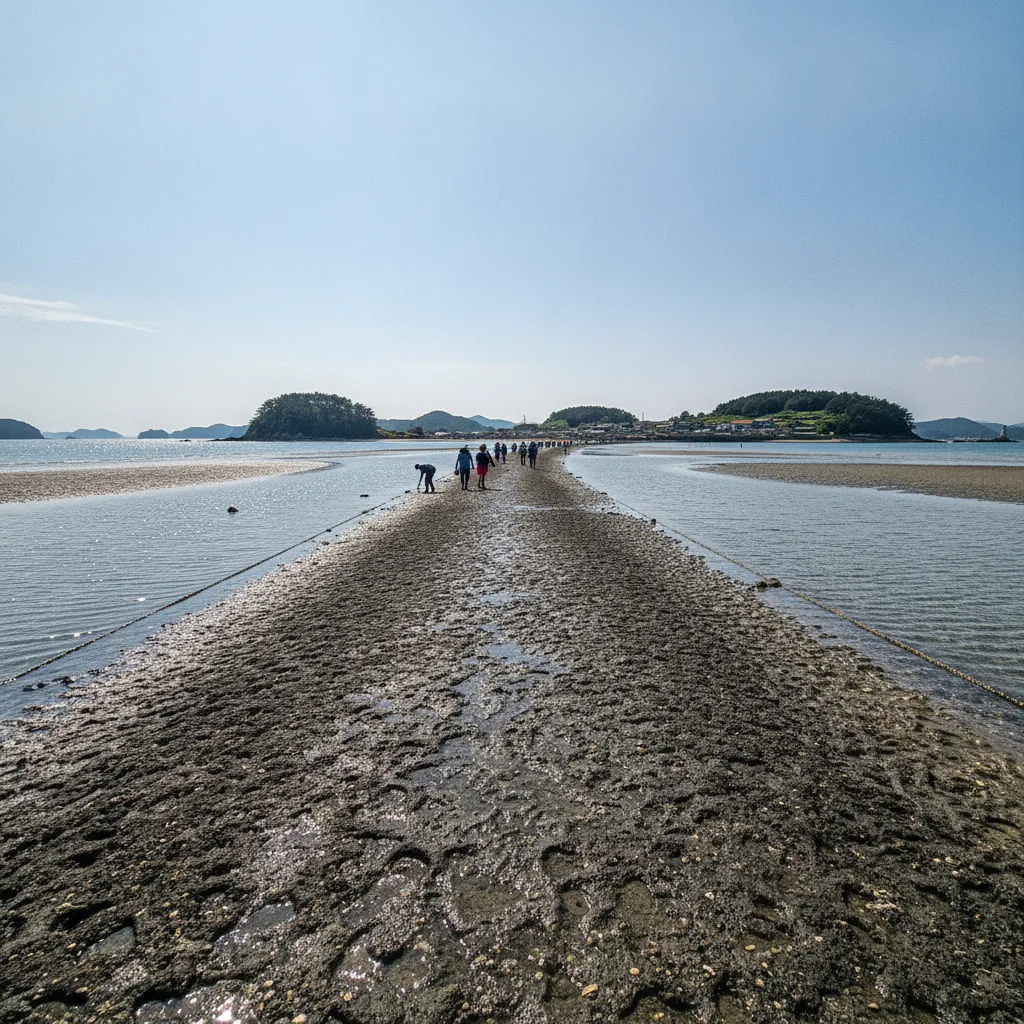 What makes this event truly special isn't just the science behind it, but the sheer wonder it inspires. It's a rare intersection of nature's raw power and human awe. Imagine standing on the shore, watching the sea visibly pull back, revealing a path where just moments before waves crashed. Then, joining a procession of thousands, you embark on a journey across the exposed seabed, feeling the unique texture underfoot, spotting marine life left behind in temporary pools, and collecting shells as souvenirs from this extraordinary walk. It’s an immersive, sensory experience that transcends mere sightseeing, transforming into a deeply personal encounter with the planet's dynamic forces. The fleeting nature of the path – appearing and disappearing within hours – adds to its mystique, making each step feel like a privilege, a moment to be cherished before it vanishes.
A Glimpse into History: Legends and Lore of Jindo
The Jindo Sea Parting isn't a recent discovery; it's a phenomenon that has been observed and celebrated by locals for centuries, woven into the very fabric of Jindo Island's cultural identity. The most beloved tale associated with the sea parting is the legend of Grandma Ppong. According to local lore, Jindo Island was once plagued by tigers. Villagers, in desperation, fled to Modo Island, leaving behind an elderly woman named Grandma Ppong. Distraught and alone, she prayed fervently to the Dragon King of the Sea for help, wishing to be reunited with her family. In response to her prayers, the Dragon King caused the sea to part, creating a path for her to cross to Modo Island. Although Grandma Ppong tragically died of exhaustion after reaching her family, her sacrifice is remembered and honored, and the sea parting is seen as a miraculous answer to her prayers. This heartwarming legend has been passed down through generations, transforming a natural event into a profound cultural narrative. The Jindo Miracle Sea Road Festival, which celebrates the sea parting, is therefore not just a party; it's a commemoration of resilience, faith, and the enduring connection between the islanders and their mystical environment. While the scientific explanation for the sea parting is rooted in extreme tidal ranges and the unique topography of the seabed, the legend of Grandma Ppong imbues the event with a deeper, spiritual significance, making it a powerful symbol of hope and divine intervention for many. It’s a beautiful example of how communities create meaning from the natural world around them, turning a geological occurrence into a cherished part of their heritage.Experiencing the Miracle: The Jindo Miracle Sea Road Festival
To truly experience the Jindo Sea Parting, you must immerse yourself in the vibrant atmosphere of the Jindo Miracle Sea Road Festival. This isn't just a quiet observation; it's a full-blown celebration that transforms Jindo Island into a buzzing hub of activity, drawing visitors from across Korea and around the globe. The festival typically spans a few days, culminating in the grand spectacle of the sea parting itself.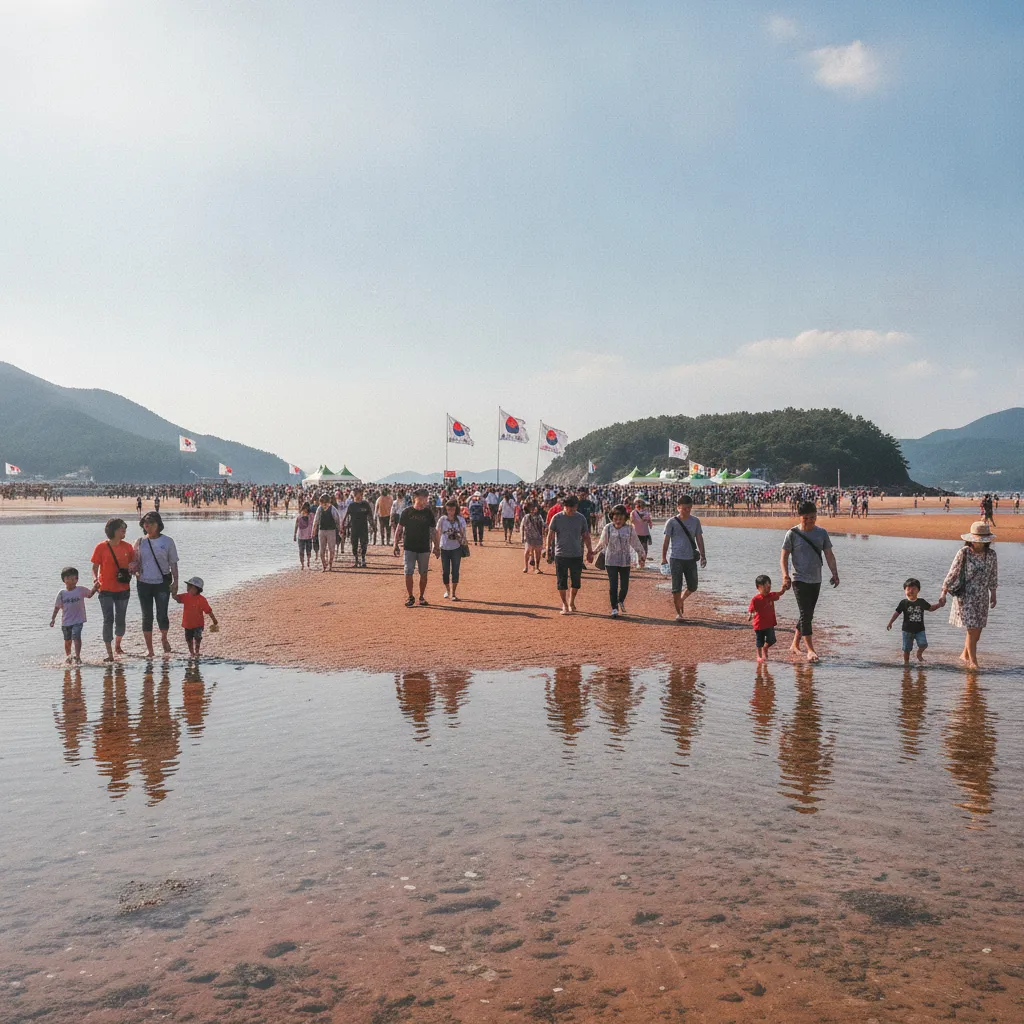 As you approach the festival grounds, you’ll be greeted by a kaleidoscope of sights, sounds, and aromas. Traditional Korean music fills the air, often featuring Jindo Arirang, a famous folk song from the region, performed by local artists. Colourful banners and decorations adorn the streets, and food stalls tempt you with an array of delicious local delicacies – think fresh seafood, hearty Korean stews, and sweet treats. You’ll find artisans selling handcrafted souvenirs, and cultural performances showcasing traditional dances, music, and martial arts. It's an opportunity to dive deep into Korean culture, far beyond the bustling streets of Seoul.
The highlight, of course, is the moment the sea begins to part. Thousands gather along the shoreline, anticipation palpable. As the water recedes, a collective gasp often ripples through the crowd, followed by a surge of excitement. The race to walk the "Moses Miracle Road" begins! People, young and old, equipped with rubber boots or sturdy water shoes, eagerly make their way across the newly revealed path towards Modo Island. It's a truly unique communal experience, sharing the wonder with strangers, all united by the awe of the moment. Along the way, you can collect shells, observe small crabs scurrying across the wet sand, and simply marvel at the surreal landscape. On Modo Island, more festivities often await, with opportunities to enjoy the view back towards Jindo and reflect on the incredible journey you’ve just undertaken. As the tide slowly returns, signalling the end of the walk, there's a sense of bittersweet wonder, knowing you've witnessed something truly ephemeral and extraordinary.
As you approach the festival grounds, you’ll be greeted by a kaleidoscope of sights, sounds, and aromas. Traditional Korean music fills the air, often featuring Jindo Arirang, a famous folk song from the region, performed by local artists. Colourful banners and decorations adorn the streets, and food stalls tempt you with an array of delicious local delicacies – think fresh seafood, hearty Korean stews, and sweet treats. You’ll find artisans selling handcrafted souvenirs, and cultural performances showcasing traditional dances, music, and martial arts. It's an opportunity to dive deep into Korean culture, far beyond the bustling streets of Seoul.
The highlight, of course, is the moment the sea begins to part. Thousands gather along the shoreline, anticipation palpable. As the water recedes, a collective gasp often ripples through the crowd, followed by a surge of excitement. The race to walk the "Moses Miracle Road" begins! People, young and old, equipped with rubber boots or sturdy water shoes, eagerly make their way across the newly revealed path towards Modo Island. It's a truly unique communal experience, sharing the wonder with strangers, all united by the awe of the moment. Along the way, you can collect shells, observe small crabs scurrying across the wet sand, and simply marvel at the surreal landscape. On Modo Island, more festivities often await, with opportunities to enjoy the view back towards Jindo and reflect on the incredible journey you’ve just undertaken. As the tide slowly returns, signalling the end of the walk, there's a sense of bittersweet wonder, knowing you've witnessed something truly ephemeral and extraordinary.
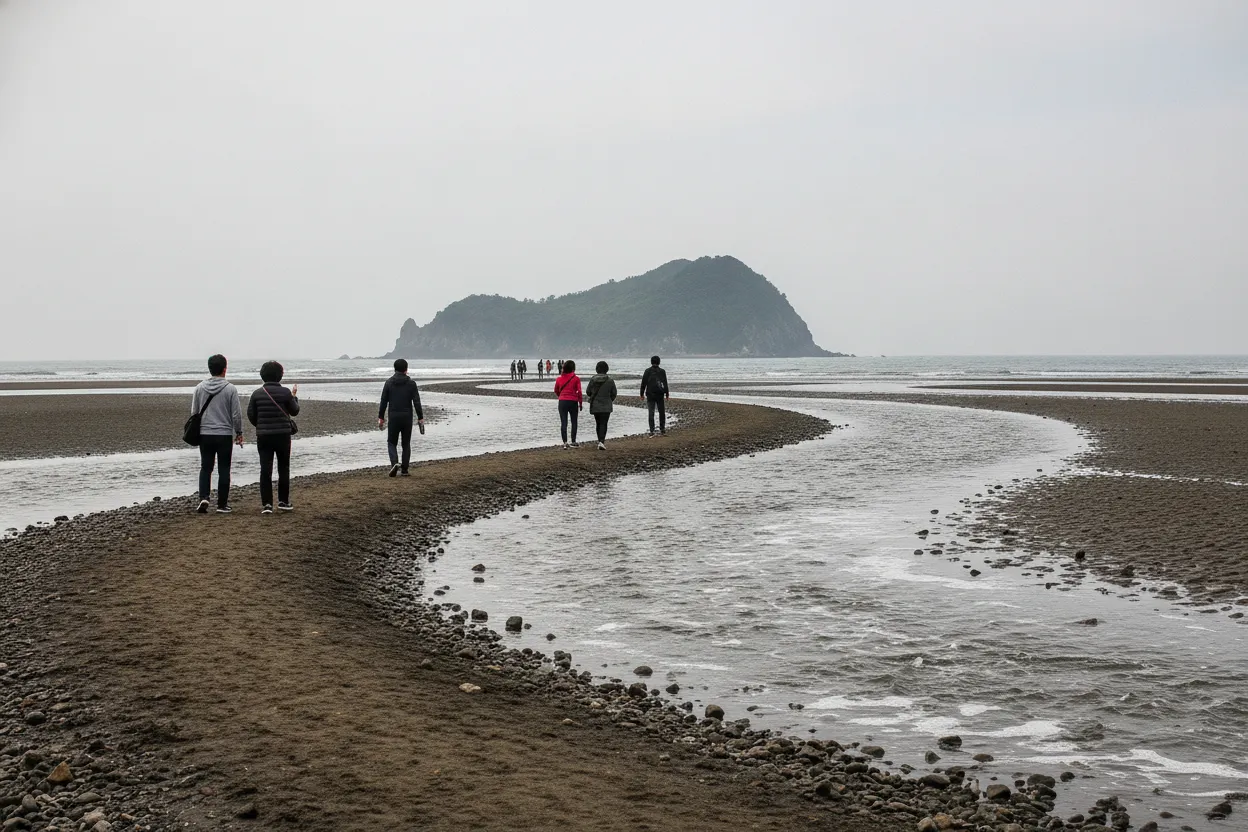
Practical Tips for Your Jindo Adventure
Planning a trip to witness the Jindo Sea Parting requires a bit of foresight, but the rewards are immense.When to Go: The dates for the Jindo Miracle Sea Road Festival vary each year, as they are determined by the lunar calendar and tidal predictions. It typically falls in late spring or early summer (often March, April or May). It is absolutely crucial to check the official festival dates well in advance. These are usually announced on the Jindo County official website or through Korean tourism portals. Aim to arrive a day or two before the main sea parting event to soak in the festival atmosphere and secure accommodation.
Getting There: Jindo Island is located in the southwestern part of South Korea, in Jeollanam-do province.
- By Air: The nearest major airport is Muan International Airport (MWX), which is about 1.5-2 hours drive from Jindo. From Muan, you can take a bus or rent a car. Incheon International Airport (ICN) in Seoul is another option, but requires a longer journey (4-5 hours by KTX train to Mokpo, then bus/taxi, or a direct bus from Seoul).
- By Bus: There are express buses from major cities like Seoul (Seoul Central City Bus Terminal) to Jindo Bus Terminal. The journey takes approximately 5-6 hours.
- By Car: Renting a car offers the most flexibility, especially for exploring Jindo Island itself. The island is connected to the mainland by Jindo Bridge.
Where to Stay: Accommodation on Jindo Island can be limited and books up quickly during the festival. Consider booking guesthouses, motels, or small hotels in Jindo-eup (the main town) or near the festival site (Hoedong Village) months in advance. Alternatively, you could stay in Mokpo, a larger city about an hour's drive away, and travel to Jindo for the festival.
What to Wear & Bring:
- Footwear: This is critical! Wear sturdy waterproof shoes or rubber boots (janghwa) that can handle wet, muddy, and sometimes rocky terrain. Many locals wear knee-high rubber boots.
- Clothing: Dress in layers, as coastal weather can be unpredictable. A hat and sunglasses are advisable, as well as sunscreen, especially if the sun is out during the walk.
- Bag: Bring a small, waterproof bag for essentials like your phone, camera, and any shells or treasures you might collect.
- Camera: You'll want to capture this incredible experience!
- Cash: While many places accept cards, having some cash for smaller vendors at the festival is always a good idea.
Festival Etiquette:
- Arrive Early: The sea parting is a popular event. Arrive at the festival site well before the predicted parting time to find parking, navigate the crowds, and get a good spot.
- Be Prepared for Crowds: Thousands attend, so patience is key.
- Respect Nature: While collecting shells is common, be mindful of the environment. Avoid disturbing marine life unnecessarily and always take your trash with you.
Beyond the Sea Parting: Jindo Island itself is a beautiful destination with plenty to offer. Explore the stunning coastlines, visit the famous Jindo Dog Research and Exhibition Centre (home of the beloved Jindo dog breed), or sample some of the island's fresh seafood and local produce. Extend your trip to truly appreciate the charm of this unique Korean island.
The Jindo Sea Parting is more than just a tourist attraction; it's a profound encounter with nature's majesty, a dive into rich cultural heritage, and a chance to witness a phenomenon so rare it feels like a dream. It's a reminder that even in our modern world, there are still miracles unfolding, waiting for us to discover them. So, are you ready to walk on water?Essential Travel Information
- Location Jindo Sea Parting (Jindo Moses Miracle Road), South Korea
- Best Time Late spring to early summer (typically March, April, or May) during the annual Jindo Miracle Sea Road Festival. Check official dates annually.
- Getting There Fly to Muan International Airport (MWX) or take an express bus from Seoul to Jindo Bus Terminal. Renting a car is recommended for flexibility.
- Airport Muan International Airport (MWX)
- Budget Mid-range (approx. $80-150 USD daily, excluding flights)
- Language Korean
Find Places to Stay Near Jindo Sea Parting (Jindo Moses Miracle Road)
Compare hotels, hostels, and unique stays in South Korea.
Search AccommodationTours & Experiences Near Jindo Sea Parting (Jindo Moses Miracle Road)
Book guided tours, day trips, and unique experiences.
Browse Tours