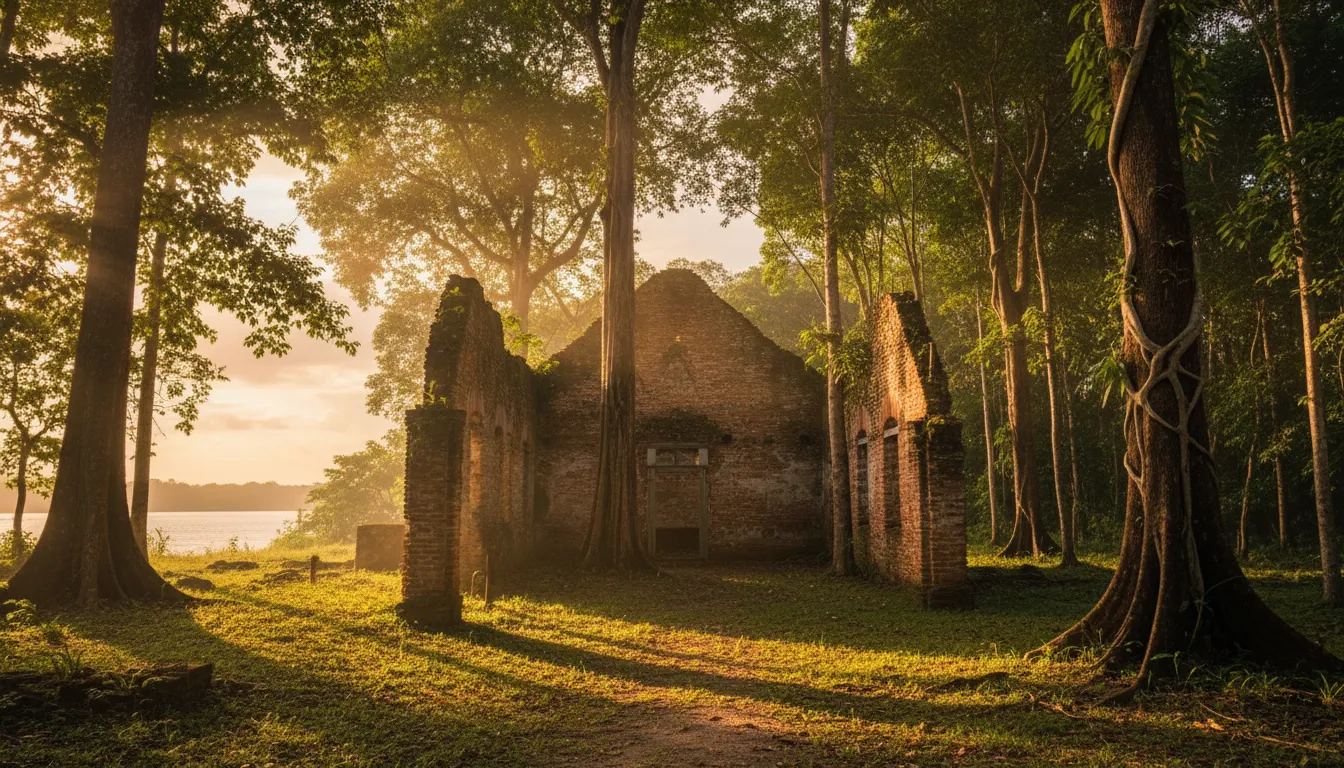
Deep within the emerald heart of the Surinamese rainforest, where the mighty Suriname River carves its path, lies a secret whispered only by the rustling leaves and the ancient stones. Here, the untamed jungle slowly, relentlessly reclaims the remnants of a once-thriving 17th-century Jewish settlement: Jodensavanne. Imagine a place where history isn't just preserved, but actively being reabsorbed by nature, leaving behind a poignant, almost mystical landscape. This isn't just another archaeological site; it's a profound journey back in time, to a forgotten chapter of religious freedom, pioneering spirit, and the enduring human quest for a safe haven.
For those who crave authentic, off-the-beaten-path experiences, Jodensavanne offers an unparalleled adventure. It's a place where you can touch the past, feel the weight of centuries, and witness the raw power of nature's embrace. Prepare to be captivated by a story that began with persecution and blossomed into an extraordinary experiment in self-governance, only to fade into the annals of time, leaving behind a hauntingly beautiful legacy.
Jodensavanne: Where History and Jungle Converge
What makes Jodensavanne so incredibly special? Beyond its remote beauty and the sheer romance of discovering ruins in the rainforest, it represents a unique historical anomaly. This wasn't just a small outpost; it was an autonomous Jewish agricultural colony, established by Sephardic Jews fleeing the Spanish and Portuguese Inquisitions and later, persecution in Dutch Brazil. What's truly remarkable is the unprecedented level of religious and civil freedom granted to these settlers by the Dutch colonial authorities in the 1600s.
Picture this: a self-governing community in the New World, with its own laws, militia, and the right to practice Judaism openly and freely. This was a radical concept for the era, especially for a Jewish community. Jodensavanne became a beacon of hope, a testament to resilience, and a vibrant hub of culture and commerce in the otherwise harsh frontier. Today, its ruins offer a tangible link to this extraordinary past, providing a profound sense of connection to those who built a life here against all odds.
A Glimpse into a Forgotten Golden Age
The story of Jodensavanne begins in the mid-17th century. After centuries of forced conversions, expulsions, and the terrors of the Inquisition in the Iberian Peninsula, many Sephardic Jews sought refuge across the globe. A significant community found a temporary haven in Dutch Brazil, only to face renewed persecution when the Portuguese reconquered the territory. Seeking a new home, a group led by David Nassy arrived in Suriname, then a fledgling Dutch colony, in 1664.
These settlers were not just refugees; they were experienced agriculturists, traders, and entrepreneurs. The Dutch, eager to develop their new territory, recognized their value. In an astonishing act of enlightened self-interest, the colonial government granted the Jewish community a charter that allowed them unprecedented autonomy. They could own land, practice their religion without interference, establish their own courts, and even maintain a militia for defense against indigenous tribes and Maroons (escaped enslaved people).
This charter paved the way for the establishment of Jodensavanne (literally "Jewish Savannah") in the Para District, a short distance upriver from the main colonial settlements. The community flourished, cultivating sugar cane, coffee, and other crops, becoming an economic powerhouse in the colony. At its peak, Jodensavanne boasted a population of several hundred, with homes, shops, and a vibrant communal life centered around its magnificent synagogue.
However, no golden age lasts forever. By the 18th century, a combination of factors led to the decline of Jodensavanne. Economic shifts, increasing conflicts with Maroons, disease, and the allure of the bustling capital, Paramaribo, gradually drew residents away. The community dwindled, though some families maintained their plantations. The final devastating blow came in 1832 when a massive fire, believed to have been started accidentally, swept through the settlement, destroying what remained of its buildings. After the fire, Jodensavanne was largely abandoned, left to the slow, inexorable embrace of the rainforest.
What You'll Discover Amongst the Ruins
Today, a visit to Jodensavanne is an experience of profound reflection. As you step off the boat and into the humid air, the dense jungle immediately envelops you. The path, often winding and uneven, leads you deeper into the past, guided by the whispers of history.
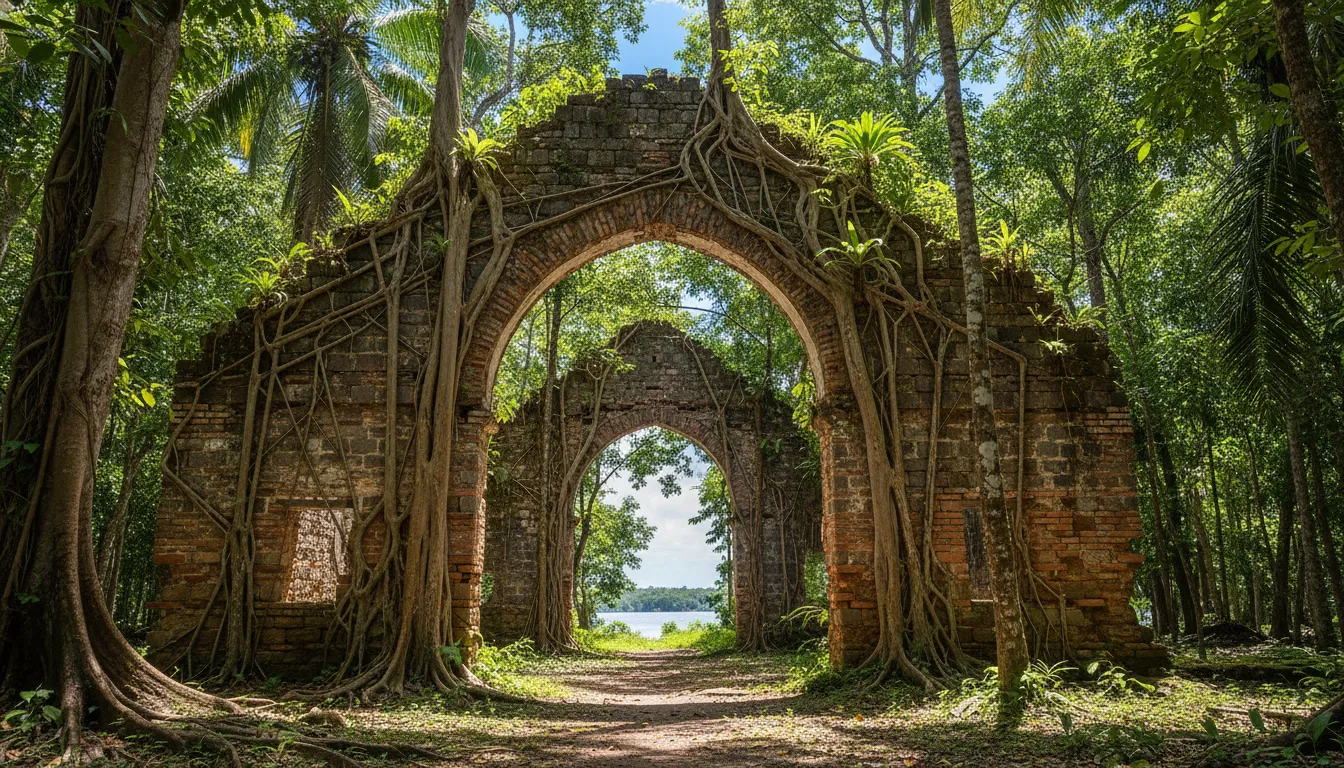
The centerpiece of the site is undoubtedly the **Beracha Ve Shalom Synagogue**. Built in 1685, it was the oldest synagogue in the Americas. While only the stone foundations, a grand set of steps, and remnants of its brick walls remain, you can still trace its impressive footprint. Imagine the community gathering here, their voices filling the air with prayers, hopes, and dreams, amidst the wild beauty of the rainforest. Standing within its silent, moss-covered walls, you'll feel a palpable connection to those who sought solace and community here centuries ago.
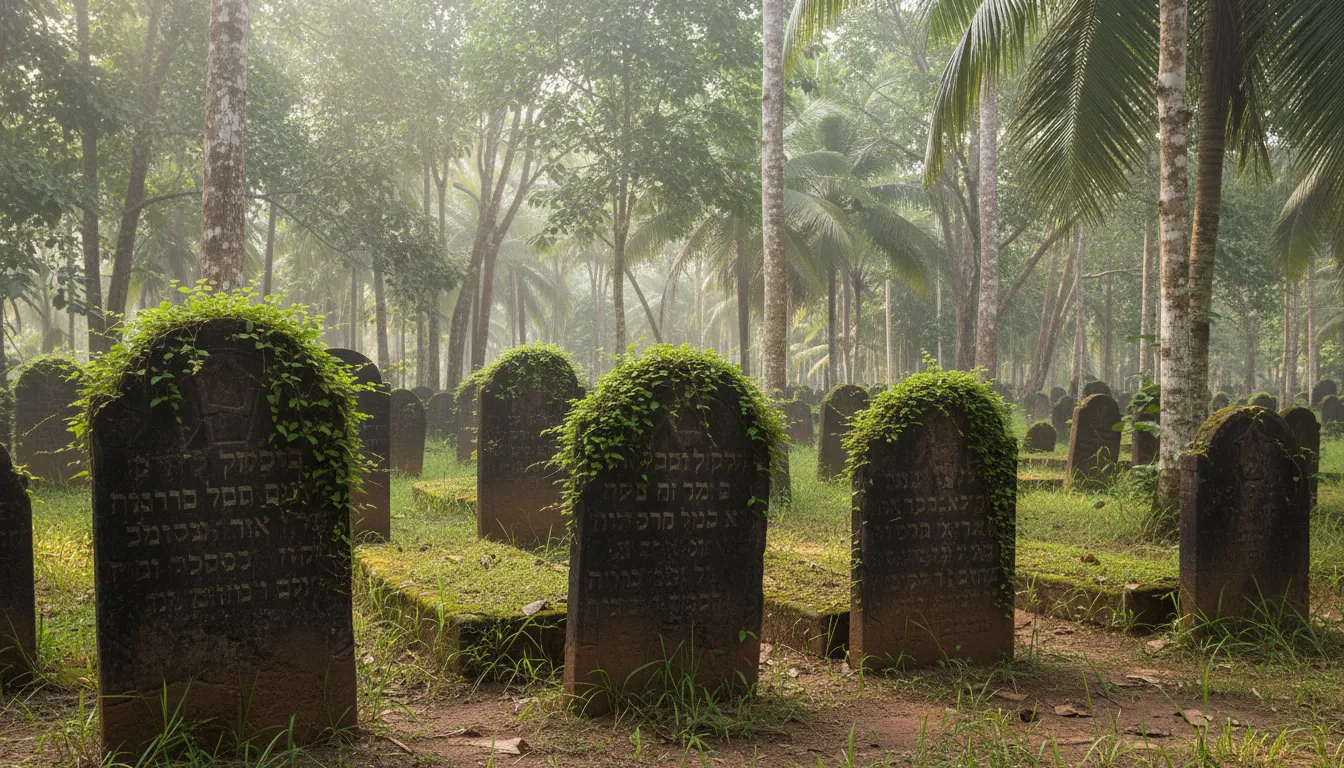
Adjacent to the synagogue is the **ancient cemetery**, perhaps the most poignant and well-preserved part of Jodensavanne. Here, hundreds of gravestones stand testament to the lives lived and lost. Many are intricately carved with Hebrew, Portuguese, and Dutch inscriptions, some dating back to the late 17th century. As you wander among them, deciphering names and dates, you'll uncover stories of prominent families, rabbis, and ordinary settlers who forged a new life in this distant land. The sheer volume and age of these stones are incredibly moving, a silent chronicle of a community that once thrived.
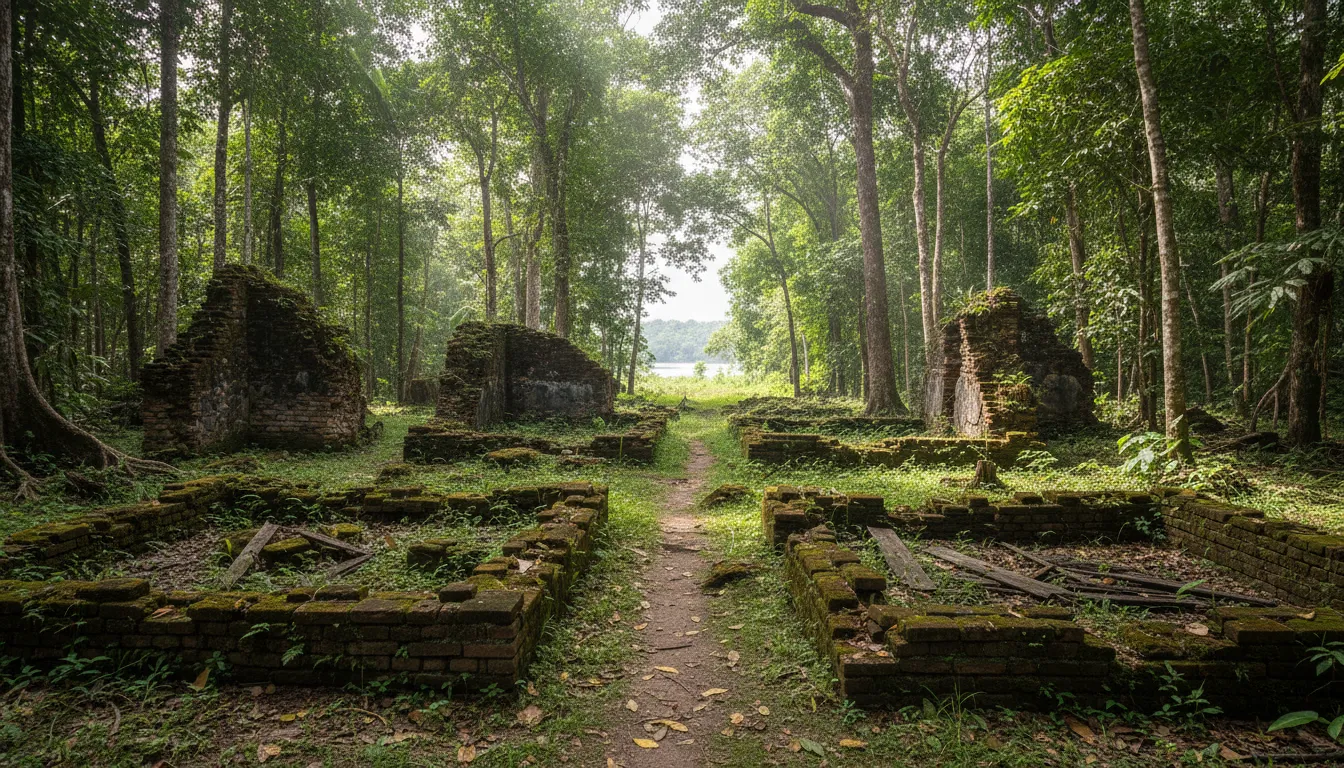
Beyond the synagogue and cemetery, you can discern the **foundations of former homes, wells, and other communal buildings** scattered throughout the area. These offer glimpses into the daily lives of the settlers, hinting at the layout of their town. The jungle, however, is a persistent architect, and many structures are now little more than raised earth or faint outlines beneath the undergrowth.
The journey itself is part of the allure. Traveling by boat up the Suriname River, you'll pass through pristine rainforest, spotting diverse wildlife and experiencing the natural beauty that first drew these settlers here. The tranquility of the site, broken only by the sounds of the jungle, invites contemplation and a deep appreciation for the resilience of the human spirit.
Practical Tips for Your Jodensavanne Adventure
Visiting Jodensavanne is an expedition, not just a casual day trip. Proper planning will ensure a memorable and comfortable experience.
Getting There
Jodensavanne is best accessed as part of an organized tour from Paramaribo, the capital of Suriname. Most tours involve a scenic drive followed by a boat trip up the Suriname River. The river journey itself is a highlight, offering stunning views of the rainforest and local life along the banks. Ensure your tour operator is reputable and provides a knowledgeable guide, as their insights will greatly enhance your understanding of the site.
Best Time to Visit
The dry seasons (roughly February to April and August to November) are generally the most comfortable times to visit. During these months, rainfall is lower, paths are less muddy, and mosquito activity might be slightly reduced. However, given its rainforest location, expect humidity and the possibility of rain year-round.
What to Bring
- **Sturdy Footwear:** You'll be walking on uneven, potentially muddy, and slippery paths. Closed-toe shoes with good grip are essential.
- **Insect Repellent:** This is non-negotiable. The rainforest is home to many insects, including mosquitoes.
- **Light, Long Clothing:** To protect against sun and insects.
- **Hat and Sunscreen:** Even under the canopy, sun exposure can be significant.
- **Plenty of Water:** Hydration is key in the tropical climate.
- **Camera:** You'll want to capture the unique beauty and historical significance of the site.
- **Small Backpack:** To carry your essentials.
- **Snacks:** Depending on your tour, lunch might be provided, but extra snacks are always a good idea.
Respect the Site
Jodensavanne is a historical and sacred site. Please treat it with respect. Do not disturb the ruins, touch the gravestones unnecessarily, or leave any litter behind. Stay on marked paths to protect both yourself and the delicate ecosystem.
Guided Exploration
While you can wander independently, a knowledgeable guide is invaluable. They can point out details you might otherwise miss, translate inscriptions, and bring the history of Jodensavanne to life with captivating stories. Many tours also include a visit to the nearby Redi Doti indigenous village, offering a broader cultural experience.
Jodensavanne is more than just ruins; it's a testament to human courage, faith, and the relentless march of time. It's a place that will linger in your memory long after you've left the rainforest, a powerful reminder of the hidden histories that shape our world. If you're ready to explore a truly unique corner of South America, one where the past whispers secrets through the jungle, then Jodensavanne awaits.
Essential Travel Information
- Location Jodensavanne (Joden Savanne), Suriname
- Best Time February-April, August-November (dry seasons)
- Getting There Typically by organized tour from Paramaribo, involving a drive and a scenic boat trip up the Suriname River.
- Airport Johan Adolf Pengel International Airport (PBM)
- Budget Mid-range (tour costs are the main expense, daily on-site costs are low)
- Language Dutch, Sranan Tongo, English
Find Places to Stay Near Jodensavanne (Joden Savanne)
Compare hotels, hostels, and unique stays in Suriname.
Search AccommodationTours & Experiences Near Jodensavanne (Joden Savanne)
Book guided tours, day trips, and unique experiences.
Browse Tours