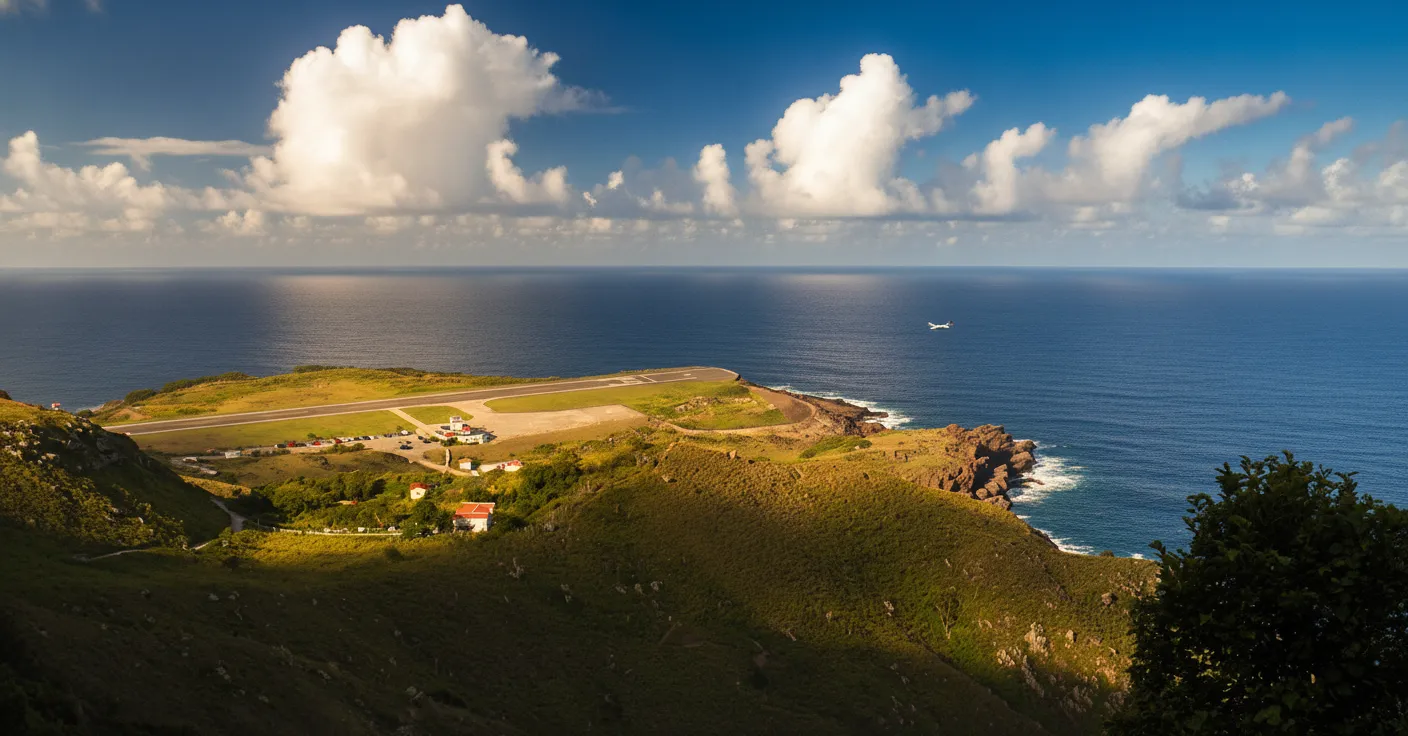
Imagine landing on a tiny island runway so perilously short it's flanked by towering cliffs and plunges directly into the sea on both ends. This isn't a scene from an action movie; it's a routine arrival at Juancho E. Yrausquin Airport on Saba, often dubbed the world's shortest commercial runway. For adventurers and aviation enthusiasts alike, this isn't just an airport; it's an adrenaline-pumping gateway to one of the Caribbean's most pristine, undeveloped, and utterly captivating islands. Forget sprawling terminals and endless taxiways; here, the journey begins with an unparalleled thrill, setting the tone for an extraordinary escape to the "Unspoiled Queen" of the Caribbean.
Nestled in the heart of the Caribbean Netherlands, Saba is a volcanic peak rising dramatically from the azure sea, a verdant jewel largely untouched by mass tourism. And its airport, with its mere 400 meters (1,312 feet) of asphalt, is the first indication that this island marches to the beat of its own drum. It's a functional, extraordinary piece of engineering, a testament to human ingenuity and the sheer determination of a small community to connect with the outside world. But beyond the sheer audacity of its existence, Juancho E. Yrausquin Airport offers a unique perspective on travel, reminding us that sometimes, the most challenging paths lead to the most rewarding destinations.
The World's Shortest Commercial Runway: An Engineering Marvel
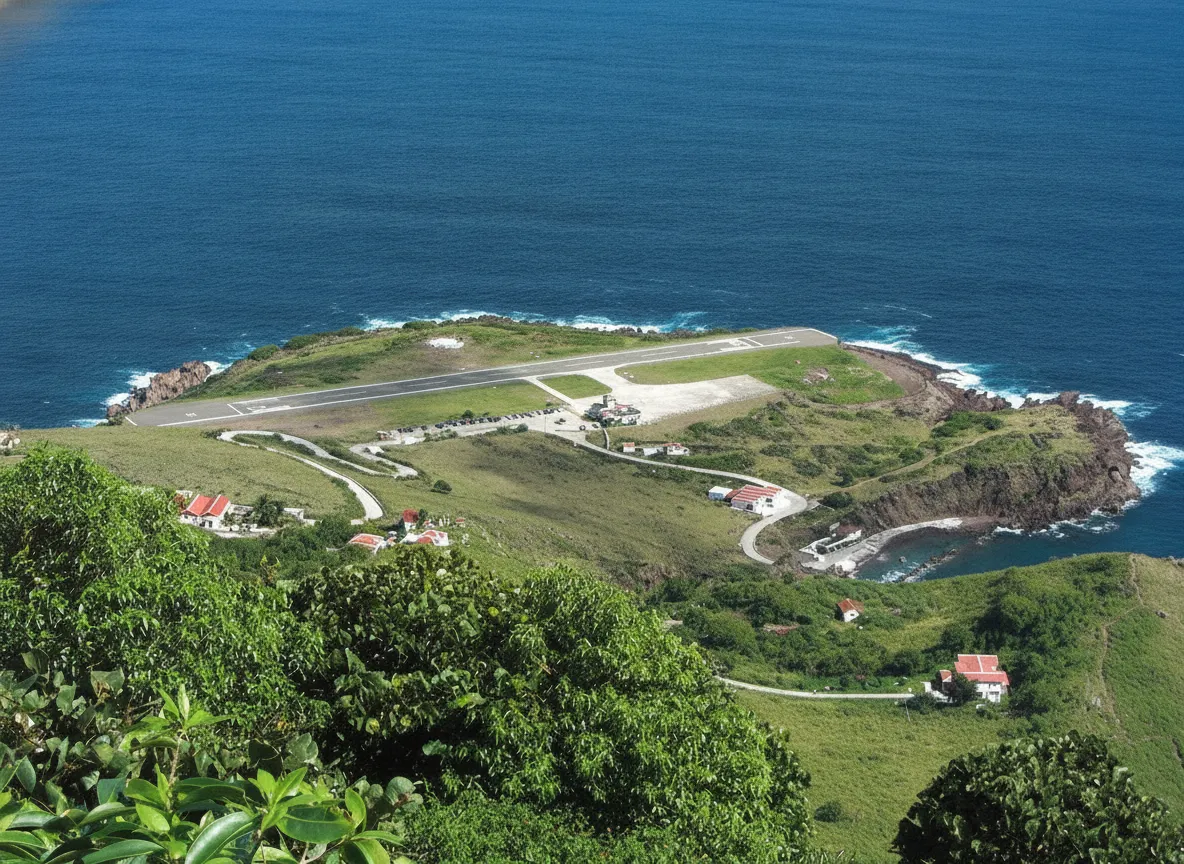
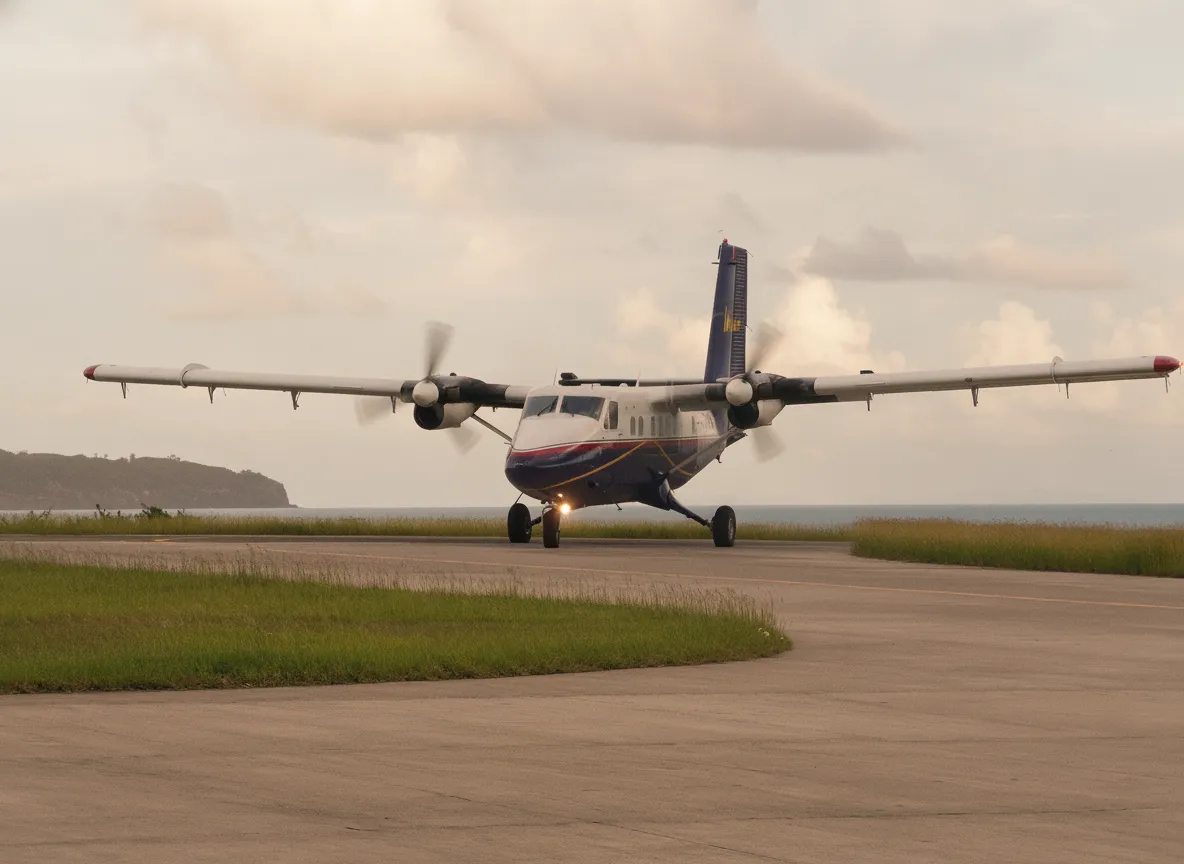
What makes Juancho E. Yrausquin Airport so special isn't just its length—or lack thereof—but the breathtaking drama of its location. Carved into the side of a cliff, the runway, officially designated TNCS by the ICAO, sits precariously close to the ocean. On one end, towering volcanic cliffs provide a natural barrier; on the other, the runway drops directly into the unforgiving sea. There's no room for error, no long stretches for a leisurely deceleration. This is precision flying at its absolute finest, and only specially trained and certified pilots are permitted to land here, primarily operating smaller STOL (Short Take-Off and Landing) aircraft like the Twin Otter.
The approach itself is legendary among pilots and passengers alike. As you descend, the island's lush, mountainous terrain fills your view, quickly followed by the startling realization of just how small that strip of asphalt really is. The aircraft banks sharply, aligning with the runway, and then, with a burst of power and a controlled, rapid descent, touches down with surprising grace. It's a ballet of engineering and skill, a controlled dive that often elicits gasps and cheers from first-time visitors. The departure is equally thrilling, as the plane accelerates quickly towards the cliff edge, lifting off just as the runway seems to vanish beneath you, offering a dramatic plunge-like sensation before soaring over the sparkling Caribbean waters.
This isn't just a gimmick; it's a vital lifeline. The airport's unique characteristics ensure that Saba remains exclusive, untouched by the larger jets that bring mass tourism to other islands. It preserves Saba's unique charm, its quietude, and its commitment to sustainable, eco-friendly tourism. For those who seek genuine escape, an encounter with nature, and a community that values its heritage, the journey through this remarkable airport is the perfect prelude.
A Brief History of Audacity and Determination
The story of Juancho E. Yrausquin Airport is one of incredible vision and perseverance. Before the airport, Saba was truly isolated, accessible only by a perilous boat journey to a small, often rough, rocky landing. The idea of building an airport on such a steep, rugged island seemed impossible to many. However, a determined local, Captain Remy de Haenen, a legendary aviator and adventurer, saw the potential. Despite initial skepticism from Dutch authorities who deemed it unfeasible, de Haenen, with the support of the local community, took matters into his own hands.
In the late 1950s and early 1960s, using rudimentary equipment and sheer willpower, the people of Saba, led by de Haenen and later with more formal government support, began carving out a flat strip of land on a plateau known as Flat Point. It was a monumental undertaking, requiring blasting rock, moving earth, and creating a level surface where none naturally existed. The runway officially opened in 1963, named after Juancho E. Yrausquin, a prominent Aruban politician who played a crucial role in securing funds for its construction. Its completion marked a new era for Saba, finally connecting it reliably to St. Maarten and the rest of the world, transforming its economy, and allowing for easier access to essential services and tourism.
This history is palpable when you arrive. You're not just landing at an airport; you're landing on a testament to a community's refusal to be defined by geographical limitations, a beacon of human spirit and engineering prowess.
Beyond the Runway: What You'll Discover on Saba
While the airport is undoubtedly a highlight, it's merely the introduction to the wonders of Saba. Once your feet are firmly on the ground, you'll discover an island that lives up to its "Unspoiled Queen" moniker. Saba is a diver's paradise, boasting some of the healthiest and most vibrant coral reefs in the Caribbean, protected by the Saba National Marine Park. Underwater pinnacles, volcanic vents, and an abundance of marine life—from colorful reef fish to sharks and sea turtles—await exploration. The water clarity is often exceptional, making for truly world-class diving and snorkeling experiences.
Above sea level, Saba is equally captivating. Dominated by the dormant volcano Mount Scenery, which at 887 meters (2,910 feet) is the highest point in the entire Kingdom of the Netherlands, the island offers incredible hiking opportunities. Lush rainforests cloak the slopes, home to diverse flora and fauna. The climb to the summit of Mount Scenery involves traversing 1,064 hand-carved steps, a challenging but incredibly rewarding trek that culminates in breathtaking panoramic views of the island and its neighboring Caribbean gems.
Saba's charm also lies in its four picturesque villages: The Bottom (the capital), Windwardside, Hell's Gate, and St. John's. Each village, with its quaint red-roofed cottages, white gingerbread trim, and meticulously manicured gardens, seems to spill down the mountainside. Windwardside, often considered the heart of the tourism sector, offers charming boutiques, art galleries, and restaurants. The Bottom, nestled in a valley, features the Saba University School of Medicine and a more local vibe. There are no sprawling resorts, no casinos, and famously, no sandy beaches. Instead, you'll find intimate guesthouses, friendly locals, and a profound sense of peace and community.
Life on Saba moves at a gentler pace. Days are spent exploring nature, diving into crystal-clear waters, enjoying delicious local cuisine, or simply relaxing and soaking in the stunning vistas. It's an island where you can truly disconnect from the hustle and bustle, reconnect with nature, and experience a Caribbean that feels authentically preserved.
Practical Tips for Your Saba Adventure
Ready to experience the thrill of Saba? Here’s what you need to know to plan your visit:
-
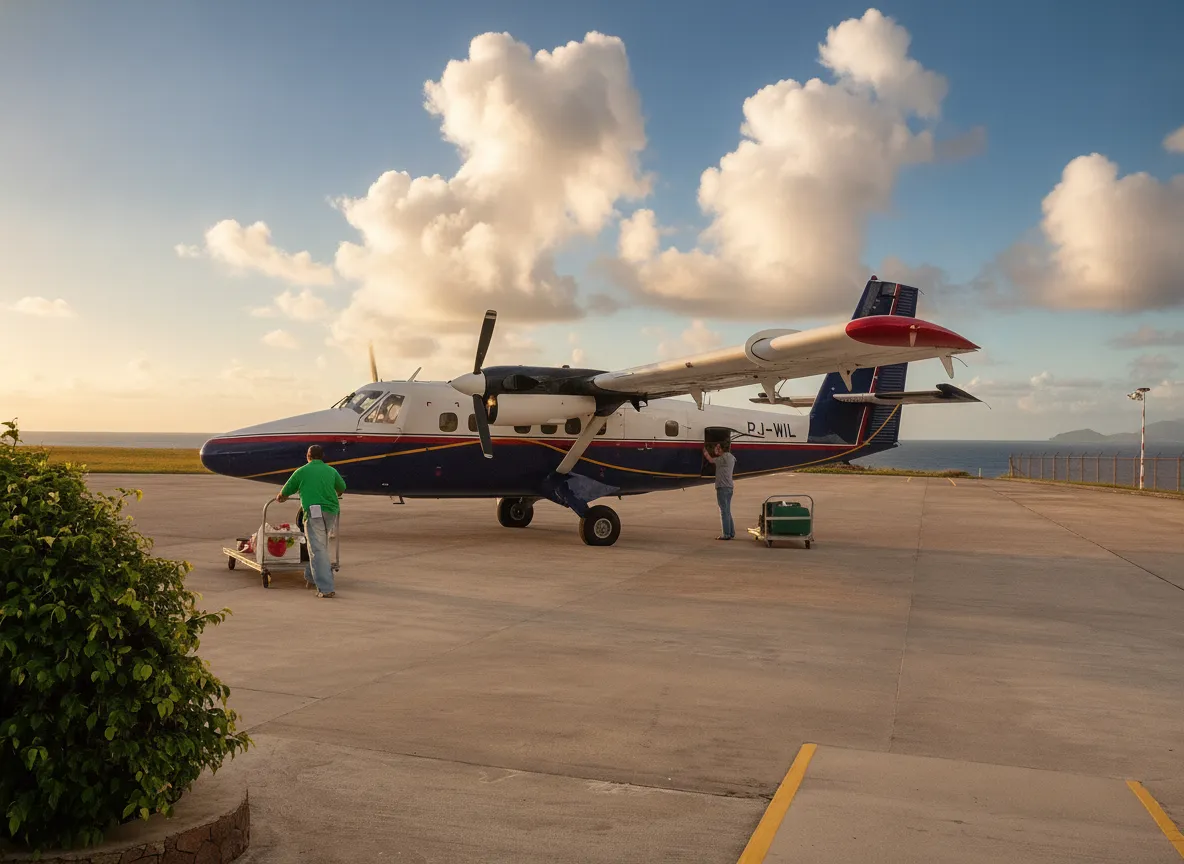
Getting There: The most common way to reach Saba is by flying Winair from Princess Juliana International Airport (SXM) on St. Maarten. The flight is a quick, exhilarating 12-minute hop. Alternatively, you can take the Makana ferry from St. Maarten, which offers a scenic (and sometimes adventurous) 90-minute sea journey.
-
Accommodation: Saba offers a range of intimate accommodations, from charming boutique hotels and guesthouses to private villas. Options like Queen's Gardens Resort, Juliana's Hotel, and Ecolodge Rendez-Vous provide unique experiences, often with stunning views.
-
Getting Around: The "Road," Saba's only significant thoroughfare, winds its way up and down the steep slopes. Taxis are readily available and are the most convenient way to get around. You can also rent a car, but be prepared for steep inclines and sharp turns. Many trails are walkable, especially within and between villages.
-
Activities: Diving and hiking are the main draws. Book dive trips with one of the island's reputable dive shops. Explore the numerous hiking trails, from easy strolls to challenging climbs like Mount Scenery. Visit the Saba National Museum, browse local art, and enjoy the tranquility of the botanical garden.
-
Dining: Enjoy fresh seafood, local specialties, and international cuisine at Saba's charming restaurants. Don't miss out on trying local dishes like goat stew or fresh-caught fish.
-
Best Time to Visit: The dry season, from December to May, offers the most pleasant weather with less rain and comfortable temperatures. This is also peak tourist season.
-
Currency & Language: The official currency is the US Dollar (USD). English is universally spoken and is the primary language, though Dutch is also an official language.
-
What to Pack: Light clothing, swimwear, sturdy hiking shoes, reef-safe sunscreen, insect repellent, and a camera to capture the stunning scenery are essentials.
Saba and its extraordinary airport offer more than just a destination; they offer an experience. It's a place where the journey is as memorable as the arrival, where nature reigns supreme, and where the human spirit of adventure is celebrated. If you're seeking a hidden gem, a true escape from the ordinary, and a story to tell for years to come, then Juancho E. Yrausquin Airport and the island of Saba are calling your name. Prepare for an adventure that begins before you even touch down.
Essential Travel Information
- Location Juancho E. Yrausquin Airport, Netherlands
- Best Time December to May (dry season)
- Getting There Fly from St. Maarten (SXM) via Winair (12 min flight) or take the Makana ferry (90 min).
- Airport Princess Juliana International Airport (SXM) - St. Maarten (for connecting flights)
- Budget Mid-range to Luxury (approx. $150-$400+ per day, depending on accommodation and activities)
- Language English (primary), Dutch (official)
Find Places to Stay Near Juancho E. Yrausquin Airport
Compare hotels, hostels, and unique stays in Netherlands.
Search AccommodationTours & Experiences Near Juancho E. Yrausquin Airport
Book guided tours, day trips, and unique experiences.
Browse Tours