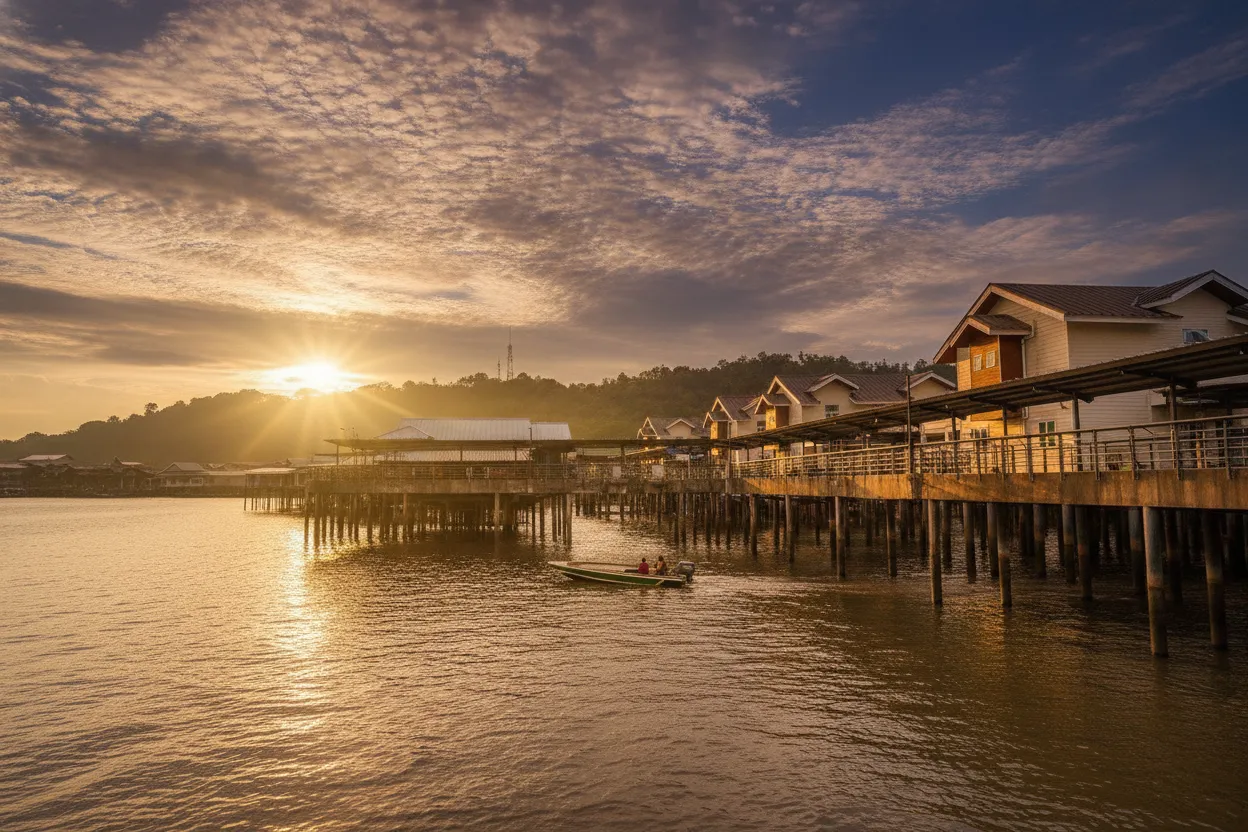
Imagine discovering a world where the very ground beneath your feet is water, where an entire bustling city thrives not on land, but on a sprawling network of homes, schools, and mosques, all suspended above a river. This isn't a scene from a fantasy novel; it's Kampong Ayer, a living, breathing 'water city' in Brunei that has defied conventional urban planning for over a millennium. Prepare to have your perceptions of community, infrastructure, and human adaptation utterly transformed, because this isn't just a quaint village – it's the world's largest water settlement, a vibrant testament to ingenious living.
From the moment you approach its shores, the sheer scale of Kampong Ayer is breathtaking. Thousands of residents call this intricate labyrinth of stilt-supported structures home, navigating their daily lives across wooden walkways and the ever-present water taxis that crisscross the Brunei River. Far from being rudimentary, this historical marvel boasts modern amenities like electricity, internet, and even its own dedicated fire stations, all seamlessly integrated into a unique aquatic landscape. It’s a place where tradition meets modernity in the most unexpected and fascinating way, offering a glimpse into a truly one-of-a-kind cultural experience.
Kampong Ayer: The World's Largest Water City Unveiled
What makes Kampong Ayer truly special isn't just its age or its unique construction; it's the vibrant, resilient community that calls it home. This isn't a museum piece or a tourist façade; it's a fully functional, dynamic urban centre. Step onto its wooden planks, and you’re immediately immersed in the rhythm of daily life. Children dash to school, vendors sell snacks from their water-level kitchens, and families gather on their verandas, the gentle lapping of the river a constant soundtrack to their existence. It's an ecosystem of human activity, where every structure, from a humble home to a grand mosque, is interconnected, creating a sense of unity rarely found in land-based cities.
The ingenuity behind Kampong Ayer is truly astounding. Every building, from multi-story residences to public facilities, rests on sturdy stilts driven deep into the riverbed. Beneath the wooden floorboards, a hidden world of plumbing, electrical wiring, and internet cables ensures that life here is as comfortable and connected as anywhere on land. You'll find healthcare clinics, police stations, and even petrol stations for the water taxis – all floating or stilt-supported. This harmonious blend of traditional architecture with contemporary necessities showcases a remarkable adaptability and a profound understanding of living with, rather than against, nature. It's a marvel of sustainable urban planning, decades, if not centuries, ahead of its time.
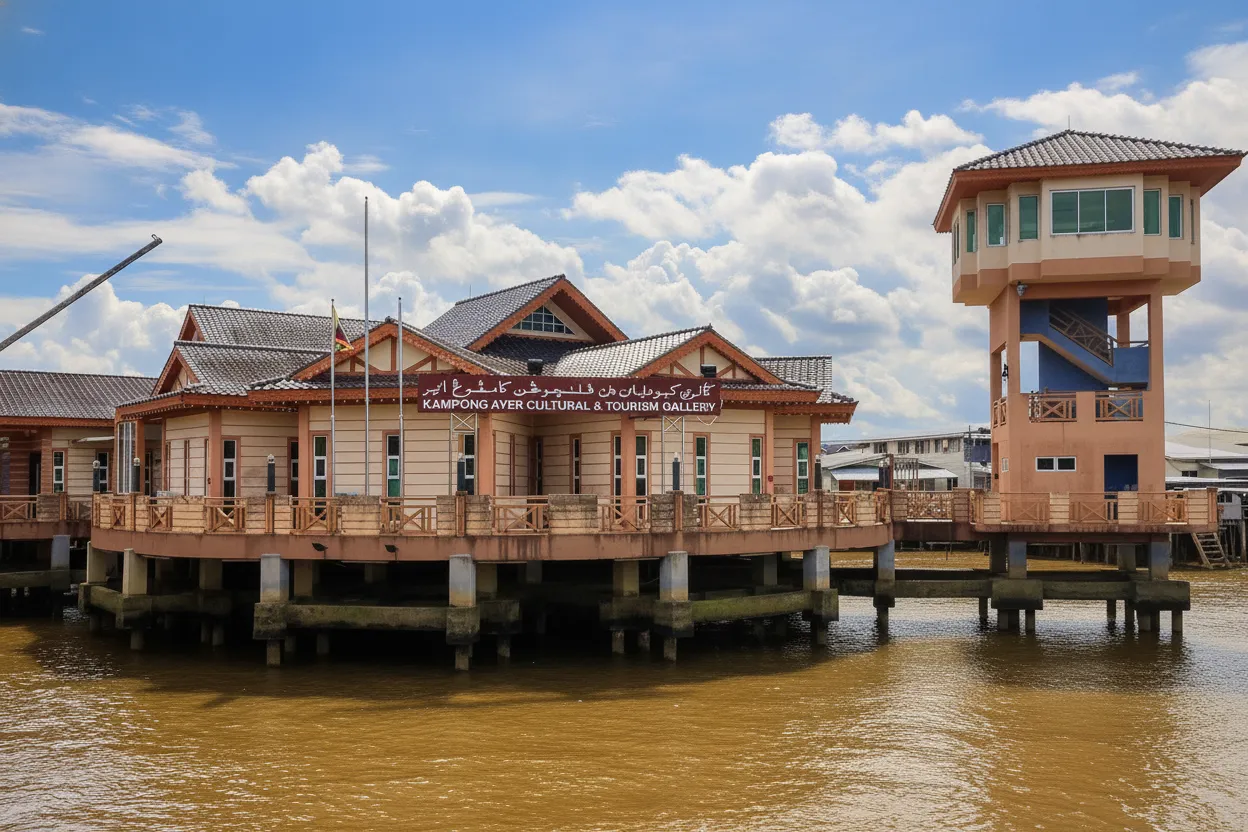
A Millennium of Life on Water: The History of Kampong Ayer
To truly appreciate Kampong Ayer, one must understand its deep roots in history. This isn't a recent development; its origins stretch back over a thousand years, making it one of the oldest and most continuously inhabited water settlements in the world. Historical accounts from as early as the 10th century describe a thriving 'water city' in Brunei, a testament to the enduring spirit of its people. When Ferdinand Magellan's fleet arrived in Brunei in 1521, his chronicler, Antonio Pigafetta, famously described Kampong Ayer as a city of "25,000 families" built entirely over water, marveling at its size and sophistication. He called it the "Venice of the East," a nickname that, while evocative, perhaps doesn't fully capture the unique Bruneian character of this place.
For centuries, Kampong Ayer served as the heart of the powerful Brunei Sultanate, a vital hub for trade, culture, and governance. Its strategic location on the river offered natural defenses and easy access for maritime trade, contributing significantly to Brunei's historical prosperity. Generations have lived, loved, and learned within its wooden confines, passing down traditions and maintaining a unique way of life that has resisted the pull of modern land-based development. Even today, despite the availability of modern housing on land, many residents choose to remain in Kampong Ayer, preserving a heritage that is as much a part of their identity as the water beneath their homes. It’s a living museum, where history isn’t just told; it’s lived every single day.
What to See and Experience in Brunei's Water Village
Visiting Kampong Ayer is an experience for all senses. Your adventure typically begins with a thrilling, short water taxi ride from the Bandar Seri Begawan waterfront. These nimble, brightly painted boats are the lifeblood of the community, ferrying residents and visitors alike across the river, offering the perfect vantage point to take in the sheer scale of the village as you approach. Once you step onto the wooden walkways, you're free to explore. Wander through the labyrinthine paths, and you'll encounter a captivating tapestry of daily life. Wave to friendly locals, watch children play in the communal areas, and perhaps even catch a glimpse of traditional crafts being made.
Don't miss the opportunity to visit some of the public buildings, such as the local schools or mosques, which offer further insight into the community's structure. Many residents are incredibly welcoming and proud of their heritage; you might even be invited into a home for a cup of tea and a chat, a truly authentic cultural exchange. For a deeper dive, consider hiring a local guide who can share personal stories and historical anecdotes, enriching your understanding of this extraordinary place. There are also several small museums dedicated to Kampong Ayer's history and culture, offering fascinating exhibits and artifacts. As you explore, keep an eye out for the vibrant colors of the homes, the intricate designs on the wooden structures, and the endless activity on the water – from fishing boats to children swimming. Every turn offers a new discovery, a new perspective on life lived uniquely.
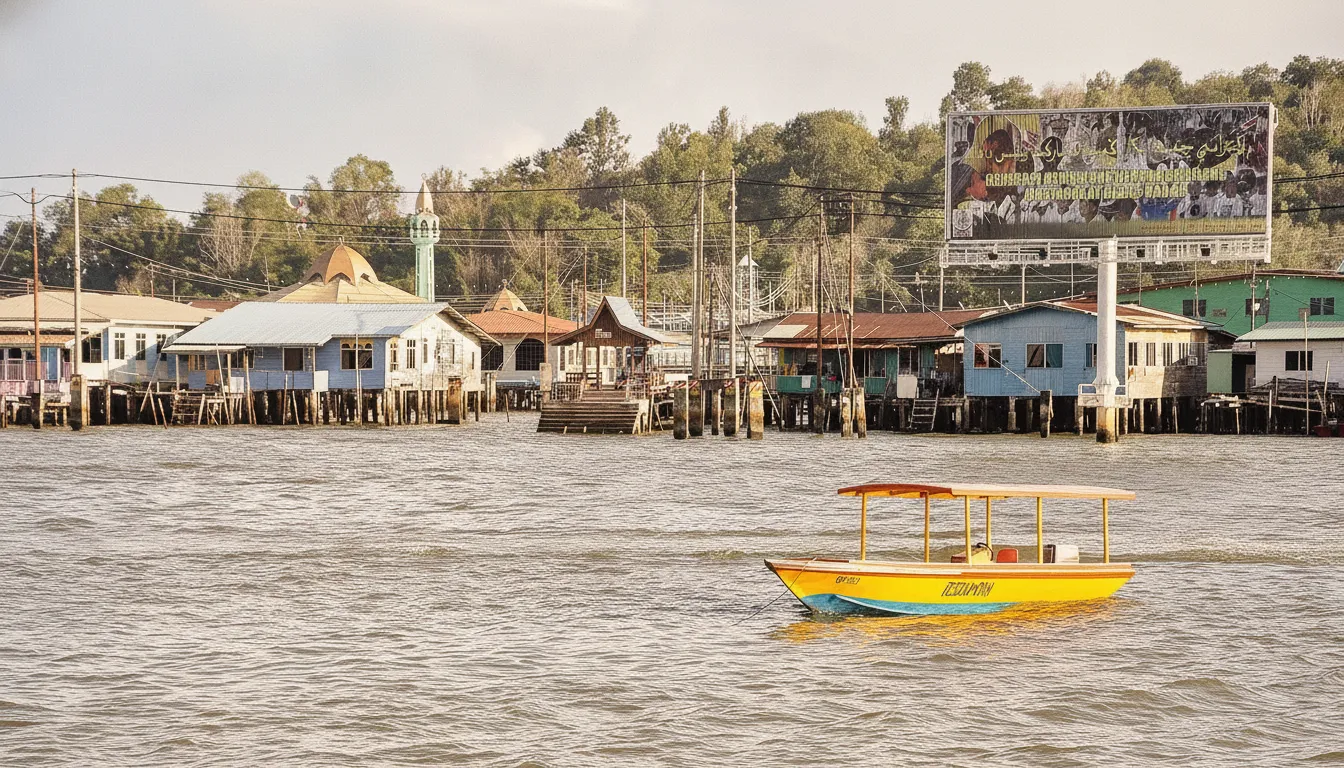
For those seeking a truly immersive experience, some local tour operators offer homestays or cooking classes within Kampong Ayer, allowing you to connect with the community on an even deeper level. Imagine waking up to the gentle sounds of the river, sharing a meal prepared with local ingredients, and learning about the customs and traditions directly from the residents. It’s an opportunity to move beyond mere observation and become a temporary part of this incredible water world. Remember to be respectful of local customs and privacy as you explore, and always ask permission before taking photographs of individuals. The best way to appreciate Kampong Ayer is with an open heart and a curious mind.
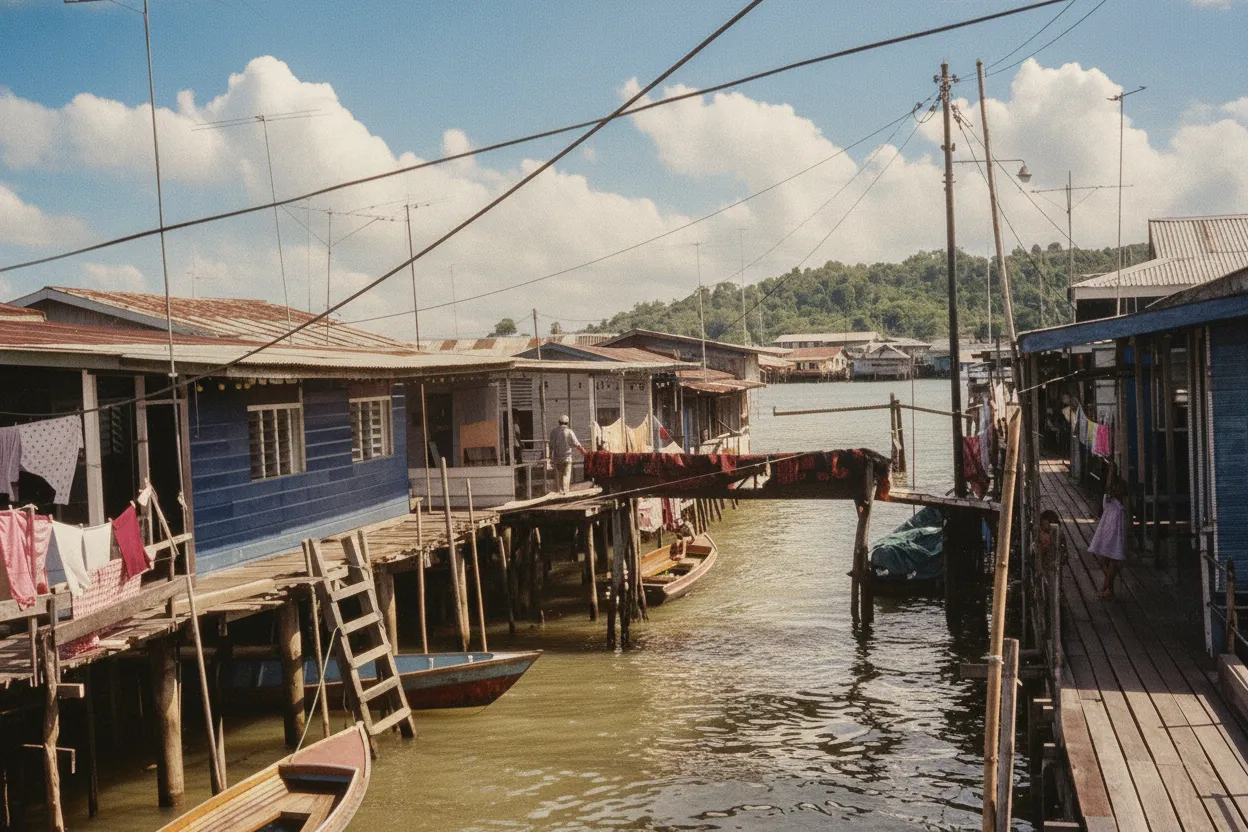
Planning Your Visit to Kampong Ayer: Tips for an Unforgettable Trip
Visiting Kampong Ayer is remarkably straightforward and accessible. The primary gateway is Bandar Seri Begawan, Brunei's capital. From the waterfront promenade, you'll easily spot the brightly colored water taxis (local term: "perahu") waiting to ferry passengers. A short, exhilarating ride costing just a few Brunei dollars will whisk you across the river directly into the heart of Kampong Ayer. Many boatmen also offer guided tours, taking you around the perimeter of the village and then dropping you off to explore the walkways on foot. Negotiate the price beforehand for tours, but standard point-to-point fares are usually fixed and very affordable.
The best time to visit Brunei, and consequently Kampong Ayer, is during the dry season, which typically runs from March to October. While Brunei experiences tropical weather year-round, these months offer more sunshine and less rainfall, making for more comfortable exploration. Dress modestly, especially if you plan to visit a mosque or are invited into a local home; light, breathable clothing that covers shoulders and knees is advisable. Wear comfortable walking shoes, as you'll be navigating wooden planks, some of which can be uneven. Carry local currency (Brunei Dollar, interchangeable with Singapore Dollar) for water taxi fares and any purchases from local vendors. Most importantly, bring your sense of adventure and a genuine curiosity to engage with one of the world's most unique and enduring communities. Kampong Ayer isn't just a destination; it's an experience that will stay with you long after you've left its watery embrace.
So, if you're seeking a travel experience that transcends the ordinary, a place where history, culture, and ingenious living converge in a truly spectacular fashion, then Kampong Ayer awaits. It's more than just a place to visit; it's a story to live, a testament to human resilience and creativity that continues to thrive against the currents of time. Don't just imagine a water city – come and discover it for yourself.
Essential Travel Information
- Location Kampong Ayer, Brunei
- Best Time March to October (dry season)
- Getting There Take a short water taxi from the waterfront promenade in Bandar Seri Begawan, Brunei's capital.
- Airport Brunei International Airport (BWN)
- Budget Mid-range (approx. $50-100 USD daily for basic accommodation, food, and transport)
- Language Malay (official), English (widely spoken)
Find Places to Stay Near Kampong Ayer
Compare hotels, hostels, and unique stays in Brunei.
Search AccommodationTours & Experiences Near Kampong Ayer
Book guided tours, day trips, and unique experiences.
Browse Tours