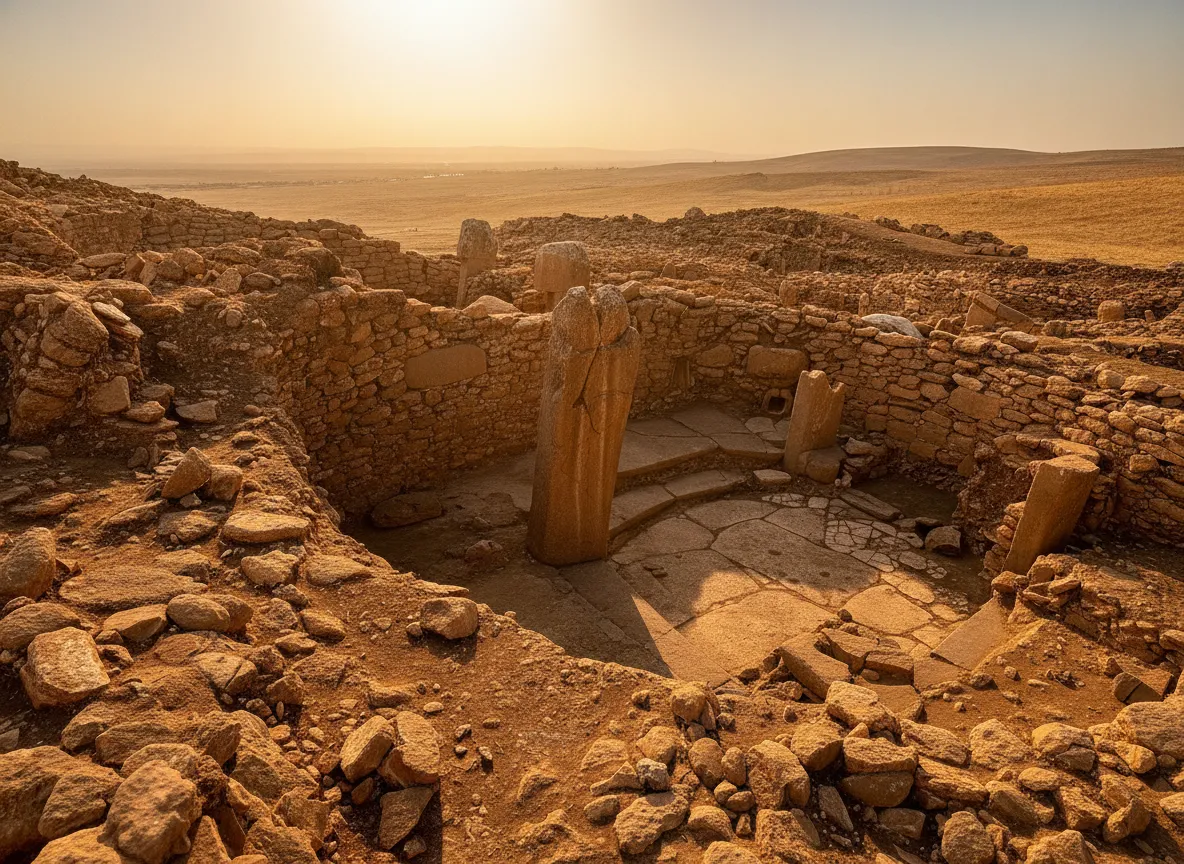
Imagine a world millennia before the first cities rose, before agriculture took root, and before humanity was thought capable of grand architectural feats. A profound and enigmatic society, defying all conventional historical timelines, carved monumental pillars and strikingly realistic human forms into the Anatolian bedrock. This isn't a forgotten myth, but a tangible reality emerging from the dust of ages in southeastern Turkey, challenging everything we thought we knew about early human civilization. Welcome to Karahan Tepe, a site so ancient, so sophisticated, it promises to rewrite the very origins of our species' complex spiritual and social life.
What Makes Karahan Tepe Special?
In a region already famed for the mind-bending antiquity of Göbekli Tepe, Karahan Tepe emerges as an even older, equally awe-inspiring sibling. Discovered in 1997 and still undergoing intensive excavation, Karahan Tepe is a Neolithic marvel dating back over 11,000 years to the Pre-Pottery Neolithic A period. Its significance lies not just in its staggering age, but in what it reveals about the sophisticated capabilities of hunter-gatherer communities long before the dawn of farming and settled urban life.
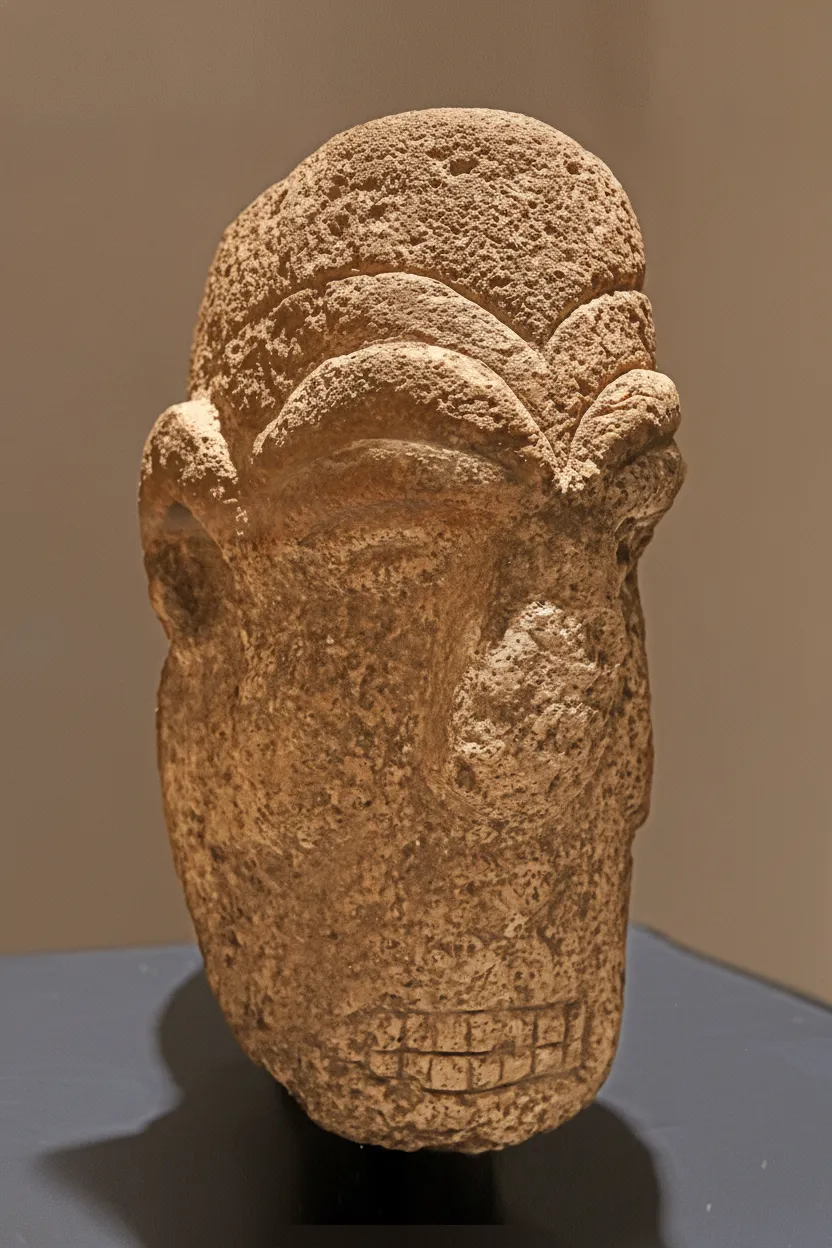
What sets Karahan Tepe apart is its sheer scale and the incredible artistry of its creators. Archaeologists have uncovered a vast complex featuring over 250 T-shaped megalithic pillars, reminiscent of those at Göbekli Tepe but often larger and more numerous. These pillars, some reaching several meters in height, are not merely structural; many are adorned with intricate carvings of animals, symbols, and strikingly realistic human heads. This isn't crude, nascent art; it's the work of a highly organized society with a clear spiritual or ritualistic purpose, capable of monumental construction using only primitive tools.
The very existence of Karahan Tepe forces historians and archaeologists to fundamentally reconsider the timeline of human development. It suggests that complex social structures, organized religion, and monumental architecture didn't wait for the stability of agriculture but were, perhaps, catalysts for it. These hunter-gatherers weren't just surviving; they were thriving, building, and creating a sacred landscape that speaks volumes about their worldview and spiritual beliefs.
A Glimpse into the Deep Past: History and Significance
The story of Karahan Tepe is still being written, literally, as archaeologists carefully unearth its secrets. Situated within the Taş Tepeler project area in Şanlıurfa Province, it's part of a cluster of prehistoric sites that are collectively redefining our understanding of humanity's past. The site dates back to roughly 9,500 BCE, placing it firmly in the Pre-Pottery Neolithic A period, making it one of the oldest known examples of monumental architecture on Earth.
Before these discoveries, it was widely believed that complex societies, permanent settlements, and monumental structures only emerged after the adoption of agriculture. The stability and surplus provided by farming were thought to be prerequisites for such endeavors. Karahan Tepe, much like Göbekli Tepe, shatters this paradigm. It demonstrates that hunter-gatherer communities, far from being simple or nomadic, possessed the organizational skills, shared belief systems, and communal effort necessary to conceive and execute projects on an epic scale.
What drove these ancient people to invest such immense effort in building these complexes? While the full answers remain elusive, the prevailing theory points towards a profound spiritual or ritualistic motivation. These sites likely served as gathering places, ceremonial centers, or even astronomical observatories, where communities from across the region converged to celebrate, mourn, or connect with the divine. The carvings of animals—snakes, birds, wild boars—suggest a deep connection to the natural world and perhaps animistic beliefs, while the human representations hint at a developing understanding of human identity and spirituality.
The implications are immense: perhaps the need for spiritual congregation and ritual was a driving force behind the eventual transition to settled life and agriculture, rather than the other way around. Karahan Tepe offers a tantalizing window into the minds of our ancestors, revealing a richness of thought and culture that predates our conventional historical narratives by millennia.
What You'll See at Karahan Tepe
A visit to Karahan Tepe is an immersive journey into a world barely comprehensible in its antiquity. As you walk among the unearthed structures, you'll be struck by the sheer scale of the endeavor. The site features multiple enclosures, similar to those at Göbekli Tepe, though often larger and more deeply buried. The most prominent features are the hundreds of T-shaped pillars, carved directly from the bedrock or transported and erected, forming circular and rectangular structures. Many of these pillars appear anthropomorphic, their "heads" forming the T-bar, suggesting they represent stylized human or divine figures.
One of the most captivating discoveries is a chamber carved directly into the bedrock, featuring a breathtaking array of human heads. These aren't abstract representations; they are strikingly realistic, almost portrait-like, with distinct facial features. They appear to be part of a procession or assembly, gazing out from the ancient stone, inviting speculation about their purpose: ancestors, deities, or perhaps a representation of the community itself.
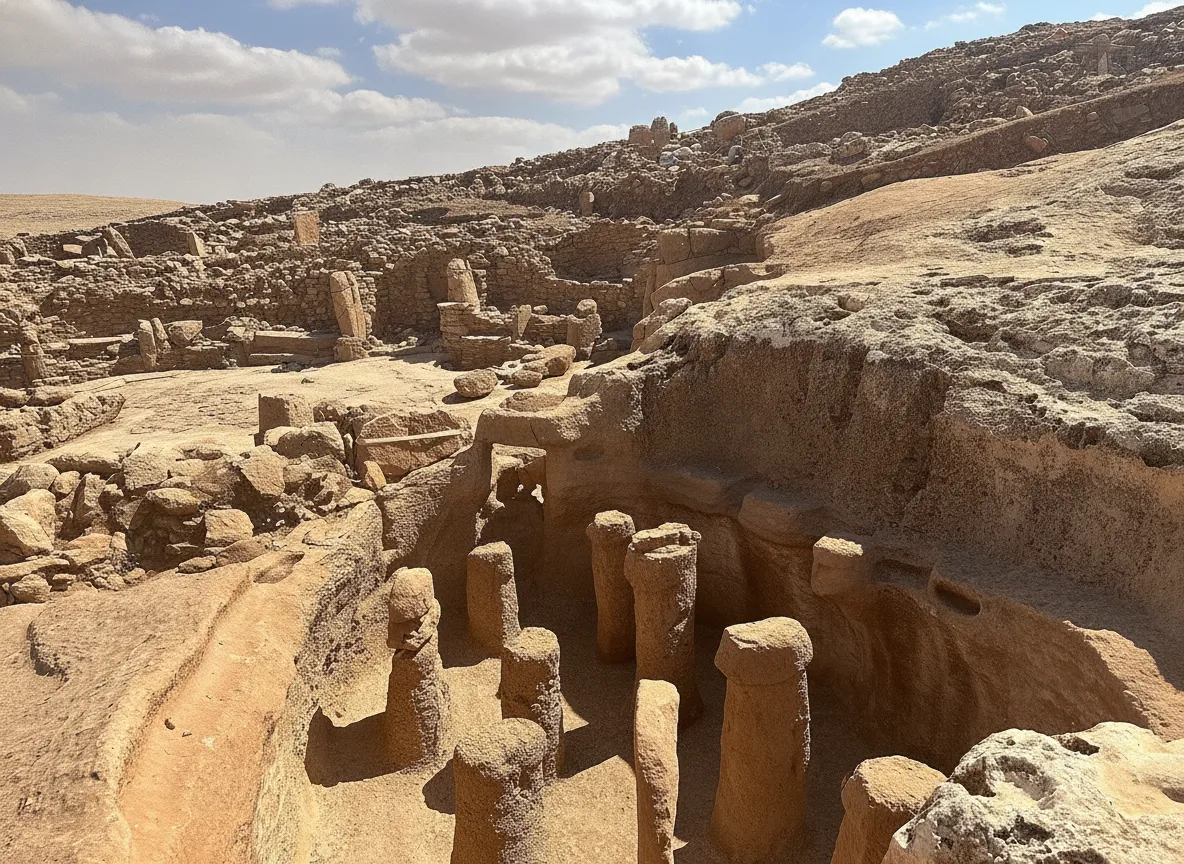
Another remarkable find is a prominent phallic structure, carved with undeniable intent, standing as a powerful symbol. Its presence suggests a strong emphasis on fertility, life, and perhaps creation in the spiritual beliefs of these ancient people. Surrounding this, and throughout the site, you’ll find exquisite carvings of various animals—snakes coiling around pillars, birds taking flight, and predatory beasts—all rendered with remarkable precision and vitality, indicating a sophisticated artistic tradition.
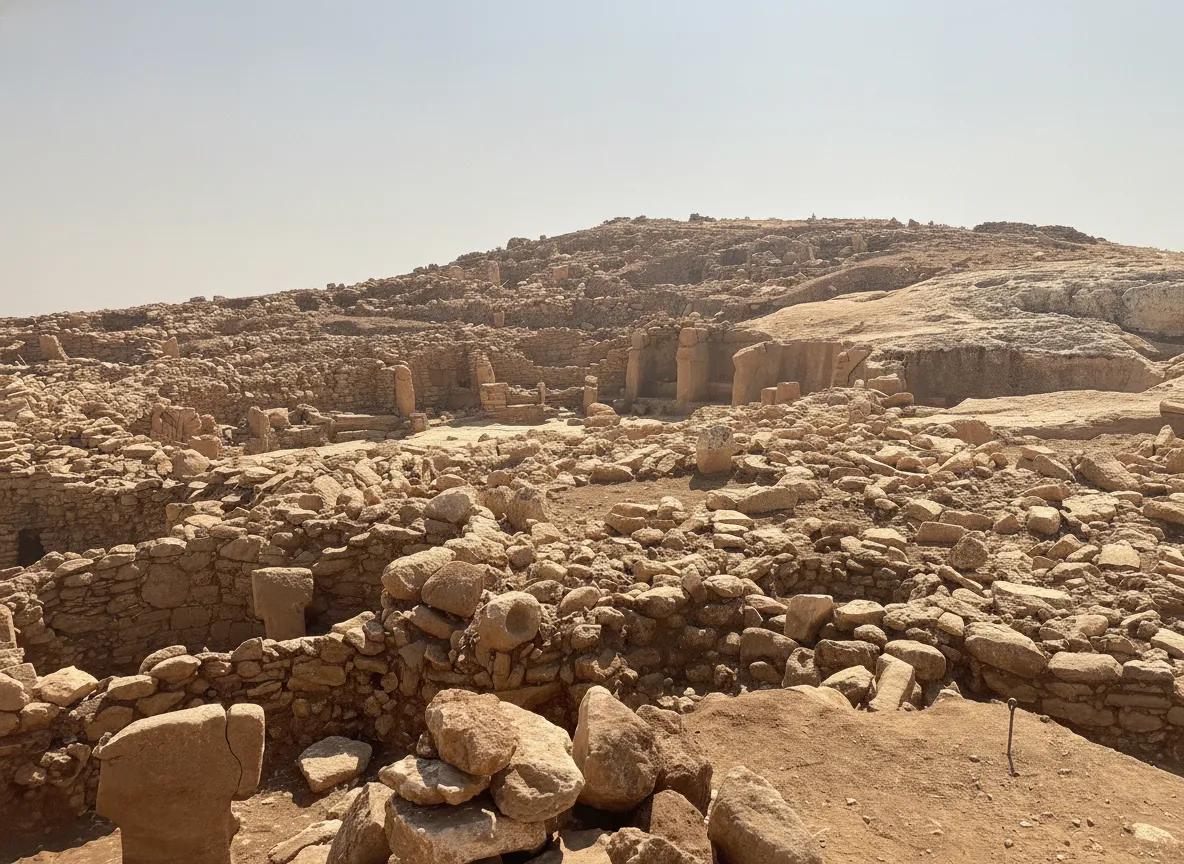
Because Karahan Tepe is an active archaeological site, you'll experience it in a raw, authentic state. There are no elaborate visitor centers or manicured paths; instead, you'll see archaeologists at work, carefully brushing away layers of earth, revealing new secrets with every season. This provides a unique opportunity to witness history being uncovered firsthand, making the experience even more profound and personal.
Planning Your Journey to the Cradle of Civilization
Visiting Karahan Tepe is an adventure, a pilgrimage to humanity's deep past. While it's becoming more accessible, it still retains an off-the-beaten-path charm that rewards the intrepid traveler.
Best Time to Visit: The Şanlıurfa region experiences hot summers and cold winters. The ideal times to visit are spring (April-May) and autumn (September-October), when temperatures are pleasant, and the landscape is at its most beautiful. Avoid July and August if possible, as temperatures can soar.
How to Get There: Karahan Tepe is located approximately 75 kilometers (47 miles) southeast of Şanlıurfa city. The most convenient way to reach the site is by renting a car or hiring a private taxi with a driver from Şanlıurfa. Alternatively, many local tour operators offer guided day trips that often combine Karahan Tepe with Göbekli Tepe and other nearby historical sites, providing valuable context and hassle-free transportation.
Nearest Airport: The nearest major airport is Şanlıurfa GAP Airport (SFQ), which has regular domestic flights from Istanbul and Ankara. From the airport, you can take a shuttle or taxi to Şanlıurfa city center.
Accommodation and Budget: Şanlıurfa city offers a range of accommodation options, from budget-friendly guesthouses to comfortable boutique hotels. As the site itself is remote, you'll base yourself in the city. A mid-range budget for a day trip from Şanlıurfa, including transport and a guide, would typically range from $100-$200 USD, depending on group size and services.
Practical Tips:
- Wear comfortable walking shoes, as you'll be traversing uneven terrain.
- Bring plenty of water, especially during warmer months, as facilities at the site are minimal.
- Sun protection (hat, sunscreen) is essential.
- Consider hiring a local guide. Their insights can bring the ancient stones to life and deepen your understanding of the site's significance.
- Respect the ongoing archaeological work and follow any posted guidelines.
Karahan Tepe is more than just an archaeological site; it's a profound experience that challenges our perceptions of history and humanity's earliest achievements. It's a place where the veil between the present and a distant, enigmatic past feels incredibly thin, inviting you to ponder the mysteries of our ancestors and the enduring human spirit of creation and worship. Don't just read about history; step into it at Karahan Tepe.
Essential Travel Information
- Location Karahan Tepe, Turkey
- Best Time April-May, September-October (Spring and Autumn)
- Getting There Rent a car or hire a private taxi from Şanlıurfa city. Guided tours are also available from Şanlıurfa.
- Airport Şanlıurfa GAP Airport (SFQ)
- Budget Mid-range (approx. $70-150 USD per day excluding international flights, including local transport and basic accommodation/food)
- Language Turkish
Find Places to Stay Near Karahan Tepe
Compare hotels, hostels, and unique stays in Turkey.
Search AccommodationTours & Experiences Near Karahan Tepe
Book guided tours, day trips, and unique experiences.
Browse Tours