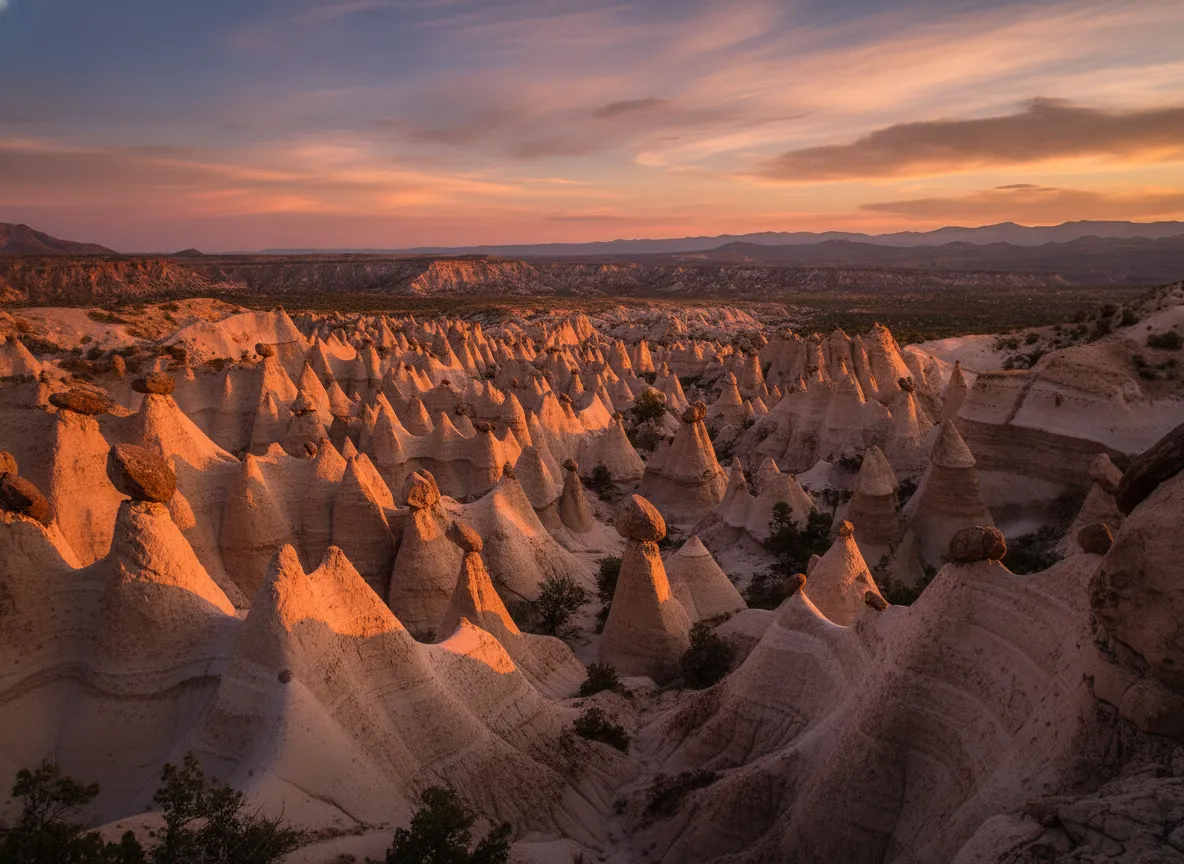
Imagine a landscape where volcanic ash has sculpted an entire valley into a surreal forest of towering, cone-shaped 'tent' rocks, each capped with a balancing boulder. This isn't a scene from a sci-fi movie or a dreamscape born from an artist's wildest imagination. This is Kasha-Katuwe Tent Rocks National Monument, a breathtaking testament to millions of years of geological artistry, hidden away in the high desert of New Mexico. If you're yearning for an adventure that feels truly out of this world, a journey to Kasha-Katuwe will transport you to a place so peculiar and magnificent, you'll swear you've stepped onto another planet.
What Makes Kasha-Katuwe Tent Rocks So Special?
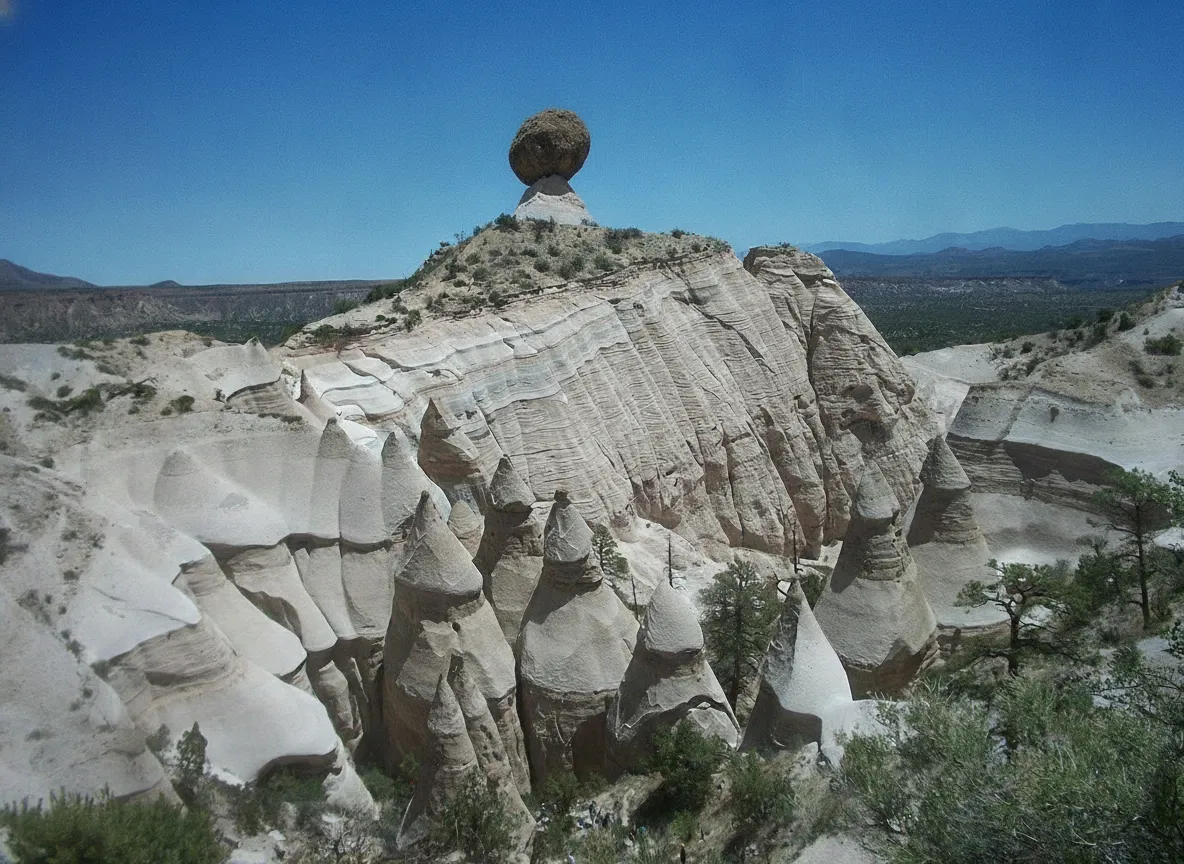
The moment you set foot in Kasha-Katuwe, you're not just entering a national monument; you're entering a living, breathing geological exhibit. What makes this place so utterly unique are its namesake "tent rocks" – conical formations of soft pumice and ash, each crowned with a harder, often dark, caprock. These caprocks protect the softer material beneath from erosion, creating the distinctive cone shape. Without these protective hats, the 'tents' would simply wash away. It’s a delicate, improbable balance, a geological dance between destruction and preservation that has unfolded over millennia.
The sheer scale and density of these formations are awe-inspiring. You'll find yourself walking through avenues of these geological giants, some reaching heights of 90 feet, their textured surfaces telling tales of ancient eruptions and relentless erosion. Unlike the towering sandstone cliffs of Zion or the grand canyons of Arizona, Kasha-Katuwe offers a more intimate, almost whimsical, geological experience. It's a landscape that sparks wonder and curiosity, inviting you to touch, to observe, and to simply marvel at nature's boundless creativity.
A Journey Through Time: History and Formation
The story of Kasha-Katuwe begins between 6 and 7 million years ago, with violent volcanic eruptions from the nearby Jemez Volcanic Field. These eruptions spewed immense quantities of volcanic ash, pumice, and tuff across the landscape, layering it hundreds of feet deep. Over time, these layers solidified and compacted, creating the raw material for the formations we see today.
Fast forward through millions of years, and the true sculptors of Kasha-Katuwe – wind and water – began their relentless work. Rain, snowmelt, and powerful winds gradually eroded the softer volcanic rock. However, scattered within these softer layers were harder, more resistant boulders and capstones. These tougher materials acted like natural umbrellas, shielding the softer material directly beneath them from the elements. As the surrounding unprotected rock eroded away, these protected columns were left standing, forming the conical tent rocks. It’s a slow-motion masterpiece, a testament to the power of natural forces working over unimaginable stretches of time.
Beyond its geological narrative, Kasha-Katuwe also holds deep cultural significance. The name "Kasha-Katuwe" comes from the Keresan language of the nearby Pueblo de Cochiti, meaning "white cliffs." The area has been utilized by ancestral Pueblo people for millennia, drawn to its unique resources and protective terrain. Today, the monument is co-managed by the Bureau of Land Management (BLM) and the Pueblo de Cochiti, ensuring its preservation and honoring its historical roots. It was designated a National Monument in 2001 to protect its extraordinary geological features and cultural importance.
Exploring the Alien Landscape: What You'll See and Do
The true magic of Kasha-Katuwe unfolds on its trails, which invite you to immerse yourself fully in its otherworldly beauty. There are two primary trails, each offering a distinct experience:
The Slot Canyon Trail
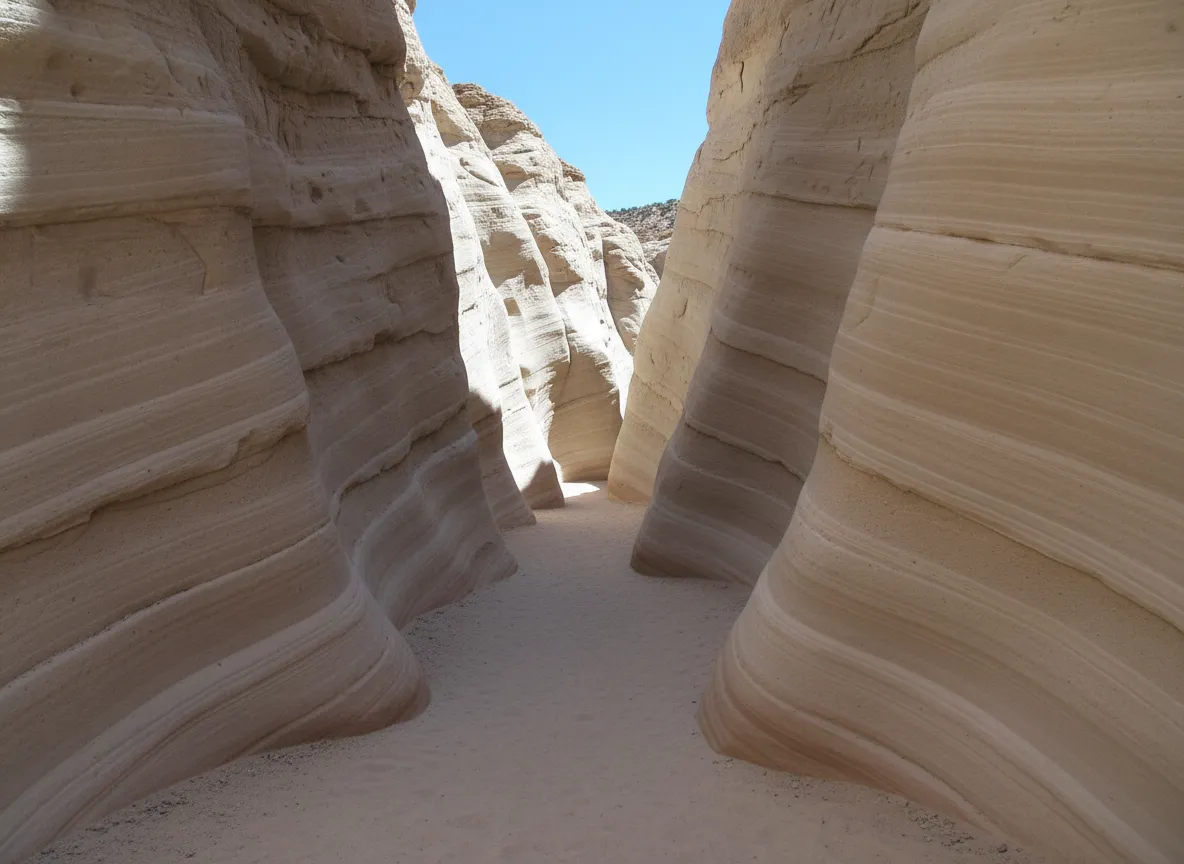
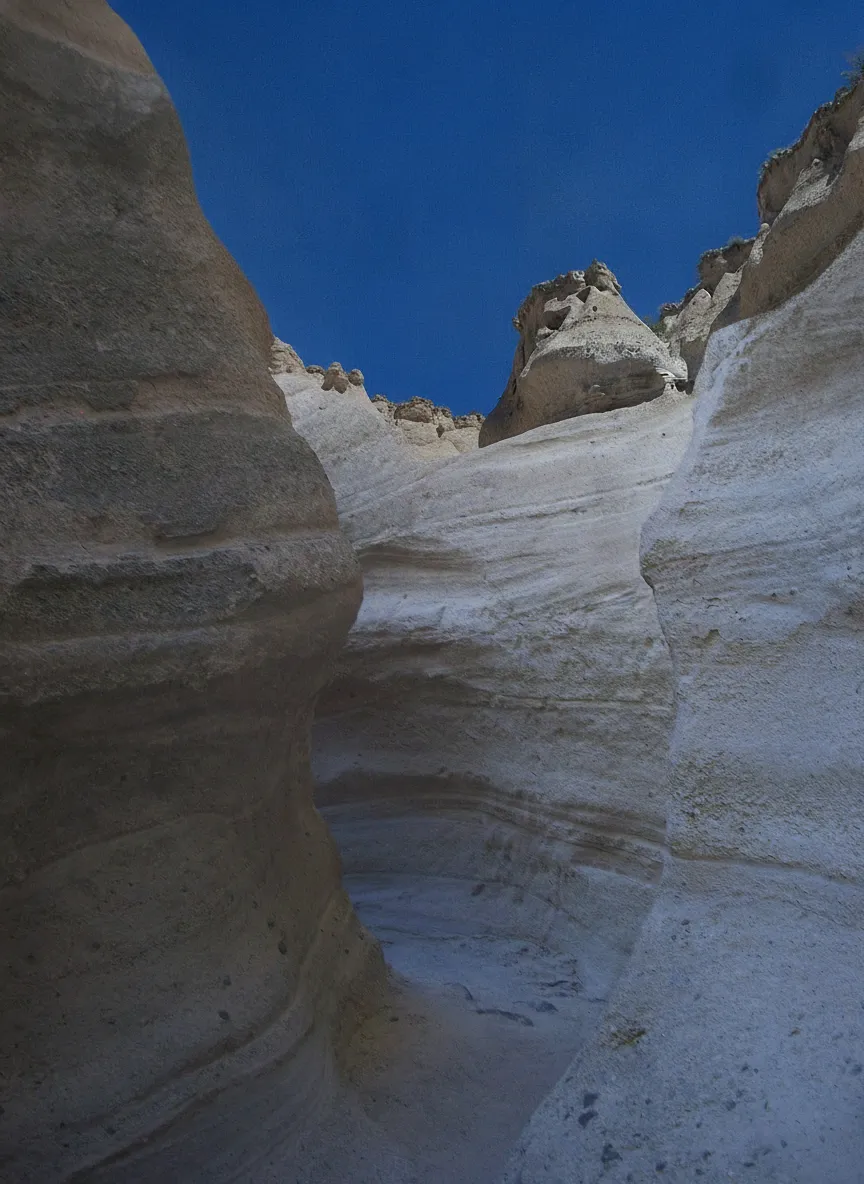
This is undoubtedly the highlight for most visitors and a must-do for anyone seeking adventure. The Slot Canyon Trail begins innocently enough, winding through a relatively open, flat area. But soon, the walls begin to narrow, rising dramatically around you, until you find yourself enveloped in a breathtaking slot canyon. The air cools, the light shifts, and the smooth, sculpted walls of volcanic rock create a surreal, almost cathedral-like atmosphere. You’ll navigate tight passages, squeeze between towering rock formations, and marvel at the intricate patterns carved by ancient floods.
The slot canyon portion is an exhilarating experience, a natural maze that culminates in a steep but manageable climb to the mesa top. From this elevated vantage point, the views are simply jaw-dropping. You’ll gaze out over a vast expanse of the tent rock formations, a dense forest of cones stretching into the distance, framed by the distant mountains. It’s a panoramic reward that makes every step of the hike worthwhile.
The Cave Loop Trail
For those seeking a more leisurely stroll or families with younger children, the Cave Loop Trail offers an easier, yet still incredibly scenic, alternative. This 1.2-mile loop winds through the base of the tent rock formations, offering close-up views without the strenuous climb of the Slot Canyon Trail. Along this path, you'll encounter a small, shallow cave carved into the soft rock, providing a glimpse into the geological processes at play. While it doesn't offer the dramatic slot canyon experience or the panoramic mesa views, it's a fantastic way to appreciate the unique geology at ground level and get a feel for the scale of these natural wonders.
Throughout your visit, keep an eye out for the sparse but resilient desert flora and fauna. Lizards dart across the trails, various bird species fill the air with song, and hardy desert plants cling to life in this challenging environment. The interplay of life and geology adds another layer of fascination to this remarkable place.
Practical Tips for Your Kasha-Katuwe Adventure
To make the most of your visit to this incredible national monument, a little planning goes a long way. Think of me as your well-traveled friend, sharing the insider tips:
- When to Go: The best times to visit are spring (April-May) and fall (September-October) when temperatures are mild and pleasant for hiking. Summer (June-August) can be scorching, with temperatures often exceeding 90-100°F (32-38°C), making early morning visits essential. Winter (November-March) can be magical with a dusting of snow, but trails might be icy or closed after heavy snowfall, so check conditions beforehand.
- What to Bring: This is high desert, so come prepared! Bring plenty of water (there's none available on site), sturdy hiking shoes with good ankle support, sun protection (hat, sunscreen, sunglasses), snacks, and a camera with extra battery. Layers are always a good idea, as desert temperatures can fluctuate.
- Getting There: Kasha-Katuwe Tent Rocks is located about an hour's drive southwest of Santa Fe and roughly an hour northeast of Albuquerque. It's a bit off the beaten path, so a car is essential. Follow directions carefully, as cell service can be spotty.
- Entrance Fees & Hours: There is a per-vehicle entrance fee. Always check the official Bureau of Land Management (BLM) website for the most current operating hours, fees, and any temporary closures, especially related to weather or tribal holidays. The monument is sometimes closed on certain days.
- Safety First: Stay on marked trails to protect the fragile environment and for your own safety. Watch for loose rocks, especially in the slot canyon. Be aware of weather changes; flash floods can occur during monsoon season (July-August). Pack out everything you pack in – practice Leave No Trace principles to keep this gem pristine.
- Photography: The light changes dramatically throughout the day, offering incredible photographic opportunities. Early morning or late afternoon light can bring out the textures and colors of the rocks beautifully.
Why Kasha-Katuwe Deserves a Spot on Your Bucket List
In a world where many natural wonders are well-trodden, Kasha-Katuwe Tent Rocks National Monument remains something of a hidden treasure. It offers an experience that is profoundly unique – a chance to witness geological processes on a grand scale, to hike through an alien landscape, and to connect with the ancient history of both the earth and its human inhabitants. It's a place that challenges your perceptions of what a desert landscape can be, filling you with a sense of awe and quiet contemplation.
Don't just imagine this surreal forest of rock; make the journey. Kasha-Katuwe is more than just a destination; it's an unforgettable adventure that promises to leave you with memories as unique and enduring as the tent rocks themselves. Pack your bags, lace up your boots, and prepare to be utterly captivated by the magic of New Mexico's hidden geological wonder.
Essential Travel Information
- Location Kasha-Katuwe Tent Rocks National Monument, USA
- Best Time Spring (April-May) and Fall (September-October)
- Getting There Located approximately 1 hour southwest of Santa Fe and 1 hour northeast of Albuquerque, accessible by car via unpaved roads. Check official website for directions.
- Airport Albuquerque International Sunport (ABQ)
- Budget Budget/Mid-range with approximate daily cost of $15-30 (includes entrance fee, food, water)
- Language English, Spanish
Find Places to Stay Near Kasha-Katuwe Tent Rocks National Monument
Compare hotels, hostels, and unique stays in USA.
Search AccommodationTours & Experiences Near Kasha-Katuwe Tent Rocks National Monument
Book guided tours, day trips, and unique experiences.
Browse Tours