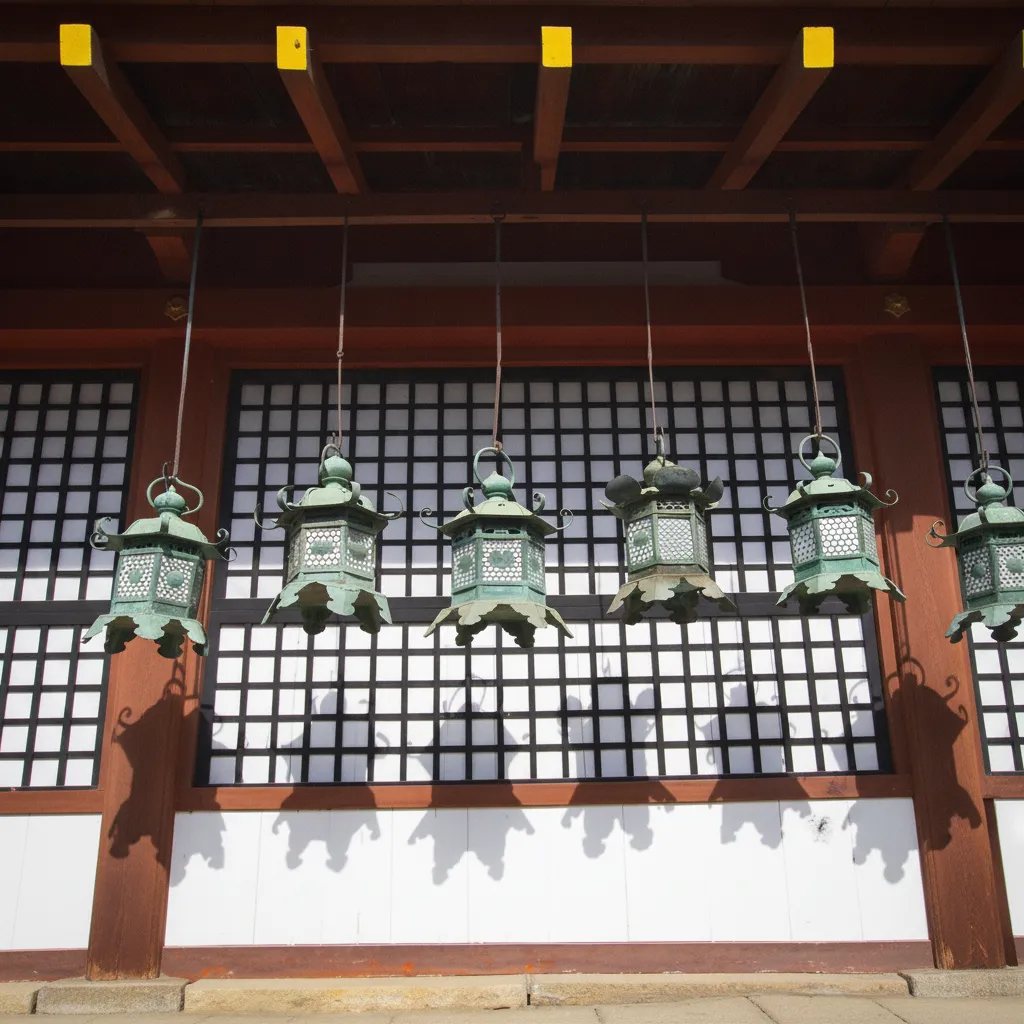
Imagine wandering through a primeval forest path, the air thick with the scent of ancient trees and the hush of centuries, when suddenly, the dappled sunlight gives way to an otherworldly glow. You find yourself surrounded by over 3,000 ancient stone and bronze lanterns, some dating back an astonishing 800 years, their intricate carvings whispering tales of a thousand years of devotion. This isn't a dream sequence from a fantasy film; it's the breathtaking reality of Kasuga Taisha's Thousand Stone Lanterns, a hidden gem tucked away in the sacred Kasugayama Primeval Forest in Nara, Japan. Prepare to step into a realm where history, spirituality, and unparalleled beauty converge.
The Ethereal Glow: What Makes Kasuga Taisha's Lanterns So Special
What sets Kasuga Taisha apart from countless other beautiful shrines in Japan is its astonishing, unparalleled collection of lanterns. These aren't just decorative fixtures; they are meticulously crafted offerings, donated by emperors, nobles, samurai, and common folk over more than a millennium. Most of the year, these thousands of lanterns stand as silent sentinels, moss-covered and dignified, blending harmoniously with the ancient forest that cradles them. Their quiet presence speaks volumes, hinting at the countless prayers and wishes they have witnessed.
However, twice a year, this serene landscape undergoes a magical transformation. During the Setsubun Mantoro festival in early February and the Obon Mantoro festival in mid-August, every single one of these 3,000-plus lanterns, both the grand stone lanterns lining the paths and the delicate bronze hanging lanterns within the shrine buildings, are simultaneously illuminated. The effect is nothing short of breathtaking – a soft, golden light washes over the shrine grounds and the surrounding forest, creating an ethereal spectacle that feels utterly timeless. It's a unique tradition, maintained with unwavering dedication by generations, offering a tangible, luminous link to Japan's ancient past and an unforgettable visual and spiritual experience.
A Legacy in Stone and Bronze: A Thousand Years of Devotion
To truly appreciate the wonder of Kasuga Taisha's lanterns, one must understand their profound historical and spiritual context. The Kasuga Taisha Shrine itself was established in 768 AD by the powerful Fujiwara clan, one of Japan's most influential families, as the tutelary shrine for the protection of Nara and the prosperity of the nation. It is dedicated to four deities, including Takemikazuchi-no-mikoto, who is said to have ridden to Nara on a white deer – hence the sacred deer that roam freely in Nara Park today.
The tradition of donating lanterns as offerings began almost as soon as the shrine was founded. These donations weren't merely gifts; they were acts of profound devotion, prayers for protection, gratitude for blessings, or wishes for the afterlife. Each lantern, whether a towering stone *tōrō* or an intricately cast bronze *tsurō*, tells a story. Look closely, and you'll find family crests, historical dates, and sometimes even the names of the donors etched into their surfaces. Some of these lanterns have stood for eight centuries, enduring wars, natural disasters, and the passage of countless seasons, a testament to the enduring faith of the Japanese people.
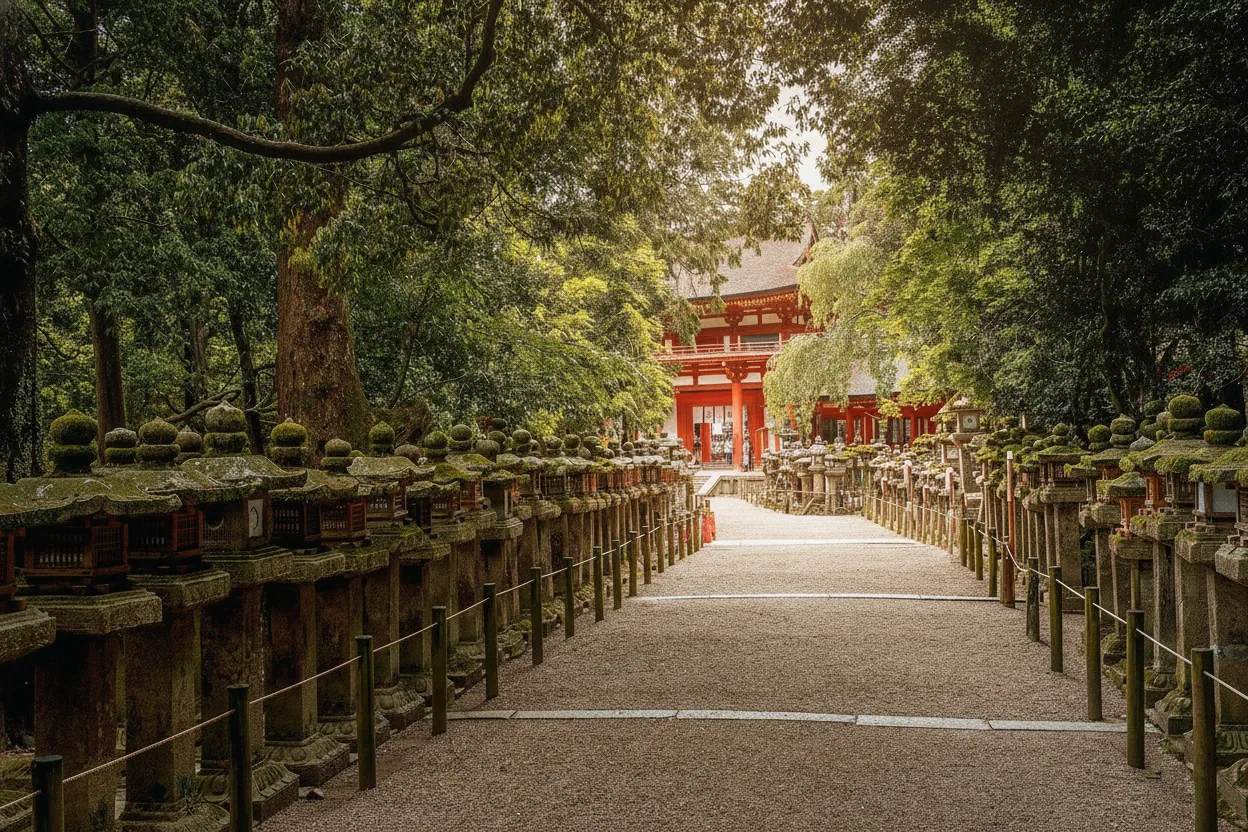
The sheer volume of these offerings underscores the shrine's immense significance throughout Japanese history. The path leading up to the shrine, known as the Sando, is particularly dense with stone lanterns, their forms varying from simple, robust designs to exquisitely carved masterpieces. Within the main shrine complex, the corridors are adorned with hundreds of bronze lanterns, hanging like jewels, often covered in a beautiful verdigris that speaks of their age.
Wandering Through a Luminous Dream: What You'll See and Experience
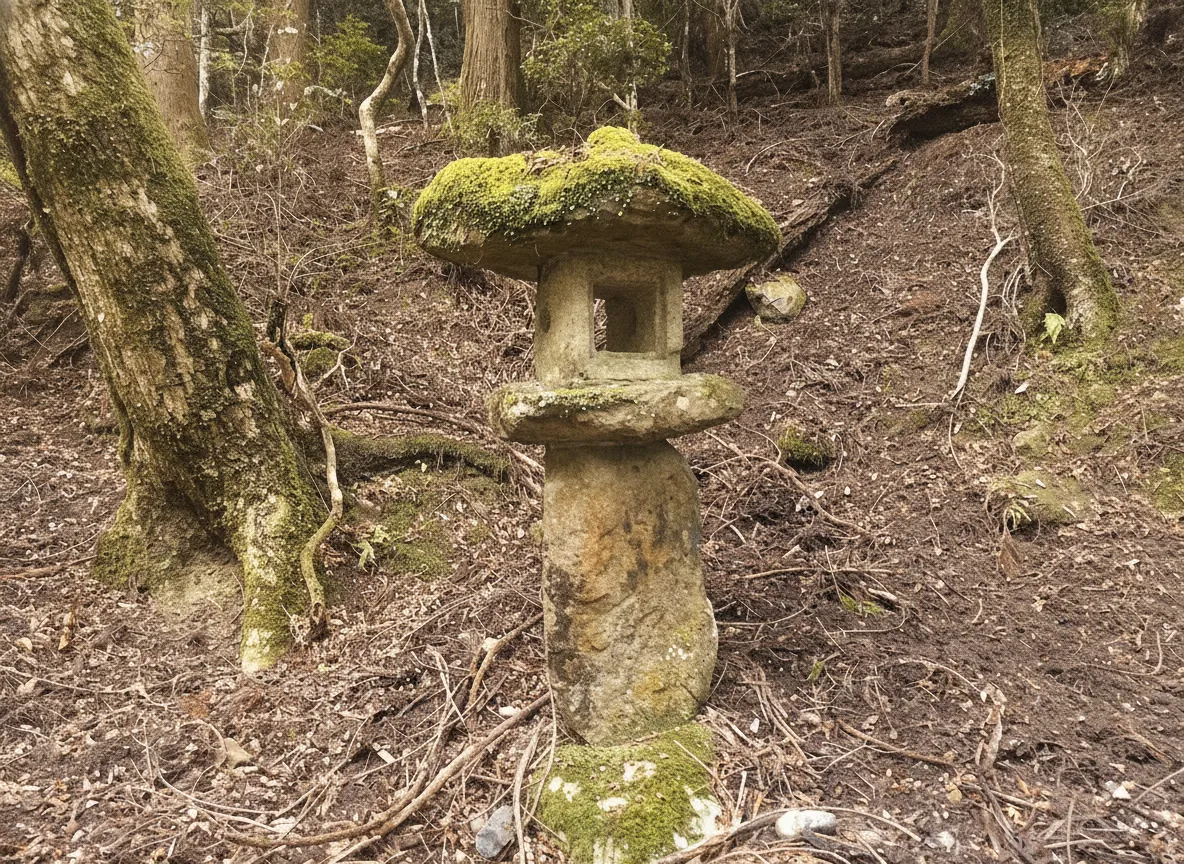
Visiting Kasuga Taisha is a multi-sensory journey, regardless of the season. During the day, the unlit lanterns offer a profound sense of history and tranquility. As you walk the winding paths through the Kasugayama Primeval Forest, a UNESCO World Heritage site, the stone lanterns emerge from the undergrowth, their mossy exteriors and weathered stone faces imbued with a quiet dignity. You can take your time to admire the intricate carvings – depictions of deer, dragons, celestial beings, and sacred symbols – each a miniature work of art and devotion. The forest itself is a living sanctuary, untouched by logging for over a thousand years, making the entire experience feel like a step back in time.
But it's during the twice-yearly Mantoro festivals that Kasuga Taisha truly unveils its magic. As dusk settles, volunteers meticulously light each wick, one by one. The transition from twilight to a warm, glowing wonderland is mesmerizing. The golden light spills from thousands of lanterns, casting dancing shadows on the ancient trees and the vibrant vermilion pillars of the shrine. The air hums with a reverent energy, a blend of awe from visitors and the deep spiritual significance of the event. The bronze lanterns, hanging in long, elegant rows within the shrine's corridors, become a glittering tapestry of light, creating an almost hypnotic tunnel that draws you deeper into the sacred space. It’s an experience that transcends mere sightseeing; it’s an immersion into a living tradition, a moment of profound connection to a spiritual legacy.
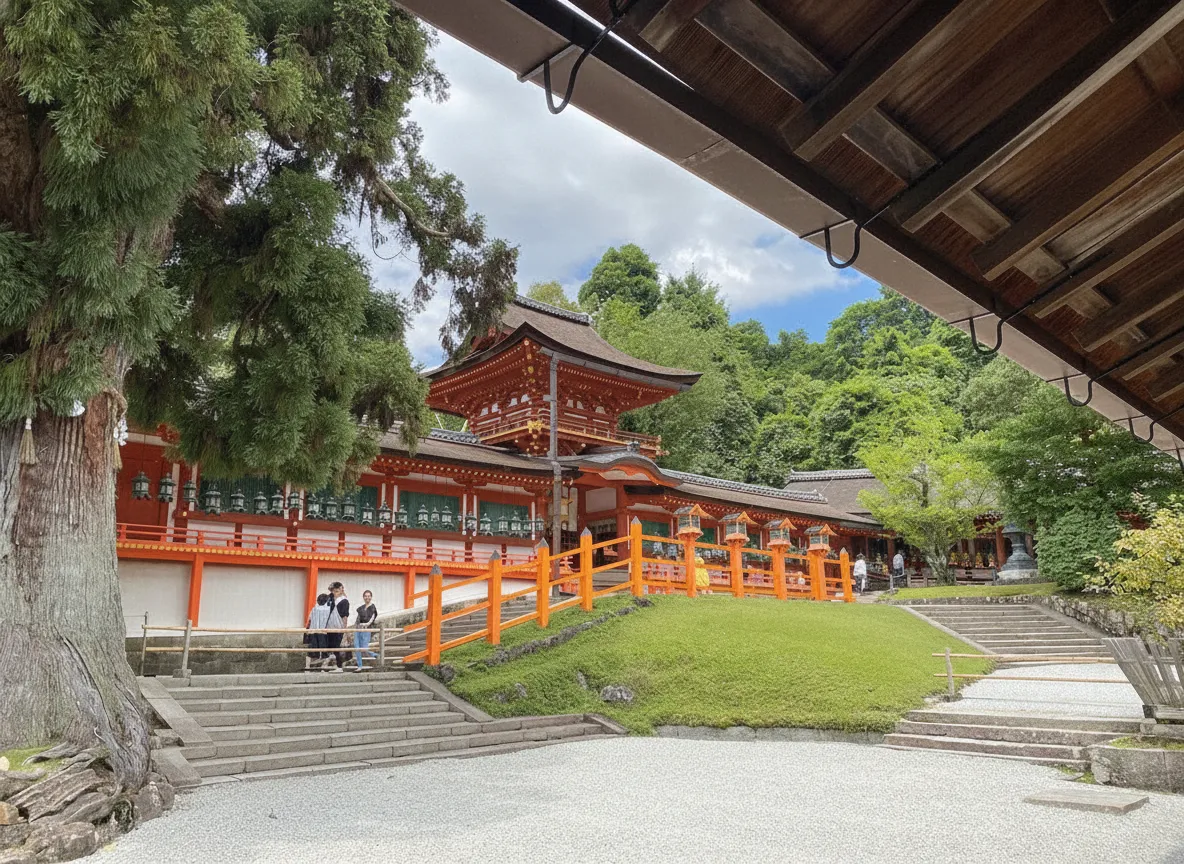
While the main shrine grounds and the lantern-lined paths are free to explore, there are specific inner areas, such as the main sanctuary and the treasury, that require a small entrance fee. These areas offer closer views of some of the most ancient and significant lanterns, as well as other priceless artifacts related to the shrine's history. Even if you don't visit during the illumination festivals, the sheer number and historical depth of the lanterns make Kasuga Taisha an essential stop on any Nara itinerary.
Planning Your Pilgrimage: Practical Tips for Visiting
Ready to embark on your own journey to this luminous dream? Here are some practical tips to help you make the most of your visit to Kasuga Taisha's Thousand Stone Lanterns:
- Best Time to Visit: For the full, breathtaking illumination experience, plan your trip for early February (Setsubun Mantoro) or mid-August (Obon Mantoro). These events typically last for a few evenings around the festival dates. Be aware that these are incredibly popular times, so expect crowds and book accommodation well in advance. If you prefer a more tranquil visit, any other time of year is wonderful for exploring the moss-covered lanterns and the serene forest.
- How to Get There: Kasuga Taisha is easily accessible from Nara Park, which is a short walk or bus ride from Kintetsu Nara Station or JR Nara Station. Once in Nara Park, simply follow the signs through the deer-filled park and up the tree-lined paths towards the shrine. The walk itself is part of the experience, as you'll begin to see the stone lanterns appearing along the route.
- Entrance Fees: The outer grounds and the main approach lined with stone lanterns are free to explore. There is a small admission fee (usually around 500 yen) to enter the inner sanctuary areas, which include the main hall and the corridors with the bronze hanging lanterns. Special tickets may be required for the illumination events.
- Dress Comfortably: You'll be doing a fair amount of walking, often on uneven stone paths, so comfortable shoes are a must. If visiting during the illumination events, be prepared for cooler temperatures in the evening, even in August.
- Respect the Sacred Space: Kasuga Taisha is an active place of worship. Be mindful of your behavior, dress modestly, and follow any instructions from shrine staff. Photography is generally allowed, but be respectful of others and the spiritual nature of the site, especially during ceremonies.
- Combine with Nara Park: Kasuga Taisha is seamlessly integrated with Nara Park, home to hundreds of friendly, free-roaming deer. Plan to spend a full day exploring both the shrine and the park, including Todai-ji Temple, for a comprehensive Nara experience.
Kasuga Taisha's Thousand Stone Lanterns offer a truly unique and deeply moving experience that transcends typical tourism. It's a place where the veil between past and present feels thin, where ancient traditions are vibrantly alive, and where the simple act of light can transform a forest into a sacred, luminous dream. If you're seeking a Japanese adventure that combines history, spirituality, and unparalleled beauty, make your way to Nara and let the ancient glow of Kasuga Taisha illuminate your journey.
Essential Travel Information
- Location Kasuga Taisha's Thousand Stone Lanterns, Japan
- Best Time February (Setsubun Mantoro) and August (Obon Mantoro) for illuminations; otherwise, year-round for tranquil beauty.
- Getting There From JR Nara Station or Kintetsu Nara Station, walk or take a bus to Nara Park, then follow signs to Kasuga Taisha Shrine (approx. 15-20 min walk from central Nara Park).
- Airport Kansai International Airport (KIX)
- Budget Mid-range (approx. $50-100 USD per day excluding accommodation for food/transport/activities in Nara)
- Language Japanese
Find Places to Stay Near Kasuga Taisha's Thousand Stone Lanterns
Compare hotels, hostels, and unique stays in Japan.
Search AccommodationTours & Experiences Near Kasuga Taisha's Thousand Stone Lanterns
Book guided tours, day trips, and unique experiences.
Browse Tours