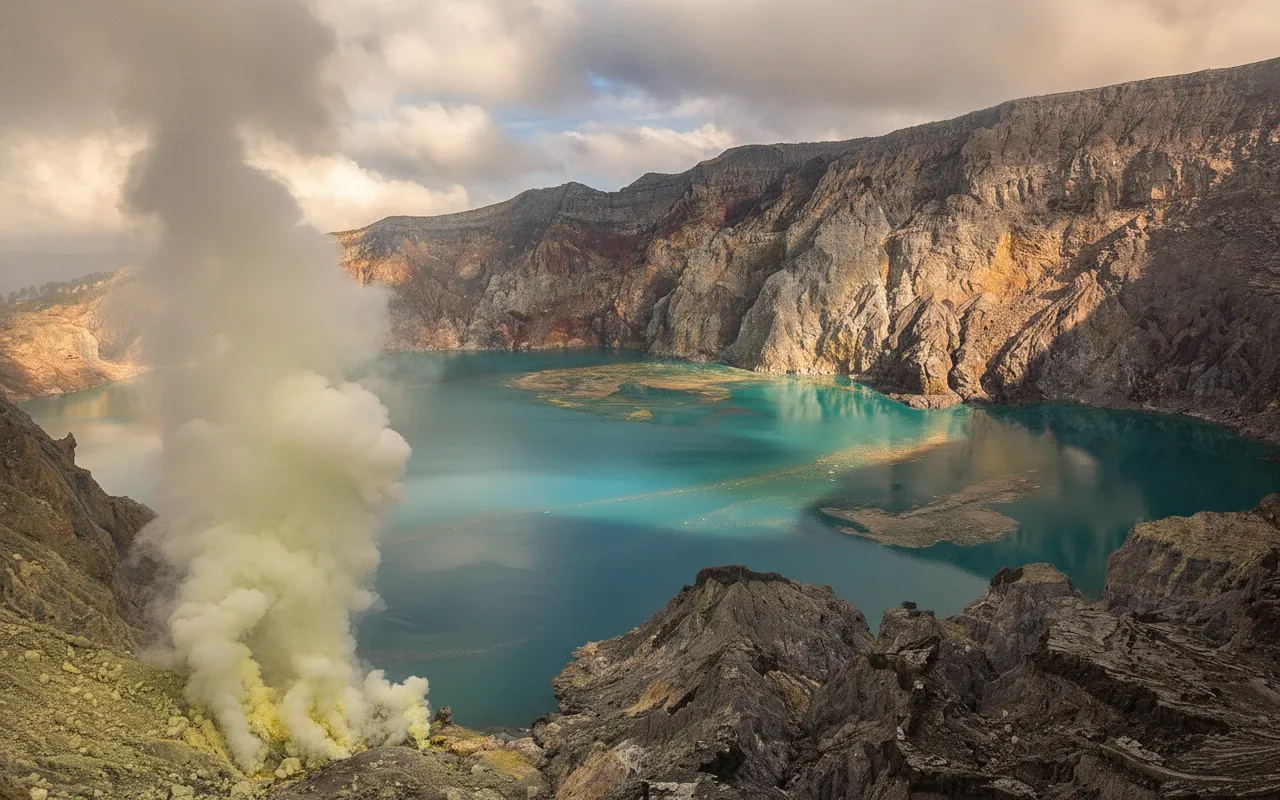
Imagine standing on the rim of a volcano, gazing into an otherworldly blue inferno that burns from the earth, while brave miners extract glowing sulfur by hand. This isn't a scene from a sci-fi epic; it's a real, raw, and utterly unforgettable experience awaiting you at Kawah Ijen, a geological marvel nestled deep in the heart of East Java, Indonesia. Forget everything you thought you knew about volcanoes, because Ijen is about to redefine your sense of wonder and adventure. It's a place where nature’s spectacle meets profound human endeavor, leaving an indelible mark on every soul fortunate enough to witness its surreal beauty.
Kawah Ijen's Unforgettable Blue Fire: A Natural Spectacle
What truly sets Kawah Ijen apart, making it a bucket-list destination for intrepid travelers worldwide, is its mesmerizing 'blue fire.' Picture this: the pre-dawn darkness, crisp volcanic air, and then, from the depths of the crater, an ethereal blue flame dances and flickers. This isn't lava; it's ignited sulfur gas, jetting out of cracks in the volcano at high pressure and temperatures up to 600°C (1,112°F). As it comes into contact with the oxygen-rich air, it combusts, creating an incandescent blue glow that can climb up to five meters high.
The experience of witnessing this phenomenon is nothing short of hypnotic. You'll descend into the crater in the pitch black, guided only by headlamps and the distant glow of the flames, the air thick with the pungent smell of sulfur. It's an almost spiritual encounter, a stark reminder of the planet's raw, untamed power. While blue fire phenomena exist elsewhere, Kawah Ijen boasts the largest and most accessible display, making it a truly unique spectacle that draws photographers and adventurers from across the globe. It's a dance of light and chemistry, a geological ballet performed nightly for those brave enough to seek it out.
The Crater Lake: A Vivid Turquoise Gem with a Dark Secret
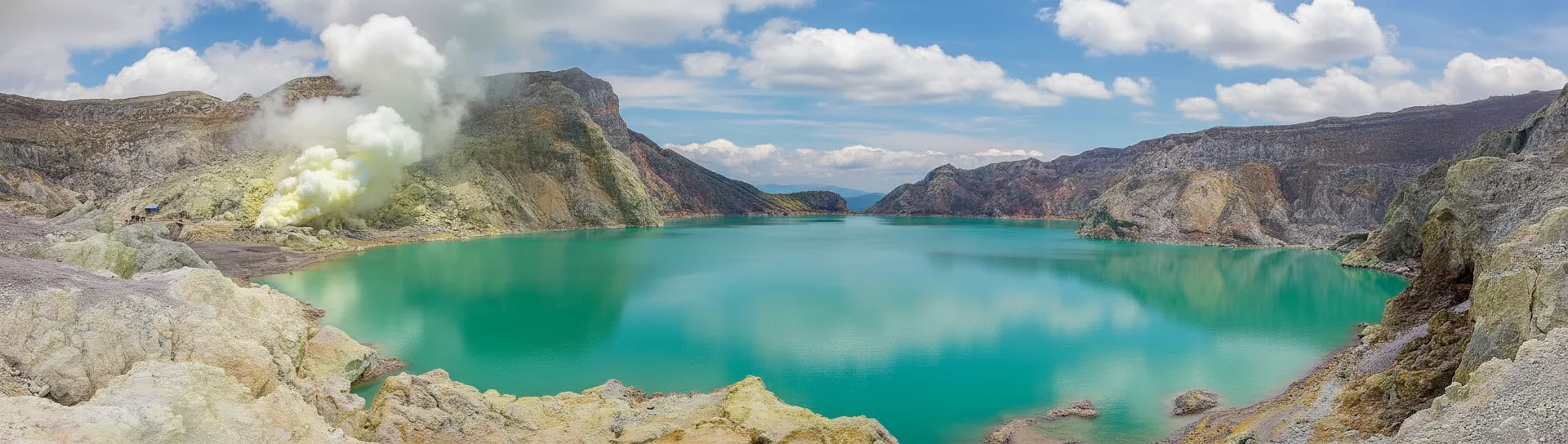
As the sun begins its slow ascent, painting the sky with hues of orange and pink, Kawah Ijen reveals another of its staggering secrets: a colossal, turquoise crater lake. This isn't just any lake; it holds the distinction of being the largest highly acidic crater lake in the world. Its vibrant, almost artificial-looking color is due to the extreme concentration of sulfuric acid and dissolved minerals. While stunningly beautiful from a distance, its beauty is deceptive; the lake's pH level is incredibly low, often below 0.5, making it highly corrosive and utterly inhospitable to life.
From the crater rim, the view is breathtaking. The vast expanse of the lake, shimmering in shades of emerald and sapphire, contrasts dramatically with the rugged, ochre-colored volcanic slopes and the lingering plumes of white sulfurous gas. It's a landscape that feels alien, as if you've stepped onto another planet. This vivid tableau serves as a poignant backdrop to the human drama unfolding within the crater, a constant reminder of nature's formidable power and its simultaneous allure.
The Human Story: Kawah Ijen's Brave Sulfur Miners
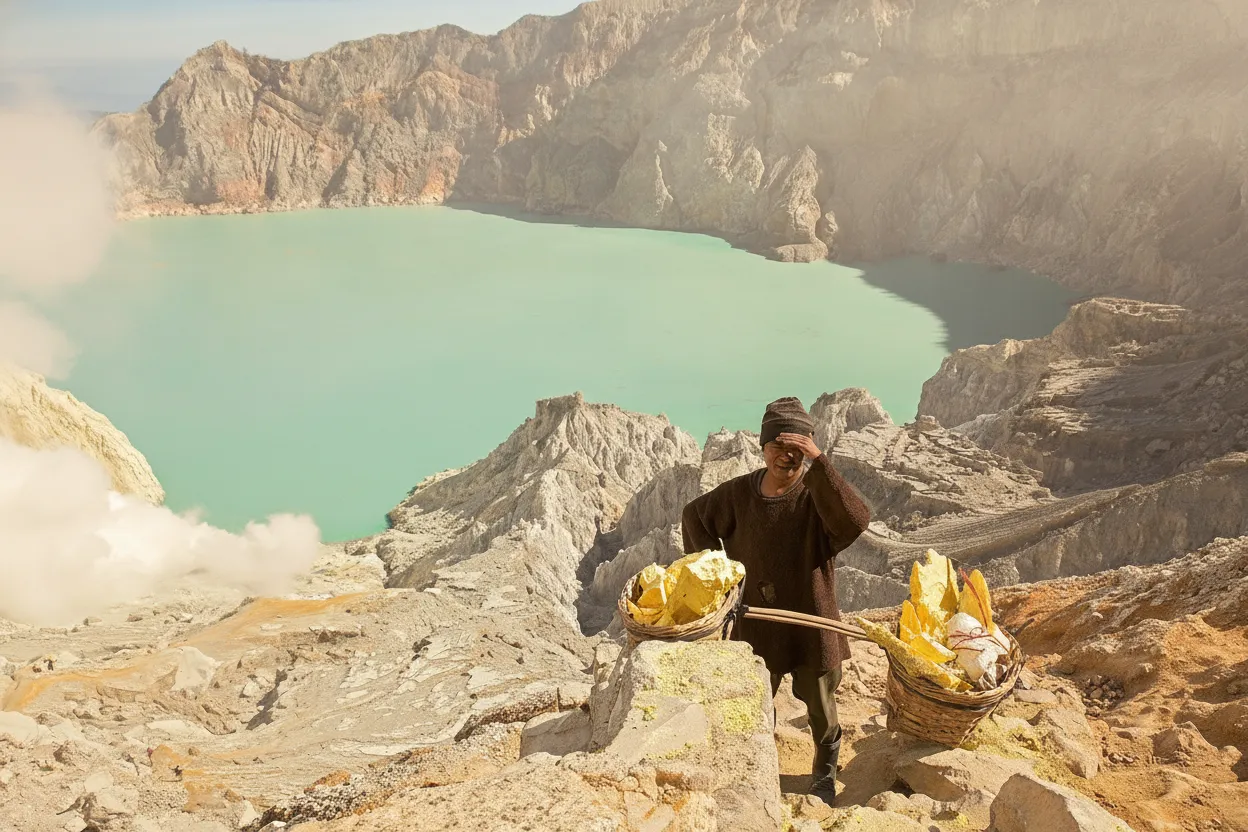
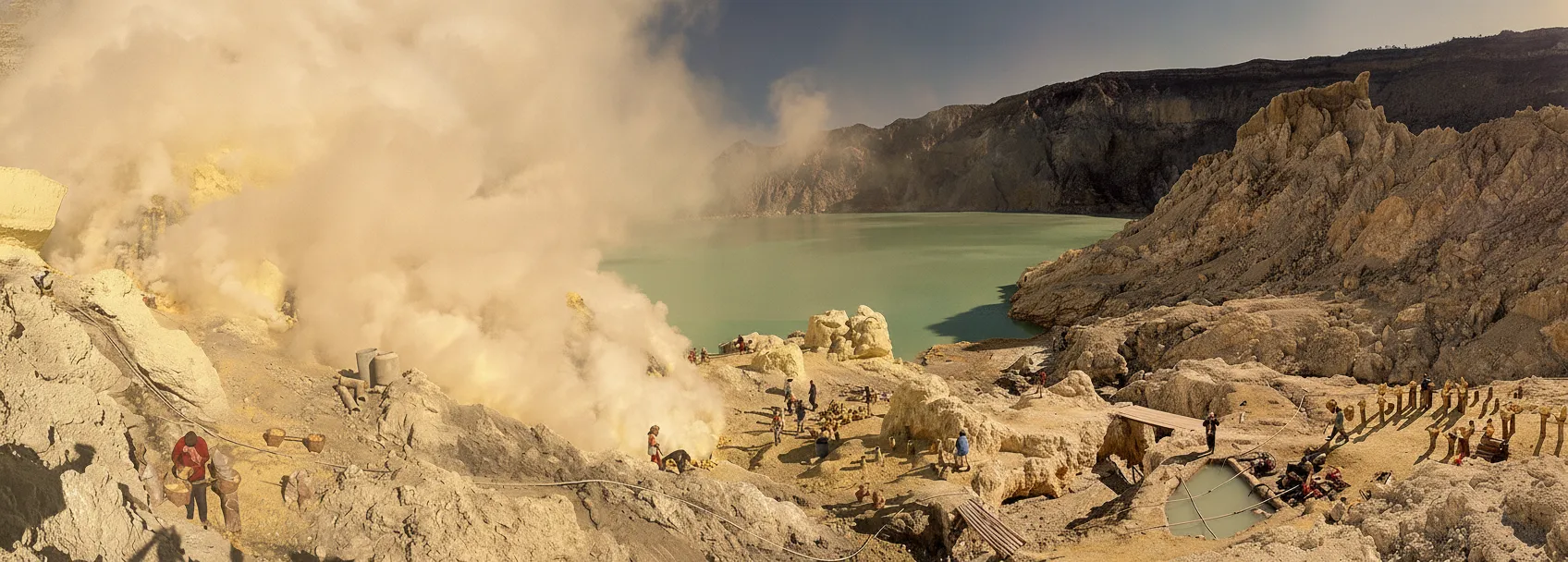
Beyond the geological wonders, Kawah Ijen offers a profound and humbling human experience: the chance to witness the incredibly arduous work of the sulfur miners. These men undertake one of the world's most dangerous and least rewarding jobs, descending into the crater daily to extract solidified sulfur by hand. They brave toxic fumes, treacherous terrain, and extreme heat, chipping away at the bright yellow deposits that form as the sulfur gas cools and solidifies.
Watching them work is a powerful, sobering experience. With rudimentary tools and immense strength, they break off chunks of sulfur, load them into baskets, and then carry these incredibly heavy burdens – often 70-90 kilograms (150-200 lbs) – back up the steep, slippery crater path and down the volcano's slopes. The journey is long, the air is noxious, and the physical toll is immense. Their faces, often covered with makeshift masks, tell stories of resilience, hardship, and unwavering dedication to their families. Interacting with them, even briefly, offers a glimpse into a way of life that is both ancient and tragically modern, a testament to human endurance against formidable odds. It's a stark contrast to the tourist experience, and it compels a deep sense of respect and empathy.
Journey to the Inferno: What to Expect on Your Kawah Ijen Trek
So, you're ready to embark on this incredible adventure? The Kawah Ijen trek typically begins around 1:00 AM or 2:00 AM from the Paltuding ranger post. This early start is crucial for witnessing the blue fire, which is only visible in complete darkness. The hike itself is moderately challenging. The initial path is a steady uphill climb on a well-maintained but steep dirt track, winding through a misty forest. It takes approximately 1.5 to 2 hours to reach the crater rim.
Once at the rim, the real adventure begins: the descent into the crater. This path is much steeper, rockier, and often slippery due to loose gravel and sulfur dust. It requires careful footing and good physical condition. Here, a local guide is invaluable, not just for navigation but also for safety, especially given the noxious fumes. Gas masks are absolutely essential for this part of the journey and should be worn diligently. As dawn approaches, you'll make your way back up to the crater rim to witness the spectacular sunrise, casting golden light over the turquoise lake and the surrounding volcanic landscape. The descent back to Paltuding is much easier, offering stunning daytime views of the scenery you trekked through in darkness.
Practical Tips for Your Kawah Ijen Adventure
To ensure your Kawah Ijen experience is as safe and enjoyable as possible, here are some crucial tips:
- Hire a Local Guide: While not strictly mandatory, a local guide is highly recommended, especially if you plan to descend into the crater for the blue fire. They know the safest paths, can help navigate the fumes, and offer invaluable insights into the miners' lives.
- Essential Gear:
- Gas Mask: Absolutely non-negotiable if you're going into the crater. High-quality masks with proper filters are essential.
- Warm Layers: Temperatures at the summit can be very cold, especially before dawn.
- Sturdy Hiking Shoes: The terrain is uneven, rocky, and can be slippery.
- Headlamp/Flashlight: Crucial for the pre-dawn hike.
- Water and Snacks: Stay hydrated and energized.
- Rain Gear: Weather can change quickly.
- Health Considerations: The air quality in the crater can be very poor due to sulfur dioxide. If you have respiratory issues, heart conditions, or are pregnant, it's advisable to consult a doctor before attempting the trek or consider staying on the crater rim.
- Respect the Miners: Remember, this is their workplace. Maintain a respectful distance, do not obstruct their paths, and if you wish to take photos, always ask for permission. Many guides can facilitate small donations or purchases of sulfur souvenirs directly from them, providing much-needed income.
- Leave No Trace: Kawah Ijen is a natural wonder; help keep it pristine. Carry out everything you carry in.
- Pace Yourself: It's a challenging hike. Take breaks when needed and listen to your body.
Kawah Ijen is more than just a destination; it's an immersive journey that challenges your perceptions and stirs your soul. It's a place where the earth breathes fire, where lakes glow with impossible colors, and where human resilience shines brightest. If you're seeking an adventure that transcends the ordinary and promises memories that will last a lifetime, then Kawah Ijen in East Java is calling your name. Pack your bags, prepare for the extraordinary, and get ready to witness one of the planet's most captivating spectacles.
Essential Travel Information
- Location Kawah Ijen Volcano, Indonesia
- Best Time Dry season, April to October, for clearer skies and safer trekking conditions. June-August are peak months.
- Getting There Fly into Banyuwangi (BWX) or Surabaya (SUB). From Banyuwangi, it's a 1.5-2 hour drive to Paltuding (trekking base). From Surabaya, it's a 6-8 hour drive or train to Banyuwangi.
- Airport Banyuwangi (BWX)
- Budget Mid-range ($50-100 USD/day including accommodation, transport, guide, park fees)
- Language Indonesian (Bahasa Indonesia), Javanese
Find Places to Stay Near Kawah Ijen Volcano
Compare hotels, hostels, and unique stays in Indonesia.
Search AccommodationTours & Experiences Near Kawah Ijen Volcano
Book guided tours, day trips, and unique experiences.
Browse Tours