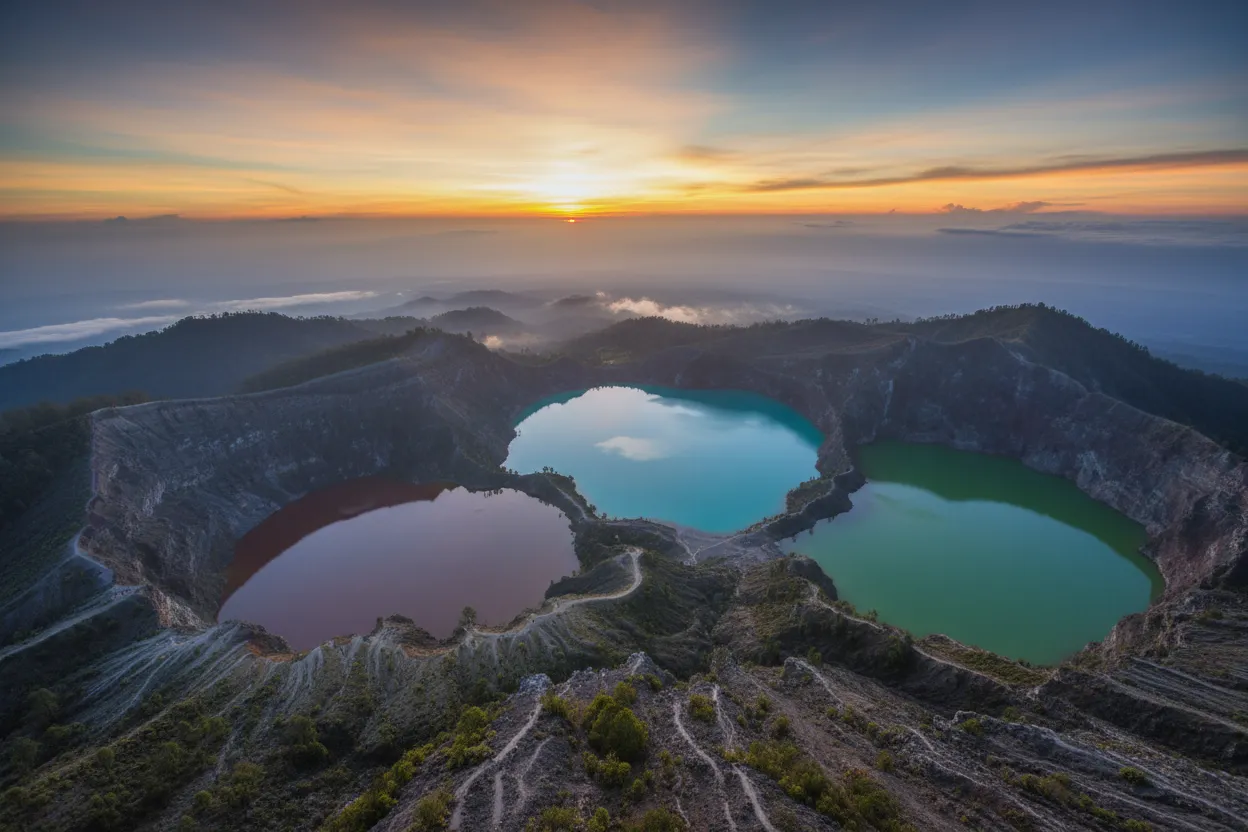
I still remember the first time I saw them, shrouded in the pre-dawn mist, slowly revealing their astonishing colors as the sun kissed the horizon. It felt less like a viewing and more like witnessing a sacred ritual, a private performance put on by nature and the ancestors themselves. Kelimutu isn't just a place to visit; it's an experience that stays with you, a vibrant echo in your memory long after you've descended its mystical slopes.
The Mystical Canvas: What Makes Kelimutu Unforgettable
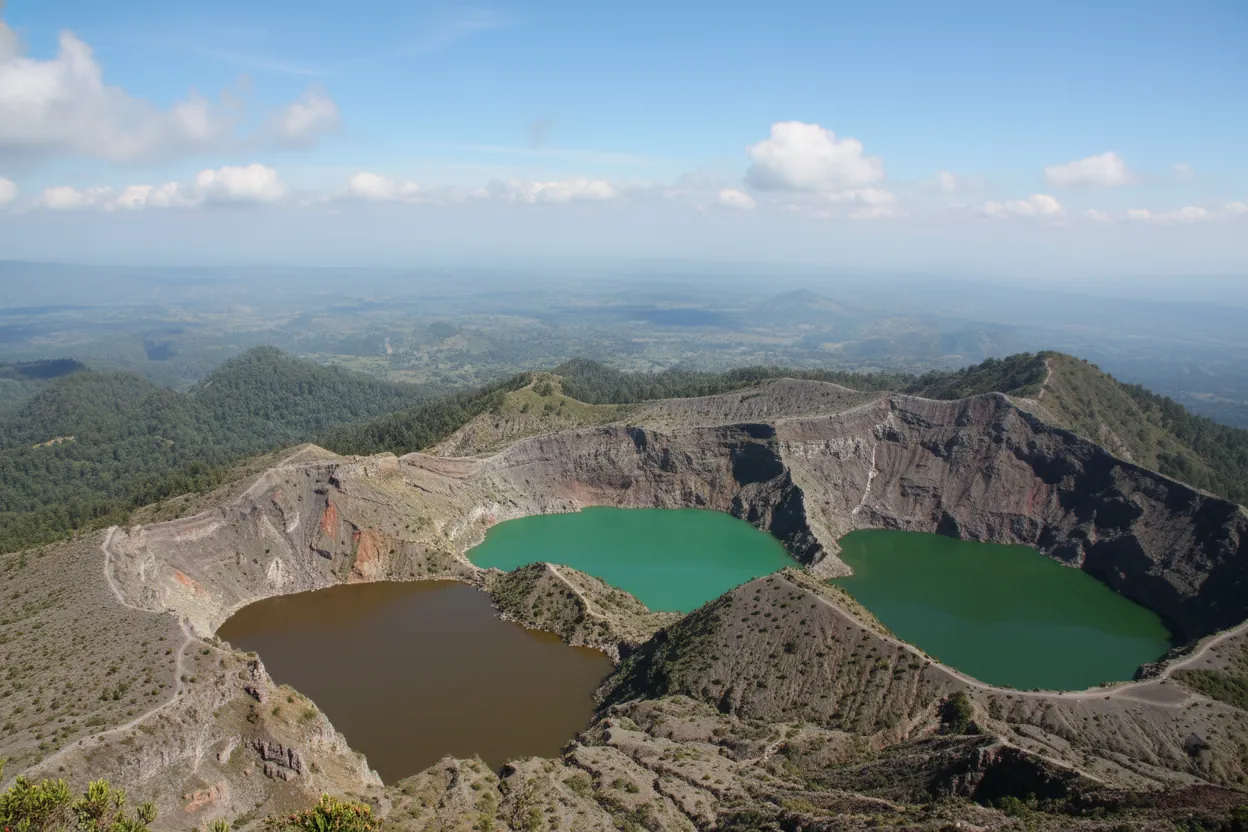
What makes Kelimutu so utterly captivating isn't just one thing, but a symphony of geological wonder and profound cultural belief. At its heart are the three distinct crater lakes: Tiwu Ata Mbupu (Lake of Old People), Tiwu Ko'o Fai Nuwa Muri (Lake of Young Men and Maidens), and Tiwu Ata Polo (Enchanted Lake). These aren't just any lakes; they are a geological marvel, famous for their dramatic and sudden color changes. One day you might see them as a serene turquoise, the next a startling deep red, a rich chocolate brown, or an ethereal emerald green.
Scientifically, these shifts are attributed to varying mineral content in the water, influenced by volcanic gas activity and oxidation-reduction reactions. Different concentrations of iron, manganese, and other minerals, combined with the angle of sunlight, create this ever-changing spectacle. But to simply explain it away with science feels like missing the point. The true magic lies in the local Lio people's belief that these lakes are the final resting places for the souls of the deceased. Each lake is designated for a different group of souls, and their shifting colors are believed to reflect the mood and spiritual state of the ancestors.
Imagine standing there, watching a lake shimmer from blue to green, knowing that for centuries, the Lio people have interpreted this as the ancestors expressing their joy, sorrow, or even anger. This spiritual mystique adds an otherworldly dimension to an already stunning landscape, transforming a mere geological phenomenon into a living, breathing entity with a soul of its own. It's this beautiful intertwining of the tangible and the intangible that makes Kelimutu an unparalleled destination, a true hidden gem where wonder isn't just found, it's felt.
A Journey Through Time: History and Local Lore
The history of Kelimutu is as old as the earth itself, shaped by millennia of volcanic activity. Flores Island, part of Indonesia's "Ring of Fire," is a testament to the powerful forces beneath our planet's surface. Kelimutu is an active volcano, though its eruptions are typically phreatic (steam-driven) rather than explosive lava flows. The craters that now hold the lakes are ancient, formed by past eruptions and subsequent collapses, creating the perfect basins for these mineral-rich waters.
But beyond the geological timeline, lies the rich tapestry of the Lio people's spiritual history. For generations, the Lio have lived in harmony with Kelimutu, revering it as a sacred entity. Their animistic beliefs hold that when a person dies, their soul embarks on a journey to one of the three lakes, depending on their age and deeds in life. Tiwu Ata Mbupu, the "Lake of Old People," is where the souls of the wise elders reside. Tiwu Ko'o Fai Nuwa Muri, the "Lake of Young Men and Maidens," is for those who passed away in their youth. And Tiwu Ata Polo, the "Enchanted Lake" or "Lake for Evil Souls," is where the spirits of sorcerers and wrongdoers are said to dwell.
This profound connection between life, death, and the natural world is not just folklore; it's a living tradition. The Lio people perform rituals and offerings at the lakes, seeking guidance from their ancestors and maintaining balance with the spiritual realm. They believe that disrespecting the lakes or the spirits within can bring misfortune. This deep reverence is palpable when you visit, adding a layer of solemnity and respect to the sheer awe inspired by the colors. It's a powerful reminder that some places on Earth are not just landscapes, but sacred spaces, imbued with centuries of human belief and devotion.
Your Adventure Awaits: What to See and Do at Kelimutu
Visiting Kelimutu is an adventure that begins long before you reach the crater rim. Most travelers base themselves in the charming village of Moni, a tranquil haven nestled amidst rice paddies and lush hills. The journey to the lakes typically starts in the pre-dawn hours, a testament to the magic of witnessing Kelimutu at sunrise. As you ascend the winding road in the cool, crisp morning air, the anticipation builds. The drive itself, through mist-shrouded forests and past small villages, is an integral part of the experience, offering glimpses into rural Flores life.
Upon arrival at the parking area, a well-maintained path and stairs lead you to the main viewpoint. It's a relatively easy trek, taking about 20-30 minutes, but the reward at the top is immeasurable. As the first rays of sun pierce through the clouds, they slowly illuminate the three distinct craters, revealing their current hues. It's a moment that truly takes your breath away – the vibrant colors emerging from the darkness, set against the dramatic backdrop of the volcanic caldera. From the main viewpoint, you can gaze down upon all three lakes simultaneously, a mesmerizing spectacle that changes with every shift of light.
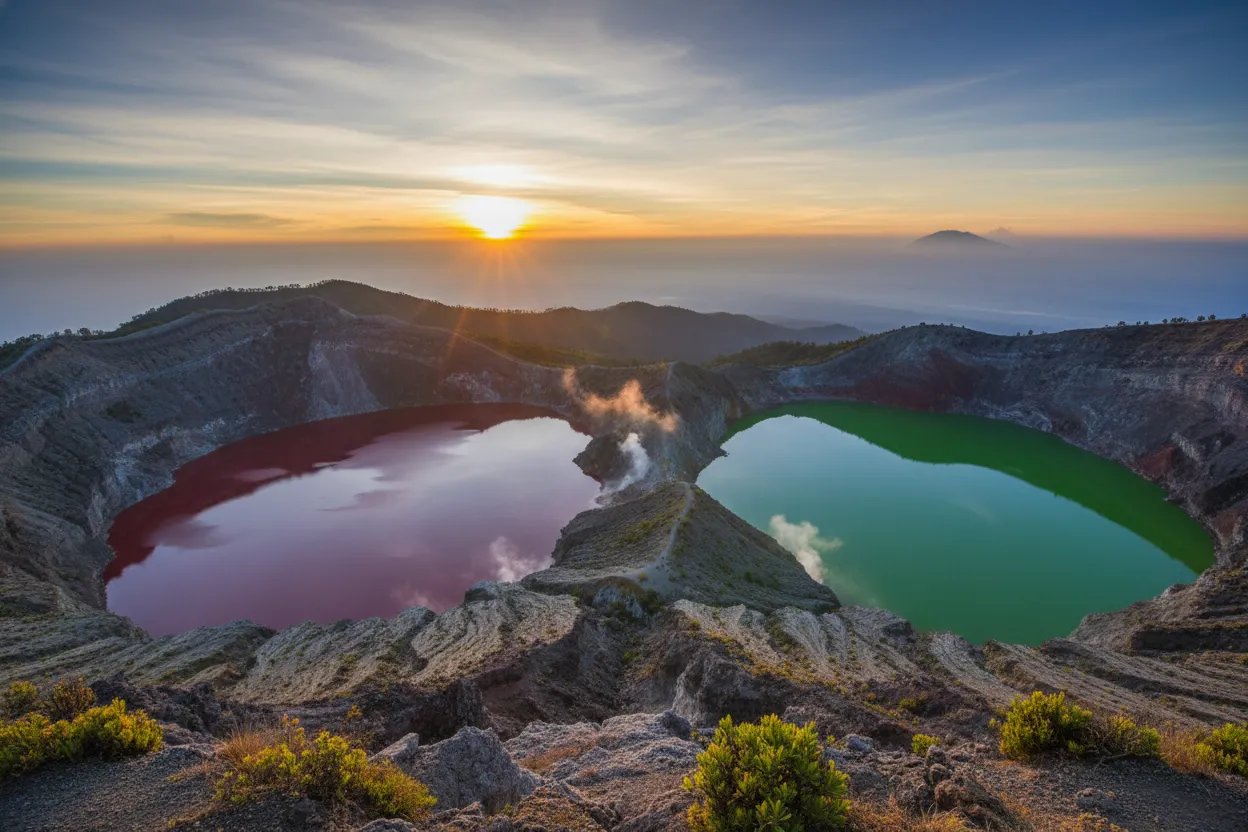
Take your time here. Find a quiet spot, breathe in the crisp mountain air, and simply absorb the incredible panorama. Observe how the colors seem to deepen and change as the sun climbs higher. While the lakes are the main attraction, don't forget to appreciate the surrounding natural beauty – the unique volcanic flora, the chirping birds, and the sheer vastness of the Flores landscape stretching out below. There are also smaller viewpoints and pathways around the rim, offering different perspectives and opportunities for stunning photographs. Remember to move slowly and respectfully, as this is a sacred site for the Lio people. It's a place for reflection, wonder, and connecting with a truly extraordinary corner of our world.
Planning Your Pilgrimage: Practical Tips for Visiting Kelimutu
Embarking on a journey to Kelimutu requires a bit of planning, but the rewards far outweigh any logistical effort. Here's what you need to know to make your visit smooth and unforgettable:
Best Time to Visit
The dry season, generally from May to October, is the ideal time to visit Kelimutu. During these months, you'll experience clearer skies, less rain, and better visibility, which is crucial for appreciating the lakes' vibrant colors. The shoulder months of April and November can also be good, but be prepared for occasional showers. Avoid the peak rainy season (December to March) if possible, as heavy rains can obscure views and make roads challenging.
How to Get There
Your journey to Kelimutu typically begins by flying into H. Hasan Aroeboesman Airport (ENE) in Ende, Flores Island. Several domestic airlines offer flights from Bali (Denpasar) or Kupang. From Ende, you'll need to arrange transport to Moni, the closest village to Kelimutu, which is about a 1.5 to 2-hour drive. You can hire a private car, take a shared taxi, or use an ojek (motorcycle taxi). Once in Moni, you can arrange a car or ojek to take you to the Kelimutu National Park entrance, usually departing around 4:00 AM to catch the sunrise. From the parking area, it's a short 20-30 minute walk up to the viewpoints.
Accommodation
Moni offers a range of guesthouses and homestays, from basic to comfortable. Don't expect luxury, but you'll find clean rooms, warm hospitality, and often delicious home-cooked meals. Booking ahead, especially during peak season, is advisable. Staying in Moni allows you to get an early start for the sunrise hike without a long drive from Ende.
What to Bring
- **Warm Layers:** It gets surprisingly cold before dawn at the altitude of Kelimutu, even in the dry season. Bring a jacket, hat, and gloves.
- **Good Walking Shoes:** The path to the viewpoint is well-maintained but involves stairs.
- **Rain Gear:** Even in the dry season, a light rain jacket can be useful for unexpected showers.
- **Water and Snacks:** There are usually vendors near the entrance, but it's wise to bring your own.
- **Camera:** You'll want to capture the incredible colors and landscapes.
- **Headlamp/Flashlight:** Essential for the pre-dawn walk.
- **Sunscreen and Hat:** Once the sun is up, it can be intense.
- **Cash:** For entrance fees, transport, and purchases in Moni.
Respect Local Culture and Environment
Kelimutu is a sacred site for the Lio people. Be mindful of local customs: dress respectfully, avoid loud noises, and always ask permission before photographing people. Do not litter, stick to marked paths, and avoid disturbing the natural environment.
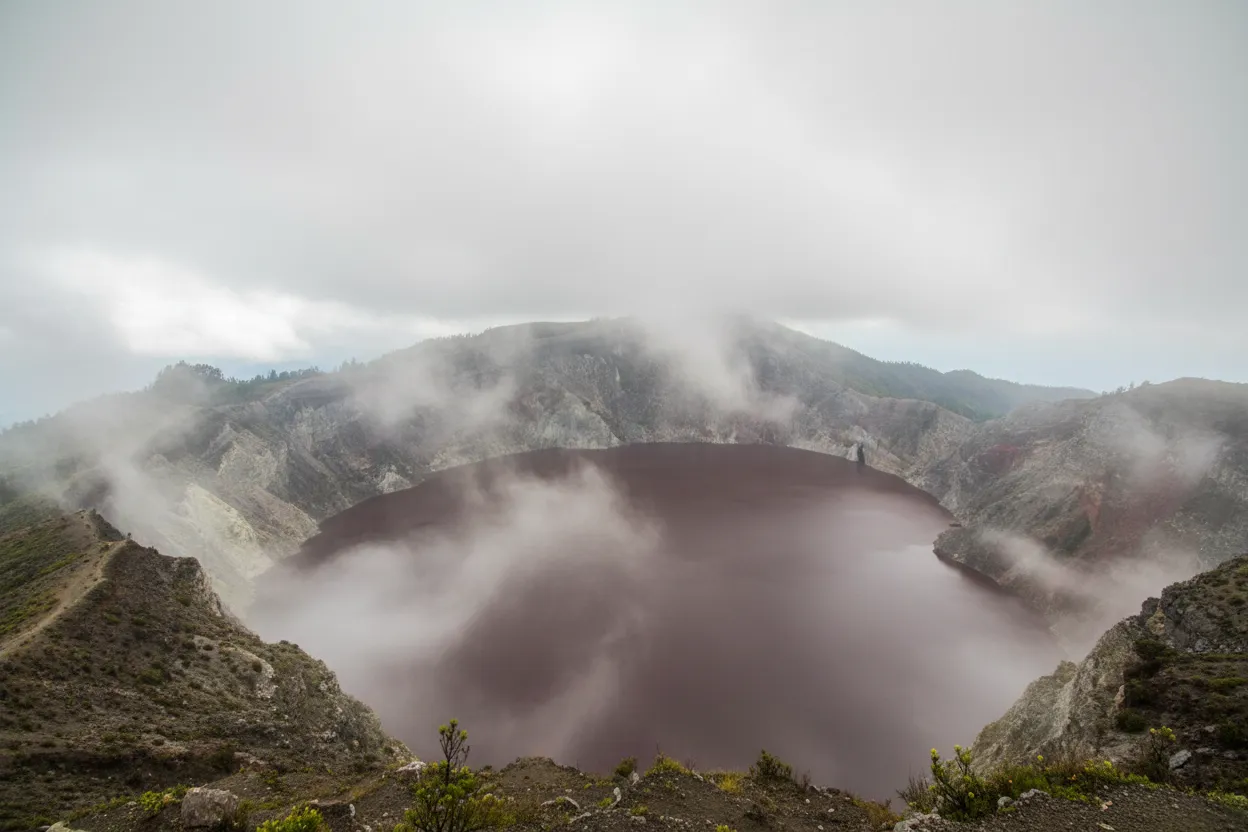
Kelimutu is more than just a destination; it's an experience that invites you to ponder the mysteries of our planet and the depth of human spirituality. It's a place where the earth breathes in vibrant hues, and where the whispers of ancestors echo in the shifting colors of sacred lakes. If you're seeking an adventure that transcends the ordinary, a journey to Kelimutu on Flores Island will undoubtedly leave an indelible mark on your heart and soul. It's a reminder that the most profound wonders often lie hidden, waiting to be discovered by those willing to venture off the beaten path.
Essential Travel Information
- Location Kelimutu Volcano Lakes, Indonesia
- Best Time May to October (dry season)
- Getting There Fly to Ende (ENE), then drive to Moni (1.5-2 hours), followed by an early morning drive/hike to the lakes.
- Airport H. Hasan Aroeboesman Airport (ENE), Ende
- Budget Mid-range, $60-100 USD/day
- Language Indonesian (Bahasa Indonesia), Lio
Find Places to Stay Near Kelimutu Volcano Lakes
Compare hotels, hostels, and unique stays in Indonesia.
Search AccommodationTours & Experiences Near Kelimutu Volcano Lakes
Book guided tours, day trips, and unique experiences.
Browse Tours