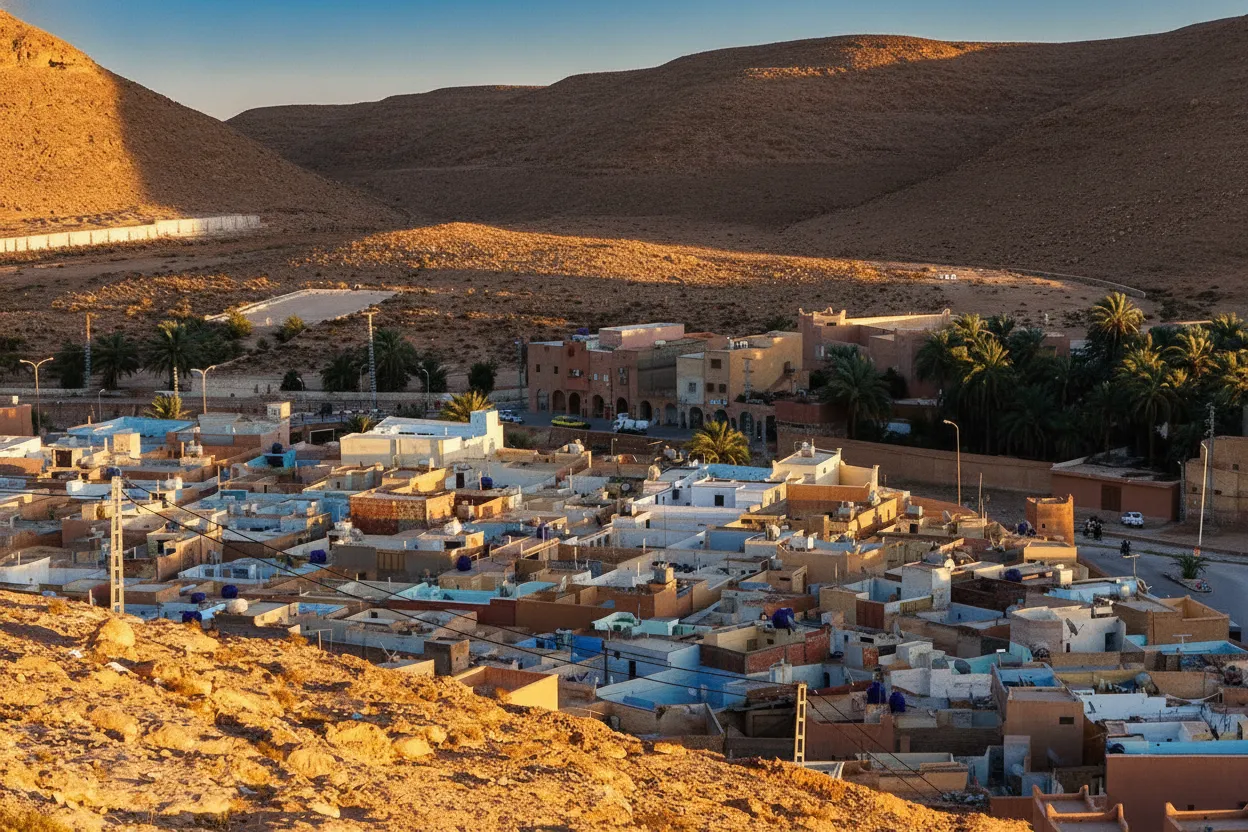
Imagine stepping into a real-life, millennia-old LEGO city, built not by plastic bricks but by sun-dried mud, meticulously stacked to form a living, breathing labyrinth in the heart of the Sahara. This isn't a fantasy; it's Ksar El Atteuf, a captivating medieval desert fortress nestled within Algeria's mystical M'zab Valley. Here, every house is a cube, every alley a story, and every corner whispers tales of a unique civilization that has defied time and the harsh desert elements for over a thousand years. If you're yearning for an adventure that peels back the layers of history and immerses you in a truly preserved culture, Ksar El Atteuf is calling.
Ksar El Atteuf: A Masterpiece of Desert Ingenuity
What makes Ksar El Atteuf so profoundly special isn't just its age, but its ingenious design and the vibrant life that still pulses within its ancient walls. This isn't a deserted ruin; it's a thriving community, the oldest of the five Ksars (fortified villages) that make up the UNESCO World Heritage-listed M'zab Valley. The architecture is a marvel of adaptation: cube-like houses, built from mud, stone, and palm wood, are stacked densely together, creating natural insulation against the scorching Sahara sun and the biting desert nights. Their distinctive pyramidal roofs and subtle decorative elements are a testament to the M'zabite people's aesthetic and practical genius.
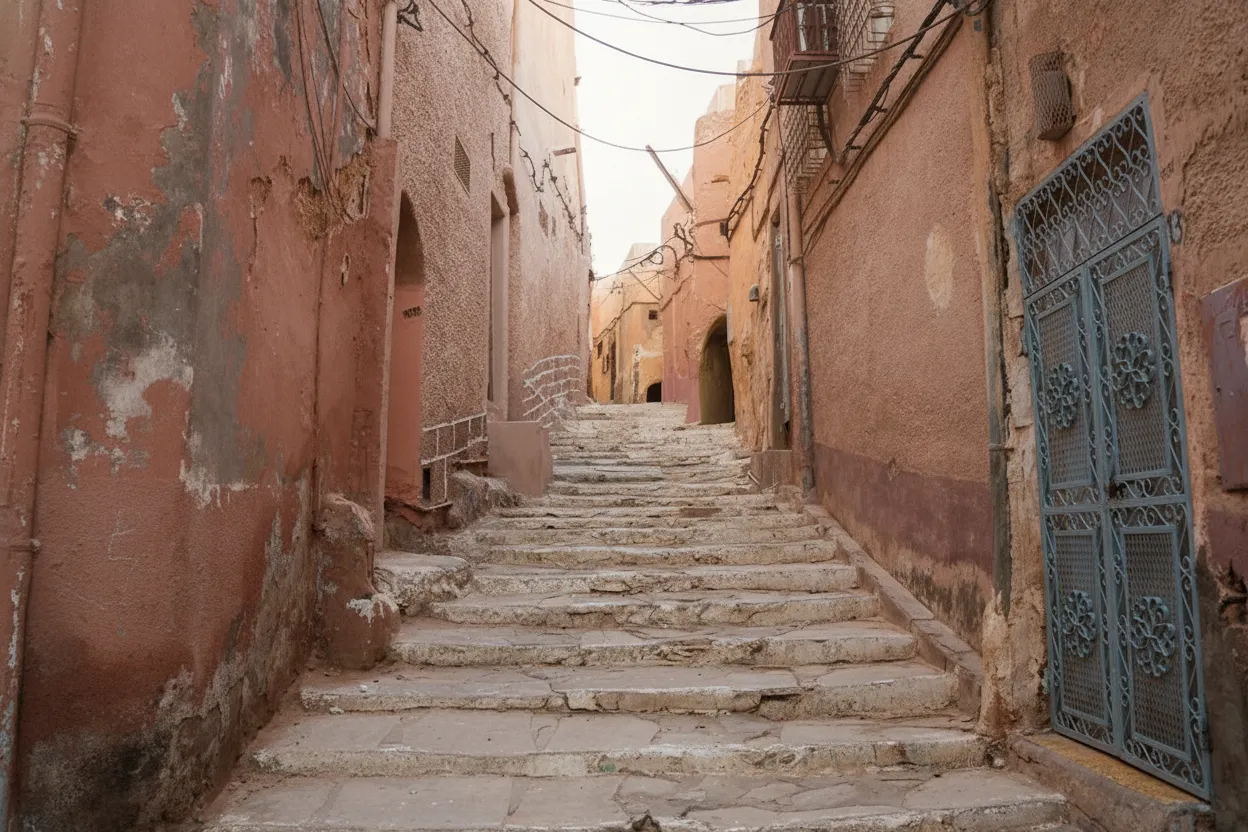
The entire Ksar is a testament to communal living, meticulously planned to foster close-knit social bonds while ensuring privacy and defense. Narrow, winding alleys, barely wide enough for a donkey, snake between the houses, creating shaded pathways that lead to hidden squares, public wells, and ultimately, the grand central mosque. This isn't just a place to live; it's an entire ecosystem built by hand, where every element – from the tiered housing offering natural light to upper levels, to the strategic placement of public spaces – serves a purpose, reflecting a deep respect for both community and environment.
A Glimpse into a Millennia of History and Culture
To understand Ksar El Atteuf is to understand the M'zabite people. They are Ibadites, a branch of Islam that sought refuge in the M'zab Valley around the 10th century, fleeing persecution. In this isolated, arid region of the Sahara, they carved out a new existence, building their unique fortified cities, or Ksars, from scratch. Ksar El Atteuf, founded in 1012, was the first of these settlements, laying the architectural and social blueprint for the others that followed, forming what is known as the Pentapolis of M'zab.
The M'zabites developed a highly organized society with strict moral codes and a strong emphasis on community welfare. Their architecture reflects this perfectly: the houses are outwardly simple, eschewing ostentation, while their interiors are designed for comfort and family life. The central mosque, often built on the highest point, serves not only as a place of worship but also as a watchtower and a symbol of the community's spiritual core. This self-sufficient, deeply traditional culture has remarkably persevered for over a thousand years, making the M'zab Valley, and Ksar El Atteuf in particular, a living museum of a unique desert civilization.
Exploring Ksar El Atteuf: What You'll See and Feel
Stepping through the ancient gates of Ksar El Atteuf is like traversing a portal to another era. The first thing you'll notice is the silence, broken only by the distant calls of daily life, the rustle of wind, or perhaps the braying of a donkey. The air is dry, often carrying the subtle scent of dust and old earth. As you wander through the labyrinthine alleys, guided by the dappled light filtering between the closely packed buildings, you'll be struck by the sheer consistency of the architecture – a harmonious blend of form and function.
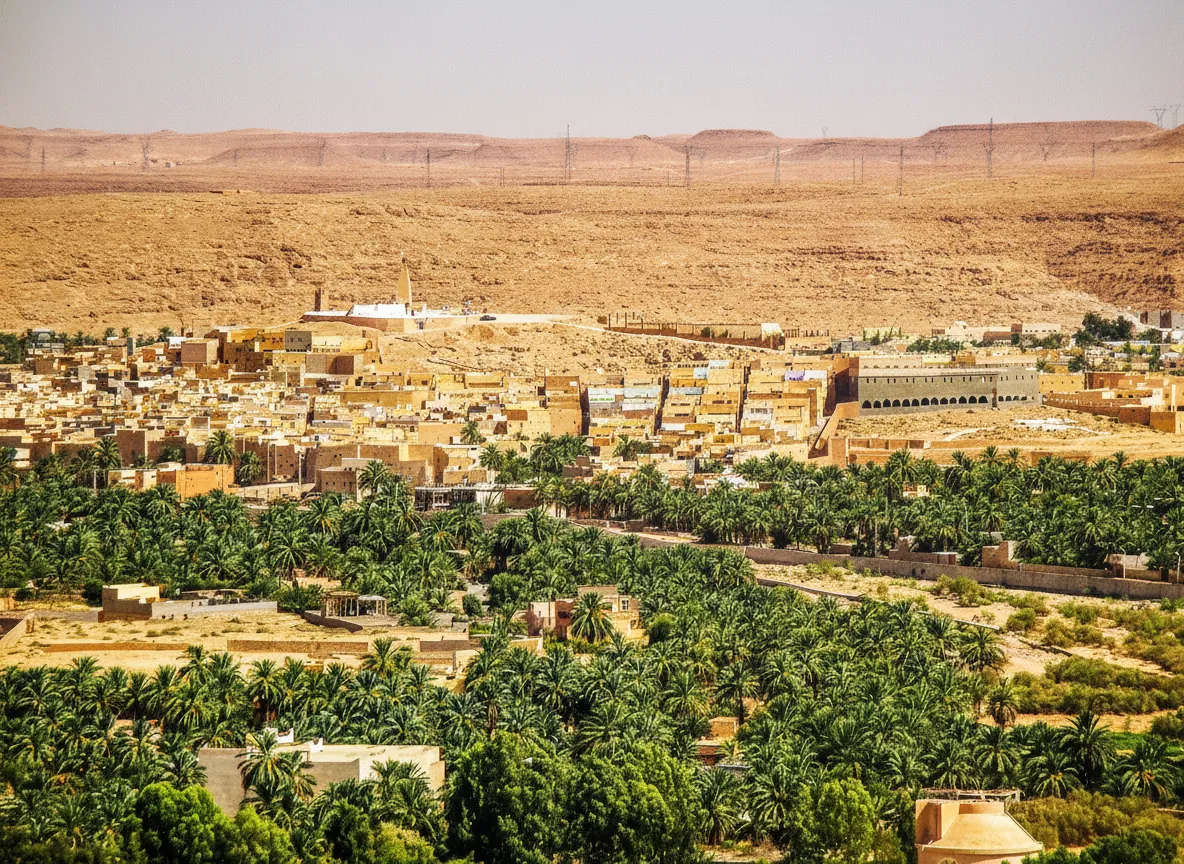
Your journey will likely lead you to the Ksar's magnificent central mosque, its minaret (often more like a truncated pyramid) standing sentinel over the entire village. Inside, the simplicity is profound, reflecting the Ibadite tenets. The cool, shaded prayer halls offer a moment of quiet contemplation. From the mosque, the alleys fan out, revealing hidden public squares where children might play, or women gather for conversations. You'll see the distinct tiered houses, some rising three or four stories, their flat roofs providing extra living space or a place for private contemplation under the vast desert sky.
Every detail tells a story: the unique door knockers, the small, strategically placed windows, the subtle variations in the mud-brick patterns. While privacy is paramount, there's also a sense of shared space and collective responsibility. You might catch glimpses of daily life through open doorways – the preparation of traditional meals, the weaving of textiles, or the quiet rhythm of family life. It’s a truly immersive experience, offering a rare opportunity to witness a culture that has resisted the homogenizing forces of the modern world.
Planning Your Journey to the Heart of the Sahara
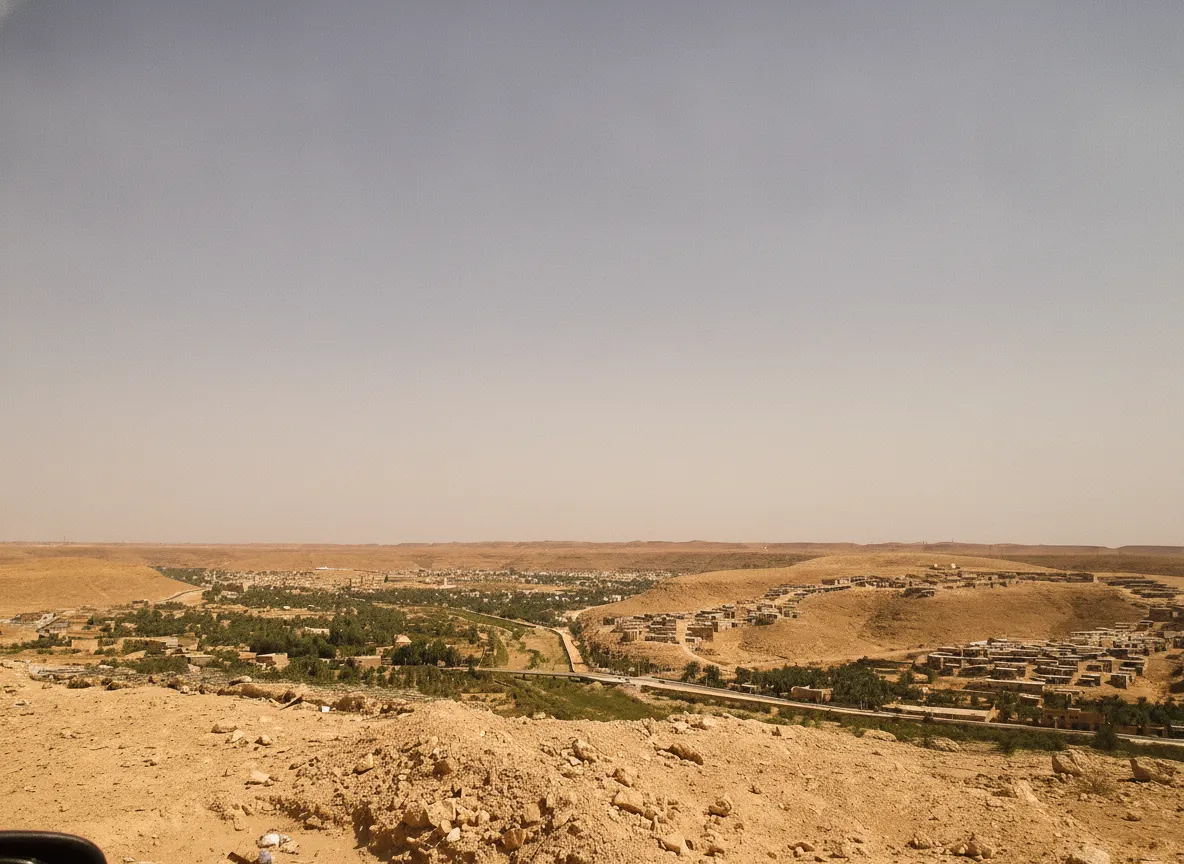
Visiting Ksar El Atteuf and the M'zab Valley is an adventure, requiring a spirit of respectful exploration. This isn't a mass-tourism destination, which is precisely what makes it so special. Here are some practical tips to help you plan your unforgettable trip:
Getting There: The nearest major city and airport is Ghardaïa (GHA). You can fly there from Algiers, the capital of Algeria. From Ghardaïa, Ksar El Atteuf is a short taxi or shared minivan ride away. It's often recommended to arrange transport through your accommodation or a local tour operator.
Local Guides: It is highly recommended, and often mandatory, to hire a local guide when exploring the Ksars. These knowledgeable guides are invaluable for navigating the intricate alleys, understanding the M'zabite culture and history, and ensuring you respect local customs. They can also help with communication, as English isn't widely spoken.
Cultural Sensitivity: The M'zab Valley is a deeply conservative region. Modest dress is essential for both men and women. Women should cover their heads and wear loose clothing that covers arms and legs. Always ask permission before taking photos of people, especially women. Respecting local customs is paramount to a rewarding visit.
Best Time to Visit: The desert climate means extreme temperatures. The best time to visit is during the cooler months, from October to April, when temperatures are more pleasant for exploring. Avoid the peak summer months (June-August) when temperatures can soar well above 40°C (104°F).
Accommodation: Ghardaïa offers a range of guesthouses and hotels. Some traditional guesthouses within or near the Ksars can provide a more authentic experience. Book in advance, especially during peak season.
Ksar El Atteuf is more than just an ancient village; it's a living testament to human ingenuity, resilience, and the enduring power of community. It's a place that challenges your perceptions of urban planning and cultural preservation, offering a profound connection to a way of life that has thrived for centuries. If you're ready to trade the beaten path for a truly extraordinary journey, let the ancient mud-brick walls of Ksar El Atteuf welcome you into a world unlike any other.
Essential Travel Information
- Location Ksar El Atteuf (M'zab Valley), Algeria
- Best Time October to April
- Getting There Fly to Ghardaïa (GHA) from Algiers, then a short taxi ride to Ksar El Atteuf. Local guides are highly recommended.
- Airport Noumerat - Moufdi Zakaria Airport (GHA)
- Budget Mid-range, approximate daily cost $80-150 (excluding international flights)
- Language Arabic, Tamazight (M'zabite dialect)
Find Places to Stay Near Ksar El Atteuf (M'zab Valley)
Compare hotels, hostels, and unique stays in Algeria.
Search AccommodationTours & Experiences Near Ksar El Atteuf (M'zab Valley)
Book guided tours, day trips, and unique experiences.
Browse Tours