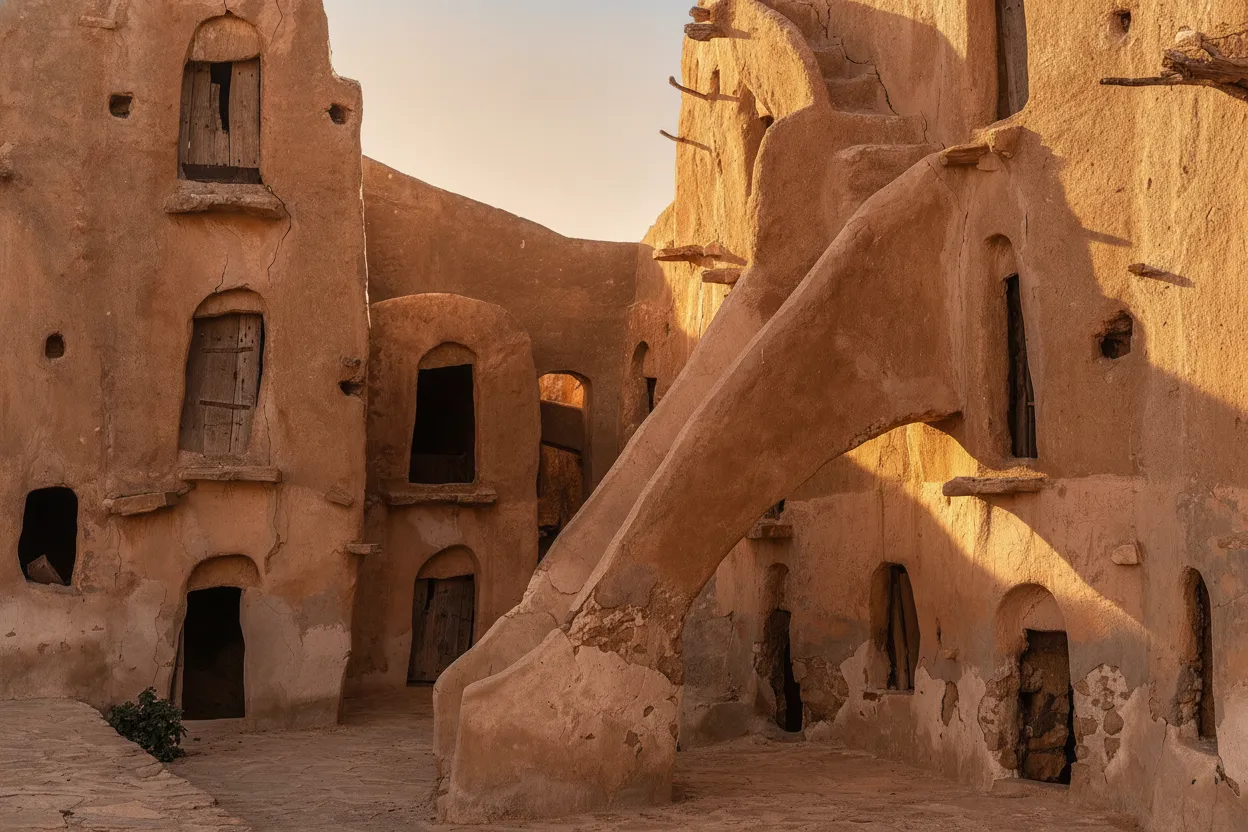
Ksar Ouled Soltane is one of the most stunning examples of a *ghorfa*, a fortified granary built by Berber communities in the 15th century. This isn't just a building; it's a testament to an ancient way of life, a collective masterpiece designed to protect vital harvests from raiders, pests, and the harsh desert elements. Its dramatic, multi-story mud-brick cells, piled haphazardly yet harmoniously on a hilltop, tell tales of resilience and communal cooperation. If you're looking for a destination that truly feels like stepping into another world, Ksar Ouled Soltane is calling your name.
Ksar Ouled Soltane: An Architectural Marvel Born of Necessity
What makes Ksar Ouled Soltane so utterly captivating is its unique architecture. The term *ghorfa* refers to a single, barrel-vaulted cell, typically two to three meters deep and about two meters high. At Ksar Ouled Soltane, these cells are stacked four, five, or even six stories high around two main courtyards – a smaller, older one and a larger, newer one. Imagine hundreds of these individual storage units, each belonging to a different family, interconnected by external staircases and narrow walkways, forming a labyrinthine structure that feels both organic and impossibly grand.
Constructed primarily from sun-dried mud-bricks and palm trunks, the Ksar is a masterpiece of sustainable, local engineering. The thick walls provided natural insulation, keeping the grain cool in summer and protecting it from moisture. The elevated position on the hilltop offered a strategic vantage point against potential attacks, while the single, defensible entrance made it a formidable stronghold. Each family would store their precious grain, olives, and other foodstuffs in their designated *ghorfa*, ensuring their survival through lean times. It’s a powerful reminder of a time when food security was a daily, existential challenge, and communities had to innovate to survive.
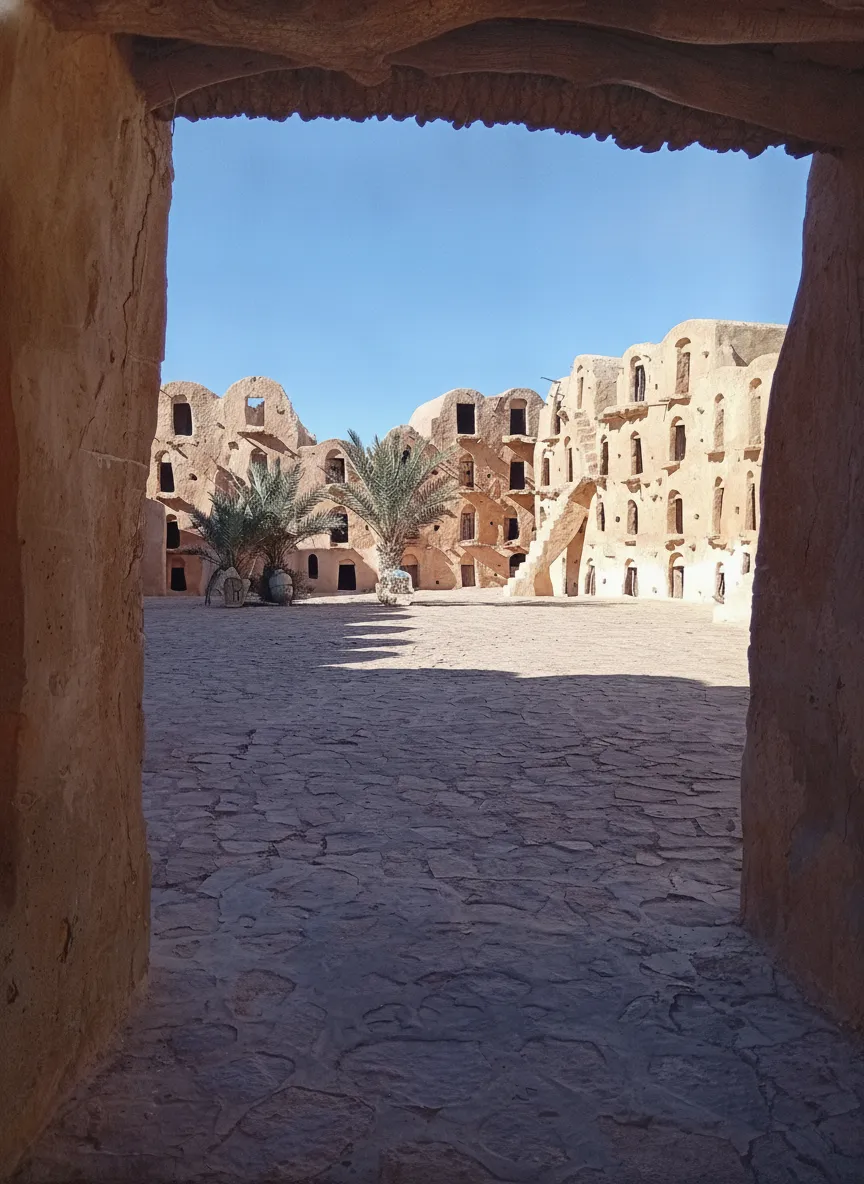
Walking through the courtyards, you can almost hear the echoes of generations past – the chatter of families bringing in their harvest, the creak of wooden doors, the watchful eyes of guards. The sheer scale of the Ksar, with its hundreds of openings resembling a colossal beehive, is genuinely awe-inspiring. It’s a functional piece of art, a living museum that speaks volumes about the ingenuity and collective spirit of the Berber people.
Whispers of History: The Berber Legacy and Desert Survival
The story of Ksar Ouled Soltane is deeply interwoven with the history of the Berber people, the indigenous inhabitants of North Africa. Built in the 15th century, during a period of frequent raids and instability, these fortified granaries (ksour, plural of ksar) were essential for protecting communities in the arid, often hostile environment of southern Tunisia. The Tataouine region, where Ksar Ouled Soltane is located, is particularly rich in these magnificent structures, each with its own unique charm and history.
The construction and maintenance of a ksar like Ouled Soltane was a monumental communal undertaking. Families would contribute labor, materials, and expertise, understanding that their collective survival depended on its strength and integrity. The ksar wasn't just a place of storage; it was the economic heart of the community, a symbol of their resilience against the harsh realities of desert life and the constant threat of nomadic raiders. It represents a fascinating example of ancient communal living, where individual prosperity was inextricably linked to the well-being of the entire group.
Over centuries, as the threats lessened and modern agricultural practices evolved, many of these *ghorfas* fell into disuse. However, Ksar Ouled Soltane has been remarkably well-preserved and partially restored, allowing visitors to truly grasp its historical significance and architectural grandeur. It stands as a proud monument to the enduring legacy of the Berber people and their incredible ability to adapt and thrive in challenging environments.
Stepping Inside a Galaxy Far, Far Away (and Ancient Tunisia)
For many, Ksar Ouled Soltane holds another, perhaps more unexpected, claim to fame: it served as a filming location for *Star Wars: Episode I – The Phantom Menace*. Fans of the saga will recognize its distinctive architecture as part of the Mos Espa slave quarters on Tatooine, home to young Anakin Skywalker. Walking through its ancient courtyards and narrow passages, it's easy to imagine pod racers zooming overhead or Jedi Knights on a clandestine mission. The otherworldly feel of the Ksar perfectly suited George Lucas's vision, and its appearance in the film has only added to its mystique and appeal.
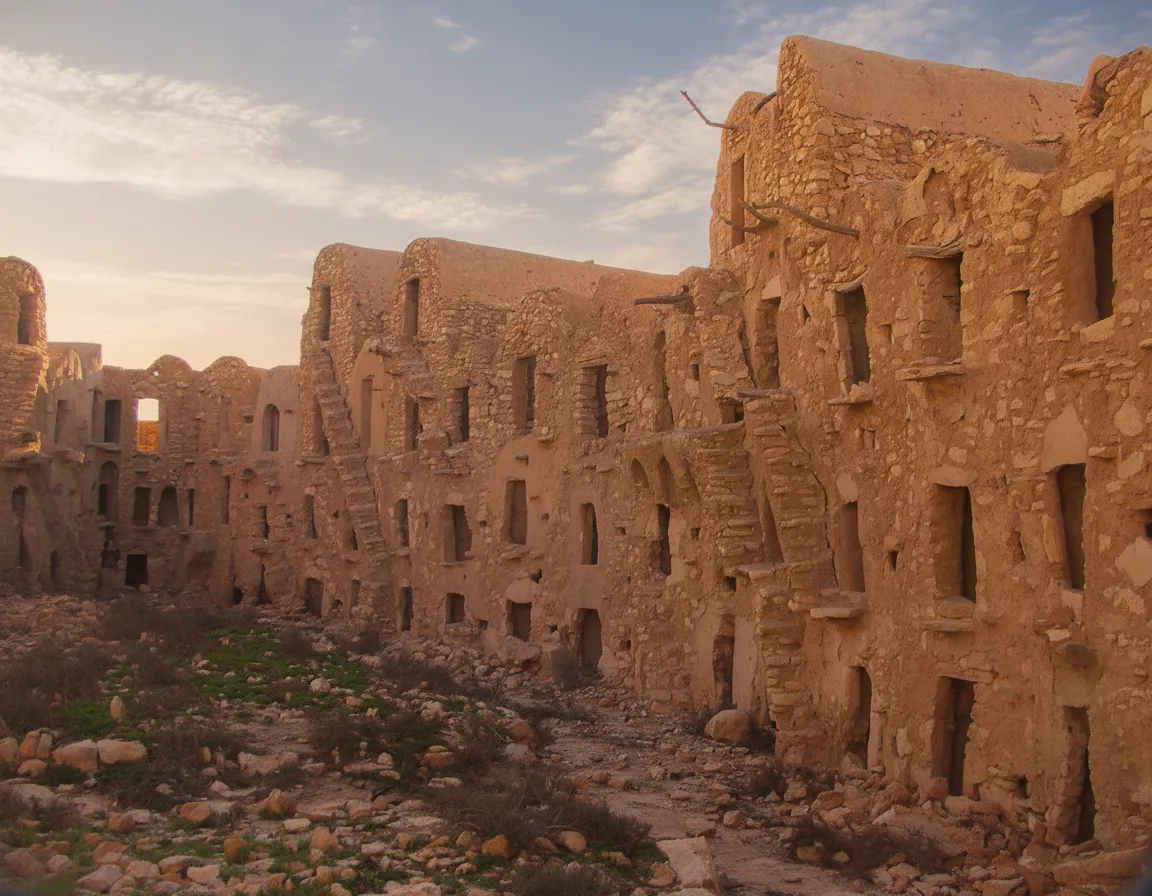
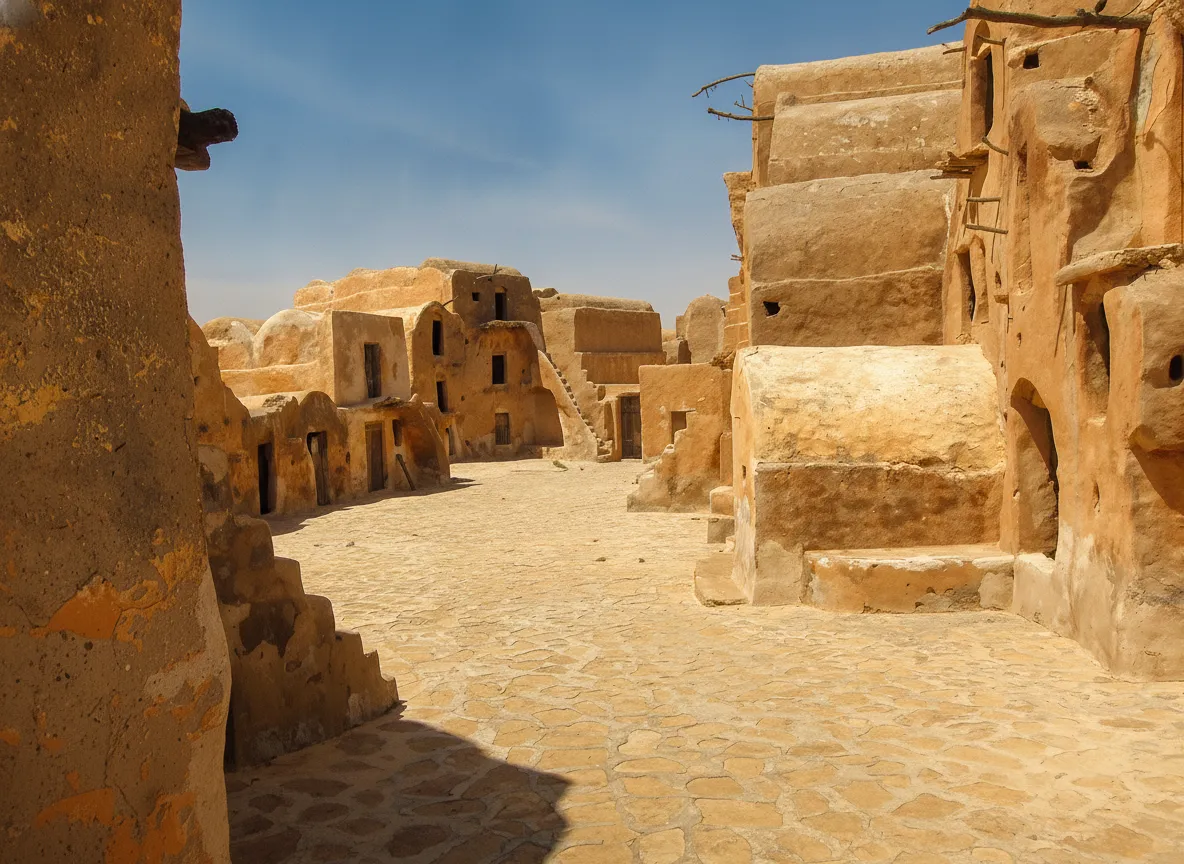
But even without the Star Wars connection, visiting Ksar Ouled Soltane is an immersive experience. As you wander through the two main courtyards, you'll be struck by the sheer number of *ghorfas*, each with its own small wooden door. Some are still in remarkable condition, while others show the beautiful wear of centuries. You can climb the external staircases (be mindful of uneven steps!) to reach the upper levels, offering stunning panoramic views of the surrounding desert landscape and the Ksar itself. The silence, broken only by the wind or the occasional chirp of a bird, enhances the feeling of stepping back in time.
While the Ksar is primarily a historical site, you might find a few local vendors selling crafts or souvenirs, or perhaps a small cafe offering refreshing mint tea. These encounters provide a wonderful opportunity to interact with the local community and gain a deeper appreciation for the region's culture. Don't rush your visit; take your time to explore, to imagine, and to simply soak in the incredible atmosphere of this truly unique place.
Your Journey to Ksar Ouled Soltane: Practical Tips for an Unforgettable Visit
Ksar Ouled Soltane might be a hidden gem, but it's surprisingly accessible, especially if you're exploring the wider Tataouine region. Here’s what you need to know to plan your visit:
Getting There: Ksar Ouled Soltane is located approximately 20 kilometers southeast of Tataouine, the main town in the governorate. The easiest way to reach it is by renting a car in Djerba or Tunis, or by hiring a private taxi from Tataouine. Many organized tours, particularly those focusing on desert excursions from Djerba, Tozeur, or Tunis, include Ksar Ouled Soltane as a highlight. The roads are generally well-maintained, making for a smooth drive.
Best Time to Visit: The desert climate can be extreme. The ideal time to visit is during spring (March to May) or autumn (September to November). During these months, temperatures are pleasant, making exploration comfortable. Summers (June-August) can be scorching hot, and winters (December-February) can be surprisingly chilly, especially in the evenings.
What to Bring: Hydration is key! Carry plenty of water. Sun protection is essential – a wide-brimmed hat, sunglasses, and high-SPF sunscreen are highly recommended. Wear comfortable, sturdy shoes as you'll be walking on uneven surfaces and climbing stairs. Don't forget your camera; the photographic opportunities here are endless!
Respectful Tourism: Tunisia is a Muslim country with a rich cultural heritage. Dress modestly, especially when visiting historical sites or engaging with local communities. Always ask permission before taking photos of people. Embrace the local customs and hospitality.
Accommodation: While there are no hotels directly at Ksar Ouled Soltane, the nearby town of Tataouine offers a range of accommodations, from basic guesthouses to more comfortable hotels. Many visitors also stay in Djerba and take a day trip or multi-day tour to the region.
Combine with Other Sights: The Tataouine region is dotted with other fascinating ksour, like Ksar Medenine, Ksar Hadada, and the incredible troglodyte village of Chenini. Consider making your trip a multi-day adventure to explore these unique desert settlements and experience the rich Berber culture of southern Tunisia.
Ksar Ouled Soltane is more than just a historical site; it's an experience that transports you through time, offering a profound glimpse into ancient ingenuity and the enduring spirit of human communities. It’s a powerful reminder of how necessity can inspire breathtaking architectural wonders and how, even in the most challenging environments, people found ways to thrive. So, pack your sense of adventure and prepare to be utterly enchanted by this magnificent desert fortress.
Essential Travel Information
- Location Ksar Ouled Soltane, Tunisia
- Best Time Spring (March-May) and Autumn (September-November) for pleasant temperatures.
- Getting There Located about 20 km southeast of Tataouine. Best reached by rental car, private taxi, or as part of an organized tour from Djerba or Tozeur.
- Airport Djerba–Zarzis International Airport (DJE)
- Budget Mid-range, approx. 50-80 USD/day (excluding flights and major tours)
- Language Arabic (Tunisian dialect), French, some Berber languages
Find Places to Stay Near Ksar Ouled Soltane
Compare hotels, hostels, and unique stays in Tunisia.
Search AccommodationTours & Experiences Near Ksar Ouled Soltane
Book guided tours, day trips, and unique experiences.
Browse Tours