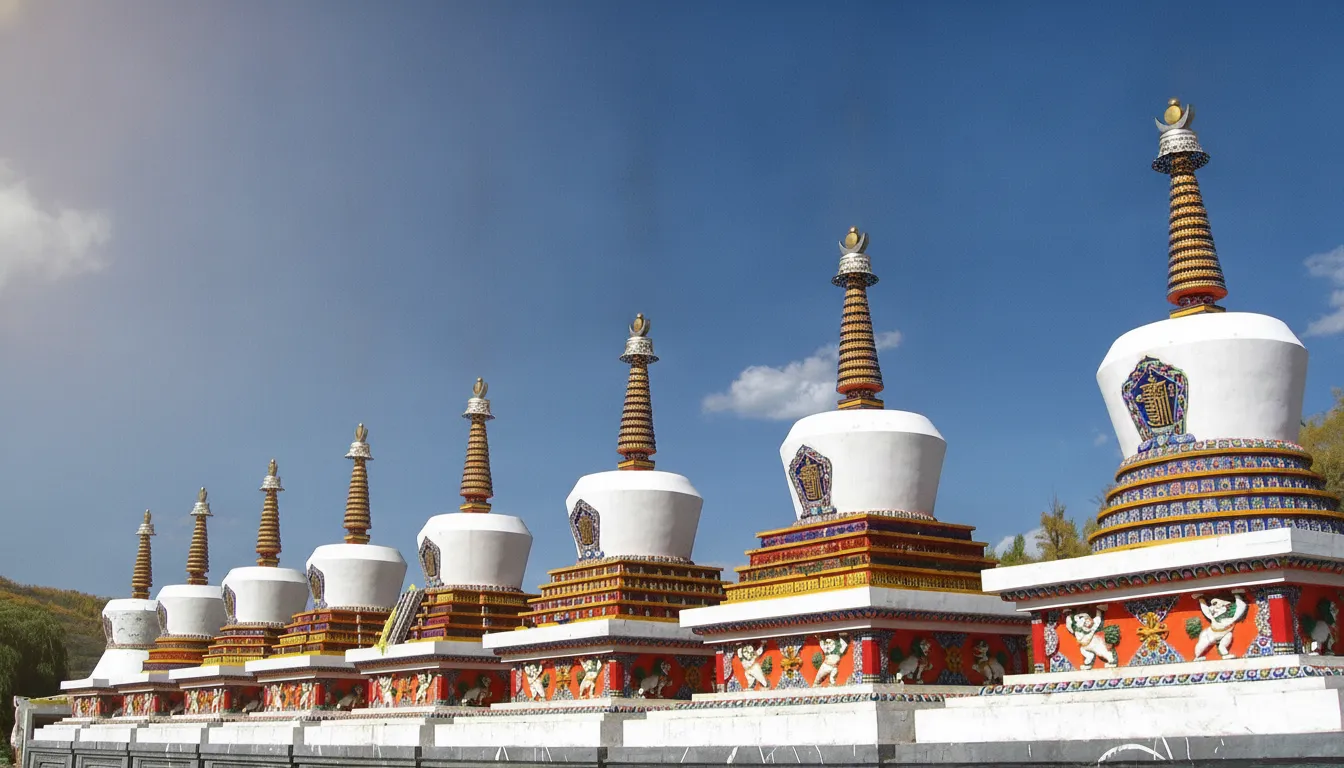
Imagine monumental, vividly colored sculptures, intricate as lace, crafted entirely from yak butter, enduring only briefly before melting back to nature. This isn't a fantastical dream, but a profound reality found tucked away in the serene landscapes of China's Qinghai Province. At Kumbum Monastery, an ancient Tibetan Buddhist sanctuary, an annual spectacle unfolds that defies imagination: the creation and exhibition of breathtaking butter sculptures. These aren't just art pieces; they are living prayers, meticulously shaped by the skilled hands of monks, offering a fleeting glimpse into a spiritual world where beauty is celebrated in its most ephemeral form. If you're searching for a travel experience that transcends the ordinary, a journey to witness these sacred masterpieces might just be the most awe-inspiring adventure you ever embark on.
The Ephemeral Masterpieces: What Makes the Butter Sculptures So Special?
What makes the Kumbum Monastery butter sculptures so utterly unique and compelling? It's a confluence of artistry, devotion, and the poignant embrace of impermanence. Each year, as the Tibetan New Year approaches, a select group of monks at Kumbum dedicates themselves to an arduous, months-long process. Working in freezing conditions – a necessity to prevent the yak butter from melting – they meticulously sculpt intricate scenes and figures. The raw material is yak butter, softened and then kneaded with various mineral pigments to create a vibrant palette of reds, blues, greens, and golds. The precision is astonishing: delicate floral patterns, serene deities, powerful mythical creatures, and vivid narrative scenes from Buddhist scriptures are brought to life with an almost unbelievable level of detail. Think miniature worlds, each element perfectly formed, from the folds of a deity's robes to the individual petals of a lotus flower.
This isn't merely decorative art; it's a deeply spiritual practice. The sculptures, known as torma, are traditional offerings in Tibetan Buddhism, but at Kumbum, they have evolved into an unparalleled art form. The culmination of this monumental effort is the annual Butter Lamp Festival (Monlam Chenmo), usually held on the 15th day of the first lunar month (late February or early March). For one glorious night, the monastery grounds are transformed into an open-air gallery, illuminated by countless butter lamps, casting a soft, flickering glow upon these ephemeral masterpieces. The sheer scale and beauty are overwhelming, yet the knowledge that these intricate works will melt away within days, returning to their natural state, imbues the experience with a profound sense of the Buddhist principle of impermanence. It's a powerful reminder that all things are transient, a lesson in letting go, beautifully expressed through art.
A Glimpse into History: The Roots of Kumbum and its Butter Art
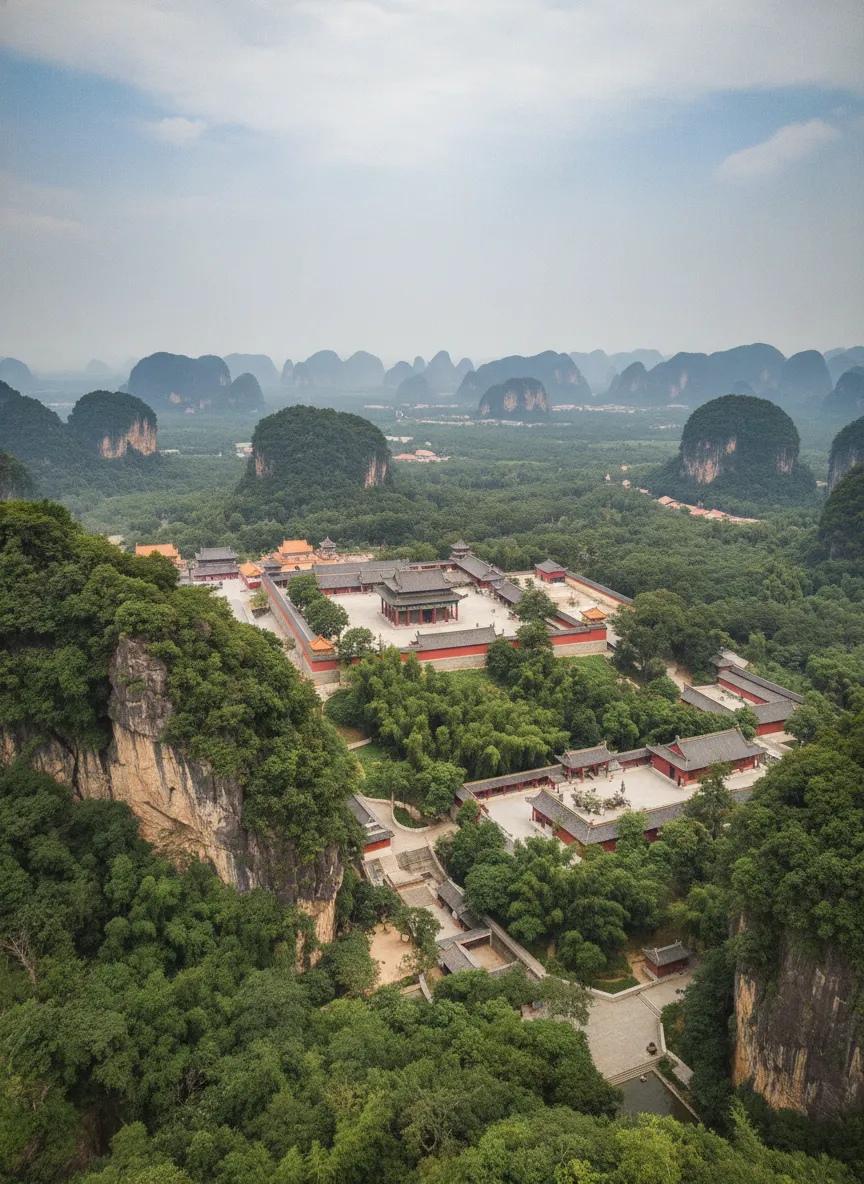
To truly appreciate the butter sculptures, one must understand the monastery that births them. Kumbum Monastery, known in Tibetan as Gumbum Jampaling, is one of the six great monasteries of the Gelug school of Tibetan Buddhism. Its significance is immense: it stands on the very spot where Je Tsongkhapa, the revered founder of the Gelug school, was born in 1357. Legend has it that a sandalwood tree grew from the spot where his umbilical cord was cut, bearing 100,000 images of the Buddha on its leaves and bark – hence the name "Kumbum," meaning "100,000 images." The monastery was formally established in 1583, growing into a sprawling complex that has educated countless monks and preserved rich Tibetan Buddhist traditions for centuries.
The tradition of crafting butter sculptures at Kumbum dates back to the 15th century, evolving from simpler ritual offerings into the elaborate artistic displays seen today. Initially, torma were relatively small, symbolic offerings. Over time, particularly within the Gelug school, the practice of creating larger, more detailed butter sculptures for special festivals grew. Kumbum became renowned for its unique style and the exceptional skill of its butter sculptors, known as tsampa lamas. This annual ritual is not just about artistic expression; it's a spiritual exercise, a form of meditation and devotion. Each stroke, each carefully placed piece of butter, is a prayer, a contribution to the spiritual merit of the community and the world. The Butter Lamp Festival itself has ancient roots, commemorating the Buddha's triumph over six rival teachers through miraculous displays, and the butter sculptures serve as the central visual spectacle of this celebration.
Stepping into a Dream: What You'll See at Kumbum Monastery
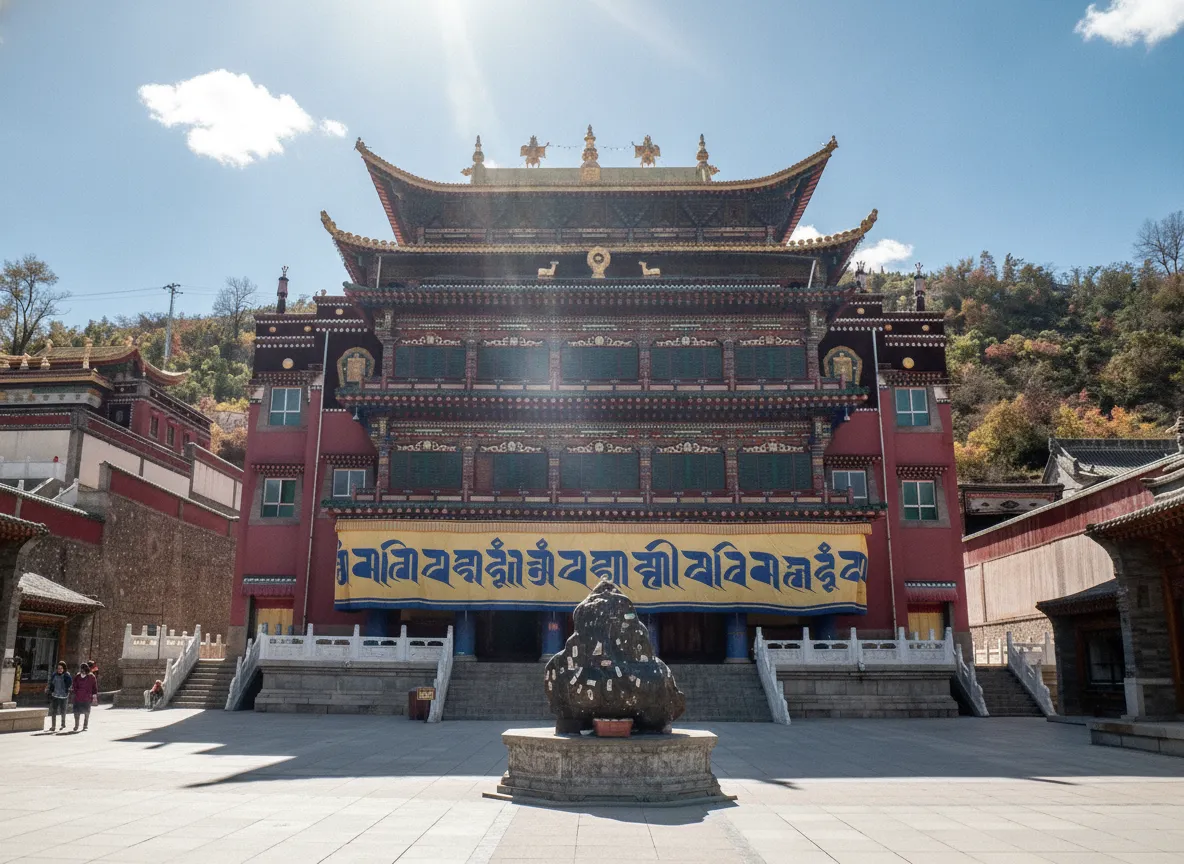
Visiting Kumbum Monastery, especially during the Butter Lamp Festival, is an immersive experience that engages all your senses. Beyond the central spectacle of the butter sculptures, the monastery itself is a treasure trove of Tibetan Buddhist art and architecture. As you approach, you'll be struck by the grandeur of its golden roofs shimmering in the Qinghai sun, the vibrant prayer flags fluttering in the breeze, and the rhythmic chant of prayers carried on the wind. The air is thick with the scent of incense and yak butter, creating an atmosphere of profound reverence.
During the festival, the main courtyards and halls are where the butter sculptures are displayed. Imagine walking through a gallery where each piece is a masterpiece of ephemeral art, some towering several meters high, others intricate miniatures. The sculptures depict a vast array of subjects: fierce protector deities with multiple arms, serene Buddhas radiating compassion, celestial dancers frozen in graceful poses, and narrative scenes illustrating parables from Buddhist scriptures. The colors are astonishingly vivid, achieved through natural dyes, making each sculpture a dazzling focal point. Crowds of pilgrims, both local Tibetans and visitors from afar, move slowly, reverently observing the art, often offering prayers. The soft glow of thousands of butter lamps creates a magical, almost otherworldly ambiance, making the experience feel like stepping into a dream. Beyond the sculptures, take time to explore the monastery's many halls, pagodas, and colleges, each adorned with exquisite murals, thangkas (scroll paintings), and ancient scriptures, offering a deeper insight into the rich tapestry of Tibetan Buddhist culture.
Planning Your Journey: Practical Tips for Visiting Kumbum
Embarking on a journey to Kumbum Monastery requires a bit of planning, but the rewards are immeasurable. The absolute best time to visit if you want to witness the butter sculptures is during the **Butter Lamp Festival**, which typically falls in **late February or early March** (the 15th day of the first lunar month in the Tibetan calendar). Exact dates vary each year, so it's crucial to check the specific lunar calendar well in advance. Outside of the festival, you can still visit the monastery and appreciate its beauty and history, but you won't see the elaborate butter sculptures.
The nearest major city and transport hub is **Xining**, the capital of Qinghai Province. Xining has an international airport (Xining Caojiabao International Airport, XNN) with connections to major Chinese cities. From Xining, Kumbum Monastery is approximately 25-30 kilometers southwest, easily accessible by public bus (from Xining's long-distance bus station) or by taxi. The journey takes about an hour. Be aware that Xining is at an altitude of around 2,275 meters (7,464 feet), and Kumbum is slightly higher, so it's wise to take it easy on your first day to acclimatize, especially if you're coming from sea level. Stay hydrated and avoid strenuous activity.
When visiting the monastery, respectful attire is essential: dress modestly, covering your shoulders and knees. Photography is generally permitted in most outdoor areas, but always ask before taking pictures inside prayer halls or of monks, and be discreet. During the festival, expect large crowds, so be prepared for a bustling atmosphere. Accommodation options are plentiful in Xining, ranging from budget guesthouses to mid-range hotels. There are a few basic guesthouses near the monastery itself, but for comfort and variety, Xining is your best bet. Embrace the unique cultural experience, be open to learning, and prepare to be moved by the profound artistry and spirituality of Kumbum Monastery.
The Kumbum Monastery butter sculptures are more than just an artistic marvel; they are a vibrant, living tradition that offers a rare and deeply moving insight into Tibetan Buddhist culture. To witness these ephemeral masterpieces is to experience beauty, devotion, and the profound wisdom of impermanence all in one unforgettable journey. It's a hidden gem that promises to leave an indelible mark on your soul, urging you to look beyond the tangible and find wonder in the fleeting.
Essential Travel Information
- Location Kumbum Monastery Butter Sculptures, China
- Best Time Late February or early March (during the Butter Lamp Festival, dates vary annually by lunar calendar)
- Getting There Fly to Xining (XNN), then take a public bus or taxi about 25-30km southwest to Kumbum Monastery.
- Airport Xining Caojiabao International Airport (XNN)
- Budget Mid-range (approx. $50-100 USD per day including accommodation, food, transport, and entry fees)
- Language Standard Mandarin, Tibetan
Find Places to Stay Near Kumbum Monastery Butter Sculptures
Compare hotels, hostels, and unique stays in China.
Search AccommodationTours & Experiences Near Kumbum Monastery Butter Sculptures
Book guided tours, day trips, and unique experiences.
Browse Tours