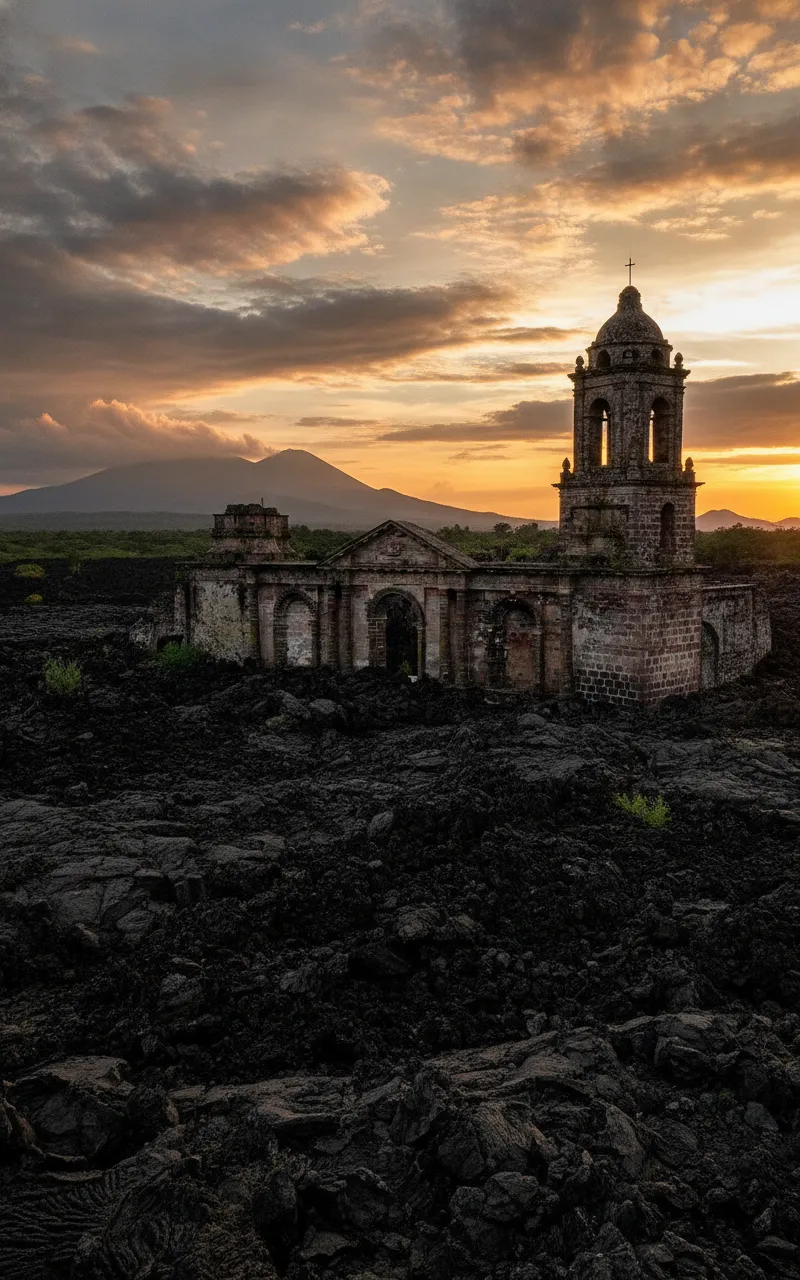
The Day the Earth Roared: Parícutin's Fiery Birth
Our story begins not in ancient times, but in the surprisingly recent past, on February 20, 1943. Picture this: a quiet afternoon in a farmer’s cornfield, near the unassuming village of San Juan Parangaricutiro. Dionisio Pulido, a local farmer, was going about his daily chores when he noticed a strange fissure in the earth, emitting smoke and a peculiar sulfurous smell. Within hours, the ground began to tremble, and a small cone of ash and rock started to rise from his field. This wasn't just a crack in the earth; it was the birth of a brand-new volcano, Parícutin, one of the youngest volcanoes on Earth.
The volcano grew with astonishing speed. In just 24 hours, it stood several stories high. Within a week, it towered over 150 meters, spewing ash and cinders across the landscape. The villagers of San Juan Parangaricutiro, initially bewildered and then terrified, watched as their world transformed. They were forced to evacuate, leaving behind their homes, their livelihoods, and their beloved church, trusting that the lava flow would spare their sacred sanctuary. But Parícutin was relentless. Over the next year, rivers of molten rock, slow but unstoppable, crept across the land, consuming everything in their path. The village was completely buried, swallowed whole by the earth's fiery breath.
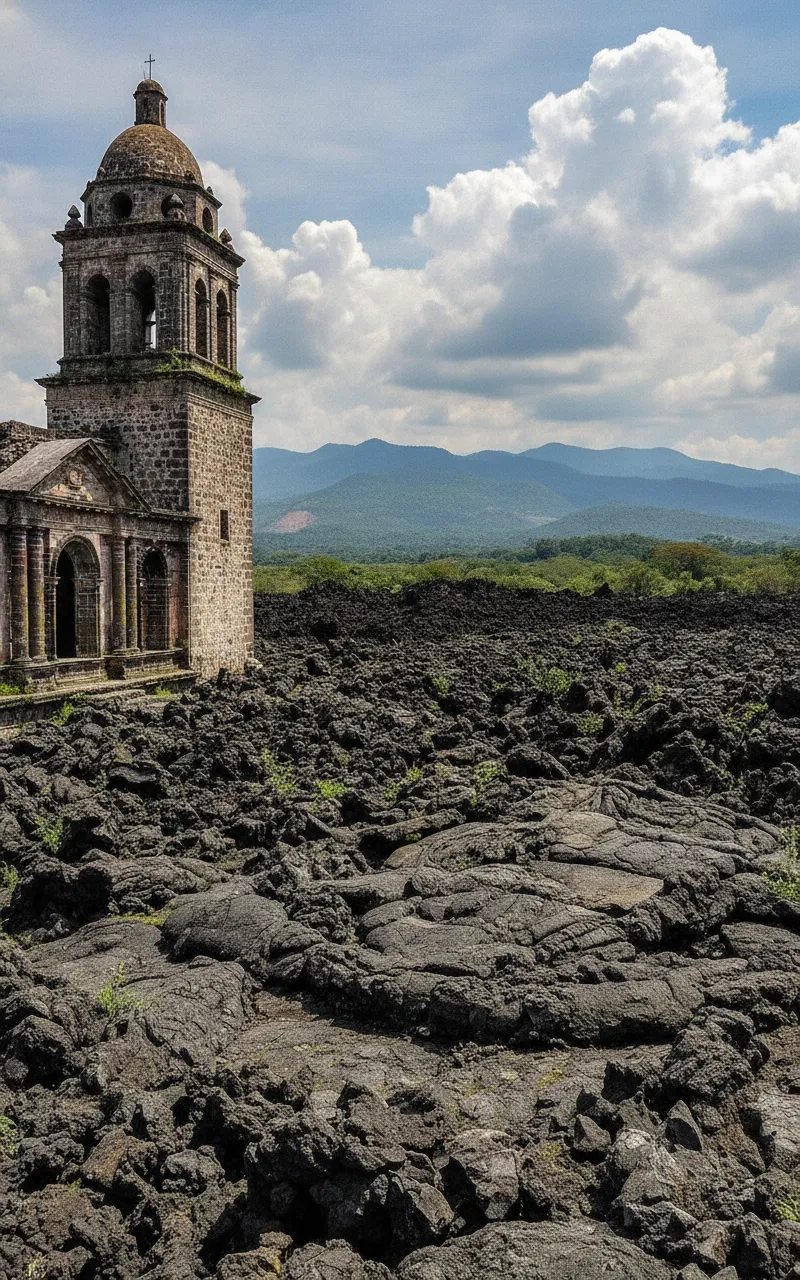
A Sacred Structure Entombed: What Remains
Today, when you approach La Iglesia de San Juan Parangaricutiro, you're not just visiting ruins; you're stepping onto a landscape frozen in time, a geological marvel and a poignant historical monument. What you'll witness is truly extraordinary: the bell tower and a portion of the altar of the old church, defiantly piercing through the undulating, petrified waves of black lava. It stands as a solitary sentinel, a ghostly testament to the village that once thrived beneath it.
Walking across the hardened lava fields to reach the church is an experience in itself. The terrain is rugged, a stark, almost alien landscape of dark, brittle rock, occasionally softened by patches of resilient green moss and hardy shrubs. The silence here is profound, broken only by the wind whispering through the steeple and the crunch of your footsteps on the volcanic rock. As you get closer, you can discern the intricate details of the church's stonework, remarkably preserved despite its fiery ordeal. The bell tower, still reaching for the sky, and the remnants of the altar, now open to the elements, evoke a powerful sense of loss and wonder. It's a place where you can almost hear the echoes of a community's faith and the terrifying roar of the volcano.
The contrast between the dark, destructive lava and the enduring, sacred structure is what makes this site so profoundly moving. It’s a powerful visual metaphor for nature’s overwhelming force and humanity’s stubborn refusal to be completely erased. The interior of what remains of the church, though open to the sky, still feels like a hallowed space, inviting quiet contemplation and reflection on the transient nature of life and the enduring power of belief.
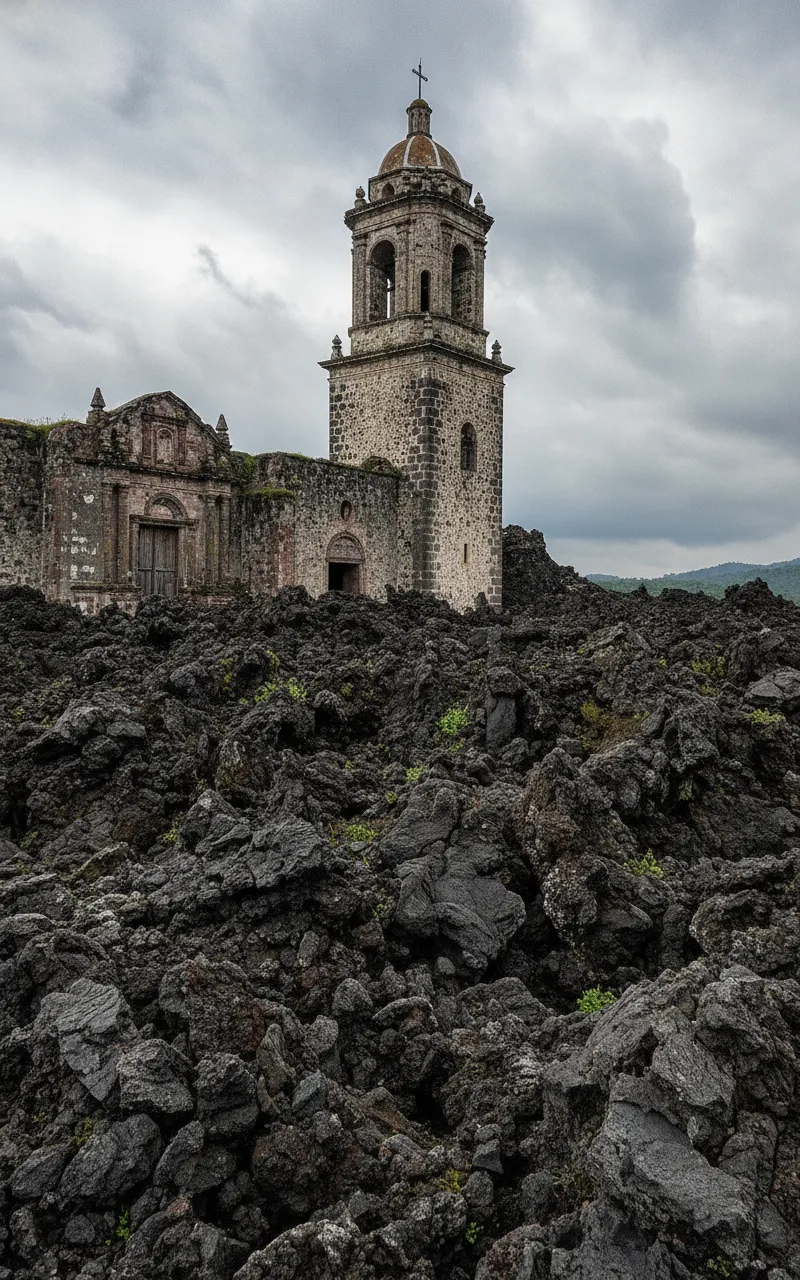
More Than a Ruin: A Testament to Resilience
La Iglesia de San Juan Parangaricutiro is more than just a geological curiosity or a historical ruin; it's a living symbol of resilience. The villagers, though displaced, did not abandon their heritage. They relocated and founded a new town, San Juan Nuevo Parangaricutiro, carrying with them their traditions, their faith, and their memories. They regularly make pilgrimages back to the old church, keeping its spirit alive and demonstrating an unwavering connection to their ancestral land.
This site offers a unique opportunity to connect with local culture. You'll often find indigenous Purépecha people, descendants of the original villagers, acting as guides, sharing their family histories and the oral traditions surrounding the volcano's eruption. Their stories add a deeply personal layer to the experience, transforming the landscape from a mere tourist attraction into a vibrant tapestry of human experience and enduring spirit. Understanding their connection to this land and the church makes the visit even more meaningful.
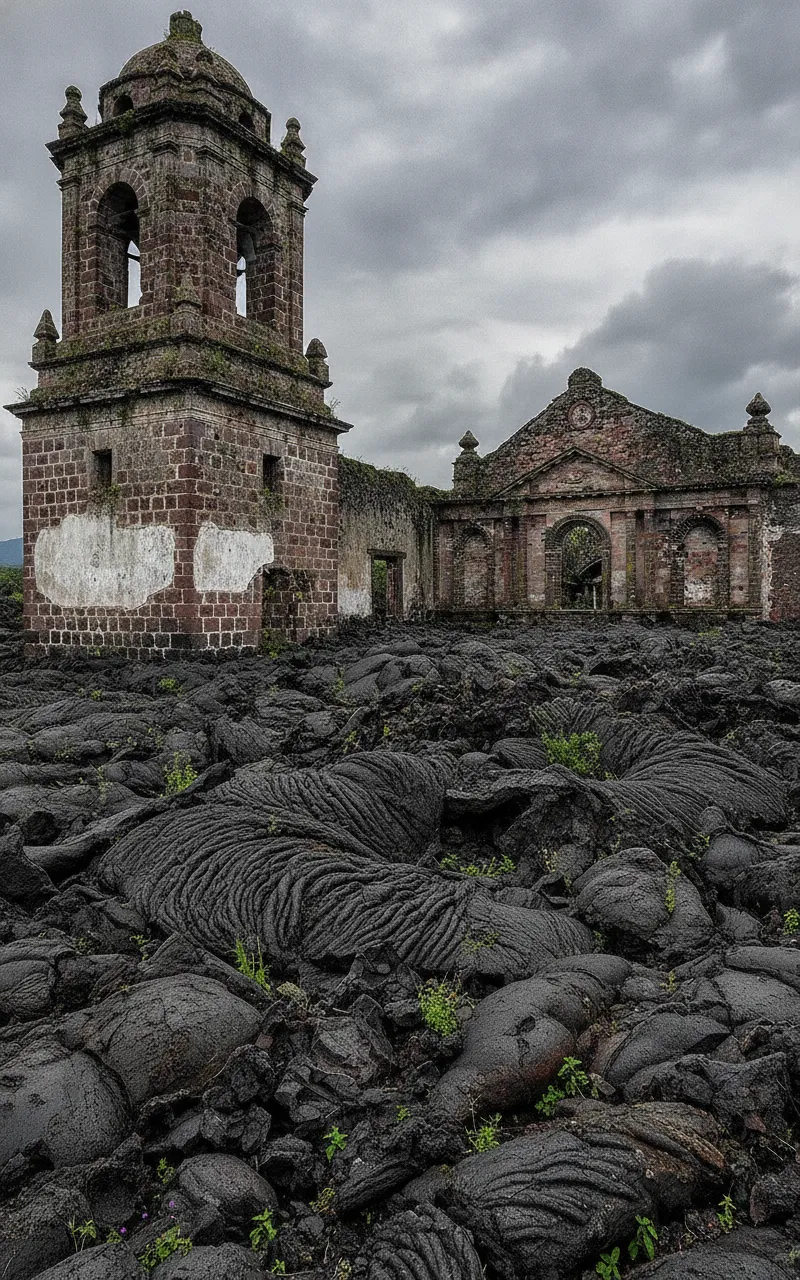
Planning Your Pilgrimage: Practical Tips for Visiting
Visiting La Iglesia de San Juan Parangaricutiro is an adventure, but a rewarding one. Here’s how to make the most of your journey:
- Getting There: The most common starting point is Uruapan, Michoacán, a vibrant city known for its avocado orchards and national park. From Uruapan, you can take a local bus or taxi to the nearby indigenous town of Angahuan or directly to San Juan Nuevo Parangaricutiro. From Angahuan, the journey to the church is typically done on foot (about an hour's walk over uneven terrain) or, for a truly authentic experience, by hiring a local guide with a horse. The horseback ride offers incredible views and is a memorable part of the adventure.
- What to Expect: The terrain around the church is rough, consisting of solidified lava flow. Wear sturdy, comfortable closed-toe shoes with good ankle support. The Michoacán weather can be unpredictable; bring layers, a hat, sunscreen, and plenty of water. There are usually local vendors near the site selling snacks and drinks, but it's always good to be prepared.
- Respecting the Site: This is a sacred place for the local community. Be respectful of the church and the surrounding environment. Take only photographs, leave only footprints. Support the local economy by hiring a local guide or purchasing crafts.
- Best Time to Visit: The dry season, roughly from November to April, offers the most pleasant weather for hiking and exploring. The rainy season can make the paths muddy and slippery, though the mist and clouds can add a dramatic, ethereal quality to the landscape.
- Local Experience: Don't rush your visit. Take time to soak in the atmosphere. Engage with the local guides; their insights are invaluable. Consider trying local Purépecha cuisine in Angahuan or San Juan Nuevo, often featuring delicious corn-based dishes and unique regional flavors.
Why La Iglesia de San Juan Parangaricutiro Should Be On Your List
In a world of increasingly homogenized travel experiences, La Iglesia de San Juan Parangaricutiro stands out as a truly unique destination. It's a place that challenges your perceptions, ignites your imagination, and leaves a lasting impression. It’s a vivid reminder of the earth’s dynamic nature, the fragility of human endeavors, and the enduring strength of faith and community.
If you're a traveler seeking depth, history, and an encounter with the sublime, if you yearn for stories etched not just in books but in the very landscape, then add this hidden gem in Michoacán to your itinerary. It’s more than a visit; it’s a pilgrimage to a place where the earth itself tells a powerful tale, and a buried church stands as an eternal beacon of hope amidst the remnants of fire.
Essential Travel Information
- Location La Iglesia de San Juan Parangaricutiro, Mexico
- Best Time November to April (dry season, cooler temperatures)
- Getting There Fly to Uruapan (UPN), then by bus or taxi to Angahuan or San Juan Nuevo Parangaricutiro. From Angahuan, hire a local guide or horse for the journey to the church.
- Airport Uruapan International Airport (UPN)
- Budget Mid-range (approx. $50-100 USD/day including local transport, guide, and food)
- Language Spanish (Purépecha also spoken locally)
Find Places to Stay Near La Iglesia de San Juan Parangaricutiro
Compare hotels, hostels, and unique stays in Mexico.
Search AccommodationTours & Experiences Near La Iglesia de San Juan Parangaricutiro
Book guided tours, day trips, and unique experiences.
Browse Tours