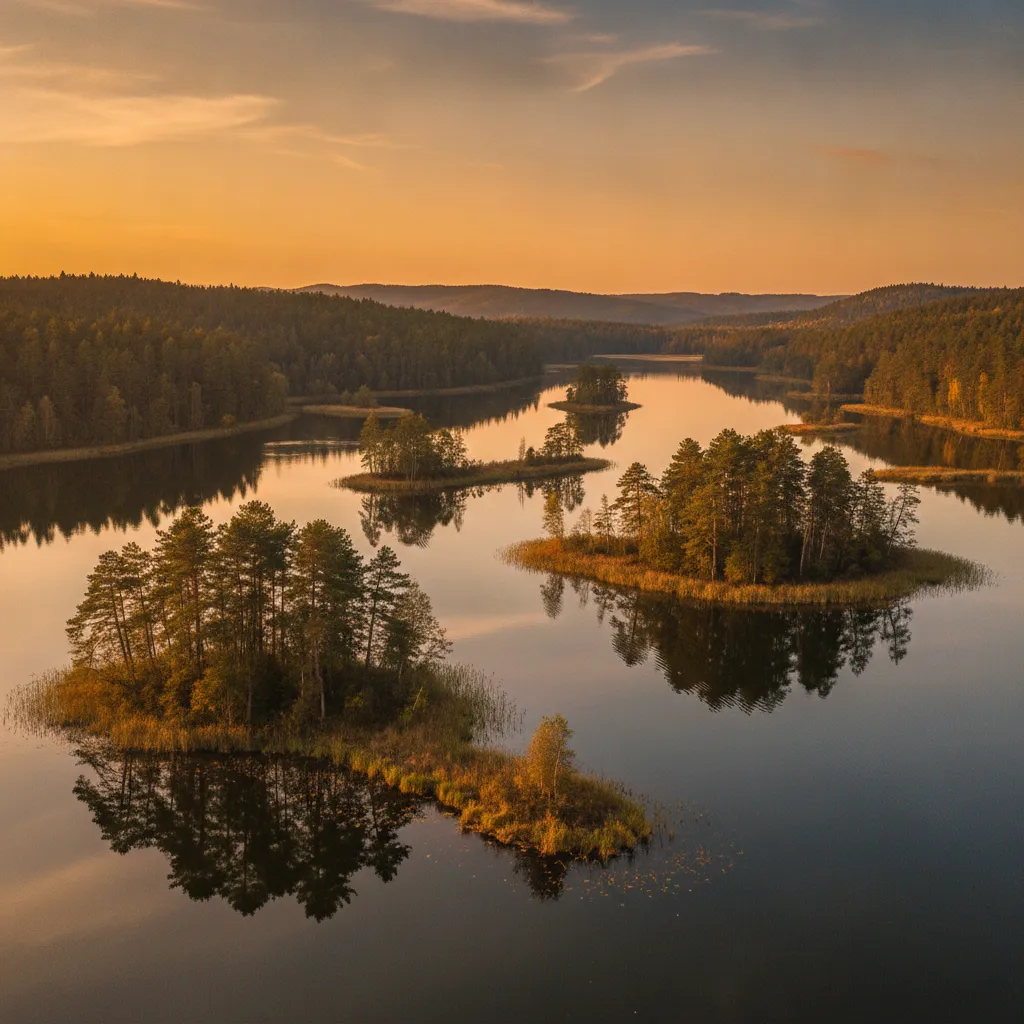
Imagine a lake hidden deep within the ancient embrace of the Carpathian Mountains. Not just any lake, but one where entire islands, complete with their own miniature forests, drift aimlessly across the surface like miniature, arboreal argosies. This isn't a scene from a fantasy novel; it's the breathtaking reality of Lacul Cuejdel, Romania's best-kept secret and a place that promises to redefine your understanding of natural wonders.
Nestled in the picturesque Neamț County, within the historic Moldova Region of Romania, Lacul Cuejdel is more than just a beautiful body of water. It's a living, breathing enigma, a testament to nature's incredible power and creativity. For the adventurous traveler seeking something truly unique, something untouched by mass tourism, this hidden gem offers an experience unlike any other in Europe.
Europe's Floating Wonderland: What Makes Lacul Cuejdel So Special?
What sets Lacul Cuejdel apart from every other lake you've ever seen? It holds the extraordinary title of Europe's largest natural floating island lake. Yes, you read that right. Not man-made rafts or temporary debris, but genuine, living islands, complete with trees, shrubs, and their own ecosystems, that have detached from the shoreline and now float freely across the water's surface. It's a surreal, almost magical landscape that feels as if it belongs to another world.
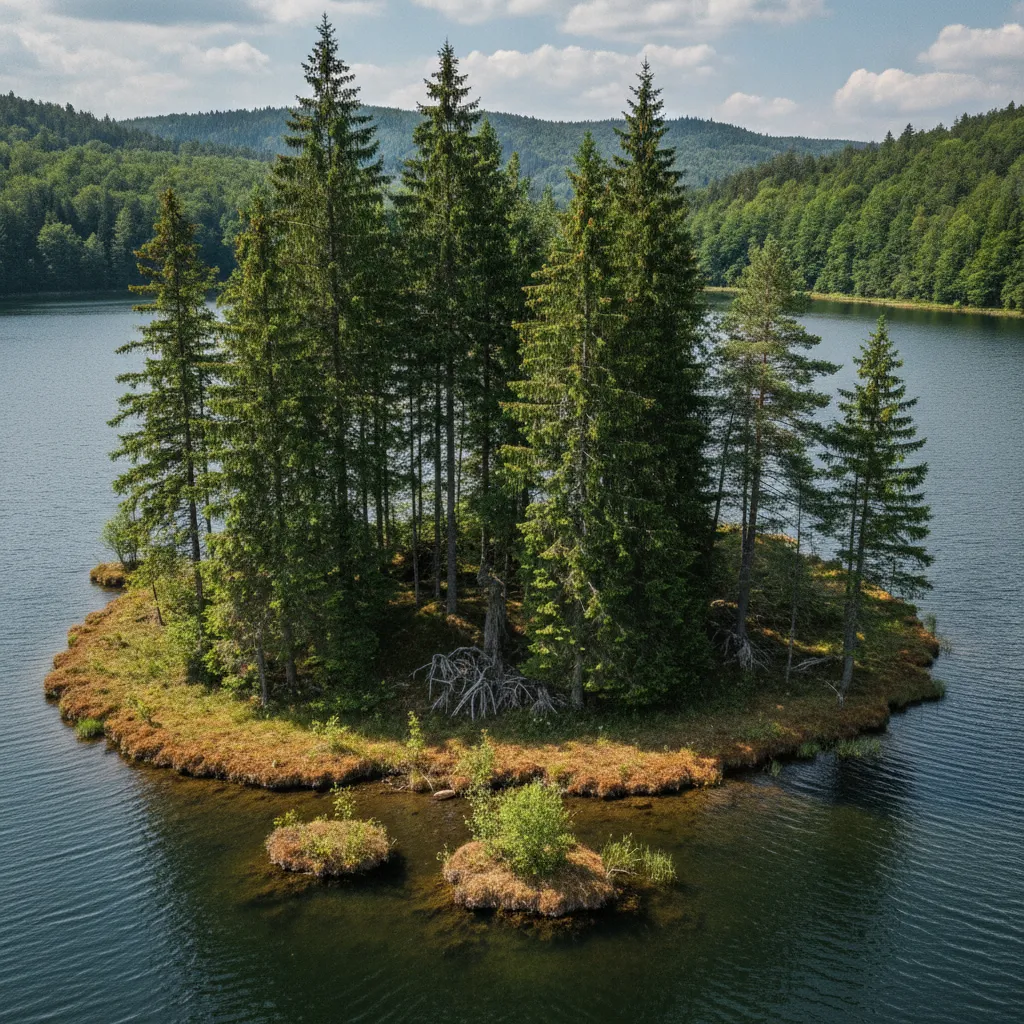
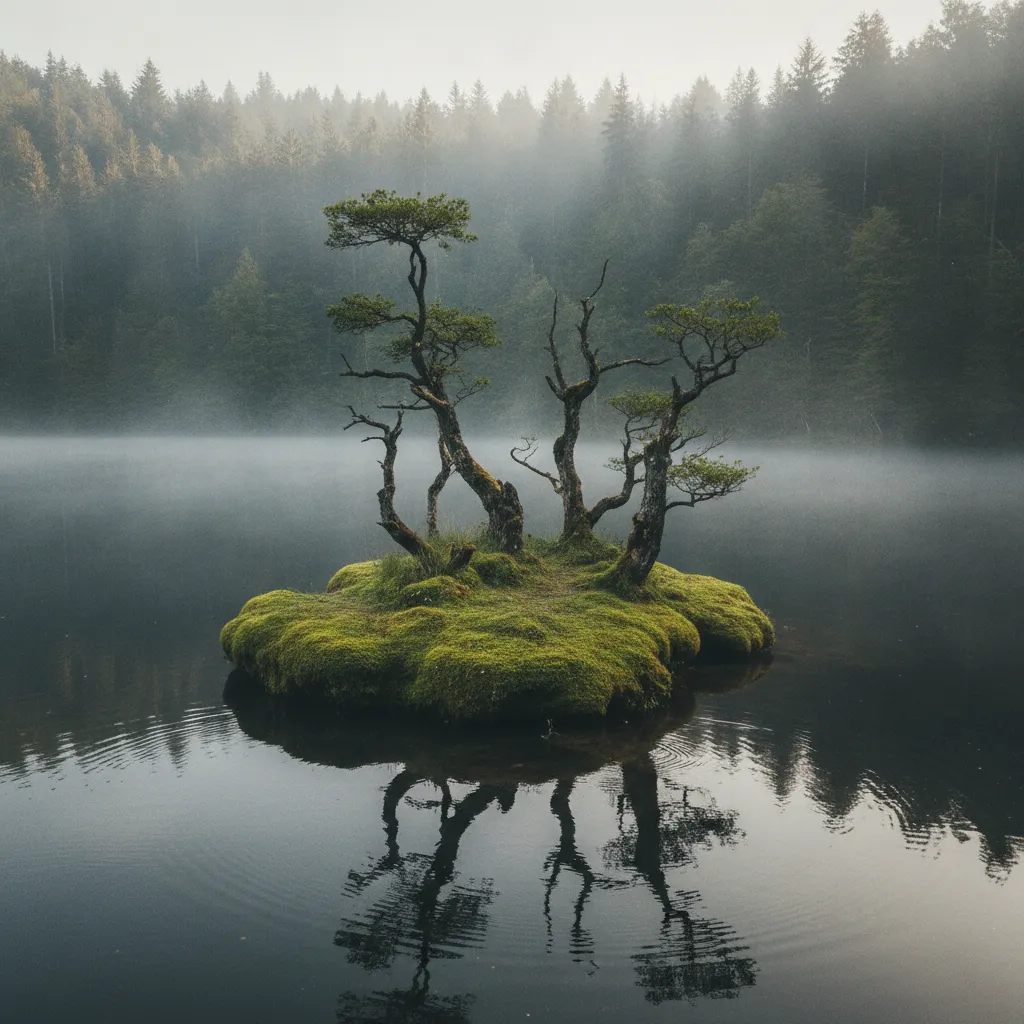
These 'islands' are actually sections of peat bog that, over time, became saturated with water and buoyant enough to break away. Each one is a miniature world, a vibrant tapestry of vegetation, from delicate mosses and ferns to sturdy trees that have taken root. They constantly shift their positions, propelled by wind and water currents, meaning the view you see one day might be entirely different the next. This dynamic, ever-changing scenery creates an unparalleled sense of discovery and wonder, making every visit a truly unique encounter with nature's artistry.
The sheer scale of this phenomenon is astounding. While other places might boast a few small floating islands, Lacul Cuejdel features dozens, some large enough to feel like substantial landmasses, others mere patches of green. The reflections of these arboreal argosies on the calm waters, especially during sunrise or sunset, create a mesmerizing spectacle that will leave you utterly spellbound.
The Dramatic Birth of a Lake: History and Geology
The story of Lacul Cuejdel's creation is as dramatic as its appearance. Unlike most lakes formed by glaciers or rivers, this one is a product of raw geological power. Its genesis lies in a series of catastrophic landslides that occurred in the early 20th century, specifically between 1978 and 1991. The region, known for its unstable geological formations and heavy rainfall, experienced massive earth movements that blocked the course of the Cuejdel River.
As the river's flow was impeded, water began to accumulate behind the natural dam formed by the landslides. This rising water submerged vast areas of forest and agricultural land. Crucially, it also inundated extensive peat bogs that lay along the riverbanks. As these peat layers became waterlogged, they lost their adhesion to the lakebed and, driven by their inherent buoyancy, began to detach. Slowly but surely, these sections of peat, complete with the vegetation that had grown upon them, rose to the surface, transforming into the incredible floating islands we see today.
This natural process, a blend of destructive force and creative emergence, resulted in a lake that is not only visually stunning but also scientifically fascinating. It's a living laboratory, demonstrating how ecosystems adapt and thrive in constantly shifting environments. The islands are not just inert landmasses; they are active, evolving habitats, home to various plant and animal species that have found a way to survive and flourish on these mobile platforms.
Exploring the Shifting Labyrinth: What You'll See and Experience
Visiting Lacul Cuejdel is an immersive experience for the senses. As you approach the lake, the first thing that strikes you is the profound sense of tranquility. The air is crisp, scented with pine and damp earth, and the only sounds are often the gentle lapping of water against the shore or the calls of birds. The lake is relatively remote, ensuring a peaceful escape from the hustle and bustle of modern life.
Once at the water's edge, you'll be greeted by the breathtaking sight of the floating islands, some anchored loosely, others slowly drifting. Each island is a miniature world, a vibrant green tapestry of trees, shrubs, and wildflowers. You might spot willow trees, reeds, and various aquatic plants thriving on these mobile patches of land. Keep an eye out for diverse birdlife – ducks, herons, and other waterfowl are frequent visitors, finding refuge and nesting spots among the islands' vegetation. If you’re lucky, you might even spot an otter or other small mammals along the shores.
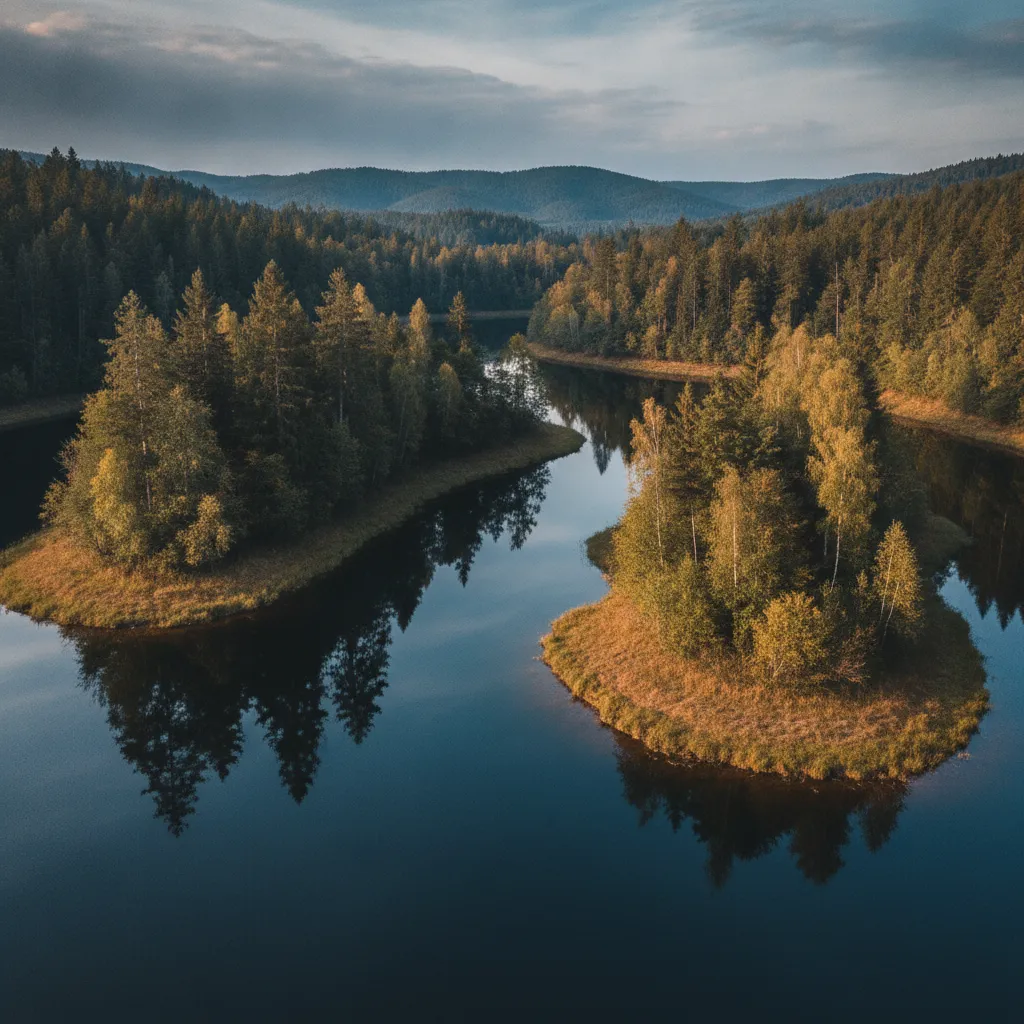
The best way to experience the lake is to simply spend time observing. Walk along the designated paths (where available), find a quiet spot, and watch the islands slowly, almost imperceptibly, change their positions. The play of light on the water, the reflections of the sky and the surrounding forests, and the unique silhouettes of the islands create endless opportunities for stunning photography. It’s a place that invites contemplation, where you can truly connect with the raw, untamed beauty of nature.
Planning Your Journey to Europe's Floating Wonderland: Practical Tips
Ready to embark on an adventure to this incredible hidden gem? Here are a few practical tips to help you plan your visit to Lacul Cuejdel:
Best Time to Visit
The most picturesque times to visit are spring (April-May) when the surrounding forests are lush and green, and early autumn (September-October) when the foliage bursts into vibrant hues of red, orange, and gold. Summer (June-August) is also beautiful, though it can be warmer and potentially busier (though "busier" here is still relative to most tourist spots). Winter offers a stark, beautiful landscape, but access might be more challenging due to snow.
How to Get There
Lacul Cuejdel is truly off-the-beaten-path, and a car is essential for reaching it. The nearest major town is Piatra Neamț, from which you'll head towards Târgu Neamț, then follow signs towards Gârcina and the village of Cuejdel. Be prepared for some sections of unpaved or rough roads, especially as you get closer to the lake. GPS coordinates can be helpful, but local signs are also usually present. There is no public transport directly to the lake, emphasizing its secluded nature.
What to Bring
Dress in layers, as mountain weather can be unpredictable. Sturdy hiking shoes are a must, as you'll likely be walking on uneven terrain. Don't forget your camera with extra batteries, binoculars for wildlife spotting, plenty of water, and snacks. Since services are minimal, it’s best to be self-sufficient.
Respecting the Environment
Lacul Cuejdel is a pristine natural wonder, and it's crucial to help keep it that way. Practice Leave No Trace principles: pack out everything you pack in, stay on marked paths, and do not disturb the wildlife or vegetation. While the islands are fascinating, it is generally not advised to attempt walking on them, as they are unstable and can be dangerous. Enjoy their beauty from the shore.
Accommodation and Food
There are very limited accommodation or dining options directly at the lake. Your best bet is to base yourself in a nearby town like Piatra Neamț, which offers a range of hotels, guesthouses, and restaurants. This allows you to enjoy the comforts of a town after a day of exploring the wild beauty of Lacul Cuejdel.
Lacul Cuejdel is more than just a destination; it's an experience that challenges your perceptions and leaves an indelible mark on your soul. It’s a place where nature reigns supreme, constantly shifting, constantly evolving, and always ready to reveal a new facet of its incredible beauty. If you're yearning for an adventure that delves into the truly extraordinary, make your way to this hidden gem in the heart of Romania. You won't regret it.
Essential Travel Information
- Location Lacul Cuejdel (Lake Cuejdel), Romania
- Best Time Spring (April-May) and early Autumn (September-October) for mild weather and vibrant colors. Summer (June-August) is also pleasant.
- Getting There Best by car. From Piatra Neamț, follow signs towards Târgu Neamț, then towards Gârcina/Cuejdel. Roads can be unpaved in sections. GPS recommended.
- Airport Iași International Airport (IAS) or Bacău International Airport (BCM)
- Budget Budget/Mid-range (approx. €30-€60 per day, excluding car rental and accommodation)
- Language Romanian
Find Places to Stay Near Lacul Cuejdel (Lake Cuejdel)
Compare hotels, hostels, and unique stays in Romania.
Search AccommodationTours & Experiences Near Lacul Cuejdel (Lake Cuejdel)
Book guided tours, day trips, and unique experiences.
Browse Tours