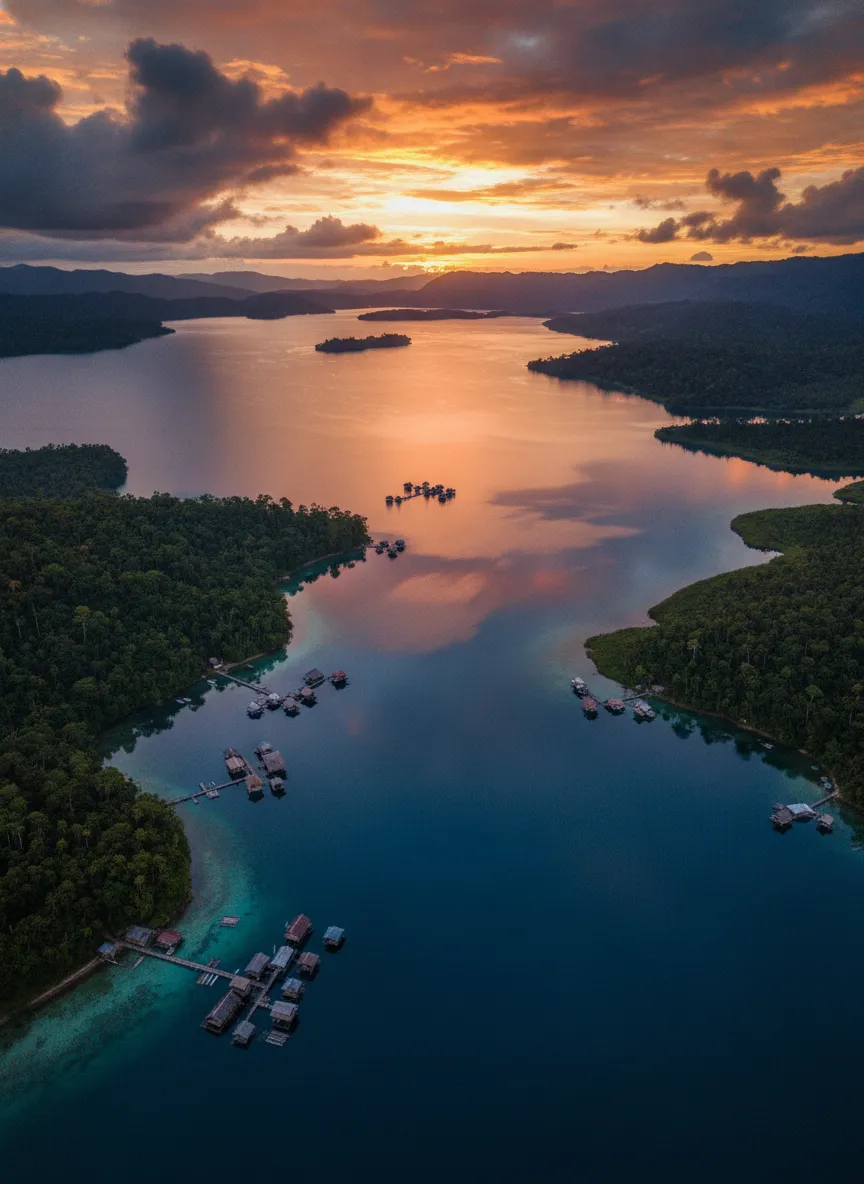
Imagine a place so far removed from the modern world that time seems to slow, where ancient traditions are not just preserved but vibrantly lived, and the whispers of ancestral spirits mingle with the rustle of leaves and the gentle lapping of water. In the remote highlands of Papua New Guinea, such a sanctuary exists: a pristine freshwater lake cradling ancient cultures in stilt villages, a hidden world rarely glimpsed by outsiders. Welcome to Lake Kutubu, a destination that doesn't just offer a journey, but an odyssey into the heart of an untouched paradise.
For the intrepid traveler seeking a truly profound experience, Lake Kutubu in the Southern Highlands Province of Papua New Guinea is not merely a spot on the map; it's a living, breathing testament to resilience, beauty, and cultural richness. This isn't your typical tourist hotspot; it's an immersive dive into one of the planet's most biodiverse and culturally significant regions, an adventure that promises to transform your understanding of the world.
The Jewel of the Southern Highlands: What Makes Lake Kutubu Special
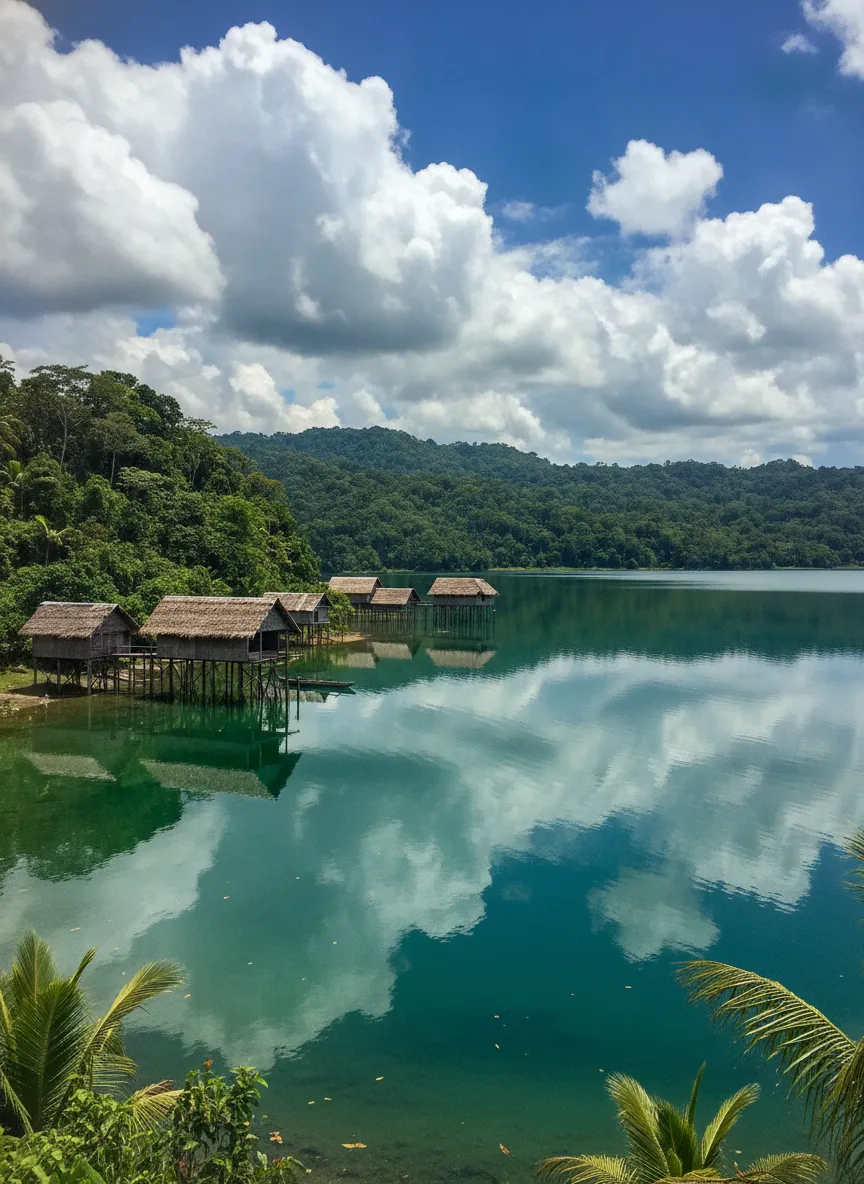
Nestled high amidst the emerald embrace of the Southern Highlands, Lake Kutubu is a shimmering expanse of freshwater so clear you can often see its sandy bottom. It's a natural wonder in its own right, formed in a tectonic depression and fed by numerous streams, yet it’s the human story intertwined with its waters that truly sets it apart. The lake is home to the Foe and Fasu peoples, whose traditional stilt houses, known as *kumul*, dot its shores and extend precariously over its surface, creating a mesmerizing tableau of human ingenuity and harmony with nature.
What makes Lake Kutubu profoundly special is its relative isolation. Far removed from the clamor of urban life and the pervasive reach of modernity, the communities here have maintained their traditional way of life with remarkable integrity. This isn't a staged cultural show; it's authentic, daily existence. The Foe and Fasu peoples' connection to the lake is symbiotic: it provides sustenance, transport, and the very foundation of their communal identity. Their elaborate *bilas* (traditional adornment) fashioned from cassowary feathers, shells, and natural pigments, seen during ceremonies or even daily life, is a dazzling display of artistic heritage that speaks volumes about their pride and cultural depth.
Beyond the human element, Lake Kutubu is an ecological hotspot. Its waters teem with unique fish species, many of which are endemic, making it a crucial site for freshwater biodiversity. The surrounding rainforest is a symphony of birdlife, from vibrant parrots to the elusive birds of paradise. For nature enthusiasts and cultural explorers alike, Kutubu offers a rare opportunity to witness a vibrant, living culture thriving in one of the world's most pristine and inaccessible environments.
Echoes of Ancestors: A Glimpse into History and Culture
The history of the Foe and Fasu peoples is deeply etched into the landscape of Lake Kutubu. For millennia, these communities have thrived by the lake, developing intricate knowledge of its ecosystem and sophisticated social structures. Their oral traditions speak of ancestral spirits, mythical creatures, and the origins of their customs, passed down through generations around crackling fires in their stilt houses.
Life on Lake Kutubu is intrinsically tied to its rhythms. Fishing for tilapia and various endemic species is a primary activity, often done from dugout canoes carved from tree trunks. Sago palm, a staple food, is processed with traditional methods, providing the energy for their active lives. Community life revolves around shared tasks, ceremonies, and the intricate web of kinship. Marriage alliances, ceremonial exchanges, and the resolution of disputes are all deeply embedded in their ancestral practices, which visitors, if respectful and guided, might be privileged to observe.
While the region has seen some external contact over the past century, particularly with missionaries and resource exploration companies, the core cultural fabric of the Foe and Fasu has remained remarkably intact. This resilience is a testament to the strength of their traditions and the protective isolation offered by the rugged terrain. Visiting Lake Kutubu is not just seeing history; it's witnessing a living continuum, a direct link to ancient ways of being in a world increasingly homogenized.
An Unforgettable Journey: What You'll See and Experience
Your journey to Lake Kutubu is an adventure in itself, often involving a combination of small planes, rugged 4x4 vehicles, and ultimately, a dugout canoe across the shimmering waters. As you approach, the sight of the *kumul* villages emerging from the mist or glistening under the tropical sun is nothing short of magical. These architectural marvels, built from local timber and thatch, stand as proud symbols of a culture perfectly adapted to its aquatic environment.
Once there, prepare to immerse yourself. You'll likely stay in a basic guesthouse or, if fortunate and invited, a homestay, offering an unparalleled opportunity for cultural exchange. Days are spent observing daily life: women paddling canoes laden with sago, men tending to fishing nets, children playing in the shallows. You might witness the intricate process of preparing sago flour, learn about traditional fishing techniques, or simply sit and absorb the tranquility of the lake, punctuated only by the calls of birds or the gentle splash of a paddle.
Cultural ceremonies, though not guaranteed for every visitor, are a highlight if you're lucky enough to coincide with one. These events are a riot of color, sound, and movement, featuring spectacular *bilas* – elaborate headdresses adorned with bird of paradise feathers, necklaces of shells and animal teeth, and bodies painted with natural dyes. The singing and dancing are powerful expressions of community and heritage, offering a profound insight into the spiritual and social life of the Foe and Fasu peoples.
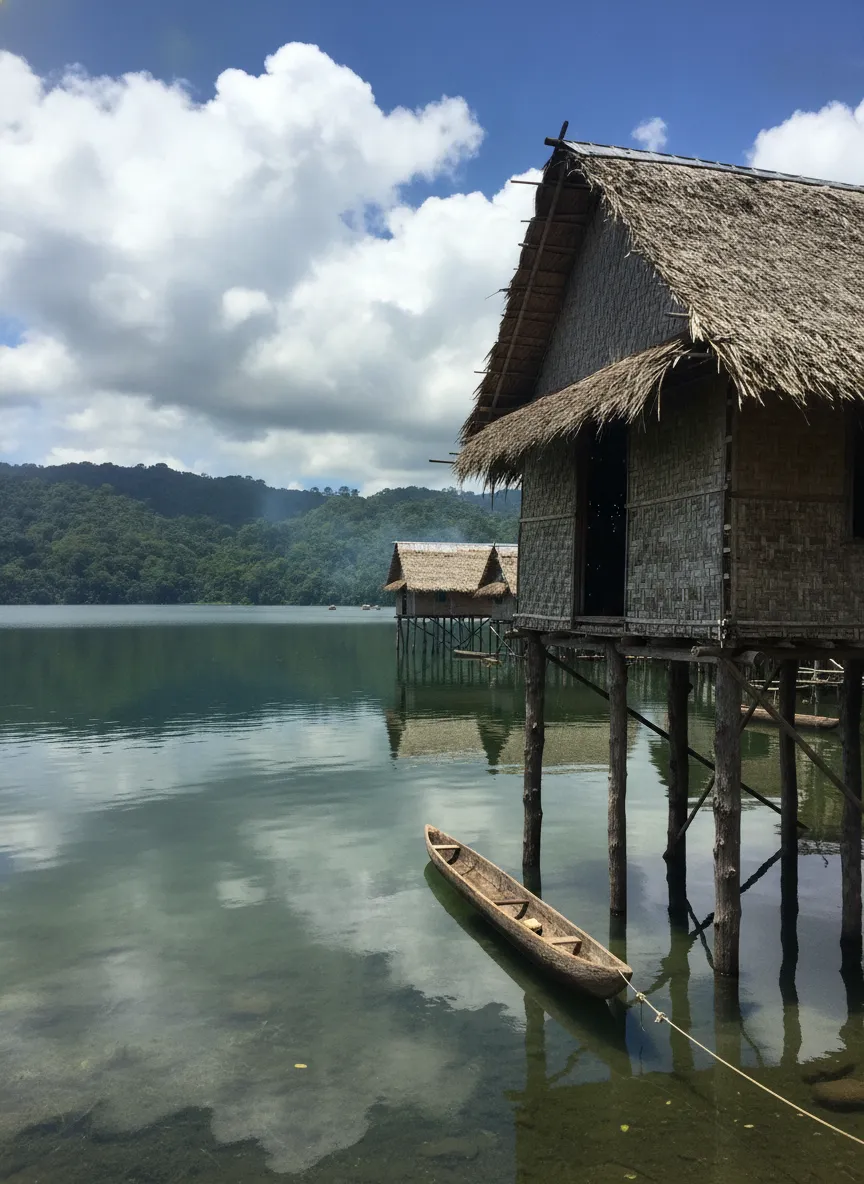
Beyond the cultural immersion, the natural beauty of Lake Kutubu is breathtaking. Take a canoe trip to explore different parts of the lake, venturing into quiet coves or to the mouths of feeding rivers. Birdwatchers will be in paradise, with opportunities to spot rare species amidst the dense rainforest. The crystal-clear water invites a refreshing swim, and the sunsets over the lake, painting the sky in fiery hues, are simply unforgettable. Every moment here feels like a privilege, a step back in time to a world where nature and culture dance in perfect harmony.

Navigating the Unseen: Practical Tips for Visiting Lake Kutubu
Visiting Lake Kutubu is not a trip for the faint of heart or those seeking luxury resorts. It requires careful planning, an adventurous spirit, and a deep respect for local customs. But for those who undertake it, the rewards are immeasurable.
Getting There
Accessibility is the primary challenge and part of what keeps Lake Kutubu so pristine. The most common route involves flying into Mount Hagen (HGU) or Mendi (MDU), major hubs in the highlands. From there, you'll likely need to arrange a chartered flight to the small Kutubu airstrip, or embark on a multi-day journey via rugged 4x4 vehicles, followed by a boat transfer across the lake. It is absolutely essential to arrange your logistics through a reputable, specialized tour operator in Papua New Guinea who has strong local connections and experience in this remote region. They will handle permits, guides, and transport.
Accommodation & Facilities
Expect basic but comfortable accommodation. This usually means simple guesthouses or community-run lodges. Facilities are limited: electricity might be sporadic (often solar-powered), and running water can be cold. Embrace the simplicity; it's part of the authentic experience. Meals will be local fare, often fresh fish from the lake, sago, and garden vegetables.
Cultural Sensitivity & Etiquette
This is paramount. Always ask permission before taking photographs of people. Dress modestly, especially when visiting villages. Be open to learning and engaging, but avoid making assumptions or imposing your own cultural norms. A local guide is invaluable not just for navigation, but for facilitating respectful interactions and understanding local customs. Offering small, appropriate gifts (like school supplies for children) can be a thoughtful gesture, but always do so through your guide to ensure it's culturally appropriate.
Health & Safety
Malaria is present, so consult your doctor about anti-malarial medication. Bring a comprehensive first-aid kit, insect repellent, and sun protection. Travel insurance that covers remote medical evacuation is non-negotiable. While generally safe, always follow the advice of your local guides and tour operator regarding personal safety.
Best Time to Visit
The dry season, typically from April to October, offers the most reliable weather for travel, making roads and airstrips more accessible. However, rain can occur at any time in the highlands.
Lake Kutubu is more than just a destination; it's a journey into the soul of Papua New Guinea, a profound encounter with a world that continues to thrive on ancient rhythms. It's a reminder of the incredible diversity of human culture and the enduring beauty of our planet's wild places. If you seek an adventure that will challenge, inspire, and deeply move you, then Lake Kutubu awaits.
Essential Travel Information
- Location Lake Kutubu, Papua New Guinea
- Best Time April to October (dry season)
- Getting There Fly to Mount Hagen (HGU) or Mendi (MDU), then charter flight to Kutubu airstrip or multi-day 4x4 and boat transfer. Requires specialized tour operator.
- Airport Mount Hagen (HGU) or Mendi (MDU) for connecting flights; Kutubu (KUT) for charter access.
- Budget Luxury (due to high logistical costs including charter flights and specialized guides), approximate daily cost $500-$1000+
- Language Tok Pisin, Foe, Fasu
Find Places to Stay Near Lake Kutubu
Compare hotels, hostels, and unique stays in Papua New Guinea.
Search AccommodationTours & Experiences Near Lake Kutubu
Book guided tours, day trips, and unique experiences.
Browse Tours