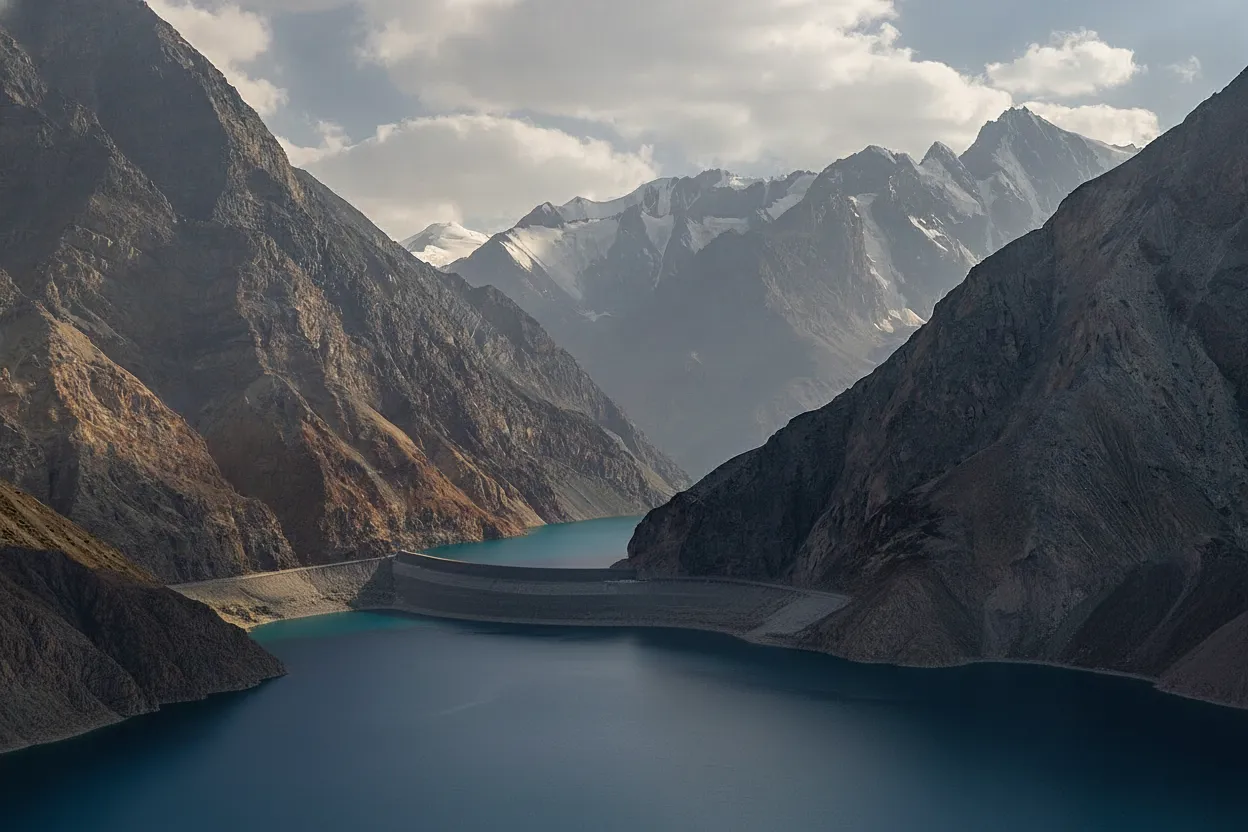
Imagine a place so remote, so breathtakingly beautiful, yet so profoundly powerful that its very existence is a testament to Earth’s raw, unpredictable might. Deep in the heart of Central Asia, nestled within the jagged, awe-inspiring Pamir Mountains of Tajikistan, lies Lake Sarez. This isn't just any alpine lake; it's a colossal body of pristine, turquoise water, born from a catastrophic landslide, and held back by the world's tallest natural dam. A natural wonder that could, in a terrifying worst-case scenario, unleash a devastating wave on millions downstream. Trust me, few places on Earth offer such a potent cocktail of sublime beauty, geological drama, and a whisper of potential terror.
The Sleeping Dragon of the Pamirs: What Makes Lake Sarez Unique?
Lake Sarez is more than just a destination; it's a geological marvel with a gripping backstory. Formed in 1911, it stands as a stark reminder of our planet's immense power. What makes it truly special isn't just its remote, untouched beauty, but the very manner of its creation. A magnitude 7.4 earthquake ripped through the Pamirs, triggering an unprecedented landslide that swallowed the village of Usoi whole. This colossal wall of earth and rock, now known as the Usoi Dam, effectively plugged the Murghab River, creating a vast natural reservoir that slowly filled over the next few decades, submerging the village of Sarez beneath its rising waters.
Today, the Usoi Dam is recognized as the tallest natural dam in the world, towering over 500 meters (1,600 feet) high and stretching for several kilometers. Behind it, Lake Sarez holds an astounding 16 cubic kilometers of water – enough to fill over 6 million Olympic swimming pools. The water itself is an otherworldly shade of brilliant turquoise, reflecting the surrounding snow-capped peaks and the vast, clear Pamiri sky. It's a place of profound tranquility, yet beneath the surface of its calm waters lies a constant, low-level hum of geological concern. The stability of the dam is meticulously monitored by international experts, making Lake Sarez a unique intersection of natural wonder, scientific fascination, and humanitarian concern. It’s a living, breathing testament to Earth's ability to create both unparalleled beauty and immense potential for destruction.
A Chronicle of Catastrophe and Creation: The History of Lake Sarez
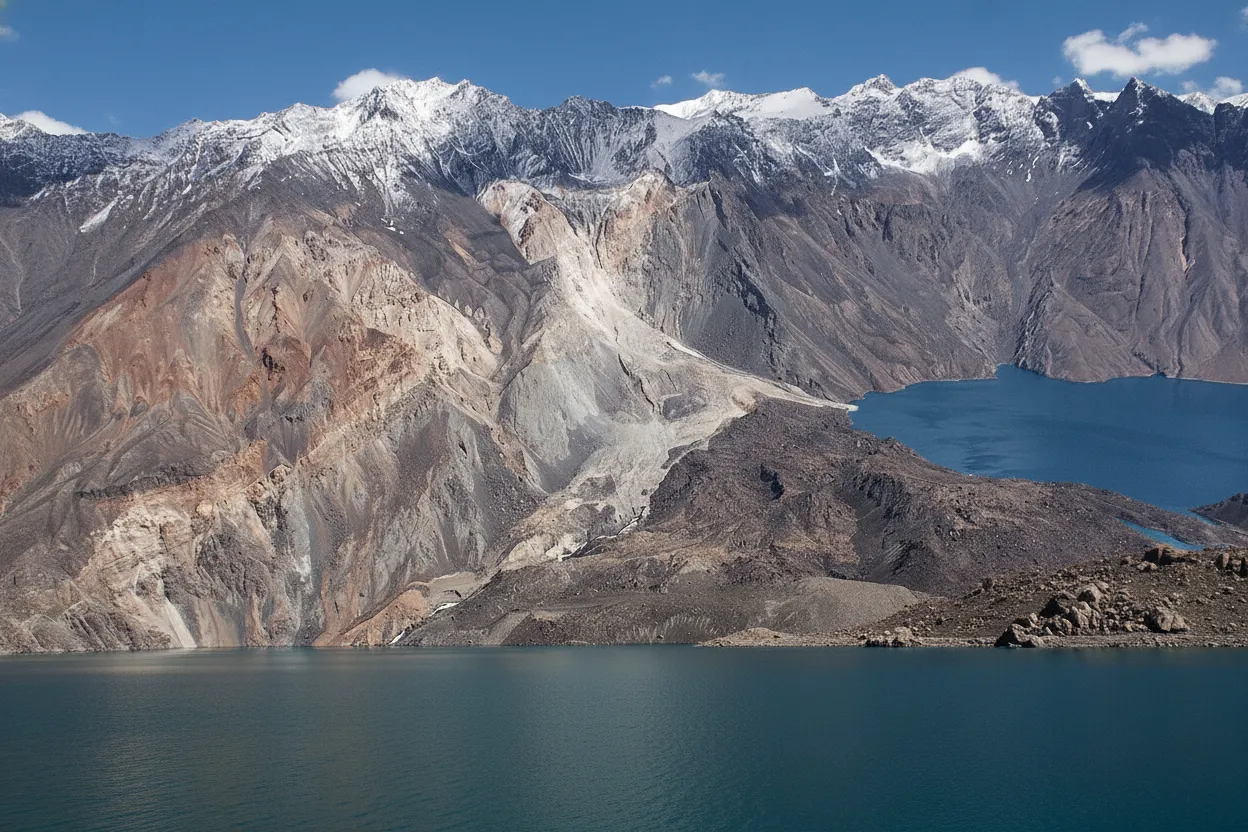
The story of Lake Sarez is etched in the dramatic events of February 18, 1911. On that fateful day, the remote Pamir region was rocked by an earthquake of immense power. The tremors caused an entire mountainside to collapse, sending an estimated two billion cubic meters of rock and debris hurtling into the Murghab River valley. The sheer scale of the landslide was unimaginable, forming a natural barrier that completely blocked the river's flow.
The immediate consequence was the tragic burial of the village of Usoi, its inhabitants lost to the earth. But the story didn't end there. Over the subsequent years, the enormous basin behind this newly formed Usoi Dam began to fill with water. Slowly but inexorably, the water level rose, transforming the valley into a vast lake. By 1913, the waters had reached the neighboring village of Sarez, which was gradually submerged, giving the new lake its name. The filling process continued for decades, stabilizing only in the 1940s.
Since its formation, Lake Sarez has been a subject of intense scientific scrutiny. Its remote location and the sheer volume of water held back by a natural, unconsolidated dam have led to concerns about its long-term stability. While experts generally agree that the Usoi Dam is remarkably stable, the potential for a future seismic event or localized landslide to trigger an overtopping wave remains a low-probability, high-impact risk. This has led to the establishment of sophisticated monitoring systems, funded by international organizations, to keep a vigilant eye on the lake's water levels, dam stability, and seismic activity. It's a place where history isn't just observed; it's actively monitored, a constant dialogue between humanity and the powerful forces of nature.
Journey to the Heart of the Pamirs: What You'll See at Lake Sarez
Venturing to Lake Sarez is not merely a trip; it's an expedition into one of the planet's last true wildernesses. Once you overcome the logistical challenges, you'll be rewarded with a landscape that defies description. Picture this: a vast expanse of water, so clear and intensely turquoise it looks like a gem embedded in the earth, framed by colossal, jagged peaks that scrape the sky. Many of these mountains remain snow-capped year-round, adding to the dramatic contrast of colors and textures.
The air at these altitudes is crisp and pure, carrying the scent of wild herbs and the faint whisper of the wind. The silence is profound, broken only by the occasional cry of a marmot or the distant rumble of falling rock. There are no bustling towns, no paved roads, just the raw, untamed beauty of the Pamirs. You'll witness landscapes that have remained virtually unchanged for millennia, a testament to nature's enduring power.
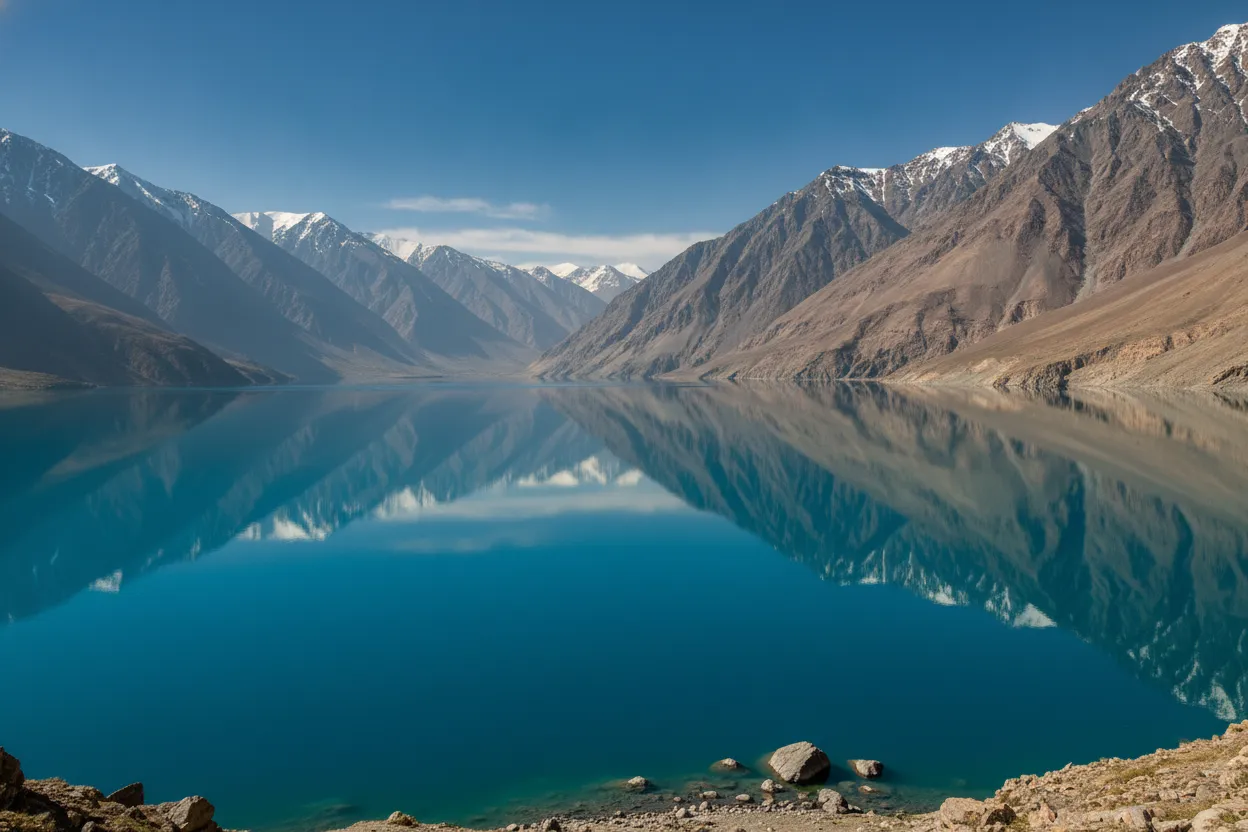
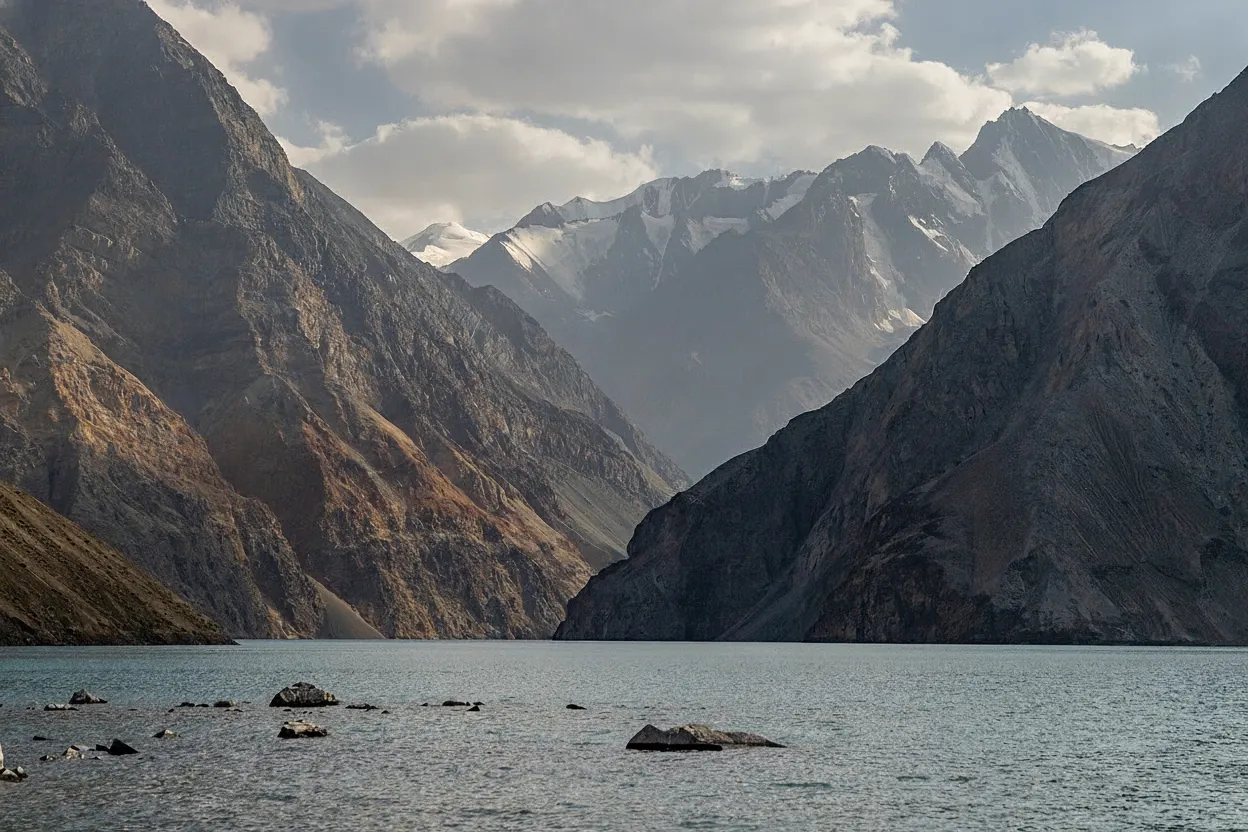
For the adventurous, there are opportunities for trekking along the lake's shores, offering unparalleled views and a deep sense of solitude. You might spot ibex gracefully navigating the steep slopes or even catch a glimpse of the elusive Marco Polo sheep. The sheer scale of the Usoi Dam itself is humbling – a colossal wall of earth and rock that seems impossible to have been formed by natural forces. Boating on the lake, when permitted, offers a unique perspective, allowing you to truly appreciate its immense size and the towering cliffs that plunge directly into its depths. Every vista, every moment, at Lake Sarez is a reminder of how small we are in the face of such geological grandeur.
Preparing for the Unforgettable: Practical Tips for Visiting Lake Sarez
A journey to Lake Sarez is not for the faint of heart, but for those who seek genuine adventure and unparalleled natural beauty, the rewards are immeasurable. Here’s what you need to know to make this extraordinary trip a reality:
Permits are Paramount: This is perhaps the most crucial tip. To visit Lake Sarez, you'll need not one, but two special permits. First, a GBAO (Gorno-Badakhshan Autonomous Region) permit is required for travel through the Pamirs. Second, and more specifically, a special permit for Lake Sarez itself is mandatory, usually obtained through a registered tour operator in Dushanbe or Khorog. Do NOT attempt to visit without these, as access is strictly controlled.
Getting There is an Expedition: Lake Sarez is incredibly remote. There are no direct roads to its shores. The most common approach involves driving along the legendary Pamir Highway (M41) to Murghab, then arranging a 4x4 vehicle to the nearest accessible point, often the village of Barchadev. From there, it's typically a multi-day trek (often 2-3 days each way) through challenging mountain terrain to reach the lake. Hiring experienced local guides and porters is highly recommended for safety and navigation.
Altitude Acclimatization: The Pamirs are known as the "Roof of the World." Lake Sarez sits at an altitude of approximately 3,263 meters (10,705 feet) above sea level, and your trek will involve even higher passes. Plan several days for acclimatization in places like Khorog or Murghab before attempting the trek to avoid altitude sickness.
Gear Up for Wilderness: This is a true wilderness experience. You’ll need robust trekking boots, layers of warm clothing (even in summer, nights are cold), rain gear, a good quality sleeping bag suitable for cold temperatures, a tent (if camping independently), a first-aid kit, water purification tablets, and plenty of high-energy snacks. Sun protection (hat, sunglasses, high SPF sunscreen) is also essential due to the high altitude.
Accommodation and Food: Expect very basic conditions. Along the trekking routes, you might find simple homestays in remote villages, offering a glimpse into local life. Otherwise, camping is the primary option. Carry enough food for your entire trek, though guides can often arrange for some provisions in villages. Water sources are generally plentiful but should always be treated.
Respect the Environment and Local Culture: The Pamiri people are incredibly hospitable. Always ask permission before taking photos of people. Pack out everything you pack in, leaving no trace. This pristine environment relies on responsible tourism.
Visiting Lake Sarez is an investment in time, effort, and resources, but it promises an adventure that will forever be etched in your memory. It’s a journey to a place where nature reigns supreme, offering both breathtaking beauty and a profound sense of awe at its raw power.
Lake Sarez stands as a testament to Earth's dramatic forces, a place where immense beauty and potential danger coexist in a delicate, awe-inspiring balance. It's an invitation to those who yearn for true adventure, to witness a geological marvel, and to stand in humbled silence before one of the planet's most captivating and powerful natural wonders. If you're seeking an experience that transcends the ordinary, a journey to the heart of the Pamirs and the shores of Lake Sarez awaits.
Essential Travel Information
- Location Lake Sarez, Tajikistan
- Best Time July to September
- Getting There Fly to Dushanbe (DYU), then 4x4 to Murghab/Barchadev. Multi-day trek with guides and permits required from there. No direct road access.
- Airport Dushanbe International Airport (DYU)
- Budget Mid-range to Luxury (due to permits, 4x4, guides, and remote logistics), approx. $150-300+ per day
- Language Tajik, Russian, Pamiri languages (Shughni, Wakhi, etc.)
Find Places to Stay Near Lake Sarez
Compare hotels, hostels, and unique stays in Tajikistan.
Search AccommodationTours & Experiences Near Lake Sarez
Book guided tours, day trips, and unique experiences.
Browse Tours