The Enigma of Lele: Micronesia's Forgotten Capital
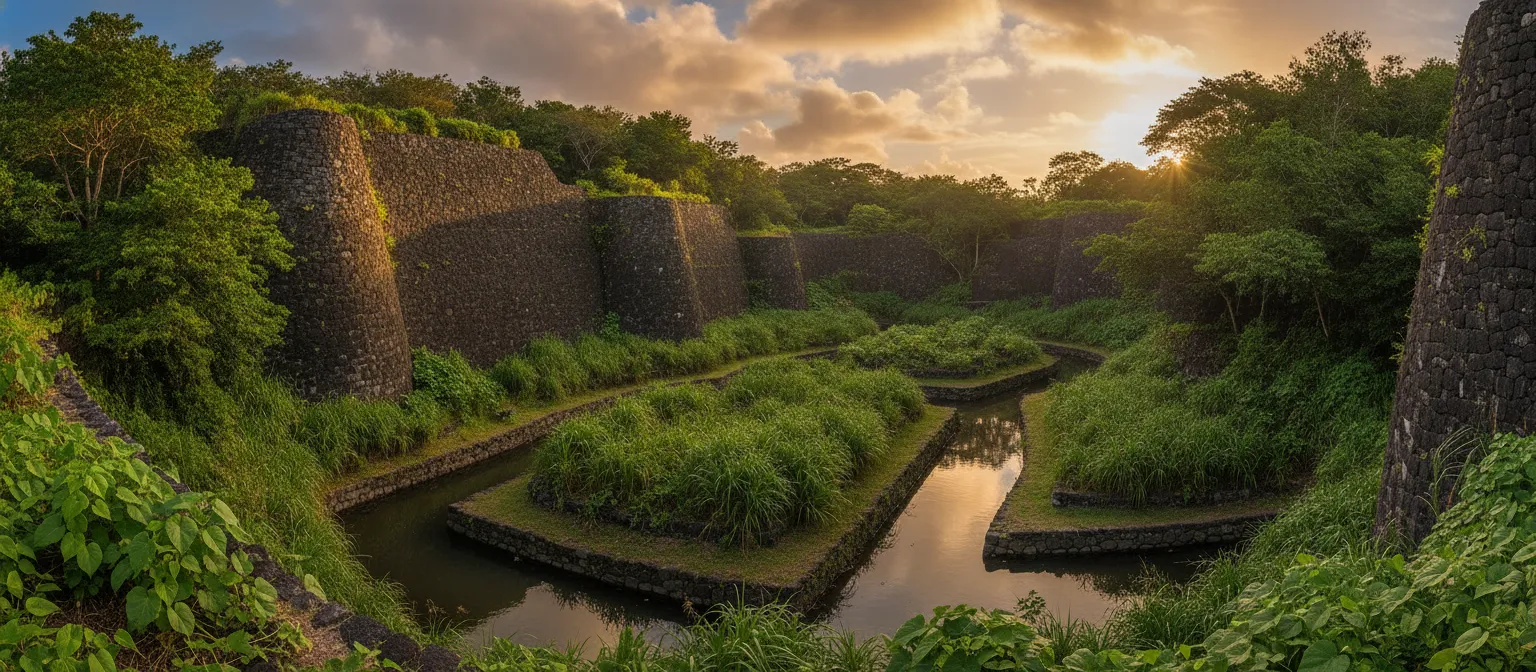
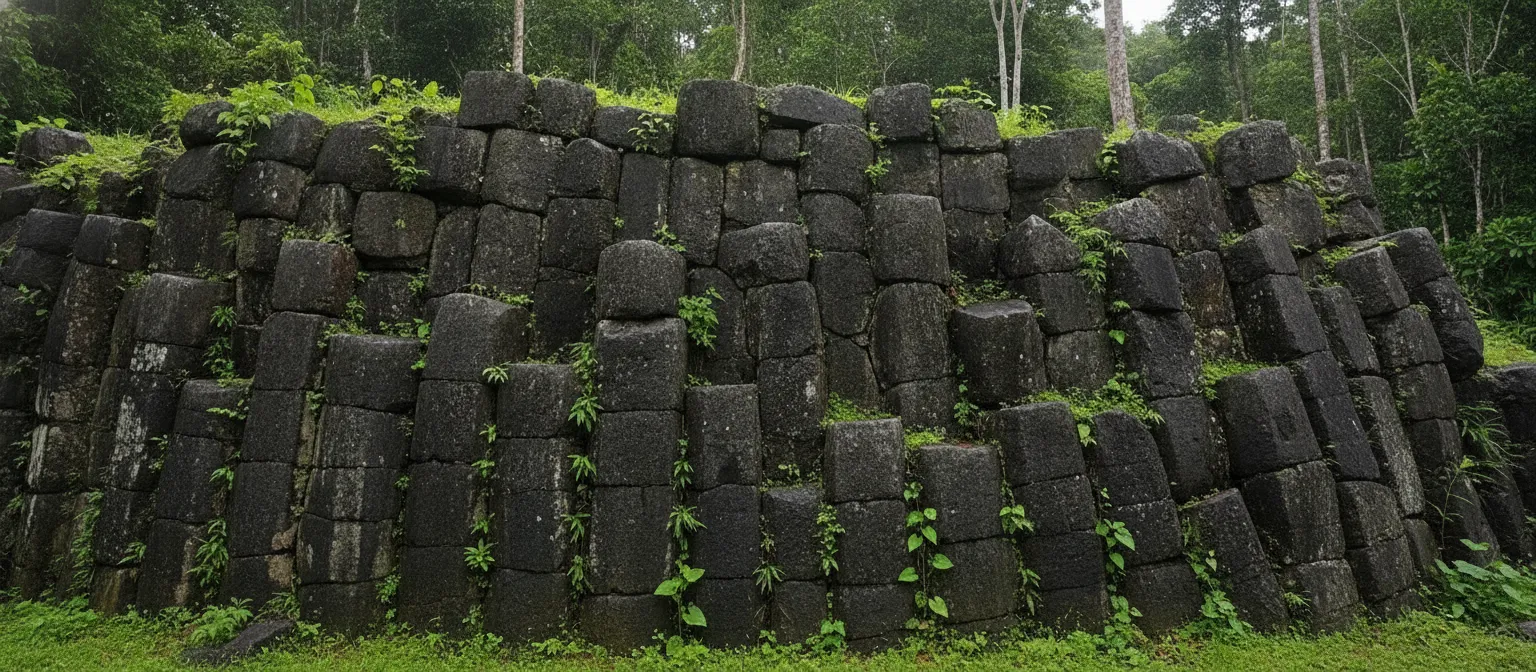
For centuries, the story of Lele has been whispered among the people of Kosrae, a tale of powerful kings, master builders, and a sophisticated society that harnessed the very essence of their volcanic island. Built between 1250 and 1850 CE, the Lele Ruins are not just crumbling stones; they are the skeletal remains of a once-thriving capital, a political and religious hub whose influence stretched across the surrounding waters. What makes Lele truly special, truly breathtaking, is its architecture. Picture massive, polygonal basalt columns, some weighing many tons, meticulously stacked and interlocked to form colossal walls, terraces, and royal compounds. The precision and scale of this stonework are astonishing, evoking a sense of wonder that will instantly draw comparisons to the Inca architecture of Peru, yet with a distinct Micronesian flair.
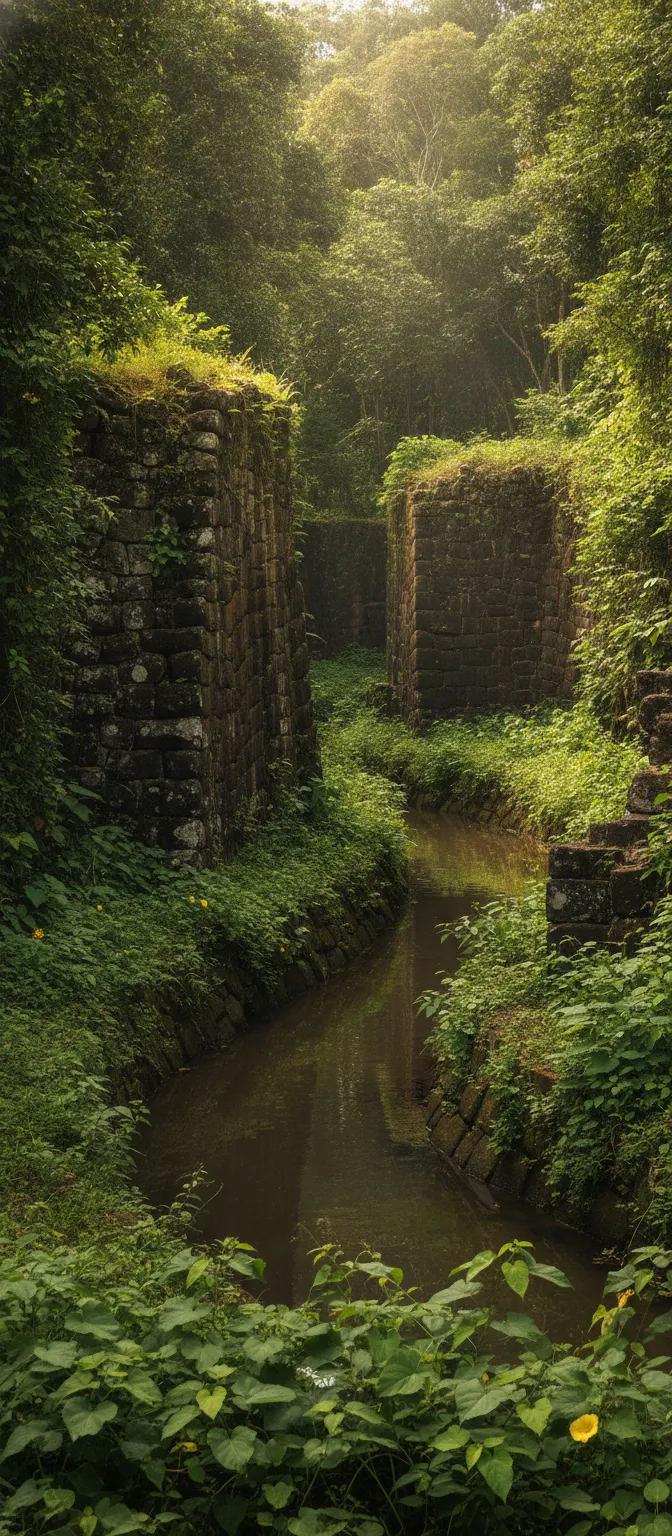
Walking through Lele is like entering a forgotten dream. The jungle has reclaimed much of the city, its roots intertwining with the ancient stones, creating a mystical atmosphere. But even in its overgrown state, the sheer ambition and engineering prowess of its builders are undeniable. This wasn't just a settlement; it was a strategically planned urban center, complete with man-made waterways that served as both transportation arteries and defensive moats. It speaks volumes about a civilization that mastered its environment, creating an island metropolis that was both formidable and beautiful.
Echoes of a Maritime Empire: A Brief History of Lele
The history of Lele is a captivating saga of power, innovation, and eventual decline. Emerging as a dominant force in the central Pacific around the 13th century, Lele became the seat of the "Saudeleur" or "Nahnken" (titles for rulers, depending on the period), a hierarchical society led by a paramount chief. This wasn't a simple village; it was a complex social structure with distinct classes, from the royal family to commoners, all contributing to the construction and maintenance of this monumental city. The basalt, quarried from various parts of Kosrae, was transported and expertly shaped without the use of metal tools, a feat that continues to baffle and impress archaeologists.
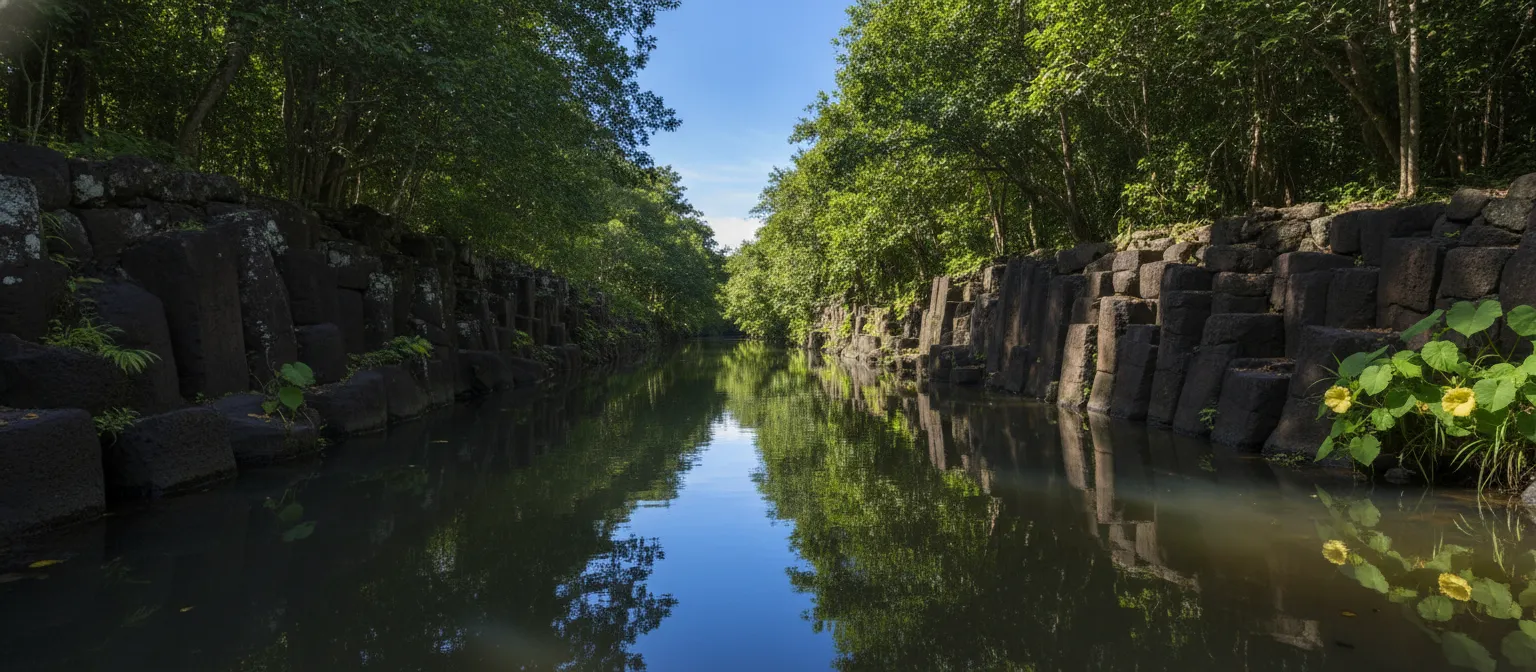
The artificial canals, a defining feature of Lele, were not merely decorative. They allowed canoes to navigate deep into the city, facilitating trade, communication, and defense. This network of waterways connected different sections of the city, including royal residences, administrative buildings, and ceremonial sites. Lele was a testament to a people deeply connected to the ocean, masters of navigation and maritime trade, whose influence resonated throughout the region. However, like many great empires, Lele eventually faded. The exact reasons for its decline are still debated – perhaps internal strife, resource depletion, or changes in regional power dynamics. By the time European explorers arrived in the 19th century, Lele was already in a state of disuse, its grand structures slowly being embraced by the encroaching jungle, preserving its secrets for centuries.
Journey Through Time: What Awaits You at Lele Ruins
Visiting Lele is an adventure for the senses and the soul. As you trek through the dense foliage, guided by the local knowledge of a Kosraean elder, the first glimpse of the ruins is nothing short of awe-inspiring. You'll encounter colossal retaining walls, some towering several meters high, crafted from those incredible polygonal basalt columns. The sheer scale makes you feel tiny, a mere speck in the shadow of giants.
The ruins are spread across several artificial islands and platforms, separated by the remnants of the ancient canals. You'll explore what were once royal compounds, administrative centers, and elaborate burial sites for the elite. Imagine the ceremonies that took place here, the decisions that shaped an empire, the lives lived within these formidable walls. The intricate stonework, even after centuries of exposure to the elements, retains its impressive precision. You can still discern the careful fitting of stones, a testament to the advanced engineering skills of the ancient Kosraean people. Keep an eye out for carved stones, decorative elements, and the sheer variety of basalt shapes used in construction.
The experience is incredibly immersive. The air is thick with the scent of tropical flora, the sounds of unseen birds fill the canopy, and the silence of the ancient stones speaks volumes. It's a place that encourages contemplation, urging you to connect with a history that predates modern maps and textbooks. You're not just seeing ruins; you're feeling the pulse of a forgotten civilization.
Beyond the Stones: The Cultural Heartbeat of Kosrae
While the Lele Ruins are the undisputed historical crown jewel, a visit to Kosrae offers so much more. The island itself is a pristine paradise, often referred to as the "Garden of Micronesia" due to its lush, mountainous interior and vibrant coral reefs. The people of Kosrae are incredibly welcoming, proud of their heritage, and eager to share their culture with respectful visitors. You'll find that the spirit of their ancestors, the builders of Lele, still resonates in their traditions, their craftsmanship, and their deep connection to the land and sea.
Exploring Kosrae means encountering breathtaking waterfalls, serene mangrove forests, and some of the healthiest coral reefs in the world, perfect for snorkeling and diving. You can learn about traditional canoe building, sample local delicacies like breadfruit and taro, and experience the genuine warmth of Micronesian hospitality. A trip to Lele isn't just about ancient history; it's an opportunity to immerse yourself in a living culture that continues to thrive in harmony with its extraordinary natural environment. It's a holistic travel experience that nourishes both the mind and the spirit.
Planning Your Expedition: Practical Tips for Visiting Lele
Venturing to Lele requires a bit of planning, but the rewards are immeasurable. First and foremost, you'll need to reach Kosrae International Airport (KSA). Flights typically connect through Guam (GUM) or Honolulu (HNL) via United Airlines' "Island Hopper" service, which is an adventure in itself!
Once on Kosrae, Lele is easily accessible from the main town of Tofol. It's highly recommended to arrange a local guide. Not only will they navigate the sometimes-challenging jungle paths, but their knowledge of the history, legends, and cultural significance of the ruins will profoundly enrich your visit. Wear sturdy, comfortable walking shoes, long pants to protect against insects and scratches, and bring plenty of water, insect repellent, and sunscreen. The tropical climate means it can be hot and humid, and rain showers are common, so a light rain jacket isn't a bad idea.
Respect for the site and local customs is paramount. Lele is a sacred place to the Kosraean people. Listen to your guide, stay on designated paths, and leave no trace behind. This is an opportunity to connect with a truly unique piece of human history, a testament to ingenuity and resilience that deserves our utmost reverence. So, if you're seeking an adventure that combines ancient mysteries, stunning natural beauty, and genuine cultural immersion, look no further than the hidden wonders of the Lele Ruins in Kosrae. It's an experience that will stay with you long after you've left its emerald shores.
Essential Travel Information
- Location Lele Ruins, Federated States of Micronesia
- Best Time November to May (drier season), though Kosrae is tropical year-round.
- Getting There Fly to Kosrae International Airport (KSA), typically via United Airlines' 'Island Hopper' from Guam or Honolulu. Arrange local transport and a guide to Lele from Tofol.
- Airport Kosrae International Airport (KSA)
- Budget Mid-range (~$150-250 USD/day, including basic accommodation, food, and activities/transport)
- Language Kosraean, English
Find Places to Stay Near Lele Ruins
Compare hotels, hostels, and unique stays in Federated States of Micronesia.
Search AccommodationTours & Experiences Near Lele Ruins
Book guided tours, day trips, and unique experiences.
Browse Tours