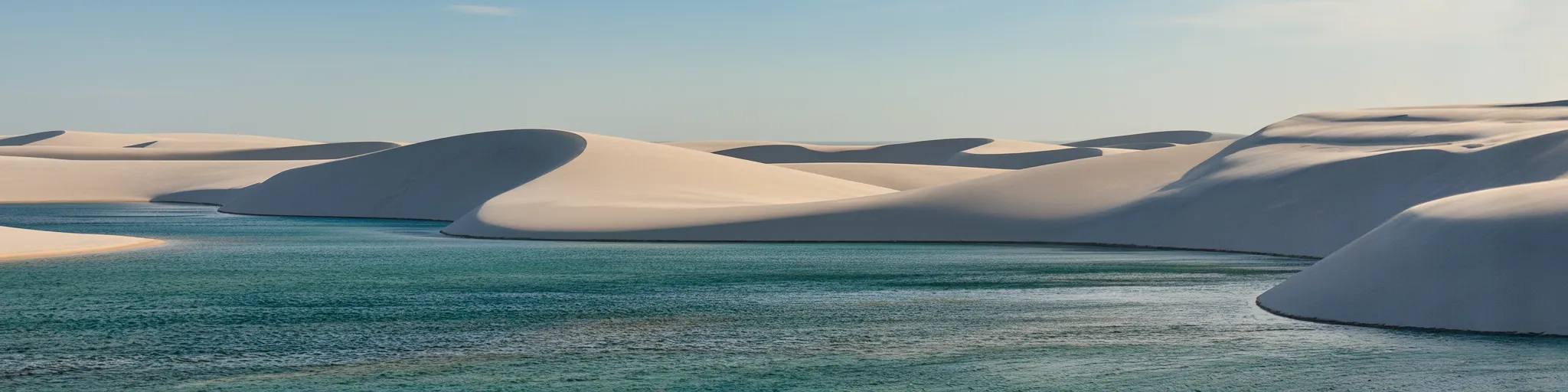
Imagine a landscape so utterly surreal it feels plucked from a dream, or perhaps another planet. Picture an endless expanse of brilliant white sand dunes, sculpted by the wind into soft, undulating peaks and valleys. Now, inexplicably, imagine these towering dunes are not barren but studded with thousands upon thousands of crystal-clear, freshwater lagoons – sapphire and emerald jewels shimmering under the tropical sun. This isn't a mirage; this is Lençóis Maranhenses National Park, a hidden gem in Brazil that defies every expectation, a place where the desert meets the ocean in the most improbable and spectacular way.
For years, I've chased sunsets over iconic beaches, trekked through ancient forests, and marveled at towering mountains. But nothing, absolutely nothing, prepared me for the sheer, breathtaking wonder of Lençóis Maranhenses. It's a living paradox, a desert that receives 300 times more rain than a true desert, creating a temporary, ephemeral world of swimming pools amidst the sand that appear and disappear with the seasons. If you're looking for a travel experience that will genuinely challenge your perceptions of natural beauty and leave an indelible mark on your soul, then pack your bags – we're heading to Brazil's most extraordinary secret.
The Unfathomable Paradox: What Makes Lençóis Maranhenses So Special?
At first glance, Lençóis Maranhenses looks like a classic desert. Vast, sweeping dunes stretch as far as the eye can see, creating a mesmerizing, almost lunar landscape. But here’s where the magic, and the scientific anomaly, begins. This 1,500-square-kilometer natural wonder, located in the state of Maranhão, is not a desert at all. It's an "interdune area" that experiences a unique hydrological cycle unlike anywhere else on Earth.
From February to May, the region is battered by a torrential rainy season. Unlike a true desert where sand absorbs water, the dunes of Lençóis Maranhenses sit atop an impermeable rock layer. This means that every drop of rain collects in the valleys between the towering dunes, forming thousands of freshwater lagoons. These aren't just puddles; many are deep enough to swim in, stretching for hundreds of meters, and their colors range from vibrant azure to deep emerald, reflecting the sky and the mineral content of their sandy beds.
The sheer scale of this phenomenon is astounding. Imagine trekking across soft, warm sand, only to crest a dune and be greeted by a pristine, cool lagoon beckoning you for a swim. Then, as the dry season approaches (from June to October), these lagoons slowly begin to evaporate, shrinking and eventually vanishing, only to reappear with the next rainy cycle. This constant ebb and flow creates a dynamic, ever-changing canvas, ensuring no two visits are ever exactly alike.
And it gets even more fascinating. Despite their temporary nature, these lagoons are teeming with life. Certain species of fish, like the wolf fish, have adapted to bury themselves in the mud, entering a state of dormancy until the rains return. Other species, carried in from the nearby rivers during seasonal floods, thrive in the temporary pools. Migratory birds also flock to the area, feasting on the abundant aquatic life. It's a testament to nature's incredible adaptability and resilience, a truly living paradox.

A Geological Masterpiece: History and Formation
The story of Lençóis Maranhenses is one of immense geological time and the relentless forces of nature. For millennia, sediments carried by the Preguiças and other rivers from the interior of Brazil have been deposited along the Atlantic coast. Over time, prevailing winds, particularly strong during the dry season, have sculpted these sands into the towering, crescent-shaped dunes we see today, some reaching heights of up to 40 meters.
The secret to the lagoons lies beneath. These dunes rest on a bedrock of impermeable rock, preventing the rainwater from simply draining away. Instead, it collects in the interdune valleys, creating the temporary oases. This unique combination of geology, climate, and wind patterns has created a truly singular ecosystem that has captivated scientists and travelers alike.
Recognizing its unparalleled natural significance, Lençóis Maranhenses was officially designated a National Park in 1981 by the Brazilian government. This protected status ensures the preservation of its delicate ecosystem and its stunning landscapes for future generations. The park's boundaries encompass not just the iconic dunes and lagoons, but also stretches of mangrove forests, restinga vegetation, and a diverse array of wildlife, though much of it is subtle and well-adapted to this extreme environment.
Journey Through the Sands: What You'll See and Do
Visiting Lençóis Maranhenses is an immersive adventure, a sensory feast that engages all your senses. The primary activity, and arguably the most rewarding, is simply exploring the dunes and swimming in the lagoons. Tours typically involve sturdy 4x4 vehicles that navigate the sandy tracks, dropping you off at strategic points for breathtaking walks.
Dune Trekking and Lagoon Swimming
Prepare for exhilarating treks across soft, warm sand. The effort is always rewarded as you crest a dune to reveal another shimmering lagoon, each one seemingly more beautiful than the last. The most famous lagoons, like Lagoa Azul (Blue Lagoon) and Lagoa Bonita (Beautiful Lagoon), are popular for a reason – their inviting waters and stunning surroundings are picture-perfect. Don't be shy; strip down to your swimwear and jump in! The fresh, cool water is a welcome respite from the tropical sun, and swimming in these natural pools amidst a "desert" is an experience you'll never forget.

Sunset Spectacles
The sunsets over Lençóis Maranhenses are legendary. As the sun dips below the horizon, it paints the sky in fiery hues of orange, pink, and purple, casting long, dramatic shadows across the undulating dunes. Find a high dune, settle in, and watch nature's most spectacular show unfold. It's a moment of profound peace and beauty.
Exploring Beyond the Dunes: Preguiças River and Local Villages
Many itineraries include boat trips along the Preguiças River, which flows lazily through the park's eastern edge towards the Atlantic. This offers a different perspective of the ecosystem, passing through mangrove forests and small, charming riverside communities. You might visit villages like Caburé, a rustic strip of sand between the river and the ocean, or Mandacaru, known for its lighthouse offering panoramic views of the surrounding landscape. Another popular base for exploring is Atins, a laid-back fishing village closer to the ocean, offering a more remote and tranquil experience, and famous for its delicious grilled shrimp.
Stargazing
Far from city lights, the night sky over Lençóis Maranhenses is incredibly clear and dark. On a moonless night, the Milky Way sprawls across the heavens, offering a mesmerizing display of stars. It's an ideal spot for astrophotography or simply lying back and contemplating the vastness of the universe.
Your Essential Guide: Practical Visit Tips
To truly savor the magic of Lençóis Maranhenses, a little planning goes a long way. This isn't a destination you can simply stumble upon; it requires some foresight, but every bit of effort is immensely rewarded.
When to Go: Timing is Everything!
This is perhaps the most crucial tip. The best time to visit Lençóis Maranhenses is **between May and September**. The rainy season (February-May) will have just ended, meaning the lagoons are at their fullest and most spectacular. By October, many of the smaller lagoons begin to dry up, and by November-January, the landscape can appear much drier, though still beautiful. If your primary goal is to swim in those iconic lagoons, aim for the sweet spot after the rains.
How to Get There: The Journey to Paradise
The main gateway to Lençóis Maranhenses is **São Luís (SLZ)**, the capital of Maranhão, which has an international airport. From São Luís, you’ll typically take a bus or private transfer (around 4-5 hours) to **Barreirinhas**, the largest and most developed base town for park tours. Another, often preferred, option for a more authentic and less crowded experience is to head to **Santo Amaro do Maranhão**. Santo Amaro is closer to some of the most stunning lagoons and offers a more rustic vibe, though access requires an additional 4x4 transfer from a town called Sangue.
Accommodation: Your Base Camp
Both Barreirinhas and Santo Amaro offer a range of accommodation, from simple guesthouses (pousadas) to more comfortable hotels. Barreirinhas has more infrastructure, including restaurants and tour operators. Santo Amaro offers a quieter, more local experience. If you opt for Atins, expect charming, rustic pousadas and delicious, freshly caught seafood.
What to Bring: Essentials for the Dunes
- **Sun Protection:** Hat, sunglasses, high-SPF sunscreen are non-negotiable. The sun is intense.
- **Swimwear:** You'll be swimming a lot!
- **Comfortable Footwear:** Sandals or water shoes for walking in the sand and wading in lagoons. Hiking boots are unnecessary and will fill with sand.
- **Lightweight Clothing:** Breathable fabrics are best for the tropical climate.
- **Camera:** With extra batteries and memory cards. You'll want to capture every angle.
- **Reusable Water Bottle:** Stay hydrated.
- **Small Backpack:** For day excursions.
- **Insect Repellent:** Especially for evenings near the rivers or mangroves.

Guided Tours: Your Key to Exploration
Visiting the park is only possible with accredited guides and specialized 4x4 vehicles. This is for your safety and to protect the fragile ecosystem. Tours can be booked in Barreirinhas, Santo Amaro, or Atins. Operators offer half-day and full-day excursions to various parts of the park, including the famous lagoons and river trips. It’s highly recommended to book a reputable tour agency.
Respect the Environment
Lençóis Maranhenses is a truly unique and delicate ecosystem. Please follow all park rules, stay on designated paths, do not litter, and avoid disturbing wildlife. Let's ensure this wonder remains pristine for generations to come.
Lençóis Maranhenses National Park isn't just a destination; it's an experience that will challenge your perceptions of nature and beauty. It's a place where the impossible becomes reality, where a desert breathes with life and invites you to swim in its temporary, crystal-clear eyes. If you're seeking an adventure that transcends the ordinary and leaves you with memories that will sparkle like those lagoons, then this Brazilian marvel awaits. Go, explore, and let this extraordinary landscape redefine your idea of paradise.
Essential Travel Information
- Location Lençóis Maranhenses National Park, Brazil
- Best Time May to September (when lagoons are full after the rainy season)
- Getting There Fly to São Luís (SLZ), then bus/private transfer to Barreirinhas or Santo Amaro, followed by guided 4x4 tours into the park.
- Airport Marechal Cunha Machado International Airport (SLZ), São Luís
- Budget Mid-range (approx. $100-250 USD/day, including tours and accommodation)
- Language Portuguese
Find Places to Stay Near Lençóis Maranhenses National Park
Compare hotels, hostels, and unique stays in Brazil.
Search AccommodationTours & Experiences Near Lençóis Maranhenses National Park
Book guided tours, day trips, and unique experiences.
Browse Tours