A Vision in Fragments: The Story of Raymond Isidore
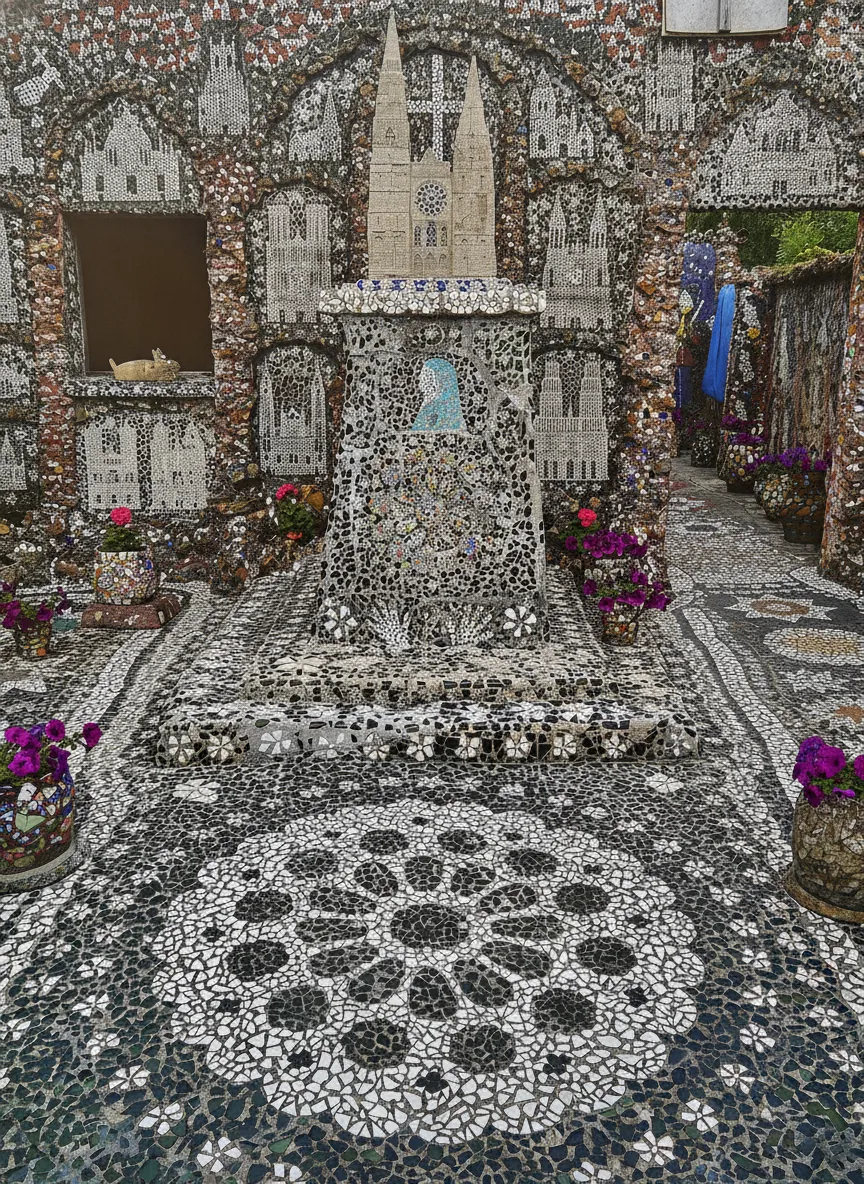
The incredible story of Maison Picassiette begins in 1938 with a humble street sweeper named Raymond Isidore. He was not an artist by trade, nor did he have any formal training. Yet, one day, while walking through the fields near his small home in Chartres, he picked up a broken piece of pottery. Something about its shape, its color, its potential, sparked an idea that would consume the remaining three decades of his life. What started as a simple decoration for his kitchen wall quickly escalated into an all-encompassing passion. Isidore began collecting every discarded fragment he could find: broken plates, cups, saucers, bottles, shards of glass, and bits of tile. He meticulously cleaned, sorted, and then painstakingly affixed each piece to the surfaces of his home and garden, using cement as his binder. He worked tirelessly, driven by an inner force, often laboring from dawn until dusk. His neighbors, initially bewildered, eventually nicknamed him "Picassiette," a playful twist on "pique-assiette" (meaning 'plate stealer' or 'scrounger'), acknowledging his unusual scavenging habits and his unique artistic medium. For nearly 30 years, Raymond Isidore transformed his modest dwelling into a shimmering, kaleidoscopic wonderland. He wasn't building a monument for fame or fortune, but rather fulfilling a deeply personal artistic impulse. Every wall, every ceiling, every piece of furniture, and every inch of his garden became a canvas for his intricate mosaic designs. It's a powerful reminder that art doesn't require galleries or patrons; sometimes, all it needs is a dedicated heart and a boundless imagination.Stepping Inside a Shimmering Dreamscape: What to Expect
Visiting Maison Picassiette is an immersive experience unlike any other. As you approach the house, you'll first notice the exterior walls, shimmering under the sunlight, covered in an incredible tapestry of broken ceramics. It's an immediate visual feast, a hint of the wonders that lie within. But nothing truly prepares you for the moment you step through the door. Inside, you are enveloped in a dizzying, shimmering world. Every single surface – walls, ceilings, floors, fireplaces, even the furniture – is adorned with intricate mosaics. The light catches the millions of tiny fragments, creating a dynamic play of color and reflection. You'll find yourself constantly discovering new details: religious scenes, everyday objects, fanciful animals, geometric patterns, and abstract swirls, all rendered with astonishing precision and artistry. Isidore even created mosaic portraits of his wife and himself.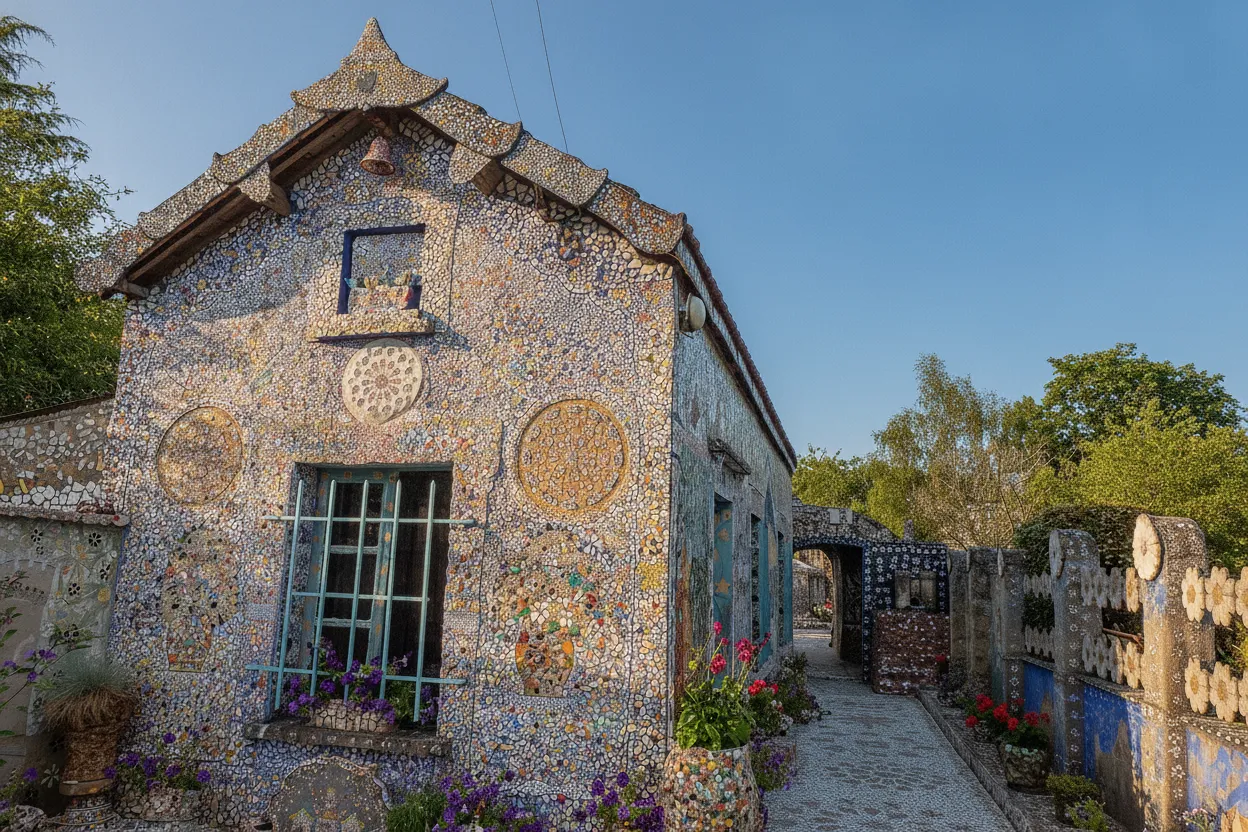 The sheer scale of the undertaking is breathtaking. Imagine the patience, the dedication, the vision required to place each individual fragment, piece by piece, over decades. It's a truly humbling experience to wander through these rooms, feeling the presence of Isidore's unwavering spirit in every sparkling corner. The house feels alive, pulsing with the energy of its creation.
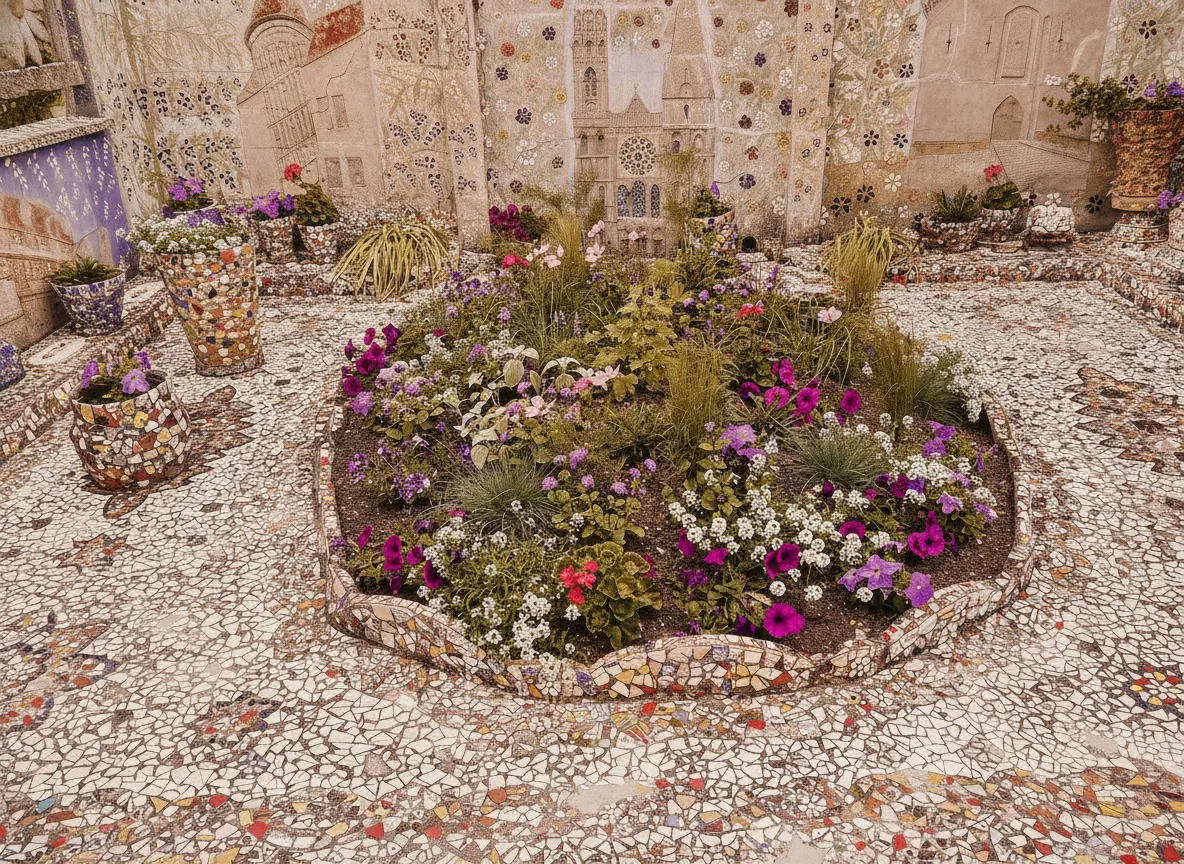
Beyond the main house, the magic continues in the garden. Pathways wind through mosaic-covered sculptures, benches, and even a small chapel, all adorned with the same vibrant, fragmented artistry. It's a labyrinthine wonderland, inviting you to explore every nook and cranny, each turn revealing a new mosaic surprise. The garden walls are adorned with scenes of Chartres and Jerusalem, and even a 'Black House' that Isidore built as his own mausoleum.
The sheer scale of the undertaking is breathtaking. Imagine the patience, the dedication, the vision required to place each individual fragment, piece by piece, over decades. It's a truly humbling experience to wander through these rooms, feeling the presence of Isidore's unwavering spirit in every sparkling corner. The house feels alive, pulsing with the energy of its creation.
Beyond the main house, the magic continues in the garden. Pathways wind through mosaic-covered sculptures, benches, and even a small chapel, all adorned with the same vibrant, fragmented artistry. It's a labyrinthine wonderland, inviting you to explore every nook and cranny, each turn revealing a new mosaic surprise. The garden walls are adorned with scenes of Chartres and Jerusalem, and even a 'Black House' that Isidore built as his own mausoleum.
Beyond the Shimmer: A Testament to Folk Art and Vision
Maison Picassiette is much more than just a quirky attraction; it's a significant example of folk art, often categorized as 'Art Brut' or 'Outsider Art.' These terms refer to art created by self-taught individuals, often outside the conventional art world, driven by an intense personal vision rather than academic training or commercial gain. Isidore's work stands proudly alongside other celebrated examples like the Palais Idéal du Facteur Cheval. What makes Maison Picassiette so compelling is its authenticity. There's no pretense, no grand statement, just the pure, unadulterated expression of one man's creative impulse. It reminds us that art can emerge from the most unexpected places and people, transforming the mundane into the magnificent. It's a testament to the power of passion and dedication, proving that with enough commitment, even the most ordinary materials can be elevated to extraordinary beauty. Today, Maison Picassiette is perfectly preserved and managed by the City of Chartres, ensuring that Isidore's incredible legacy continues to inspire future generations. It offers a truly unique and immersive artistic experience, allowing visitors to step directly into the mind and world of a visionary who dared to dream in mosaics.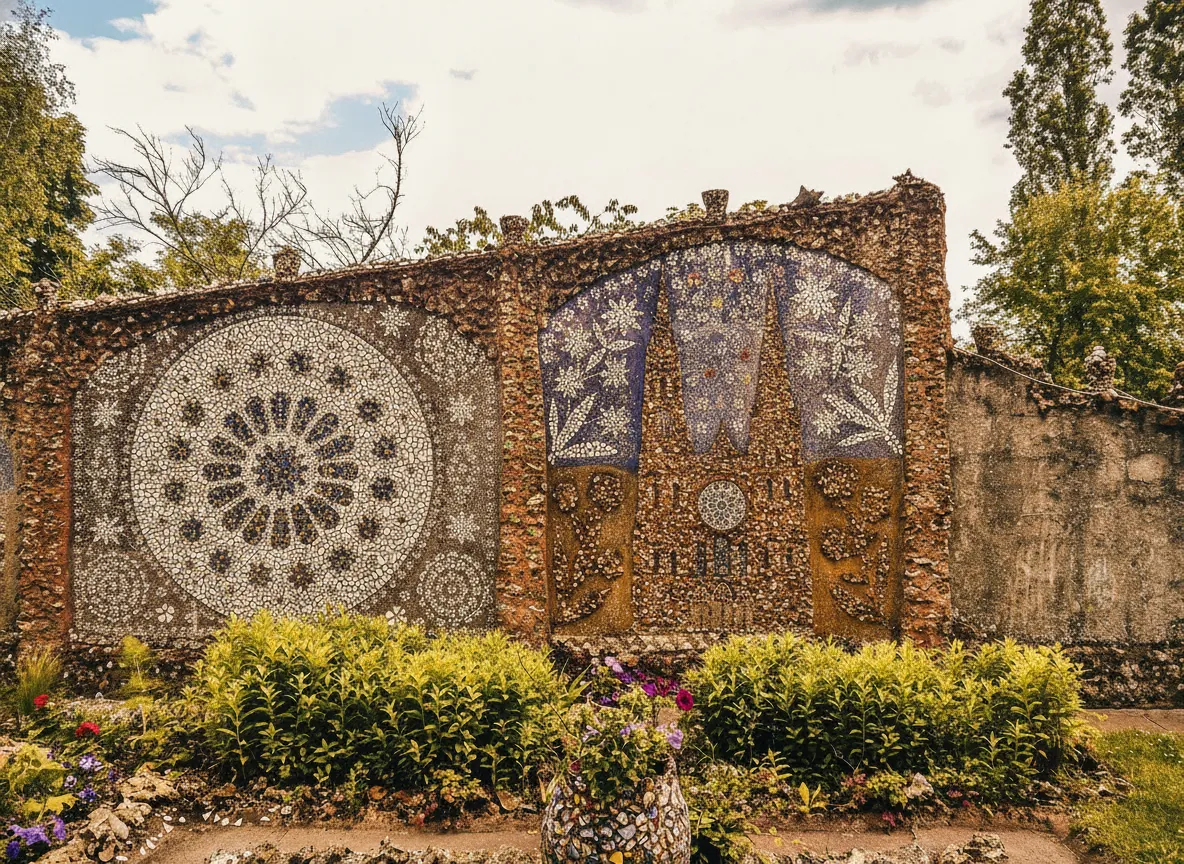
Planning Your Mosaic Adventure: Practical Tips for Visitors
Ready to dive into this shimmering wonderland? Here’s how to make the most of your visit to Maison Picassiette: * **Location:** Maison Picassiette is located at 22 Rue du Repos, 28000 Chartres, France, in the Centre-Val de Loire region. * **Best Time to Visit:** While the interior is captivating year-round, late spring to early autumn (May to September) offers the most pleasant weather for exploring the mosaic gardens. The natural light during these months also beautifully illuminates the mosaics, making for fantastic photographs. Weekdays are generally less crowded than weekends. * **Getting There:** * **By Train:** The easiest way to reach Chartres from Paris is by train from Paris Montparnasse station. The journey takes approximately one hour. * **From Chartres Station:** From Chartres train station, Maison Picassiette is about a 20-30 minute walk, or a short bus ride (check local bus routes) or taxi. It's easily accessible and well-signposted. * **Opening Hours & Tickets:** The house typically opens from spring through autumn, with varying hours. It's always best to check the official Chartres tourism website or the Maison Picassiette site for the most up-to-date information on opening days, hours, and ticket prices before your visit. The entrance fee is modest. * **Duration of Visit:** Allocate at least 1 to 1.5 hours to fully explore the house and gardens. You'll want time to take in all the intricate details. * **Photography:** Photography is generally allowed and highly encouraged! The mosaics are incredibly photogenic, especially when the sunlight catches them. * **Combine Your Visit:** Maison Picassiette is a fantastic complement to a visit to Chartres Cathedral. See the grand, sacred art, then experience the intimate, personal art of Isidore. It offers a wonderful contrast and a comprehensive view of Chartres' artistic heritage. Maison Picassiette is a place that truly sparks wonder and challenges our perceptions of art and beauty. It’s a powerful reminder that extraordinary vision can emerge from the most unexpected places, created by the most unassuming hands. Don't just visit France; discover its hidden heart, one shimmering fragment at a time. This is an experience you won't soon forget!Essential Travel Information
- Location Maison Picassiette, France
- Best Time Late Spring to early Autumn (May-September) for pleasant weather and vibrant garden views.
- Getting There Train from Paris Montparnasse to Chartres (approx. 1 hour), then a short bus or taxi ride to the house.
- Airport Paris-Orly Airport (ORY), Paris Charles de Gaulle Airport (CDG)
- Budget Budget to Mid-range. Entrance fee is modest. Daily cost (excluding long-haul travel) could be around €50-€100 for food, local transport, and activities.
- Language French
Find Places to Stay Near Maison Picassiette
Compare hotels, hostels, and unique stays in France.
Search AccommodationTours & Experiences Near Maison Picassiette
Book guided tours, day trips, and unique experiences.
Browse Tours