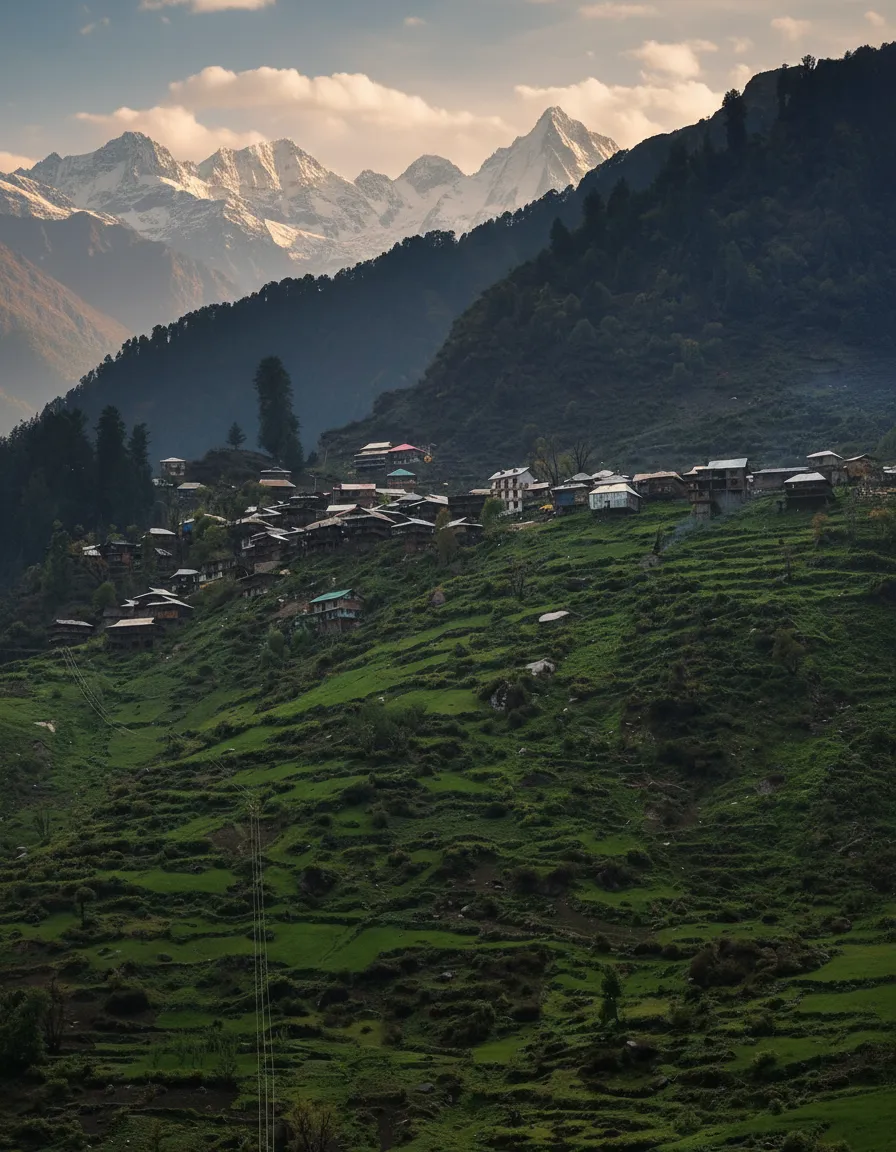
Imagine a village nestled deep in the majestic Himalayas, where the air hums with ancient secrets and time seems to have stopped centuries ago. A place where outsiders are strictly forbidden from touching anyone or anything, and the proud locals claim direct descent from the armies of Alexander the Great. This isn't a fantasy from a forgotten epic; it's Malana Village, a legendary settlement hidden in India's breathtaking Parvati Valley, a true 'Village of Taboos' that beckons the intrepid and respectful traveler.
Malana isn't just a destination; it's an experience, a journey into a living museum of ancient customs and unwavering traditions. Clinging precariously to a remote mountainside in Himachal Pradesh, this self-governing village has maintained an almost impenetrable isolation, carefully preserving a culture unlike any other on Earth. If you've ever dreamt of stepping into a world where history breathes and myths walk, then prepare to be captivated by the enigmatic allure of Malana.
The Mystique of Malana: A World Apart
What makes Malana truly unique is its profound commitment to its own identity, fiercely guarded against the encroaching modern world. At its heart lies a fascinating and strict 'no-touching' policy towards outsiders. Villagers believe that contact with non-Malanis can defile their sacred objects, their people, and their ancient deity, Jamlu Devta. This isn't born of animosity, but a deep-seated reverence for their heritage, creating an almost mythical barrier that commands respect. You'll often see villagers gesturing for you to keep your distance, or even washing themselves if accidental contact occurs – a stark reminder of the cultural chasm you're traversing.
Beyond the no-touching rule, Malana operates under its own distinct judicial system, a democratic parliament known as the Malana Council, or 'Kaath Kuni'. This council, comprising elected representatives and elders, adjudicates disputes and enforces laws with an authority that often supersedes the Indian legal system. Their decisions are final, their traditions sacrosanct. This autonomy is a testament to their resilience and their determination to govern themselves according to ancient principles. It’s a truly extraordinary example of a self-sustaining micro-nation within a nation, a testament to the power of cultural preservation.
Adding another layer to Malana's uniqueness is its language, Kanashi. This ancient tongue, spoken only by the Malanis, is considered a sacred language, believed to be one of the oldest in the world and possibly linked to the Indo-European family. Its isolation has meant that it has evolved independently, making it mutually unintelligible with any other language in the region. This linguistic barrier further reinforces their distinct identity and acts as another protective layer around their cherished traditions.
A Glimpse into History: Alexander's Enduring Legacy?
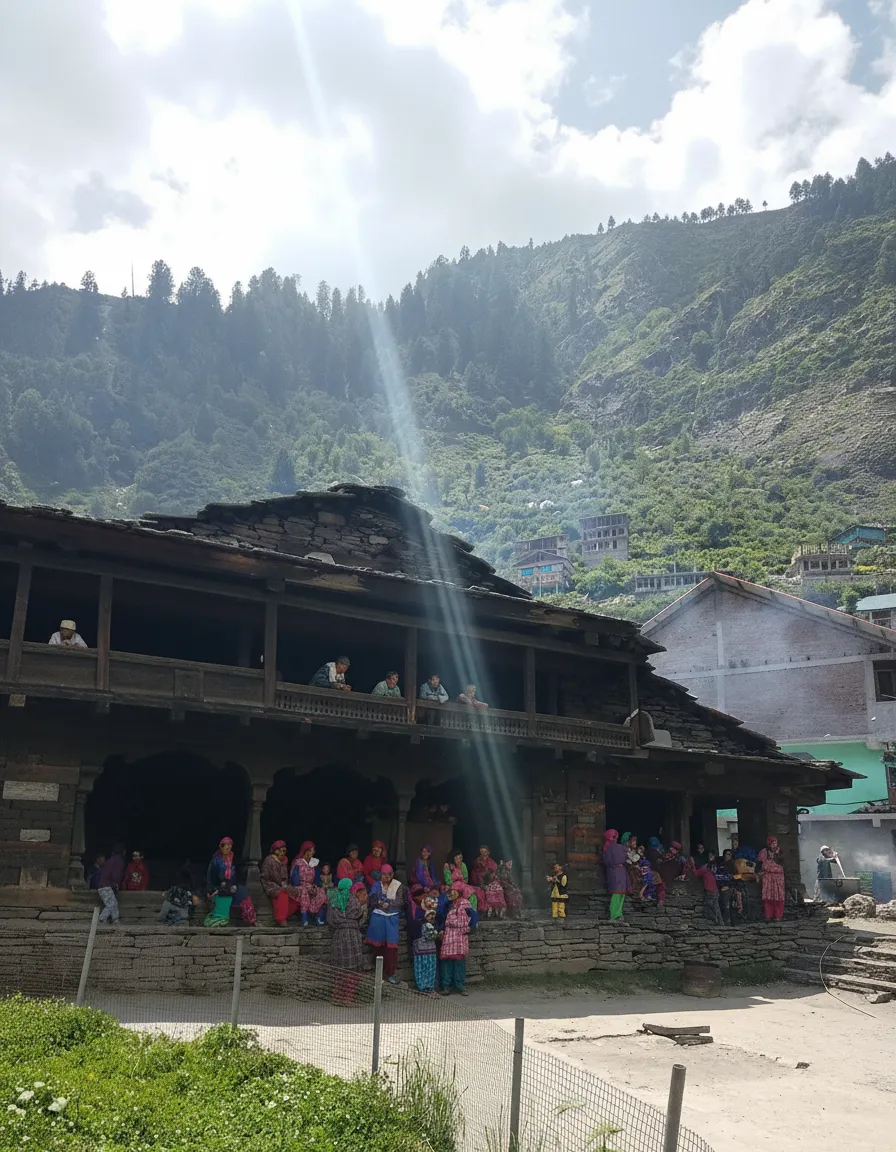
The most compelling tale woven into Malana's history is the claim of direct descent from the soldiers of Alexander the Great. Legend has it that when Alexander's army retreated from India in 326 BC, some of his soldiers took refuge in this remote valley, establishing Malana. The villagers believe they are the direct descendants of these Greek soldiers, a belief that finds subtle echoes in their facial features, their distinct judicial system (said to be inspired by ancient Greek democracy), and even some of their customs.
While historical evidence remains elusive and debated by academics, the Malanis hold this belief with unwavering conviction. They consider themselves superior to others, a lineage passed down through generations, fueling their strong sense of identity and their desire to maintain purity. Their patron deity, Jamlu Devta, is central to their belief system, and he is believed to be a very powerful and ancient god, often referred to as a "Rishi" or sage, who guides the Malana Council in all its decisions. The temple dedicated to Jamlu Devta, though off-limits to outsiders, stands as a focal point of their spiritual life.
Over centuries, Malana's extreme isolation, protected by formidable mountain ranges and challenging terrain, allowed its unique culture to flourish without significant external influence. This geographic fortress preserved their language, their laws, and their way of life, turning them into a living relic of a bygone era. It's a place where you can almost feel the weight of history in the air, a testament to human resilience and the enduring power of tradition.
Exploring Malana: What You'll See (and Respect)
Reaching Malana is an adventure in itself. The village is accessible primarily via a challenging trek, often starting from Jari or the more popular route near Kasol in the Parvati Valley. The journey itself builds anticipation, winding through picturesque landscapes, dense forests, and along steep mountain paths. As you ascend, the views of the surrounding snow-capped peaks and the deep valley below are simply breathtaking, a reward for every step.
Upon arrival, Malana reveals itself as a cluster of traditional wooden houses, often three stories high, with slate roofs and intricate carvings. These structures, built in the 'Kath Kuni' style common to the region, are not just homes but reflections of centuries of architectural wisdom, designed to withstand the harsh Himalayan winters. You'll see villagers engaged in daily life – tending to their fields (where they cultivate various crops, including the famous Malana Cream cannabis, though visitors should strictly avoid any involvement with illegal substances), weaving wool, or simply gathering in the village square.
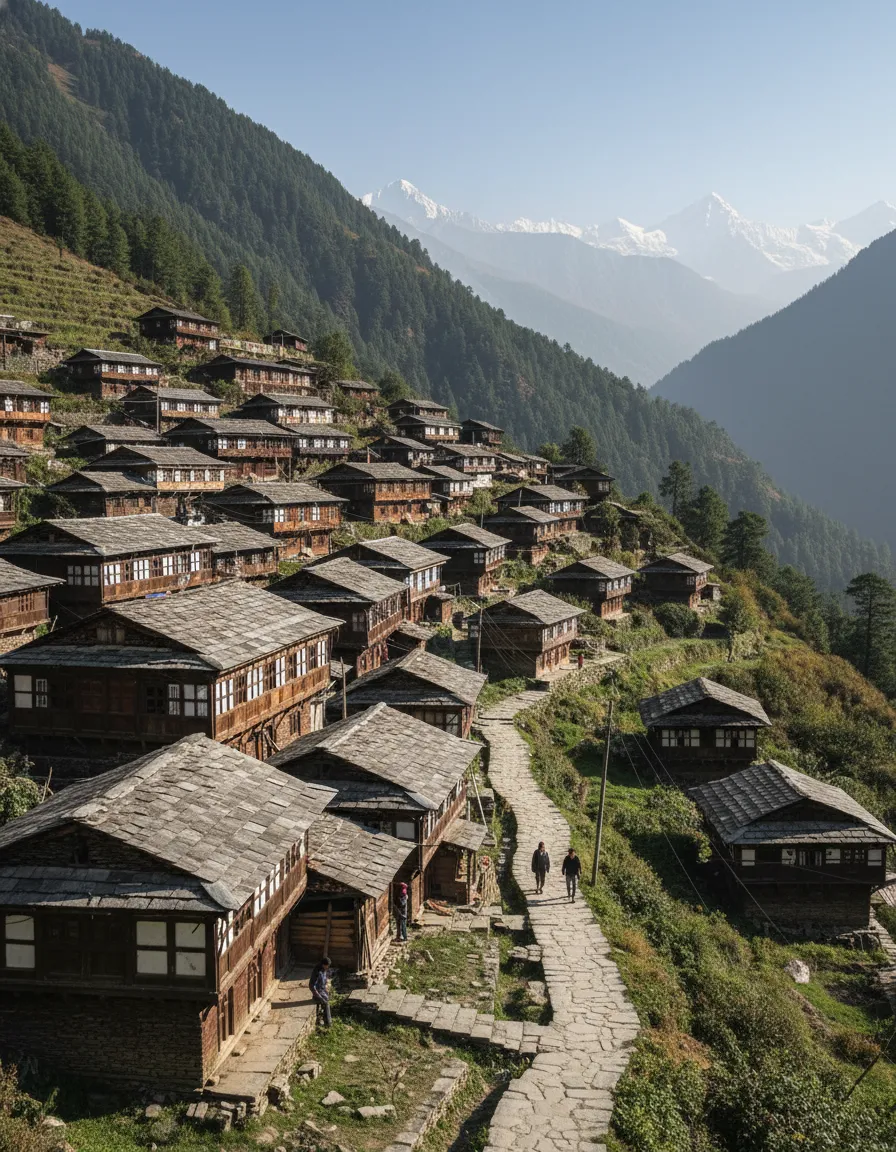
The village square often serves as the hub of activity, where the Malana Council convenes, and villagers socialize. You might catch glimpses of the Jamlu Devta temple, an ancient structure that exudes an aura of sanctity, though its inner sanctum is strictly forbidden to non-Malanis. Respect for these sacred spaces is paramount. Remember the 'no-touching' rule extends to temples, houses, and even people. If you wish to take photographs, always ask for permission first, and be prepared for refusal – their culture takes precedence over your curiosity.
While the interaction with locals might be limited by their customs, the experience of simply observing their way of life, feeling the ancient energy of the place, and soaking in the unparalleled natural beauty of the Himalayas, is profoundly rewarding. It’s a chance to witness a truly distinct culture that has defied the homogenizing forces of the modern world.
Practical Tips for the Respectful Explorer
Visiting Malana requires not just physical preparation but also a deep sense of respect and cultural sensitivity. Here's what you need to know:
Getting There: The most common approach is a trek from Jari, typically involving a short taxi ride to a point called Malana Gate (or Malana Dam, though it's now often called the 'Malana Road End' or 'Malana Power Project'), followed by a 2-3 hour uphill hike. The path is well-worn but steep in places, so good hiking shoes and a reasonable fitness level are essential. Alternatively, longer treks from Naggar or Kasol are also possible for experienced trekkers.
Best Time to Visit: The ideal time is during spring (April to June) and autumn (September to November). During these months, the weather is pleasant, the skies are clear, and the trekking routes are accessible. Winters are extremely harsh, with heavy snowfall, making the village difficult, if not impossible, to reach, and many villagers temporarily move to lower altitudes.
Accommodation & Food: There are no guesthouses or hotels *within* Malana village itself, in keeping with their customs. You'll find basic guesthouses and homestays just outside the main village boundary, often in a designated area for tourists. These offer simple meals. It's advisable to carry your own water, snacks, and any specific dietary needs, as options are very limited. Remember to pack out everything you pack in.
Respecting Local Customs: This cannot be stressed enough. The 'no-touching' policy is absolute. Do not touch villagers, their homes, temples, or any objects. If you accidentally touch something, be prepared for them to purify it. Do not enter their temples or private homes. Ask for permission before taking photographs. Avoid loud behavior or anything that might be perceived as disrespectful. Remember you are a guest in their sacred space. Engaging in any illegal activities, particularly related to cannabis, is strictly forbidden and can lead to severe legal consequences.
Money & Connectivity: There are no ATMs in Malana or even in the immediate vicinity. Carry sufficient cash for your entire trip. Mobile network coverage can be spotty to non-existent, so be prepared to disconnect.
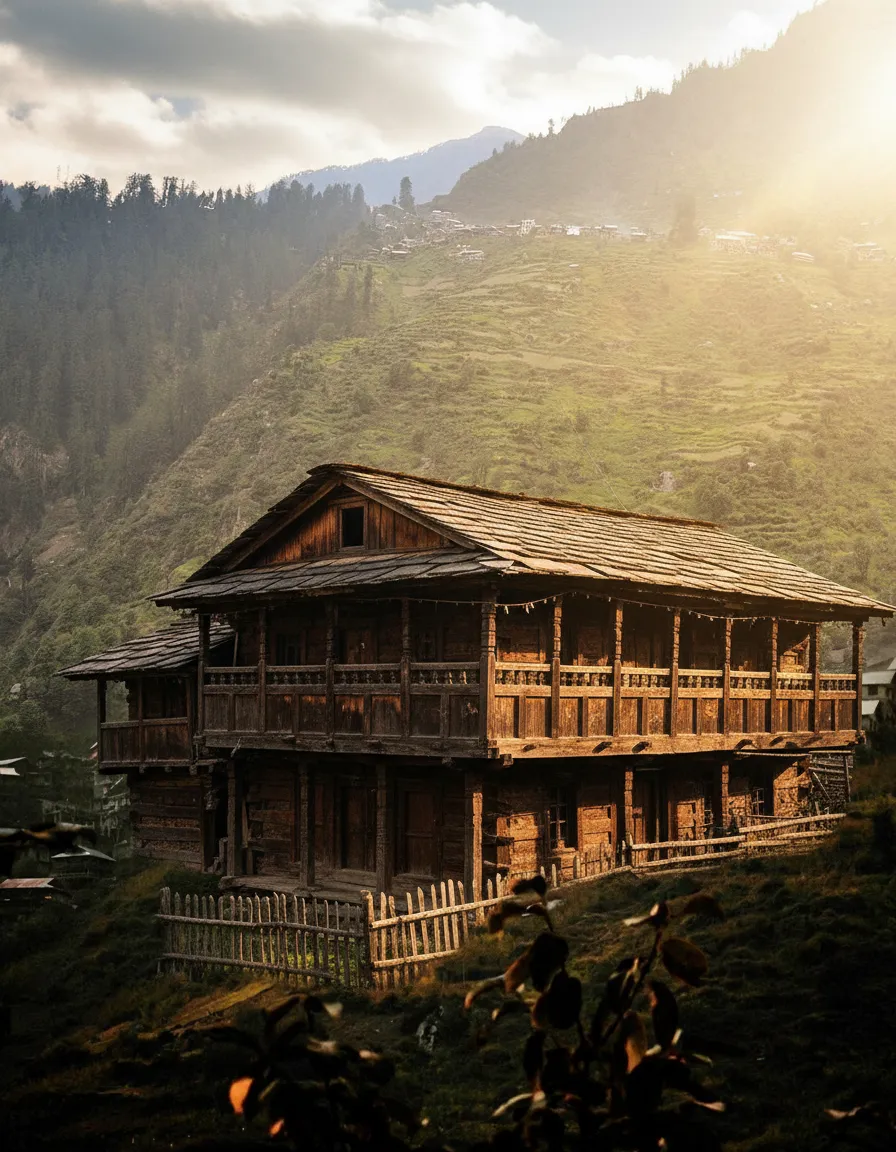
Malana Village is more than just a dot on the map; it's a living testament to human endurance, cultural preservation, and the profound beauty of tradition. It offers a rare opportunity to witness a society that has consciously chosen to remain outside the currents of global change, holding steadfast to its ancient roots. For the thoughtful and respectful traveler, a visit to Malana is not just a trip; it's a profound journey into the heart of an enduring mystery, a place where history whispers from every stone and every face, urging us to listen and learn.
Essential Travel Information
- Location Malana Village, India
- Best Time April to June, September to November
- Getting There Taxi to Malana Gate/Road End, then 2-3 hour trek uphill from Jari/Kasol in Parvati Valley.
- Airport Kullu-Manali Airport (KUU)
- Budget Budget/Mid-range (approx. $30-70 USD per day, excluding travel to region)
- Language Kanashi, Hindi (limited understanding by some locals)
Find Places to Stay Near Malana Village
Compare hotels, hostels, and unique stays in India.
Search AccommodationTours & Experiences Near Malana Village
Book guided tours, day trips, and unique experiences.
Browse Tours