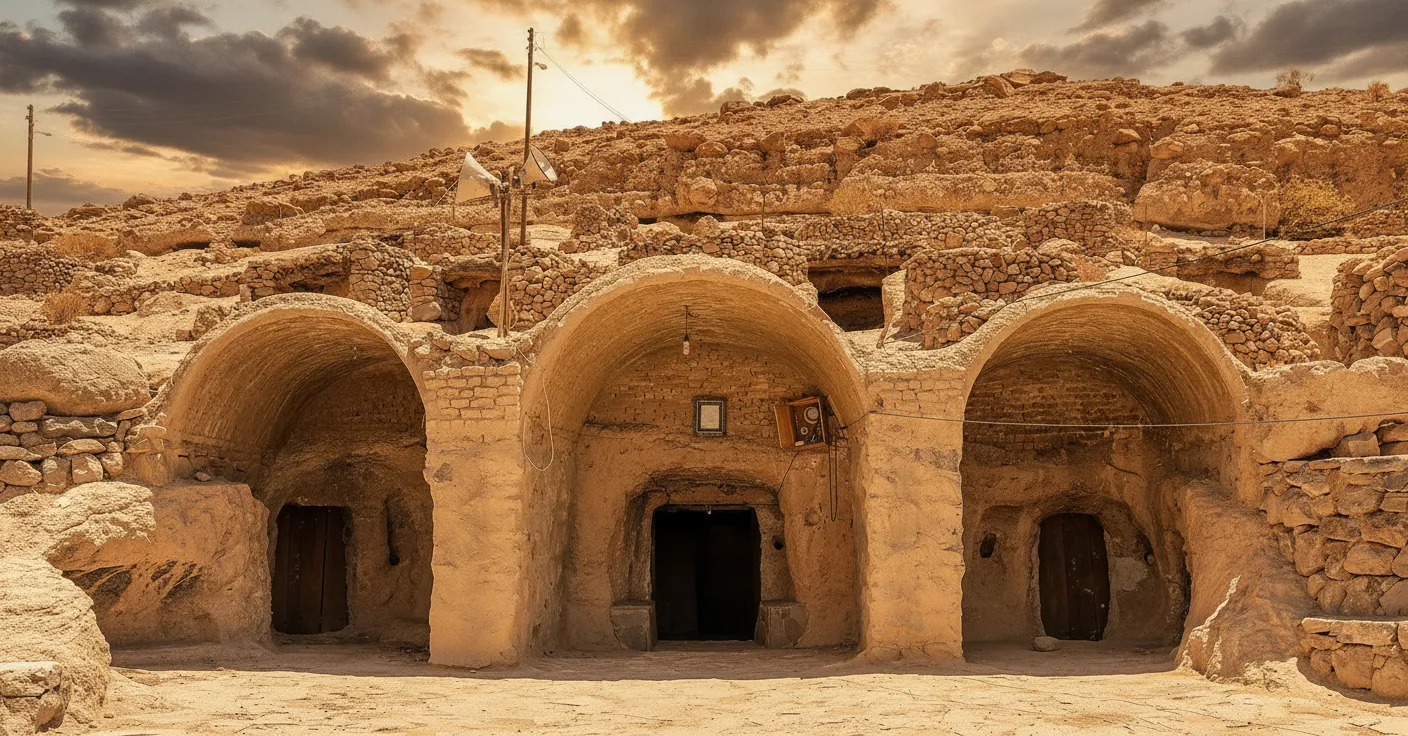
Imagine stepping into a place where the very earth tells a story, a narrative carved not just by geological forces, but by the hands of humans who have called it home for millennia. A place where time hasn't simply passed, but has literally been etched into the rock, creating a living monument to human resilience and adaptation. This isn't a fantasy; it's Maymand Cave Village, a hidden gem nestled in the harsh, beautiful landscape of Iran's Kerman Province, waiting to reveal its secrets to the intrepid traveler.
Forget your conventional notions of a village. In Maymand, there are no brick-and-mortar houses, no paved streets, no modern facades. Instead, you'll find homes, mosques, and even bathhouses excavated directly from the ochre-hued rock faces of a desert valley. It’s a troglodytic marvel, a UNESCO World Heritage site that stands as one of the world's oldest continuously inhabited settlements of its kind, with a history that whispers of human ingenuity stretching back an astonishing 12,000 years. If you're yearning for an adventure that transcends mere sightseeing and plunges you into the heart of ancient human history, Maymand is calling your name.
Maymand Cave Village: Where Time Stands Still in Stone
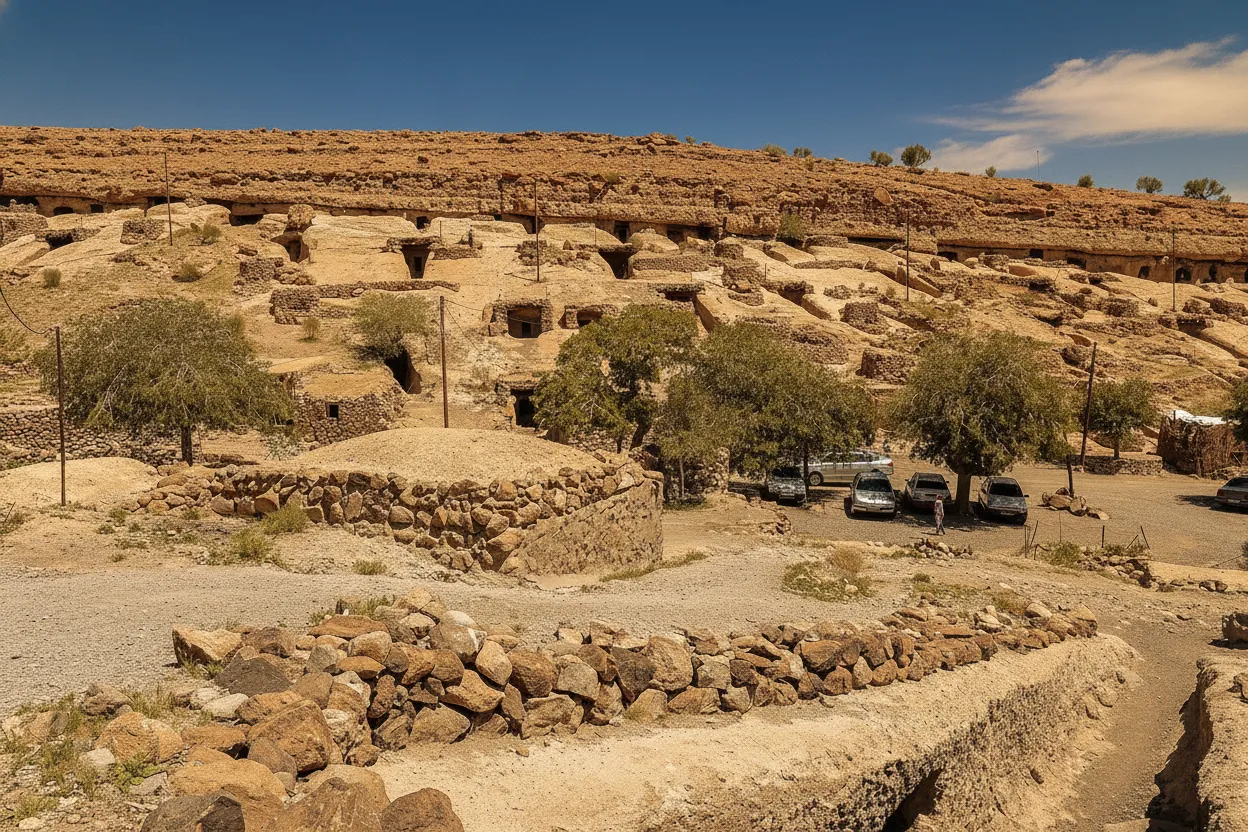
What makes Maymand so profoundly special? It's not just its age, though that alone is breathtaking. It's the palpable sense of a living history, a cultural landscape where the past isn't merely preserved, but actively lived. The residents of Maymand are direct descendants of those who first carved these homes, continuing a way of life that has stubbornly, beautifully, resisted the relentless march of modernity. This isn't a museum; it's a vibrant community where children play among ancient rock dwellings, and families still gather in spaces that have sheltered countless generations.
Picture this: you're walking through a village where every 'house' is a natural extension of the mountain itself. These are not caves in the primitive sense, but meticulously hand-dug chambers, some reaching several stories high, offering surprisingly comfortable and stable living conditions. The thick rock walls provide natural insulation, keeping the interiors cool during scorching summers and relatively warm in the biting desert winters. It's an architectural feat born of necessity and deep understanding of the environment, a testament to the unfathomable ingenuity of our ancestors.
Maymand is a powerful reminder of humanity's deep connection to the earth and our incredible capacity to adapt. In a world increasingly homogenized by global trends, Maymand offers a profound counter-narrative, a place where tradition, community, and an ancient rhythm of life still reign supreme. It's a place that challenges your perceptions of what a 'home' can be, and what it means to truly belong to a landscape.
A Glimpse into 12,000 Years of Human Resilience
The history of Maymand is as deep and layered as the rock formations it inhabits. Archaeological evidence suggests human presence in the area dating back as far as 12,000 years, making it one of the earliest known human settlements on Earth. Some theories even propose that Maymand's initial inhabitants might have been hunter-gatherers seeking shelter, long before the advent of agriculture transformed human society.
Over the millennia, the village evolved. The earliest known rock structures date back 2,000 to 3,000 years, carved by semi-nomadic pastoralists who practiced transhumance – moving their livestock between summer pastures (sar-e-dasht) and winter pastures (garmsir). The cave dwellings served as permanent winter residences, offering protection from the elements, while temporary stone and wood structures were built for the warmer months. This cyclical migration, deeply tied to the land and its resources, has shaped Maymand's culture and its unique architectural style.
The villagers' incredible skill in carving these intricate dwellings out of solid rock, using only basic tools, speaks volumes about their determination and understanding of geology. These weren't just holes in the ground; they were carefully planned multi-room homes, often with separate areas for sleeping, cooking, and storage. The continuity of this lifestyle, surviving countless empires, invasions, and technological shifts, is what truly sets Maymand apart. It's a living archive of human history, where you can almost hear the echoes of ancient Persian languages and the daily routines of people who walked these paths thousands of years ago.
Exploring Maymand: What Awaits You in the Rock Houses
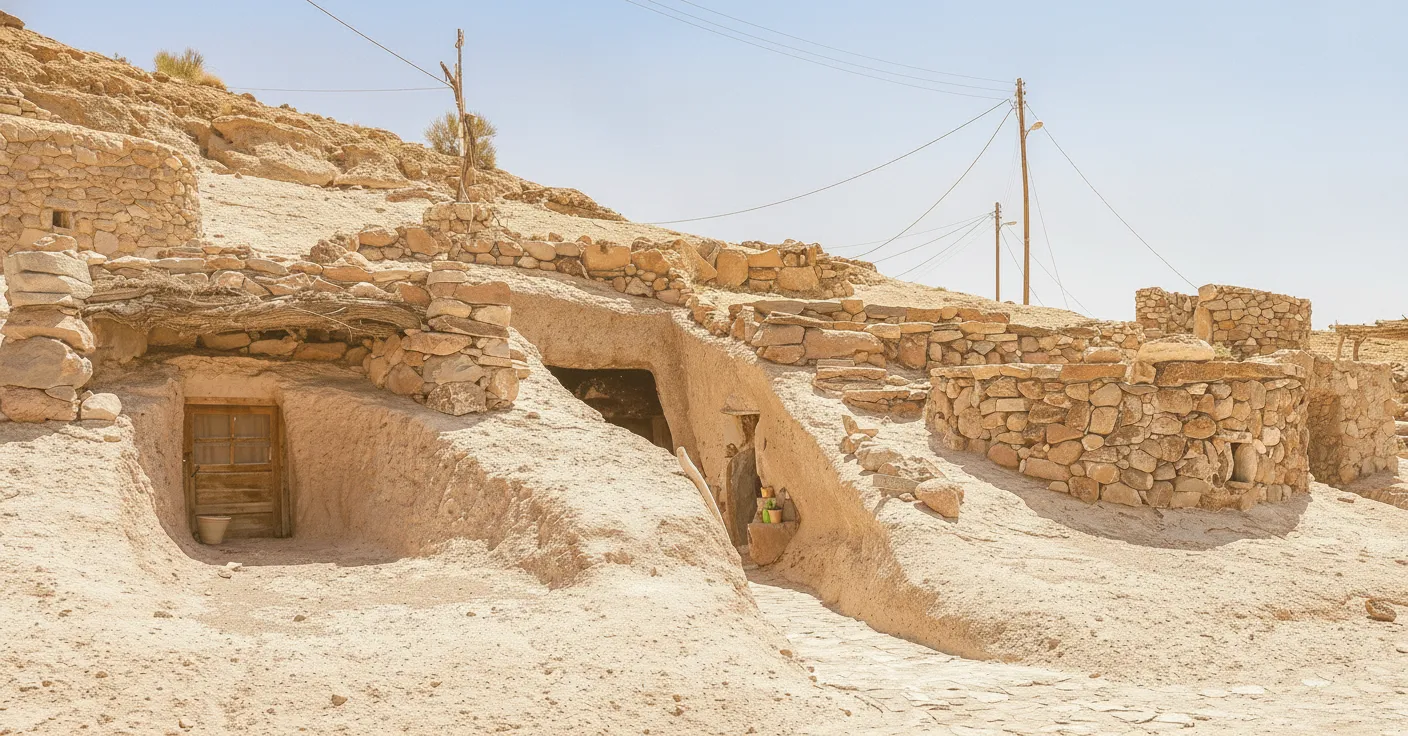
Your journey into Maymand is an immersive experience. As you wander through the village, you'll find yourself navigating narrow, winding paths that meander between and into the rock face. Each 'house' (or kicheh, as they are locally known) offers a unique glimpse into the past. Many are still inhabited, while others have been converted into small guesthouses or museums, allowing you to step inside and truly appreciate their design.
Inside, you'll discover a world of simplicity and functionality. The rooms are often dark, lit by small openings or, more recently, by electricity, but they exude a profound sense of comfort and security. You might see traditional fireplaces, niches carved into the walls for storage, and even rudimentary sleeping platforms. The coolness in summer and warmth in winter are immediately noticeable, a testament to the genius of passive design.
Beyond the homes, you'll encounter other rock-hewn structures essential to community life: a mosque, its prayer hall carved from the mountain; a public bathhouse, its intricate water channels and heating system a marvel of ancient engineering; and even a school. These communal spaces reinforce the idea that Maymand is not just a collection of dwellings, but a cohesive society that has thrived in this challenging environment.
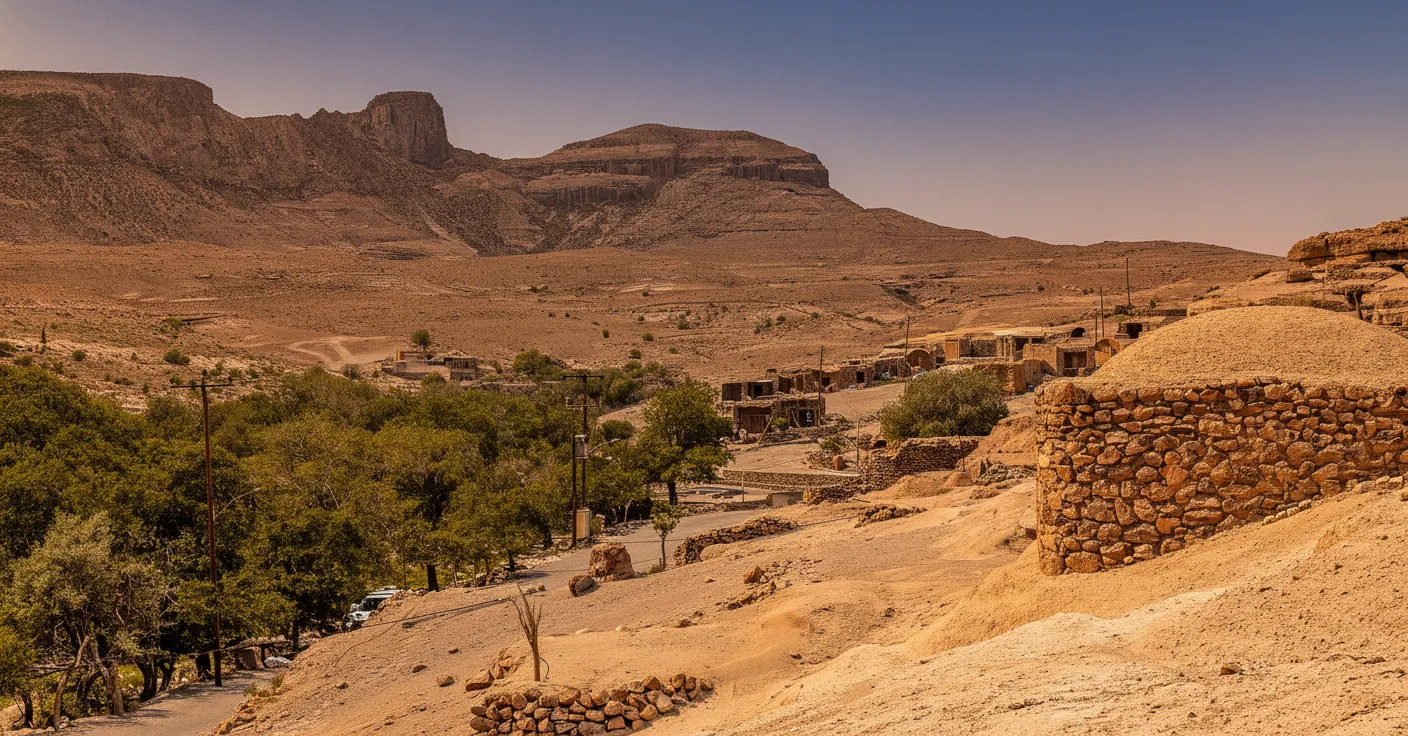
The people of Maymand are incredibly hospitable and often willing to share aspects of their daily lives. You might witness them baking traditional bread in ancient ovens, tending to their livestock, or practicing traditional crafts. Their dialect, a unique form of Persian with ancient roots, is another fascinating aspect of their heritage. Don't be surprised if you're invited for a cup of tea, offering a chance for genuine connection with a culture that has endured for millennia.
Outside the village, the stark beauty of the desert landscape unfolds. The surrounding hills, dotted with sparse vegetation, offer breathtaking views, especially during sunrise or sunset when the rocks glow with fiery hues. It's a place for quiet contemplation, for imagining the countless generations who have gazed upon the same vistas, and for feeling a profound connection to the vast tapestry of human history.
Planning Your Journey to Iran's Ancient Troglodyte Village
Visiting Maymand is an unforgettable adventure, but it requires a bit of planning to ensure a smooth and respectful experience. Here are some practical tips:
- Best Time to Visit: The Kerman Province can experience extreme temperatures. The ideal times to visit are spring (March to May) and autumn (September to November), when the weather is pleasant and conducive to exploration.
- How to Get There: Maymand is located approximately 38 kilometers from Shahr-e Babak and about 120 kilometers from Kerman city. The easiest way to reach it is by hiring a private taxi or joining a guided tour from Kerman. The roads are generally good, but having a local driver is invaluable.
- Accommodation: You won't find luxury hotels here, and that's part of the charm! Several traditional cave homes have been converted into charming guesthouses (ecolodges) offering an authentic stay. These provide basic but comfortable amenities, allowing you to experience living in a rock house firsthand. Booking in advance, especially during peak season, is recommended.
- Respectful Tourism: Remember you are visiting a living community. Dress modestly, especially women (headscarf is required in Iran). Always ask for permission before taking photos of people, and be mindful of local customs and traditions. Engage with locals respectfully and be open to learning.
- What to Bring: Comfortable walking shoes are a must for navigating the uneven terrain. Layers of clothing are advisable, as temperatures can fluctuate. Sunscreen, a hat, and plenty of water are essential for exploring the desert environment.
- Guides: While you can explore independently, a local guide can significantly enrich your visit by providing historical context, cultural insights, and facilitating interactions with the villagers.
- Visa: Ensure you have the necessary visa for Iran well in advance of your trip. Visa requirements vary by nationality.
Maymand is more than just a destination; it's a journey back in time, an encounter with humanity's enduring spirit, and a profound lesson in living in harmony with the natural world. It's a place that will stay with you long after you've left its ancient rock dwellings, a testament to the incredible stories etched into our planet, waiting to be discovered.
Essential Travel Information
- Location Maymand Cave Village, Iran
- Best Time Spring (March-May) and Autumn (September-November)
- Getting There Approx. 120 km from Kerman city; typically reached by private taxi or guided tour from Kerman.
- Airport Kerman International Airport (KER)
- Budget Budget/Mid-range (Approx. $50-100 USD per day including accommodation and food)
- Language Persian (Farsi)
Find Places to Stay Near Maymand Cave Village
Compare hotels, hostels, and unique stays in Iran.
Search AccommodationTours & Experiences Near Maymand Cave Village
Book guided tours, day trips, and unique experiences.
Browse Tours